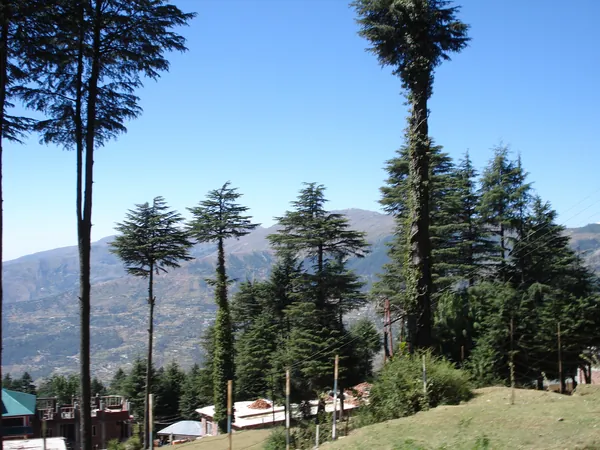
Jammu — Travel Guide
Jammu (revered throughout India as the City of Temples and the vibrant winter capital of Jammu and Kashmir), is situated along the banks of the sacred Tawi River in the Shivalik foothills at an elevation of 327 meters. Founded by Raja Jamboo Lochan in the 14th century BCE after witnessing a tiger and goat drinking peacefully side by side from the Tawi River, Jammu has stood as a bastion of Dogra culture, spiritual devotion, and royal architecture.
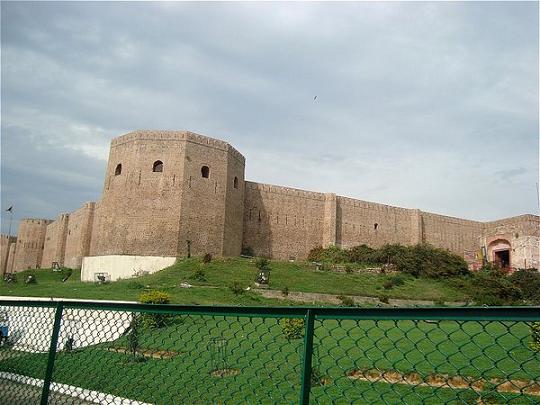
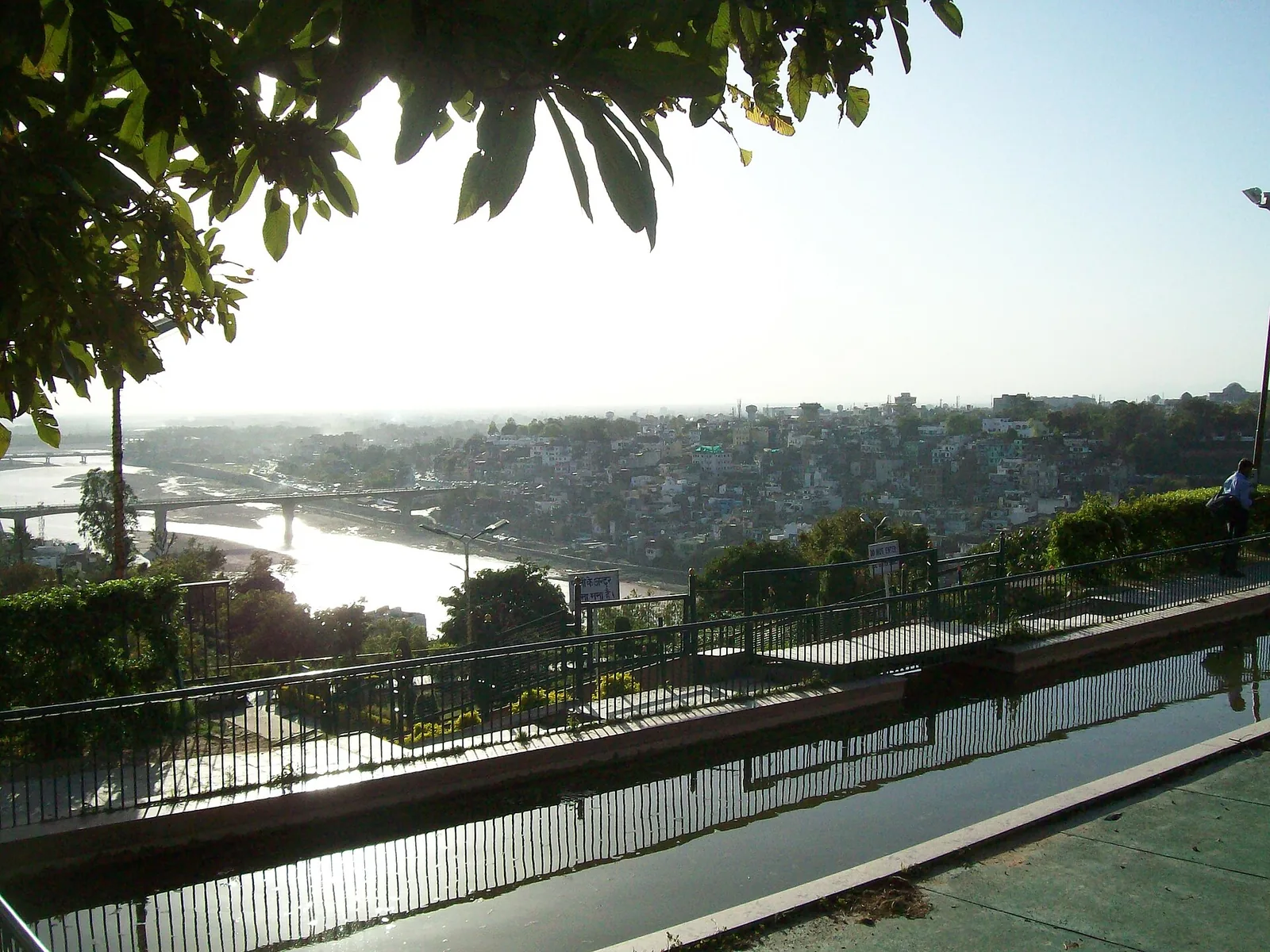 The Ancient Stone Bastions of Bahu Fort Overlooking the Tawi River in Jammu
The city's spiritual skyline is crowned by ancient monuments, from the 3,000-year-old Bahu Fort housing the sacred temple of Bawe Wali Mata (Mahakali) to the sprawling Raghunath Temple Complex (1860) adorned with gold leaf walls and 1.25 lakh sacred saligram stones. The grand Ranbireshwar Temple enshrines an 8-foot black stone Shiva Lingam, while the subterranean cavern of Peer Kho links back to the Ramayana.
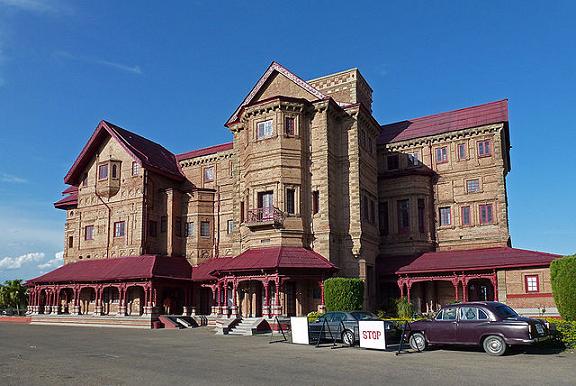
Jammu's royal Dogra heritage comes alive at the grand Mubarak Mandi Palace Complex and the French chateau inspired Amar Mahal Palace Museum, which houses a 120 kg pure gold Dogra throne and rare Pahari miniature paintings.
As the primary gateway to the holy pilgrimage basecamp of Katra (48 km) and scenic hill routes to Patnitop and Srinagar (250 km), Jammu welcomes millions of pilgrims and heritage travelers each year with rich Dogra hospitality, flavorful Rajma Chawal, and ancient temple charm.
Best Time to Visit Jammu:
Jammu is a year round pilgrimage destination with the most comfortable seasons between autumn and spring:
- October to March (Winter / Peak Sightseeing & Festive Season): Pleasant daytime temperatures of 15°C to 24°C with cool nights (5°C–10°C). Perfect for temple visits, exploring palaces, walking around Bahu Fort, and attending Navratri and Diwali festivals.
- April to June (Summer / Warm Days & Foothill Excursions): Daytime temperatures range from 28°C to 42°C. Ideal for early morning temple darshans and evening strolls along the Tawi River promenade.
- July to September (Monsoon / Lush Green Shivalik Hills): Moderate to heavy showers turn the Shivalik foothills lush green and revive the waters of Mansar and Surinsar lakes.
Famous Dogra Culinary Delicacies:
- Jammu Rajma Chawal: Famous red kidney beans slow cooked with wild pomegranate seeds (*anardana*) and whole spices, served hot over basmati rice with pure desi ghee and spiced radish salad.
- Kalaadi Kulcha: Traditional ripened mountain cheese lightly pan roasted with butter and spices, served hot inside toasted kulcha bread.
- Khatta Meat & Ambal: Signature Dogra mutton curry infused with sour pomegranate extract paired with sweet and sour pumpkin curry cooked with tamarind and jaggery.
- Chocolate Barfi & Sund Panjeeri: Famous fudge sweets and dry fruit snacks from Pahalwan's sweet shop.
By Air:
Jammu Airport (Airport Code: IXJ / Civil Airport Satwari) is located just 8 km south of Jammu city center. Jammu Airport operates frequent daily non stop flights connecting New Delhi, Mumbai, Srinagar, Bengaluru, Chandigarh, and Gwalior via Air India, IndiGo, and SpiceJet. Prepaid taxis, auto rickshaws, and app cabs operate 24/7 from the terminal.
By Train:
Jammu Tawi Railway Station (Station Code: JAT) is a major northern railhead connected to all major Indian cities:
- Vande Bharat Express (Train 22439/22440): High speed semi high speed express connecting New Delhi to Katra via Jammu Tawi in just 7 hours.
- Jammu Rajdhani Express (Train 12425/12426): Daily premier overnight superfast AC express from New Delhi.
- Malwa Express, Jhelum Express & Uttar Sampark Kranti: Direct superfast connections from Mumbai, Pune, Ahmedabad, and Kolkata.
- Prepaid auto rickshaws, e-rickshaws, and tourist cabs operate 24/7 outside Jammu Tawi Station.
By Road:
Jammu connects via the 4-lane National Highway 44 (NH-44) and the Delhi-Amritsar-Katra Expressway:
- From Katra (~48 km / 1.2 hours): Smooth 4-lane expressway drive via Nagrota on NH-44.
- From Pathankot (~105 km / 2.2 hours): 4-lane highway drive via Kathua on NH-44.
- From Amritsar (~215 km / 4.5 hours): 4-lane highway drive via Pathankot.
- From Srinagar (~250 km / 5.5 hours): Smooth drive via the Banihal Qazigund Navayuga Tunnel on NH-44.
- From New Delhi (~580 km / 9 hours): High speed expressway drive via Panipat and Ludhiana.
- State Buses: J&K SRTC, HRTC, and Punjab Roadways operate round the clock Volvo AC and deluxe buses from General Bus Stand Jammu.
Shopping in Jammu is famous for authentic Dogra handicrafts, Kashmiri dry fruits, saffron, pashmina shawls, and traditional sweets:
- Kashmiri Saffron & Premium Dry Fruits: Pure Mongra saffron (*Kesar*), organic paper shell walnuts, and sweet Mamra almonds from Raghunath Bazaar.
- Authentic Pashmina & Phulkari Shawls: Handwoven pashmina stoles, Dogra woolens, and embroidered kurtas from Jammu J&K Arts Emporium.
- Traditional Dogra Bamboo Crafts & Brass Idols: Handcrafted bamboo furniture, straw mats (*chatties*), and brass puja items from Hari Market.
- Pahalwan's Famous Sweets: Signature Jammu *Chocolate Barfi*, *Sund Panjeeri*, *Patisa*, and fresh *Kalaadi* cheese blocks.
- Dogra Miniature Paintings: Traditional Pahari style watercolor paintings depicting royal courts and mythological folklore.
Must-Visit Places in Jammu
Jammu offers a remarkable collection of ancient fortresses, golden temple complexes, French chateau palaces, and riverfront gardens:
1. Bahu Fort & Bawe Wali Mata Kali Temple (Tawi River Overlook)
Built originally over 3,000 years ago by Raja Bahulochan and rebuilt by Dogra rulers in the 19th century, Bahu Fort stands atop a rocky cliff 325 meters above the Tawi River. Inside the sandstone fort lies the revered temple of Bawe Wali Mata (Goddess Mahakali), the presiding deity of Jammu, where thousands of devotees gather every Tuesday and Sunday for blessings.
Bahu Fort — Ancient Cliff-Top Fortress and Bawe Wali Mata Temple in Jammu
2. Raghunath Temple Complex & Golden Sanctum (Largest Rama Temple - 1860)
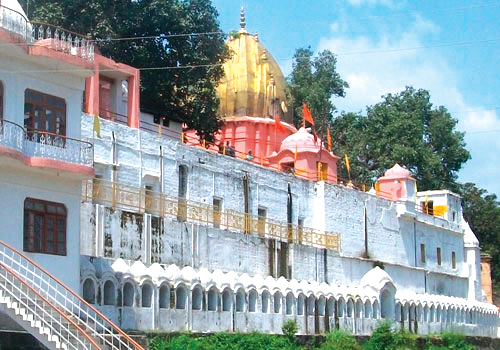
Commissioned in 1835 by Maharaja Gulab Singh and completed in 1860 by Maharaja Ranbir Singh, the Raghunath Temple is one of the largest temple complexes in Northern India. Dedicated to Lord Rama, its central sanctum walls are covered in sheets of pure gold leaf. The complex houses seven separate shrines and over 1.25 lakh sacred *saligrams* brought from the Gandaki River.
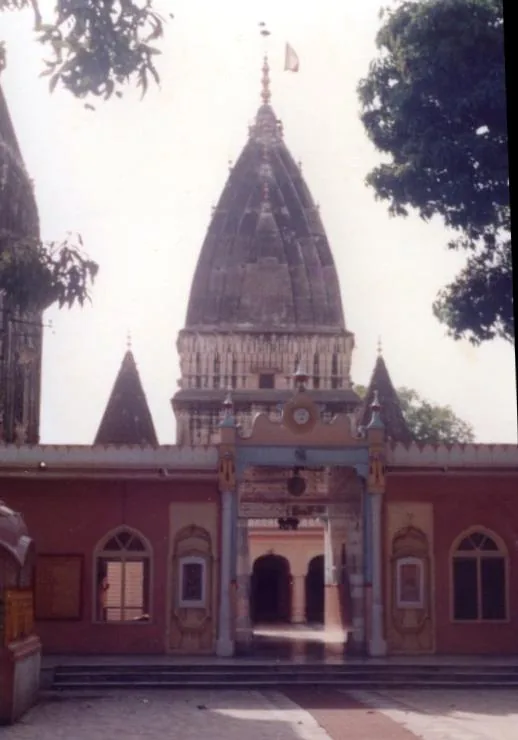 Raghunath Temple — 19th-Century Golden Temple Complex Dedicated to Lord Rama
3. Amar Mahal Palace Museum & 120 kg Pure Gold Dogra Throne (1890)
Designed in 1890 by a French architect for Raja Amar Singh, this European style red sandstone palace resembles a 14th-century French chateau with sloping roofs, tall turrets, and arched verandas overlooking the Tawi River. Converted into a museum and art gallery, it houses a 120 kg pure gold throne, royal family portraits, a 25,000-book library, and famous Kangra style Pahari miniature paintings illustrating the Mahabharata.
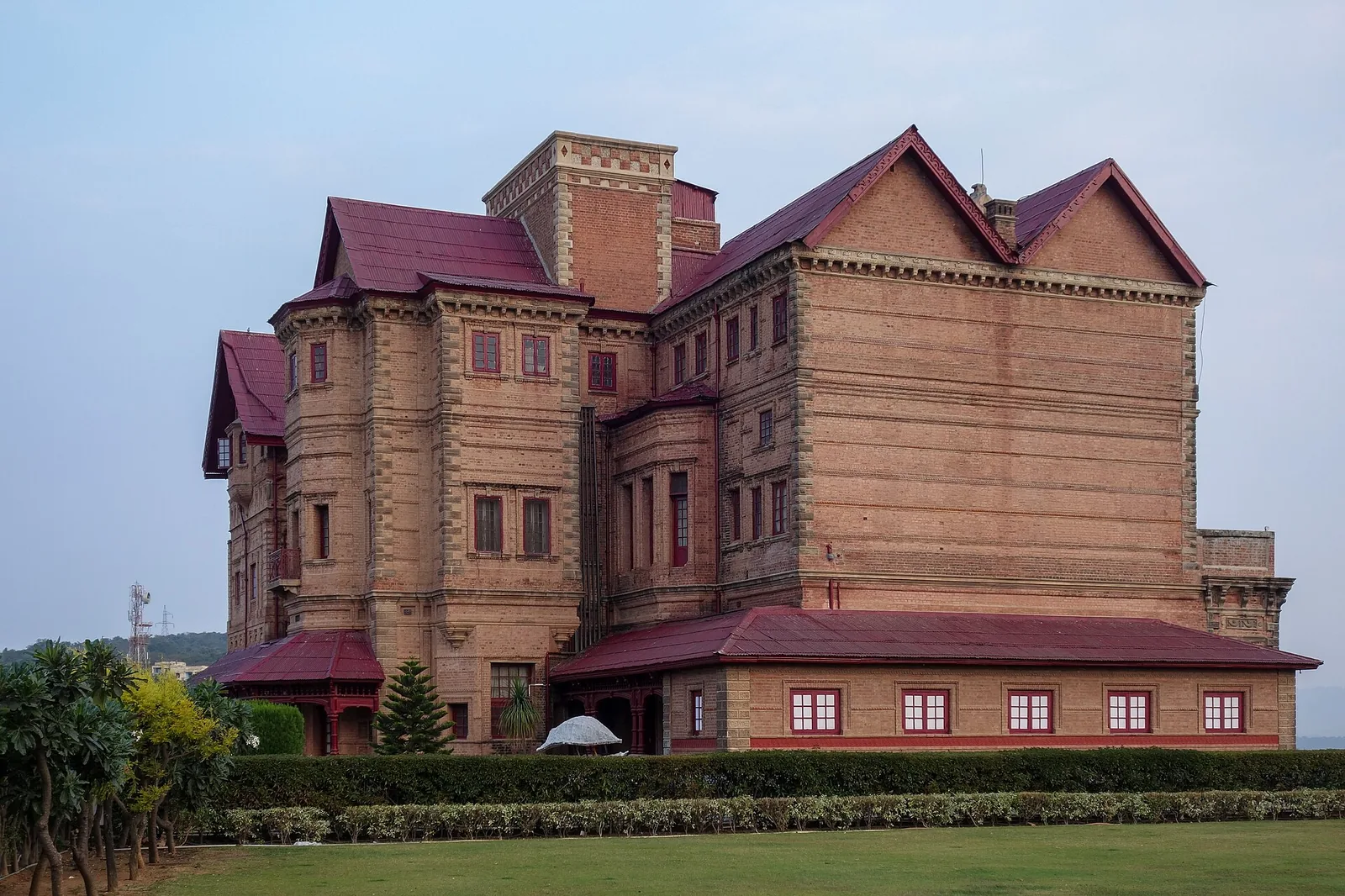 Amar Mahal Palace — French Chateau Red Sandstone Royal Museum in Jammu
4. Mubarak Mandi Palace Complex & Dogra Art Museum (1824)
Serving as the royal seat of the Dogra dynasty until 1925, Mubarak Mandi is a grand royal palace complex perched on a hill overlooking the old town. The complex blends Rajasthani, Mughal, and European Baroque architecture, housing the *Sheesh Mahal (Palace of Mirrors)* and the *Dogra Art Museum*, home to over 800 rare miniature paintings, medieval armory, and gold bordered manuscripts.
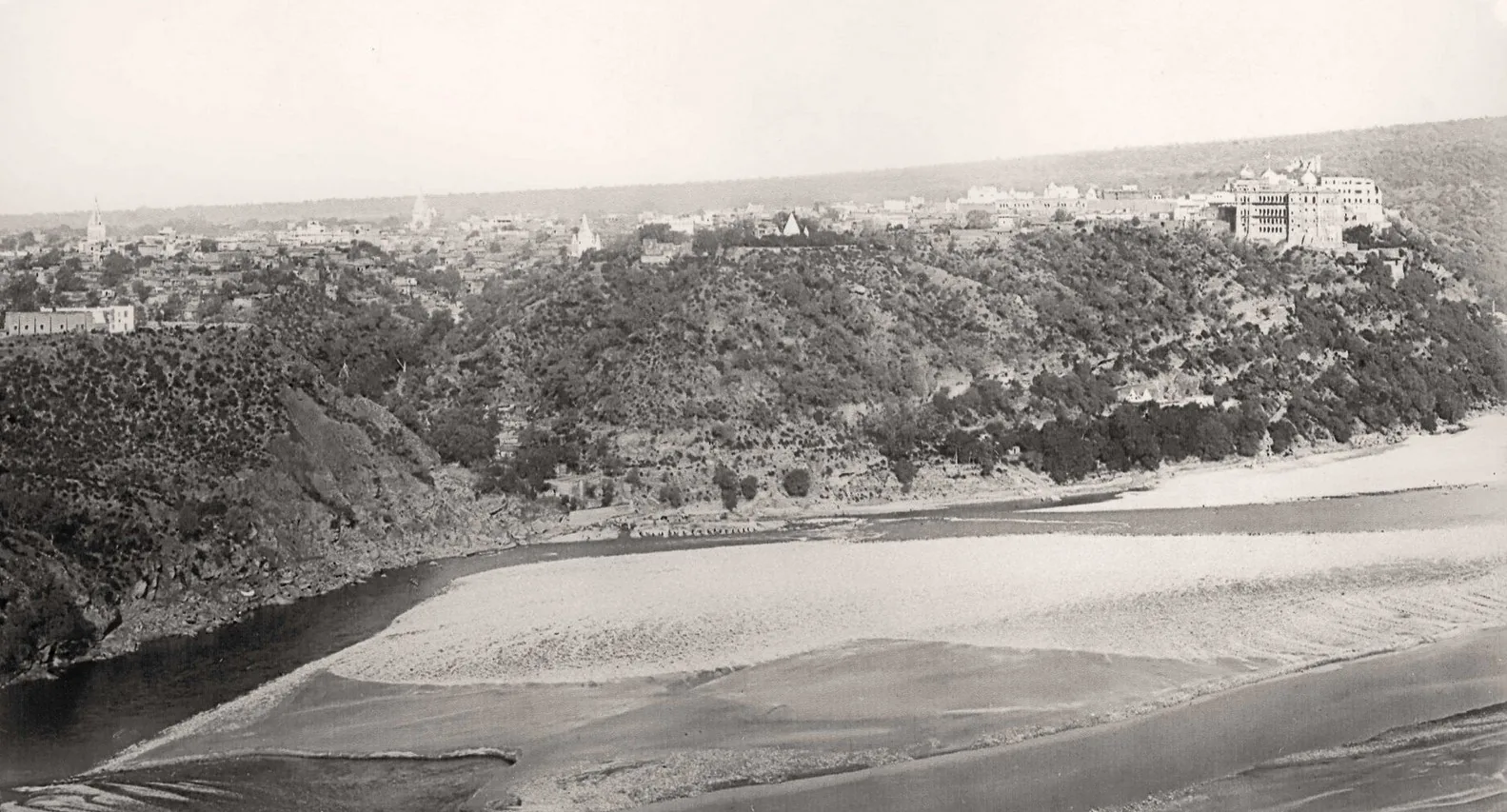 Mubarak Mandi Palace — Historic Royal Seat of the Dogra Kings Overlooking Jammu
5. Bagh-e-Bahu Terraced Mughal Gardens & Tawi River Cable Car Ropeway
Surrounding the historic Bahu Fort, Bagh-e-Bahu is a terraced Mughal style garden with lush lawns, flowerbeds, ornamental fountains, and an underground marine aquarium. A modern passenger cable car ropeway connects Bagh-e-Bahu across the Tawi River to Mahamaya Temple forest ridge.
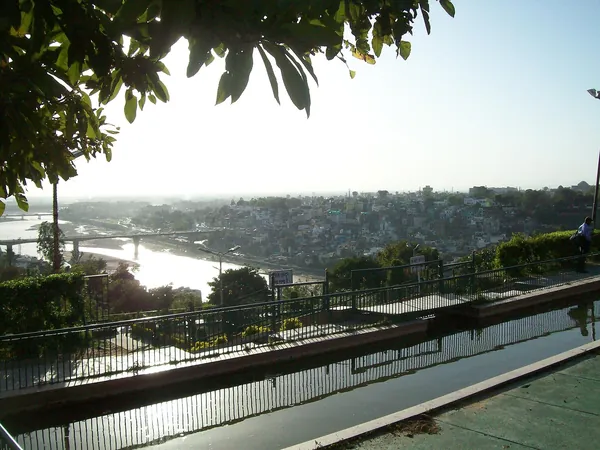
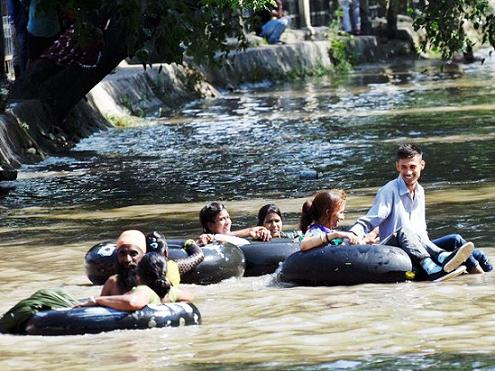
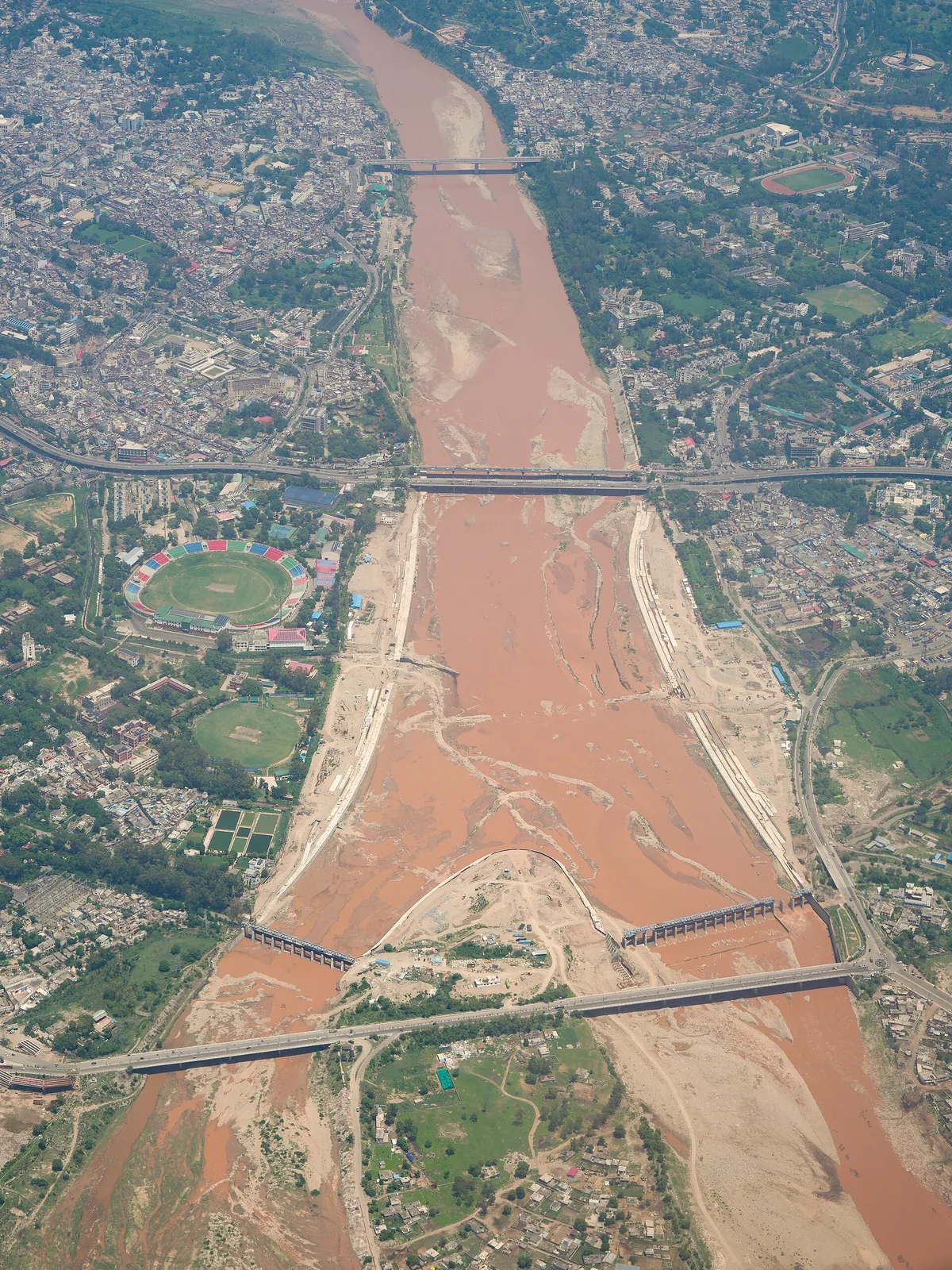 Tawi River Bridges — The Sacred Lifeline Flowing Through Jammu City
6. Ranbireshwar Temple & 8-Foot Black Stone Shiva Lingam (1883)
Built in 1883 by Maharaja Ranbir Singh, this is one of North India's largest Shiva temples, housing a towering 8-foot-high monolithic black stone *Shiva Lingam* and galleries lined with over 1.25 lakh small natural *Narmadeshwar* crystal lingams.
7. Peer Kho Cave Temple & Ancient Jamwant Meditation Cavern (Tawi Banks)
Nestled inside an ancient natural limestone cave along the Circular Road on the Tawi River banks, this revered temple is believed to be the subterranean meditation cave of Jamwant (the bear king from the Ramayana).
8. Mansar Lake & Sacred Sheshnag Wildlife Sanctuary (62 km)
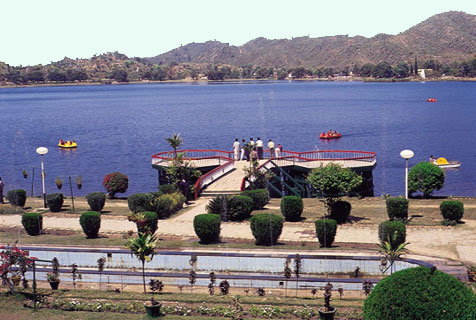
A serene natural lake 62 km east of Jammu ringed by pine forests and ancient temples dedicated to Sheshnag (the serpent deity), popular for boating and turtle feeding.
9. Surinsar Lake & Serene Lotus Water Garden (42 km)
Located 42 km from Jammu, this tranquil lake is legendary for its floating lotus pads, dense mangrove forests, and peaceful birdwatching spots.
Popular Hotels in Jammu
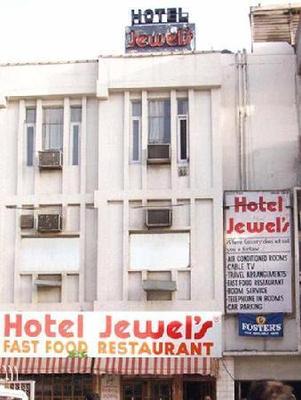 Hotel
Hotel
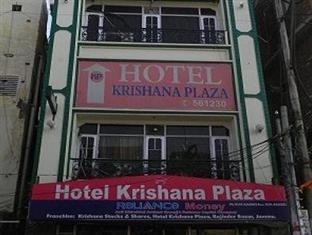 Hotel
Hotel
 Hotel
Hotel
 Hotel
Hotel
 Hotel
Hotel
 Hotel
Hotel
 Hotel
Hotel
 Hotel
Hotel
 Hotel
Hotel
 Hotel
Hotel
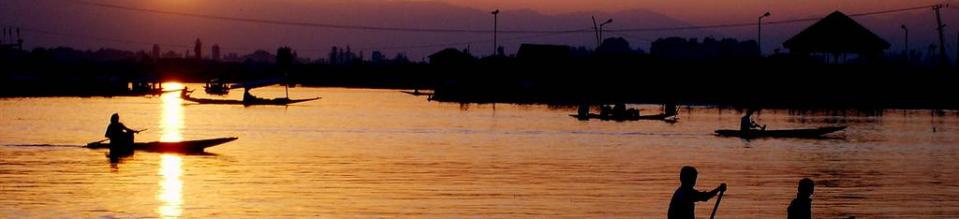
Top Places to Visit in Jammu
Jammu Photo Gallery & Attractions
Explore high-resolution photographs of iconic temples, historical monuments, and scenic landmarks in Jammu.
Plan Your Jammu Trip Now
Get the best verified hotel deals and customized tour packages. Book directly on EarthTrip and save up to 45%!