- .
- info@earthtrip.in
-
INR
-
USD
INR
USD
Coringa Wildlife Sanctuary spreads across the Godavari estuary near Kakinada, where India's second largest river meets the Bay of Bengal. Covering 235.7 sq...
Coringa Wildlife Sanctuary spreads across the Godavari estuary near Kakinada, where India's second largest river meets the Bay of Bengal. Covering 235.7 square kilometers, it holds the country's third largest mangrove stretch, behind only the Sundarbans and Bhitarkanika. And unlike those two, you can boat straight into its green tunnels any morning.
The sanctuary came into being on 5 July 1978 under the Andhra Pradesh Forest Department. Since then it has grown into one of coastal Andhra's most rewarding nature escapes, part nursery for fish, part bird airport, and part crocodile country.
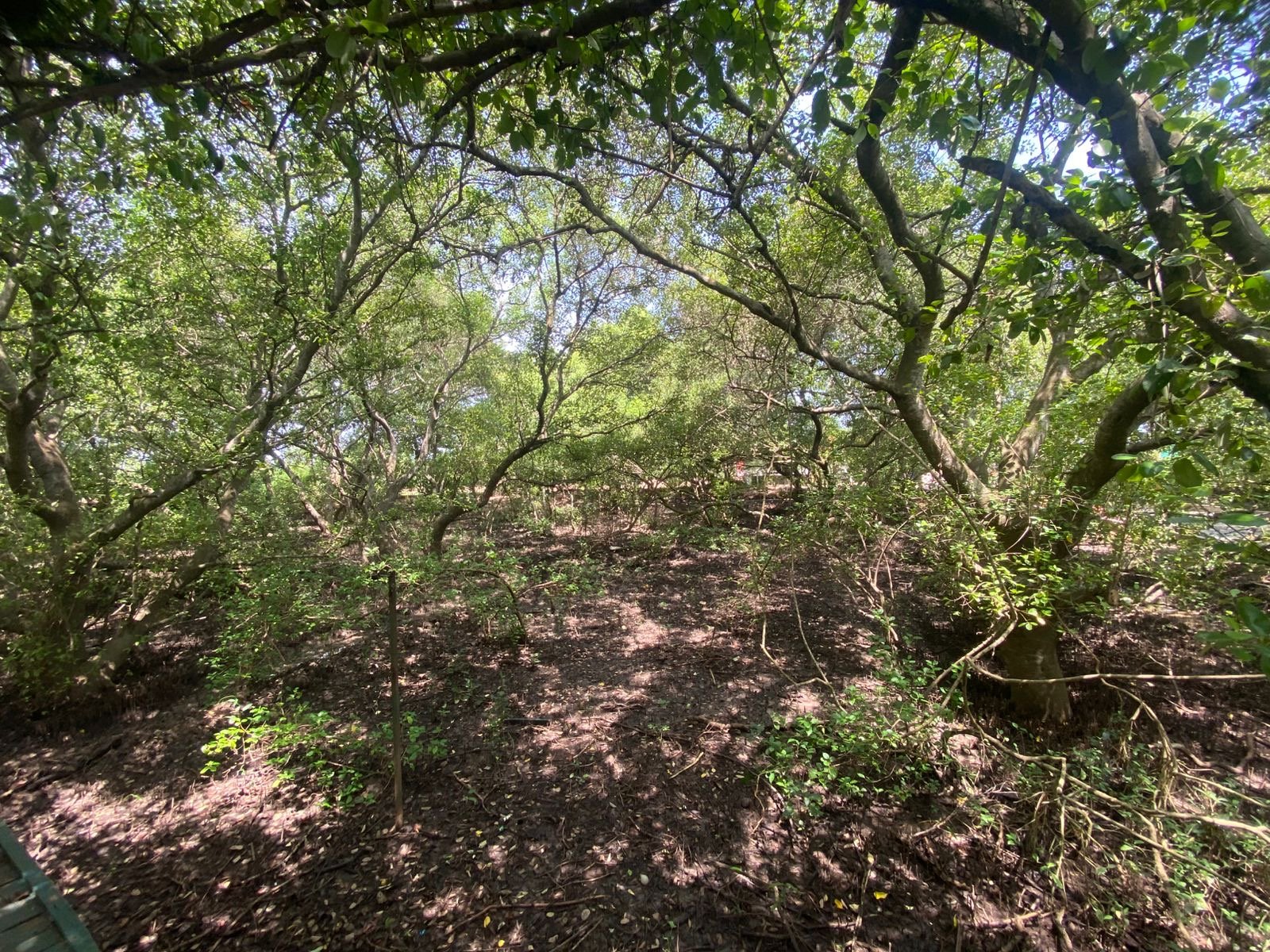
Mangroves here stand on stilts. Their tangled prop roots lift the trees above tidal water that floods the forest twice a day. Those roots trap sediment, slow storms, and shelter baby fish by the million. Local fishermen will tell you the sea's wealth starts in these creeks.
Twenty four mangrove tree species grow here. That variety matters because each species feeds a different web of crabs, mollusks, and birds. Add more than 120 recorded bird species and you get one dense, noisy ecosystem.
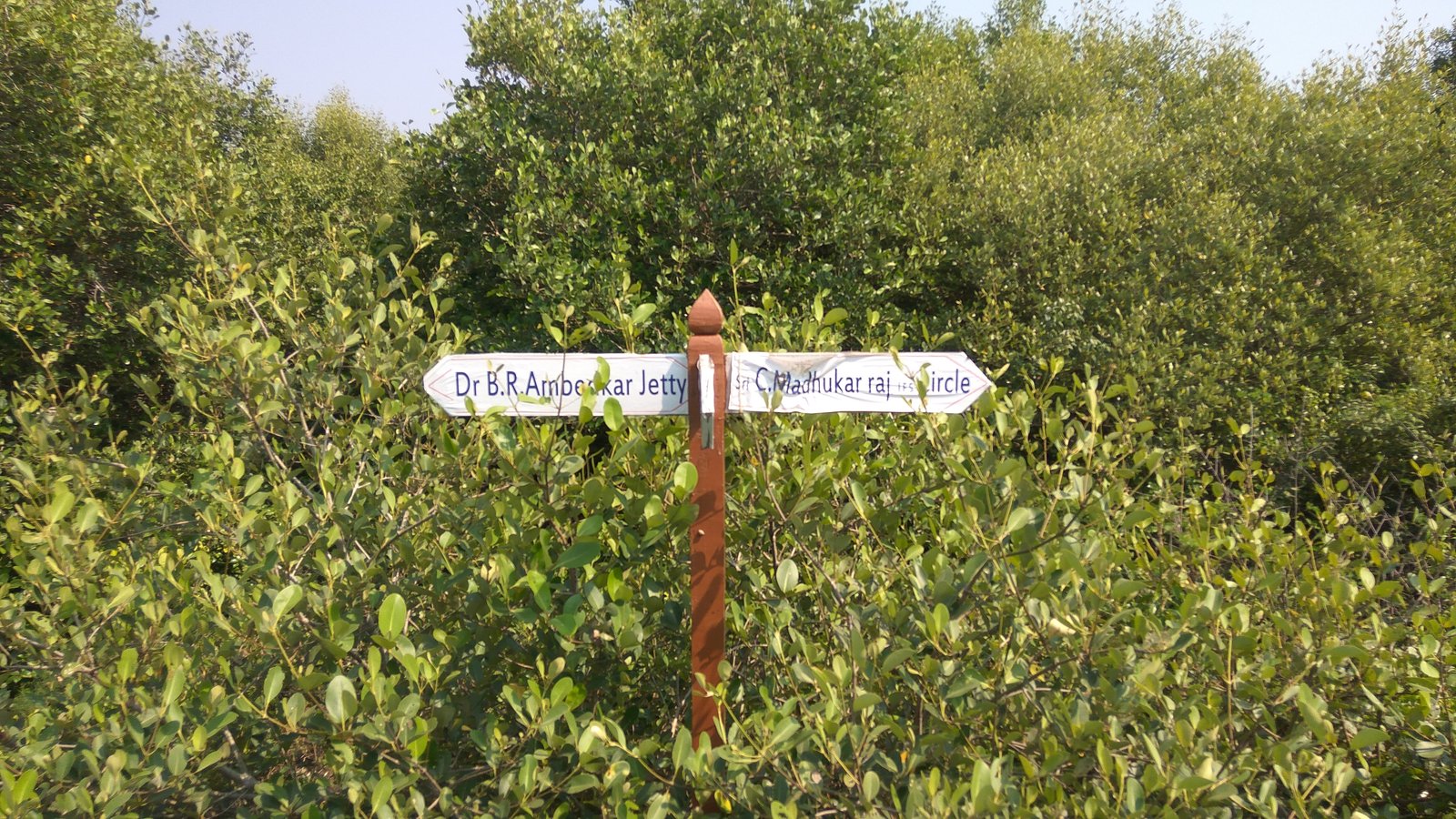
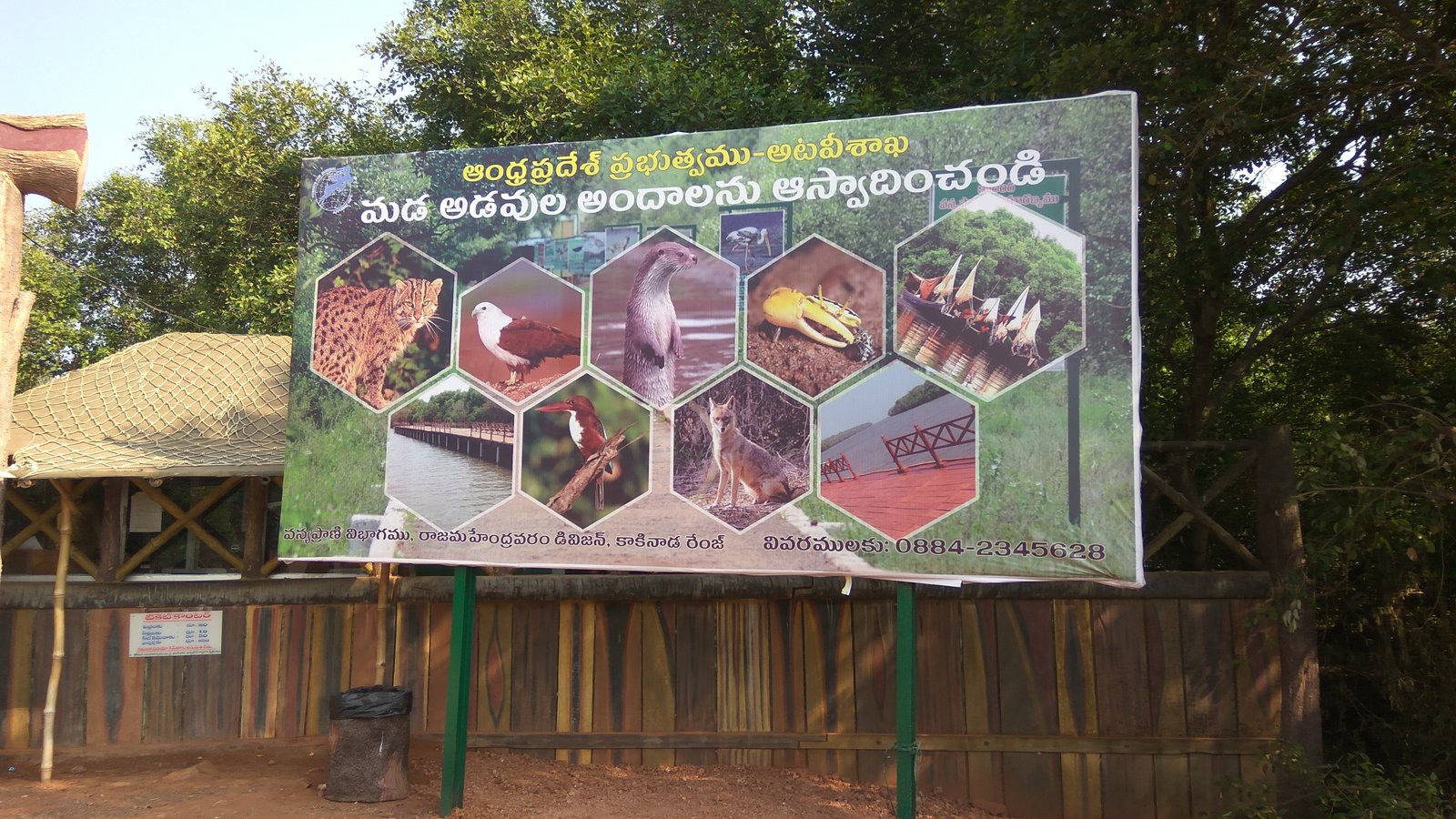
The star is the fishing cat, a stocky, water loving feline that most visitors never see and everybody hopes to. Coringa celebrates it with a sculpture of Macha, the sanctuary's famous fishing cat, at the entrance. Otters patrol the deeper channels too, though their numbers have suffered from poaching over the decades.
Saltwater crocodiles once vanished from these waters, then returned through a Forest Department reintroduction program started back in the late seventies. Sightings happen on quiet creek bends, usually just eyes and snout above water. Keep your hands inside the boat. Seriously.
Birdlife steals the show from October to March. Painted storks, open billed storks, egrets, herons, flamingos further out on the mudflats, and both the critically endangered white backed and long billed vultures somewhere in the canopy above. Bring binoculars or regret it later.
Take the boat safari. Motorized boats run from the Kakinada side into the creek network, gliding under arches of mangrove roots. Morning slots offer calmer water and active birds.
Walk the wooden boardwalk. An elevated walkway carries you dry shod into the forest interior. Look down for mudskippers, fiddler crabs, and kingfishers using the roots as perches.
Climb the watchtower. The viewing tower opens up the whole estuary panorama, Godavari channels braiding toward Hope Island's sandspit offshore.
Visit Hope Island. This natural sandbar shelters Kakinada port from cyclones and forms part of the sanctuary's seascape. Boats combine the island with mangrove circuits on fuller trips.
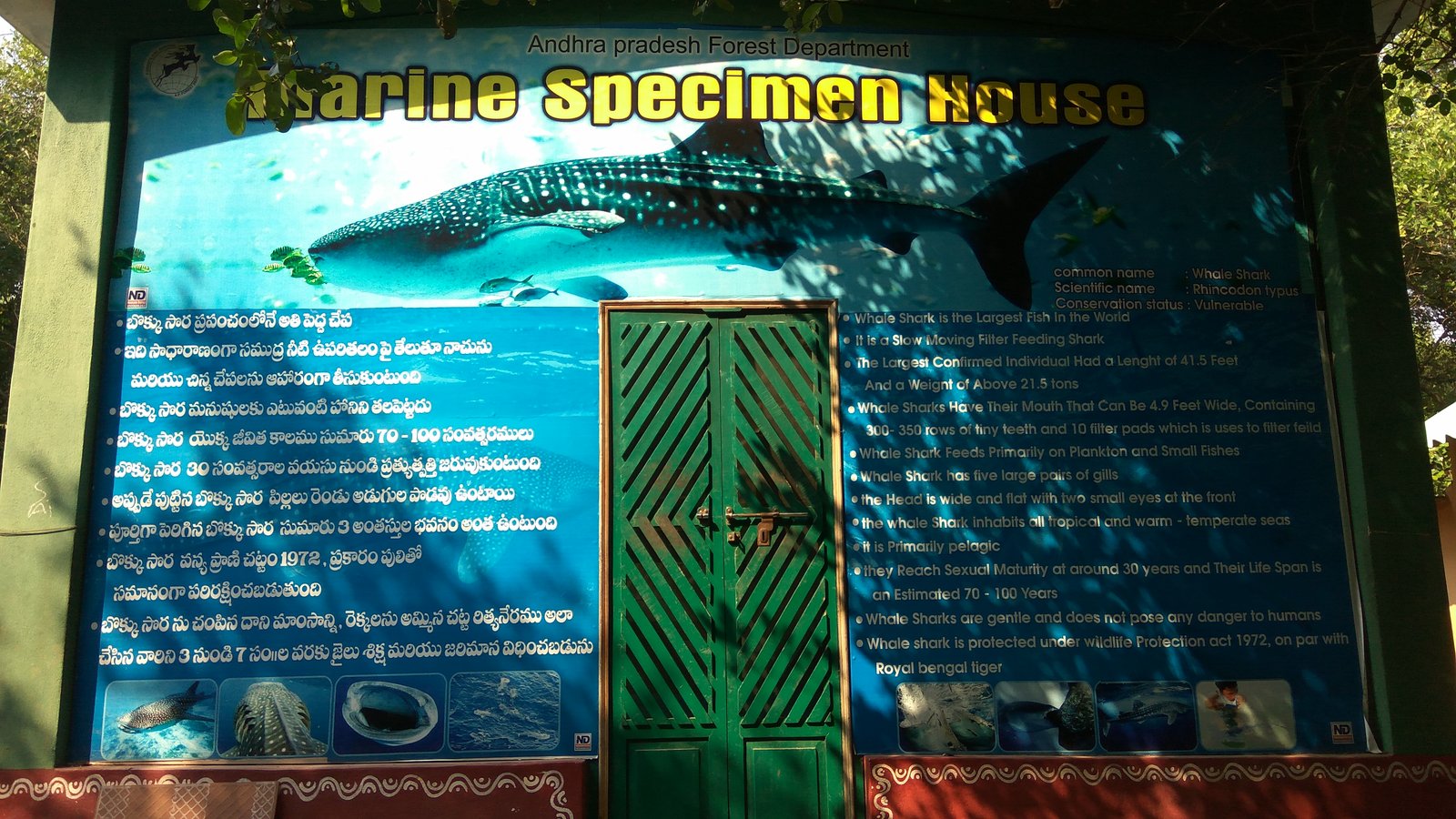
Start early from Kakinada, reach the sanctuary gate by 9 AM when it opens. Do the boardwalk first while the light is soft and crabs are busy. By 10:30, hop onto a boat for the creek circuit.
Lunch back in Kakinada, famous across Andhra for its seafood. Prawn curry here is a religion. Afternoon suits the watchtower and a slow drive along the Yanam Kakinada road, watching the delta villages go by.
Kakinada's kaja sweet travels well, so buy a box for the road. Around Ramachandrapuram and Amalapuram, roadside stalls sell fresh coconut water and hot mirchi bajji that pairs perfectly with estuary breezes.
The delta runs on aquaculture and rice. Fish ponds flash between paddy fields everywhere you look. It's flat, green country, best enjoyed slowly on a two wheeler with no particular schedule.
Coringa faces real pressure. Fuelwood cutting, aquaculture expansion, and fishing have squ
Coringa is one of the easiest sanctuaries in India to reach:
Plan the wider circuit with our guides to Kakinada, Rajahmundry, and Amalapuram.
Best Time to Visit:
Festivals Nearby:
Open 9:00 AM to 5:00 PM daily with entry and boat ride tickets at the counter. More seasonal ideas across Andhra Pradesh.
 ★★★★ Hotel
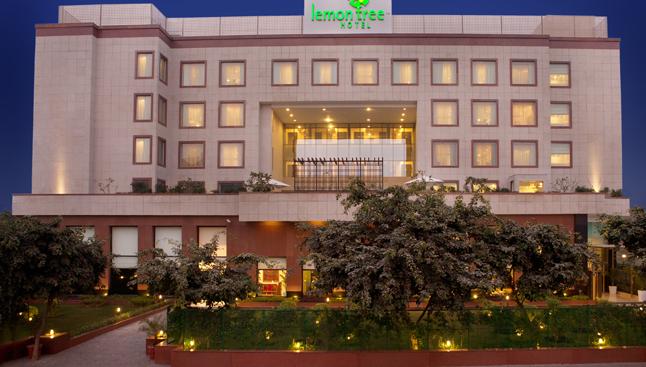
Lemon Tree Premier, Leisure Valley, located in the City Center (north) of Gurgaon (Sector …
View Hotel Details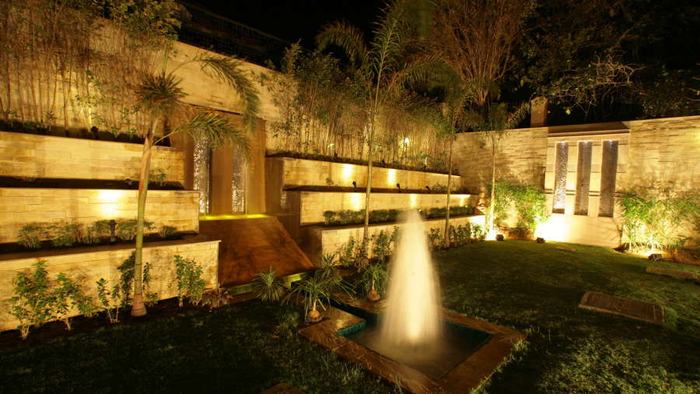 ★★★★ Hotel
jüSTa, Gurgaon - is a small luxury hotel located in the central business district of Gu…
View Hotel Details ★★★★ Hotel
Fortune Select Excalibur is an elegant, upscale, full-service business hotel featuring a c…
View Hotel Details ★★★★ Hotel
Fortune Select Global is a contemporary first class, full service business hotel catering …
View Hotel Details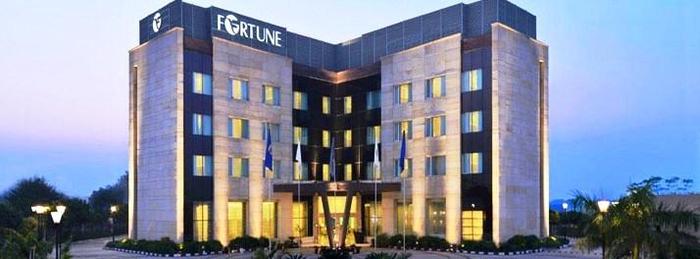 ★★★★ Hotel
Fortune Park Orange is an upscale, contemporary full service hotel with a strategic locati…
View Hotel Details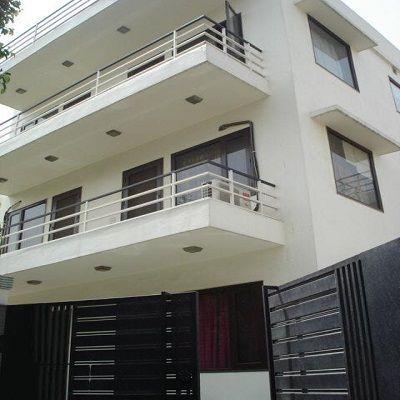 ★★ Hotel
Laxmi Villa give leading priority to offering comfort to its visitors and travelers. We, …
View Hotel Details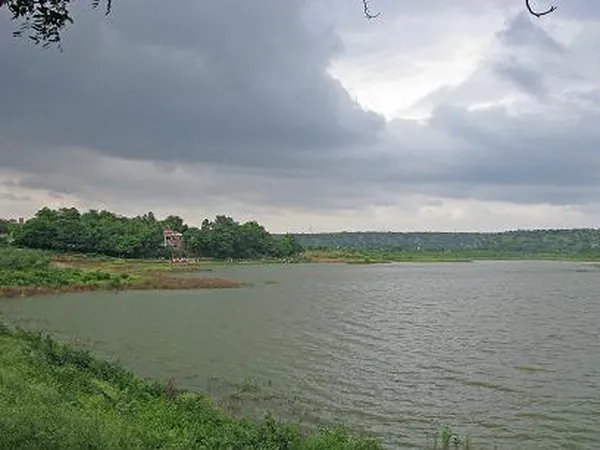 Attraction
Damdama Lake (the sprawling 3,000 acre natural water reservoir, premier Aravalli outdoor g…
Explore Damdama Lake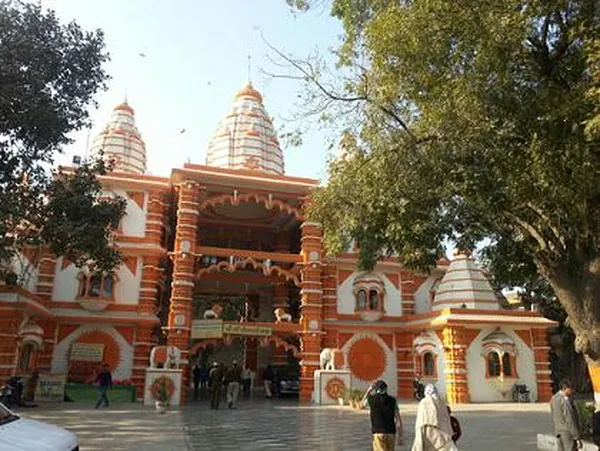 Attraction
Shri Mata Sheetla Devi Temple (the centuries old Shakti pilgrimage shrine and guardian mot…
Explore Sheetala Devi Temple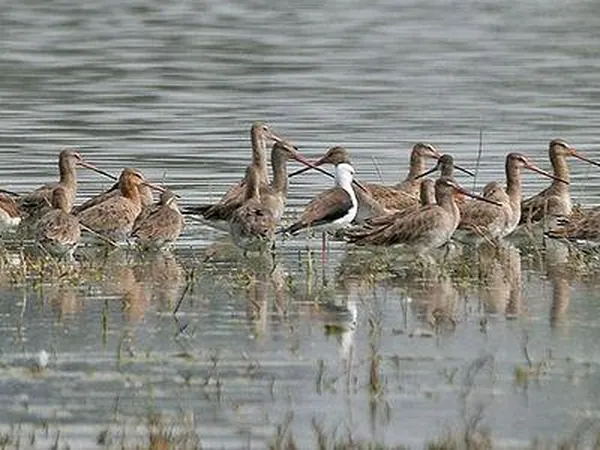 Attraction
Sultanpur Bird Sanctuary (the celebrated Sultanpur National Park, Ramsar designated wetlan…
Explore Sultanpur Bird Sanctuary Attraction
Devi Art Foundation (the premier non profit contemporary art institution and private colle…
Explore Devi Art Foundation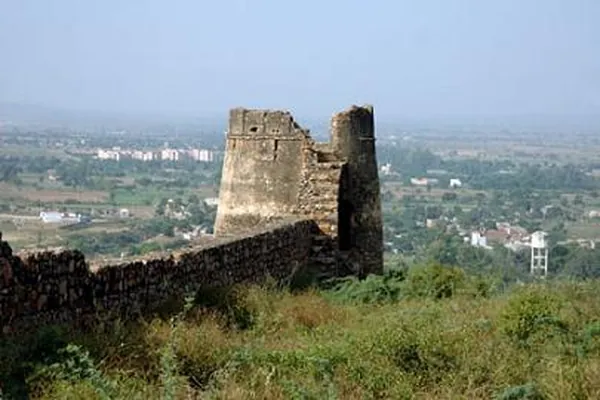 Attraction
Sohna (the historic geothermal spa town, sacred sulfur spring sanctuary, and scenic Araval…
Explore Sohna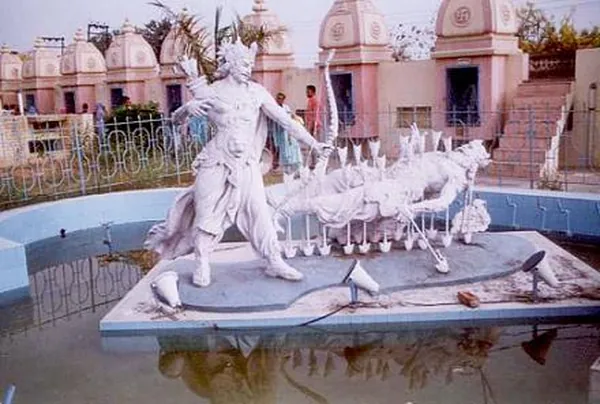 Attraction
Kurukshetra (the legendary Dharmakshetra battlefield of the Mahabharata and eternal birthp…
Explore Kurukshetra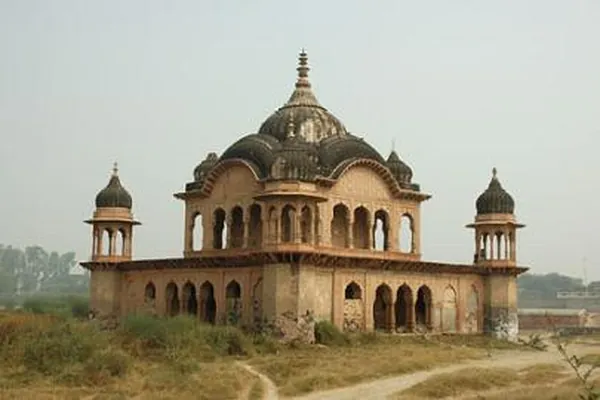 Attraction
Nuh (the historic administrative capital of the Mewat region, legendary home of vibrating …
Explore Nuh Entertainment
Live entertainment and leisure destination. One of the top Entertainment tourist attractio…
Explore Kingdom of DreamsExplore high-resolution photographs of iconic landmarks, temples, and scenic spots in Gurgaon.
Essential visitor information regarding timings, entry tickets, location, nearby attractions, and travel guide in Gurgaon.
It lies in the Godavari estuary near Kakinada in Andhra Pradesh, about 20 km from Kakinada town on the Yanam road, covering 235.7 square kilometers of mangrove forest.
Fishing cats, smooth coated otters, saltwater crocodiles, jackals, and over 120 bird species including painted storks and critically endangered vultures live here.
October to March is ideal. Migratory birds peak, weather stays comfortable between 20 and 30 degrees, and boat safaris run on calm waters.
Yes, motorized boat safaris run from 9 AM to 5 PM daily through the mangrove creeks. Tickets are sold at the sanctuary counter, with charges depending on boat type.
Rajahmundry is around 65 km away, about two hours by road via Kakinada. Trains stop at Samarlakota or Kakinada Town, then a taxi covers the final 20 km stretch.
Get a customized itinerary and the best deals on packages and hotels.
Enquire Now