- .
- info@earthtrip.in
-
INR
-
USD
INR
USD
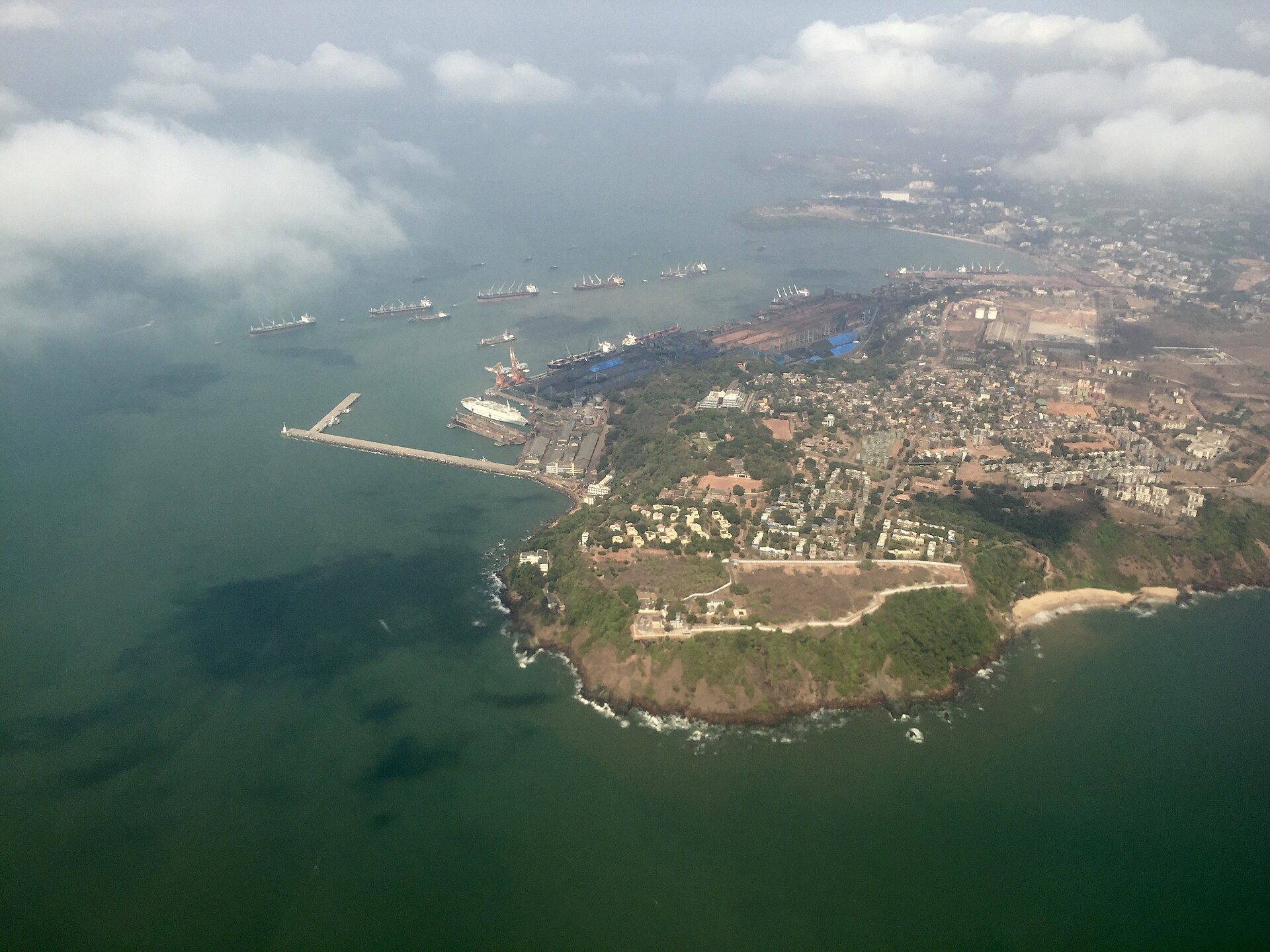
Cabo de Rama Fort, crowning a dramatic rocky promontory jutting boldly into the Arabian Sea in Canacona taluka of South Goa in Goa, is one of Goa's oldest,...
Cabo de Rama Fort, crowning a dramatic rocky promontory jutting boldly into the Arabian Sea in Canacona taluka of South Goa in Goa, is one of Goa's oldest, most expansive, and romantically evocative clifftop maritime citadels.
Named in honor of Lord Rama who, according to epic Hindu lore, took refuge here with Goddess Sita and Lakshmana during their 14 year exile, this 93 acre fortress was originally held by Hindu Soonda Rajas before being acquired and heavily refortified by the Portuguese in 1763 AD with 21 naval cannons, defensive ramparts, and a moated drawbridge.
It's the home of ancient laterite stone battlements looking out across endless azure ocean horizons, the charming whitewashed 18th century Church of St. Anthony standing peacefully inside the ramparts, panoramic views of the Sal River estuary, and dramatic cliff paths leading down to the secluded palm lined cove of Cabo de Rama Beach.
It represents a rich coastal bastion where Ramayana mythology, Portuguese colonial naval defense, untamed coastal geology, and striking sunset panoramas unite in southern Goa.
Located along the scenic coastal cliff road in Canacona, it sits 16 km north of Agonda Beach, 28 km south of Margao (Madgaon Railway Station, MAO), and 55 km from Goa International Airport (Dabolim, GOI), easily accessible by rented scooter, cab, or car.
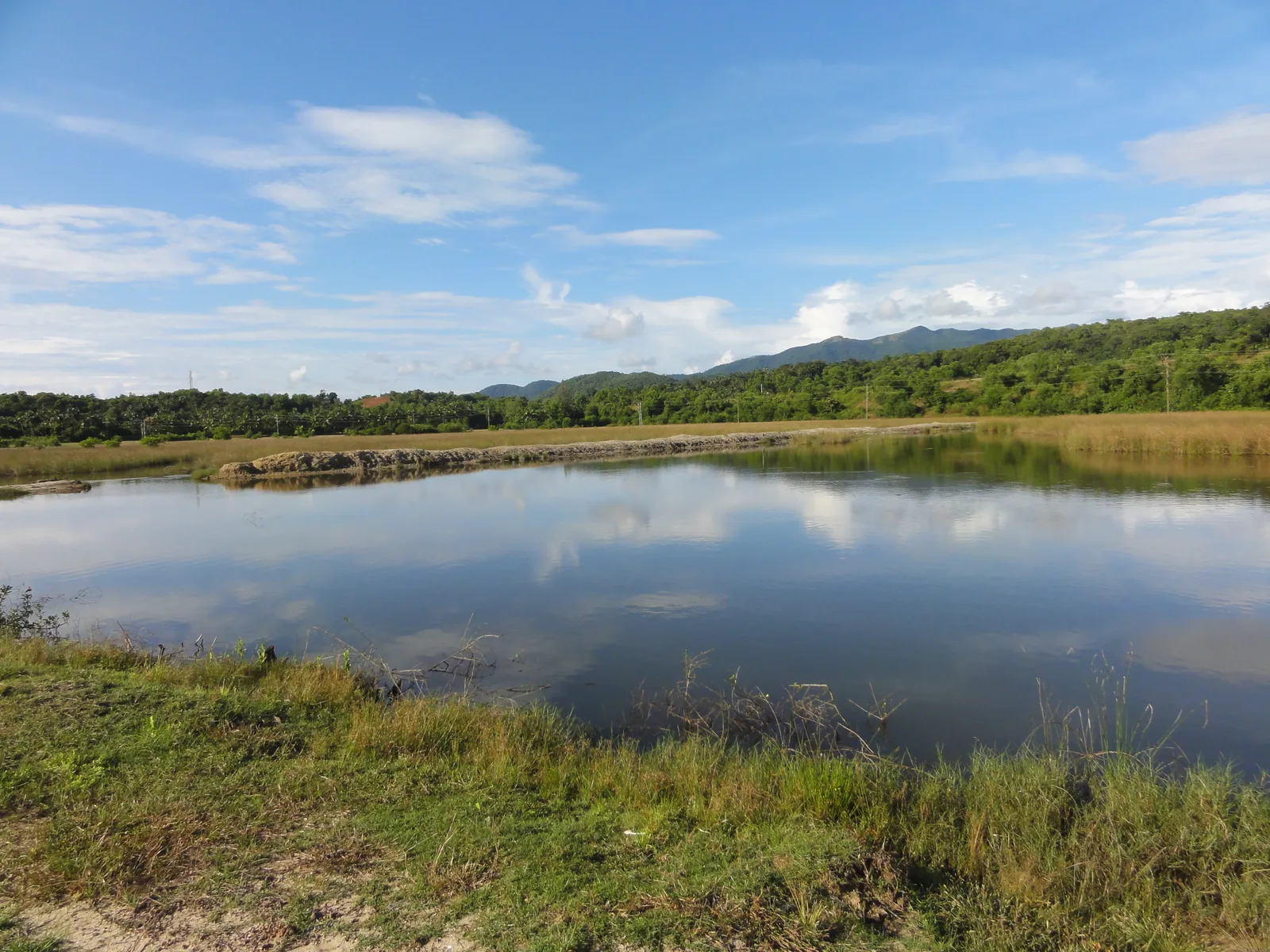
Long before European sailors mapped the Malabar coastline, local folklore revered this towering headland as a sacred haven visited by Lord Rama during his forest wanderings.
The Hindu rulers of Soonda recognized the natural defensive strength of the sheer sea cliffs, erecting fortified earthen bastions and stone watchtowers to command the maritime trade routes along the mouth of the Sal River.
Truth is, in 1763 AD, the Raja of Soonda formally surrendered the citadel to the Portuguese in return for military protection against the armies of Hyder Ali of Mysore, after which the Portuguese reconstructed it into a formidable coastal garrison.
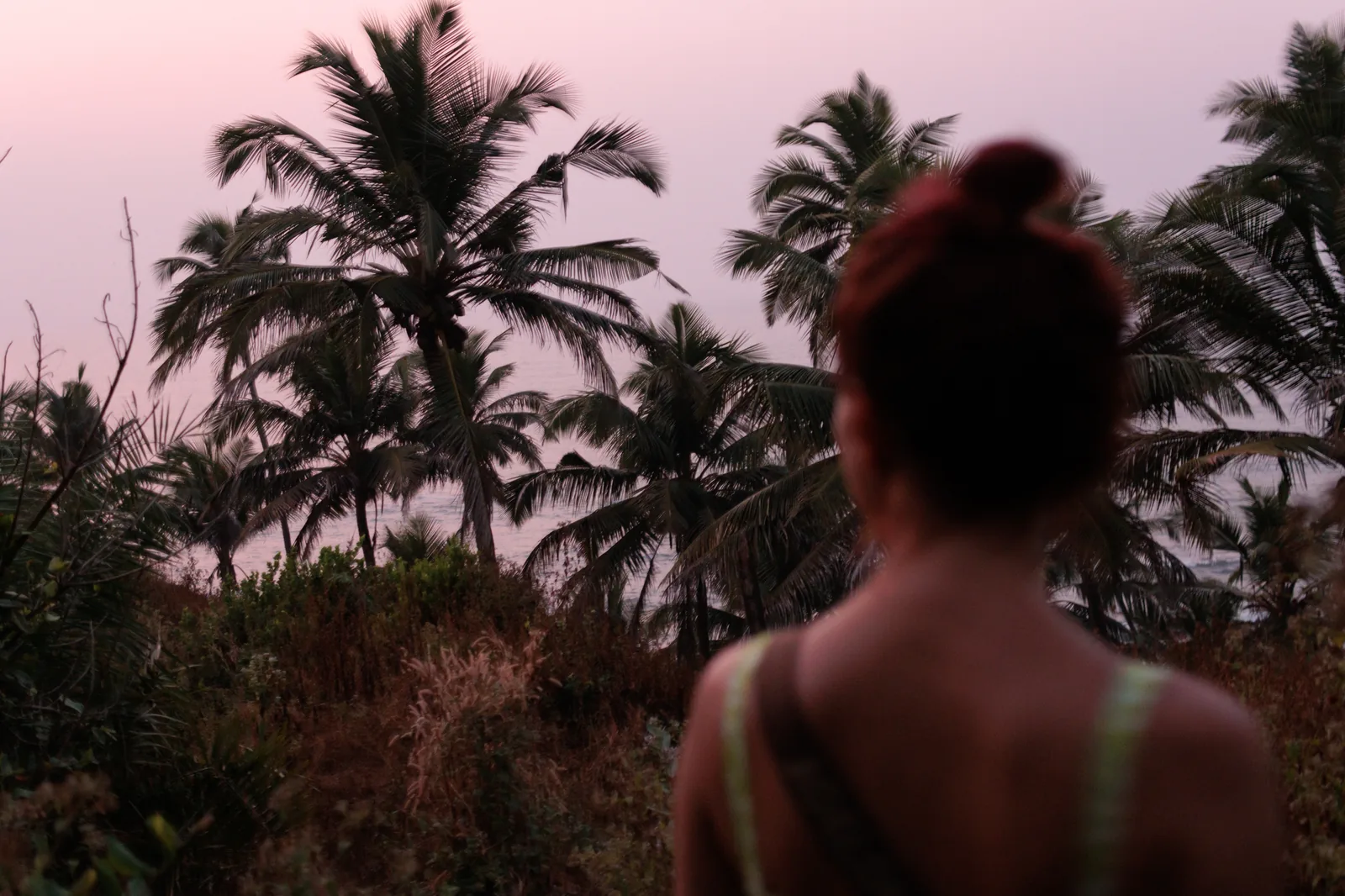
The Portuguese reinforced the 379,000 square-meter complex with deep moats, an iron drawbridge, military barracks, ammunition storehouses, and heavy naval cannons pointing out to sea.
Church of St. Anthony (Santo Antonio): At the center of the fort stands a pristine whitewashed Catholic church built by Portuguese friars in the late 18th century. It remains an active place of worship today, with local Catholic families gathering annually to celebrate the Feast of St. Anthony.

360 Degree Oceanic Panoramas: Walking along the outer perimeter walls provides some of the most dramatic views in India, with sheer 50 meter rocky cliffs dropping straight into turquoise waves where sea eagles soar on ocean thermals.
Cabo de Rama Beach (Coconut Beach): Just below the northern face of the fort lies a striking crescent cove with golden sand, thousands of swaying coconut palms, and a clear freshwater stream flowing into the sea, accessible via a short footpath down the hill.
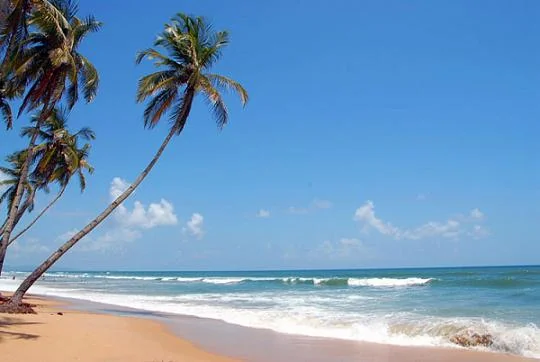
After exploring Cabo de Rama Fort, take a leisurely drive south to enjoy the peaceful sands and dolphin boat rides of Agonda Beach, or visit the nearby secluded lagoon at Cola Beach.
Reaching Cabo de Rama Fort in South Goa is a scenic coastal drive across South Goa in Goa.
Best Time to Visit:
Explore more historic coastal forts and secluded beaches across Goa.
 Honeymoon
 Honeymoon
 Honeymoon
 Honeymoon
 Honeymoon
 Beach
Beach
Agonda Beach, stretching for 3 kilometers of pristine golden sand along the sun kissed coa…
Explore Colva Beach Wildlife
The Tomb of Itimad ud-Daulah, affectionately celebrated worldwide as the "Baby Taj" and th…
Explore Cotigao Wildlife Sanctuary Heritage
Mehtab Bagh, poetically known as the "Moonlight Garden," rests along the northern bank of …
Explore Cabo de Rama Fort Beach
Beach
Dashashwamedh Ghat, resting centrally along the sacred crescent curve of the Holy River Ga…
Explore Agonda BeachExplore high-resolution photographs of iconic landmarks, temples, and scenic spots in South Goa.
Essential visitor information regarding timings, entry tickets, location, nearby attractions, and travel guide in South Goa.
Cabo de Rama Fort is a historic 93-acre clifftop fortress in Canacona, famous for Ramayana legends of Lord Rama's exile, Portuguese naval history, St. Anthony's Church, and 360-degree ocean views.
Cabo de Rama Fort is a historic 93-acre clifftop fortress in Canacona, famous for Ramayana legends of Lord Rama's exile, Portuguese naval history, St. Anthony's Church, and 360-degree ocean views.
In Portuguese, 'Cabo de Rama' means Cape of Rama, named after the Hindu epic Ramayana legend that Lord Rama, Sita, and Lakshmana took shelter on this promontory during their 14-year exile.
In Portuguese, 'Cabo de Rama' means Cape of Rama, named after the Hindu epic Ramayana legend that Lord Rama, Sita, and Lakshmana took shelter on this promontory during their 14-year exile.
Inside the fort walls, you will find the 18th-century whitewashed Church of St. Anthony, ancient Portuguese barracks, rusted cannons, deep defensive moats, and pathways to Cabo de Rama Beach.
Inside the fort walls, you will find the 18th-century whitewashed Church of St. Anthony, ancient Portuguese barracks, rusted cannons, deep defensive moats, and pathways to Cabo de Rama Beach.
Cabo de Rama Fort is open daily from 9:00 AM to 5:30 PM. Entry to the fort is completely free.
Cabo de Rama Fort is open daily from 9:00 AM to 5:30 PM. Entry to the fort is completely free.
The fort is located 16 km north of Agonda Beach (approx 25 mins drive) and 28 km south of Margao (approx 45 mins drive via scenic coastal roads).
The fort is located 16 km north of Agonda Beach (approx 25 mins drive) and 28 km south of Margao (approx 45 mins drive via scenic coastal roads).
Get a customized itinerary and the best deals on packages and hotels.
Enquire Now
Beach
Wildlife
Heritage
Beach