- .
- info@earthtrip.in
-
INR
-
USD
INR
USD
The Tomb of Itimad ud-Daulah, affectionately celebrated worldwide as the "Baby Taj" and the "Jewel Box" of Agra, rests along the eastern bank of the Yamuna...
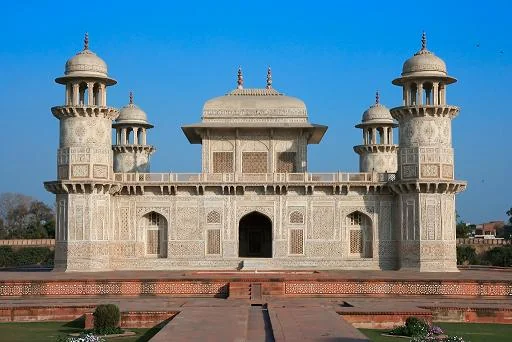
The Tomb of Itimad ud-Daulah, affectionately celebrated worldwide as the "Baby Taj" and the "Jewel Box" of Agra, rests along the eastern bank of the Yamuna River in Agra in Uttar Pradesh, standing as one of the most exquisite masterpieces of Mughal funerary art.
Commissioned between 1622 and 1628 AD by Mughal Empress Nur Jahan for her beloved father Mirza Ghiyas Beg (who was honored with the imperial title I'timad ud-Daulah or "Pillar of the State"), this delicate mausoleum marks the revolutionary turning point in Mughal architecture from heavy red sandstone to pure white Makrana marble.
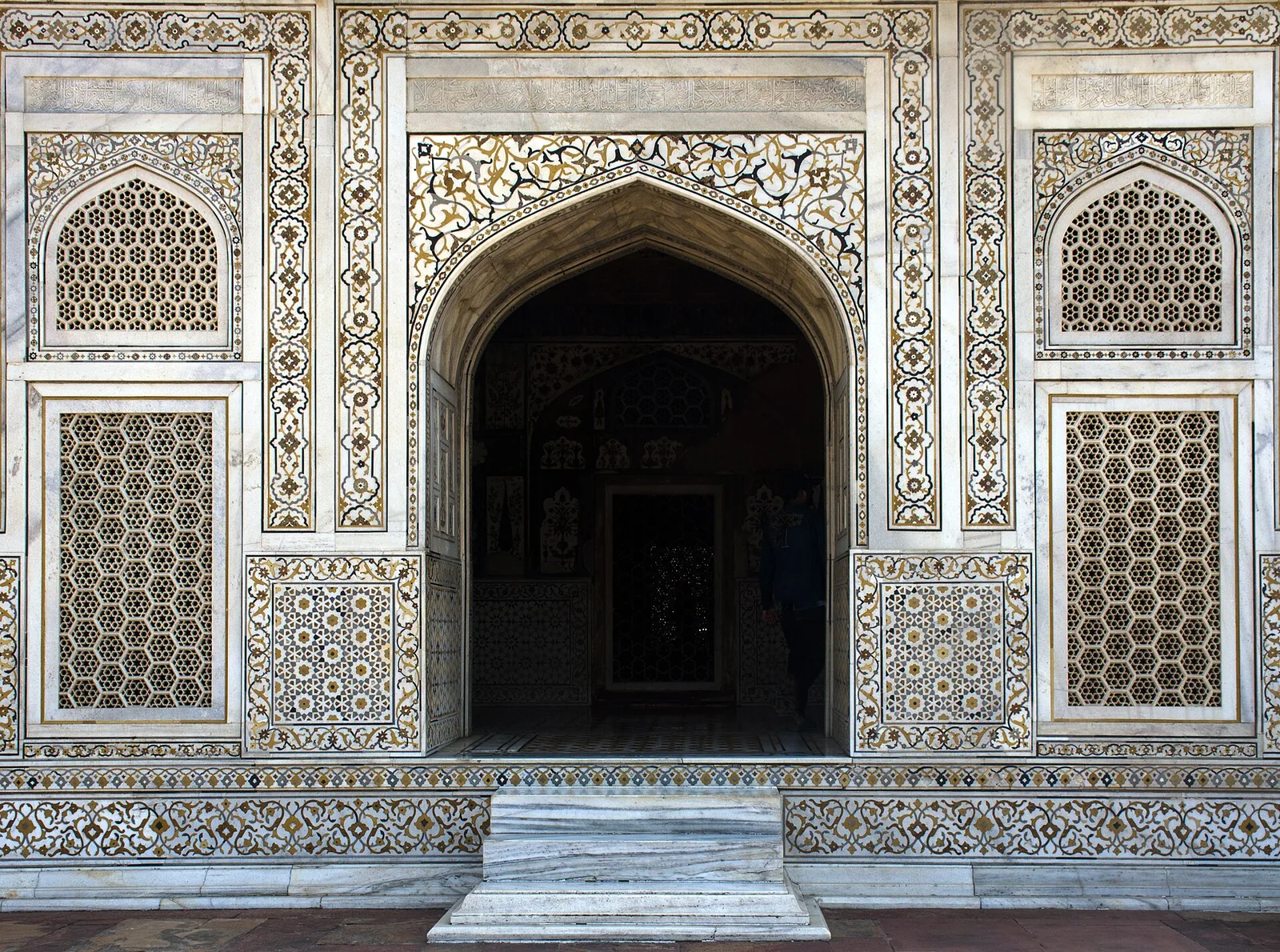
It's the home of the earliest and most intricate Pietra Dura (Parchin Kari) gemstone inlay work in India, four 13 meter hexagonal marble minarets, gossamer fine pierced marble lattice screens (Jalis), Persian cypress tree and wine flask motifs, and the cenotaphs of Nur Jahan's parents set within an octagonal central hall.
It represents a rich artistic pinnacle where Persian poetic aesthetics, delicate feminine architectural patronage, sublime marble stonecraft, and peaceful riverfront Charbagh gardens unite in the city of the Taj.
Located in Moti Bagh on the eastern riverbank, it sits 6 km north of Agra Fort, 9 km from Agra Cantt Railway Station (AGC), and 13 km from Agra Airport (AGR), easily reached by auto, cab, or tour coach.
Mirza Ghiyas Beg was a Persian noble who rose to become Prime Minister under Emperor Jahangir. Following his death in 1622, his powerful daughter Empress Nur Jahan personally designed and funded this grand tribute.
Historical architects widely consider Itimad ud-Daulah as the primary stylistic draft and prototype for the Taj Mahal, which was commissioned by Nur Jahan's nephew and stepson, Shah Jahan, a few years later.
Truth is, while the Taj Mahal is renowned for its colossal scale, Itimad ud-Daulah surpasses it in the microscopic delicacy, painterly subtlety, and intimate beauty of its marble ornamentation.
This tomb was the first monument in the Indian subcontinent to extensively employ the Persian decorative technique of Parchin Kari (Pietra Dura).
Artisans carved precise cavities into white Makrana marble and inlaid precious and semi precious stones: blood red carnelian, deep blue lapis lazuli, jasper, onyx, turquoise, and malachite.
The walls are decorated with enchanting Persian motifs of slender cypress trees intertwined with blooming cherry trees, wine decanters, fruit bowls, bouquets of roses, and intricate geometric arabesques.

Perforated Marble Screens (Jalis): The arched openings of the burial chamber are fitted with intricately carved marble jali screens, allowing soft natural light to illuminate the central yellow marble sarcophagi while casting delicate lace like shadows on the floor.
Riverfront Red Sandstone Gateways: The complex is entered through an impressive red sandstone gateway inlaid with white marble mosaic, situated within a lush quadripartite Persian garden with raised sandstone walkways and water channels leading down to the Yamuna.
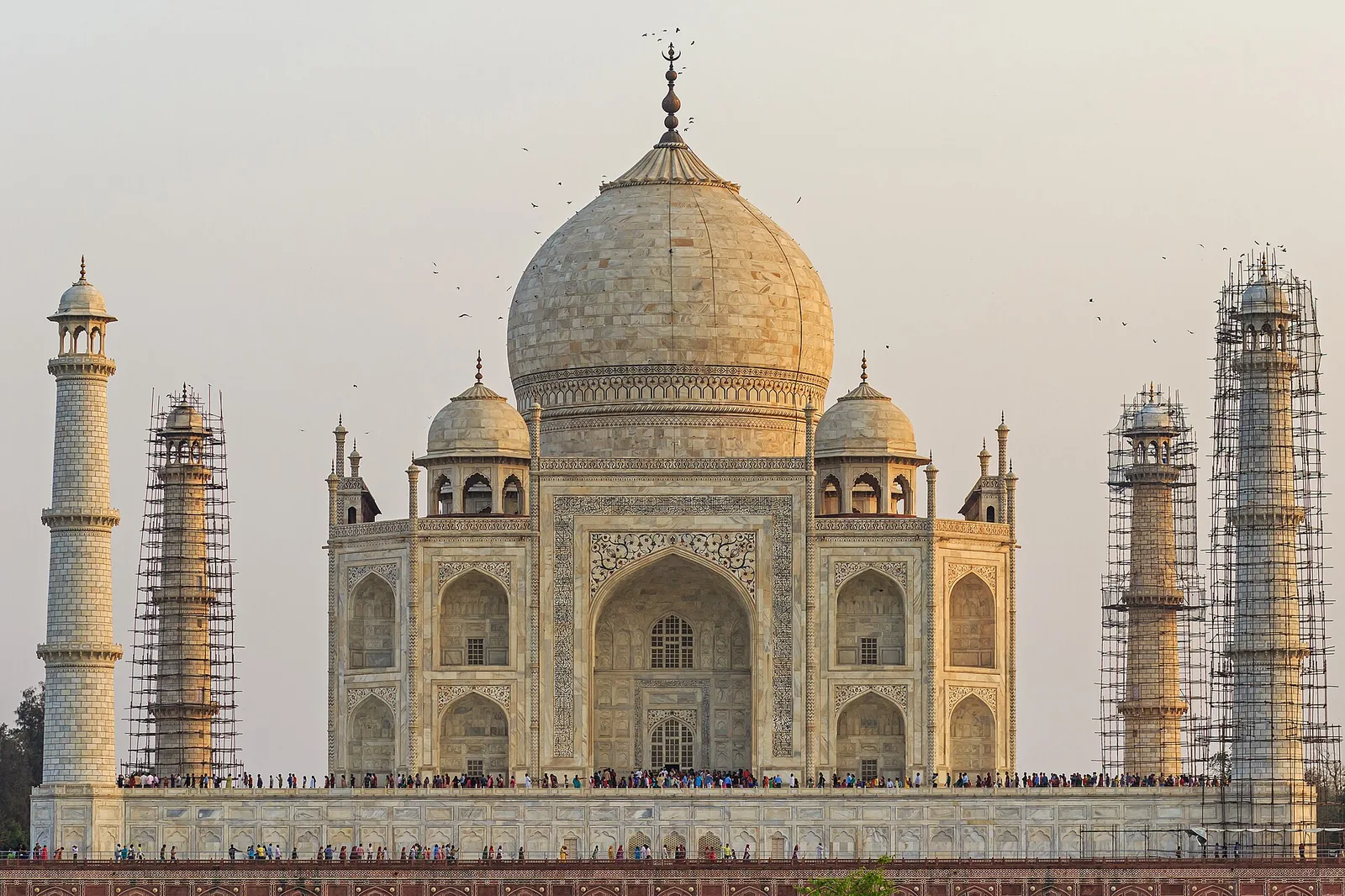
Combine your visit to the Baby Taj with morning tours of the Taj Mahal and Agra Fort, and an evening sunset stroll through the nearby riverside lawns of Mehtab Bagh.
Reaching the Tomb of Itimad ud-Daulah on Agra's eastern riverbank is simple from all transport points across Agra in Uttar Pradesh.
Best Time to Visit:
Explore more world renowned Mughal heritage monuments and royal marble mausoleums across Uttar Pradesh.
 Honeymoon
 Honeymoon
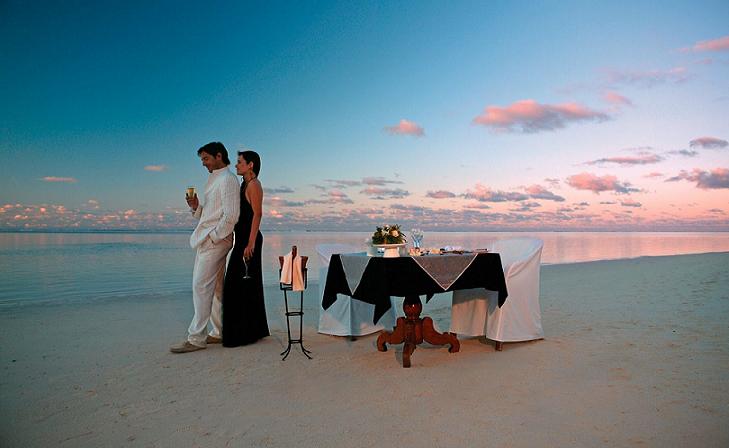 Honeymoon
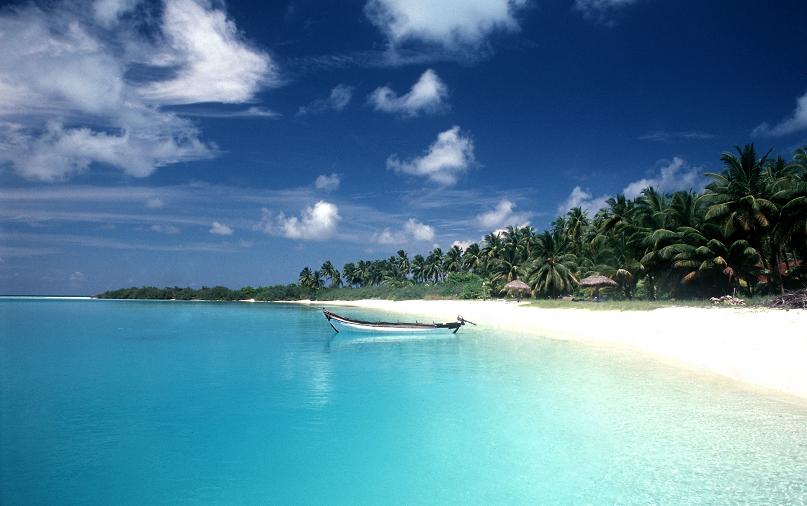 Honeymoon
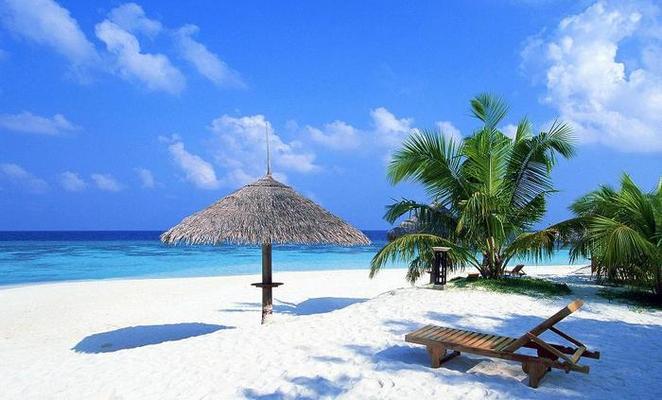 Honeymoon
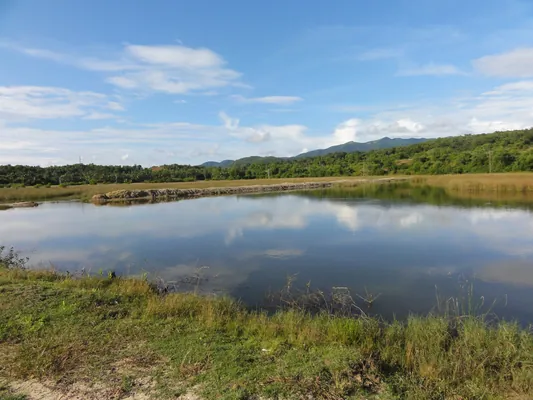 Beach
Beach
Cabo de Rama Fort, crowning a dramatic rocky promontory jutting boldly into the Arabian Se…
Explore Palolem Beach Beach
Beach
Agonda Beach, stretching for 3 kilometers of pristine golden sand along the sun kissed coa…
Explore Colva Beach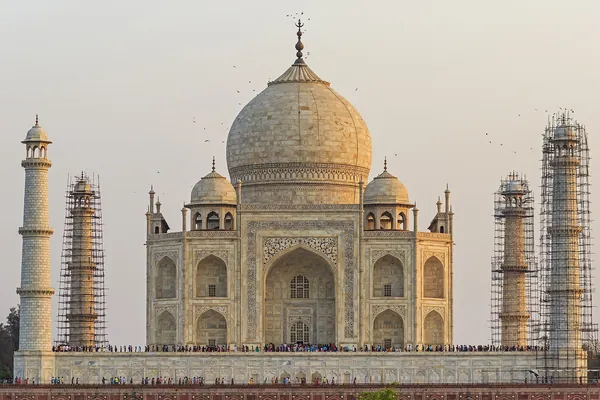 Heritage
Mehtab Bagh, poetically known as the "Moonlight Garden," rests along the northern bank of …
Explore Cabo de Rama Fort Beach
Beach
Dashashwamedh Ghat, resting centrally along the sacred crescent curve of the Holy River Ga…
Explore Agonda BeachExplore high-resolution photographs of iconic landmarks, temples, and scenic spots in South Goa.
Essential visitor information regarding timings, entry tickets, location, nearby attractions, and travel guide in South Goa.
It is called the 'Baby Taj' because its white marble architecture, corner minarets, and intricate Pietra Dura gemstone inlays served as the direct inspiration and prototype for the Taj Mahal.
It is called the 'Baby Taj' because its white marble architecture, corner minarets, and intricate Pietra Dura gemstone inlays served as the direct inspiration and prototype for the Taj Mahal.
It was built between 1622 and 1628 AD by Mughal Empress Nur Jahan as a royal mausoleum for her father, Mirza Ghiyas Beg, who served as Prime Minister under Emperor Jahangir.
It was built between 1622 and 1628 AD by Mughal Empress Nur Jahan as a royal mausoleum for her father, Mirza Ghiyas Beg, who served as Prime Minister under Emperor Jahangir.
It is the first monument in India to feature extensive Pietra Dura (Parchin Kari) inlays, using semi-precious stones like lapis lazuli, carnelian, and turquoise to create Persian wine flasks and floral motifs.
It is the first monument in India to feature extensive Pietra Dura (Parchin Kari) inlays, using semi-precious stones like lapis lazuli, carnelian, and turquoise to create Persian wine flasks and floral motifs.
It is open daily from sunrise to sunset (approx 6:00 AM to 6:30 PM). Entry tickets cost ?30 for Indian tourists and ?310 for foreign visitors (free for children under 15).
It is open daily from sunrise to sunset (approx 6:00 AM to 6:30 PM). Entry tickets cost ?30 for Indian tourists and ?310 for foreign visitors (free for children under 15).
Yes! Itimad-ud-Daulah is open every day of the week, including Fridays when the main Taj Mahal is closed.
Yes! Itimad-ud-Daulah is open every day of the week, including Fridays when the main Taj Mahal is closed.
Get a customized itinerary and the best deals on packages and hotels.
Enquire Now
Beach
Beach
Heritage
Beach