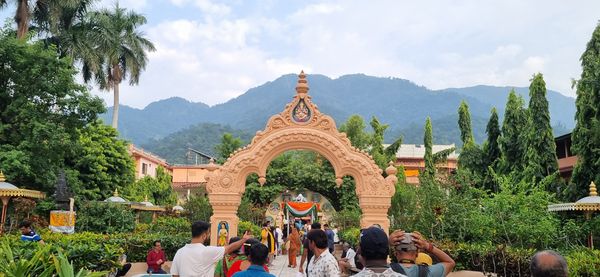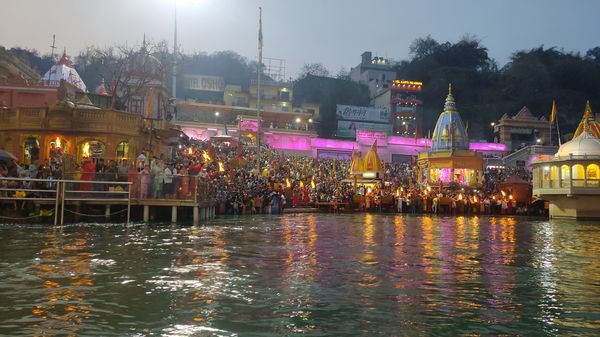
• .
  • info@earthtrip.in
    • INR

    • USD

📍 Uttarakhand, India

Samana Travel Guide: Historic Sufi Shrines & Sikh Heritage
Hotels · Packages · Sightseeing

Scenic view of Mana, Uttarakhand — Historic Destination & Cultural Centre in Uttarakhand Sitting at an elevation of 180 meters (590 feet) across the f...

TopHotels
BestPackages
Must SeeSightseeing
🏙 About Mana

Mana — Travel Guide

Mana Travel Guide & Sightseeing in UttarakhandScenic view of Mana, Uttarakhand — Historic Destination & Cultural Centre in Uttarakhand

Sitting at an elevation of 180 meters (590 feet) across the fertile regional plains and cultural heartland of Uttarakhand of Mana District, Mana is one of the most culturally significant and historically rich travel destinations in Uttarakhand. Widely celebrated as historic destination & cultural centre in Uttarakhand, the town brings together centuries of ancient heritage, spiritual serenity, and vibrant everyday culture into an authentic Indian travel experience.

The regional character of Mana has been shaped by historic royal dynasties, legendary trade routes, and sacred spiritual pilgrimages. Travelers will encounter centuries-old monuments, sacred riverfront ghats, revered temple shrines, and lively traditional bazars that reflect the deep-rooted identity of Uttarakhand.

Beyond its monumental attractions, Mana provides an ideal strategic hub for discovering adjacent travel highlights across Uttarakhand, including Delhi, Agra, Varanasi, Lucknow. Visitors can enjoy authentic regional dining, stroll through historic merchant alleys, and experience the warm hospitality that defines this timeless destination.

Plan your holiday smoothly with our tailored Mana Tour Packages, or browse handpicked local stays, heritage lodges, and family hotels in our verified Mana Hotel Guide.

🗓 Best Time
🚂 How to Reach
🛍 Shopping

Aligning your travel plans with regional climate patterns and annual cultural festivals guarantees a comfortable and rewarding visit to Mana.

Best Time to Visit: Complete Seasonal Breakdown

Winter Season (October to February): Winter is universally regarded as the prime sightseeing season in Mana, with pleasant daytime temperatures from 9°C to 24°C. Cool weather makes exploring outdoor monuments, archaeological ruins, and heritage walks enjoyable.

Summer Season (March to June): Summer daytime temperatures range between 26°C and 42°C. Early mornings and sunset hours are the best times for outdoor sightseeing, visiting temples, and exploring local bazars.

Monsoon Season (July to September): The southwest monsoon brings welcome rainfall that cools the landscape and enriches local agriculture, with daytime temperatures averaging 25°C to 34°C.

Major Annual Festivals & Cultural Melas:

• Mana comes alive during traditional annual celebrations. Prominent regional festivals include Traditional regional melas, harvest festivals, Diwali, and cultural celebrations.. Visiting during these special occasions offers travelers a memorable opportunity to witness sacred folk rituals, vibrant traditional fairs, and genuine local hospitality.

Reaching Mana in Uttarakhand is straightforward and supported by extensive multimodal connectivity, linking the destination with Delhi, regional transit junctions, and major cities across northern India.

By Air (Aviation Hubs): The nearest primary airport is Nearest Regional Airport in Uttarakhand (IATA Code: IXP), situated roughly 60 km away (1.5 hours drive) - regular domestic flights link the airport with Delhi, Mumbai, Kolkata, and major state capitals. Pre-paid airport taxi booths provide reliable direct transfers to central Mana for about ₹1,500–₹2,200.

By Train (Rail Connectivity): The closest major railway junction is Mana Railway Station (IRCTC Station Code: MAN), located 2 km away (10 minutes drive). The station is served by frequent high-speed express trains, including Vande Bharat Express, Shatabdi, Superfast & Express services. Pre-paid auto-rickshaws, shared taxis, and private app-based cabs operate round the clock outside station exits.

By Road (Highways & Expressways): Mana is connected via National & State Highway network. The driving distance from New Delhi is approximately 200 km (3.5 to 4.5 hours), with smooth expressway and highway corridors. State roadways and private luxury coaches provide frequent reliable connectivity. State transport corporations and private operators run daily sleeper, semi-sleeper, and AC Volvo buses connecting all nearby commercial hubs.

Discovering lively local markets and indulging in authentic regional cuisine is one of the most delightful aspects of visiting Mana, Uttarakhand.

What to Buy & Authentic Local Handicrafts:

• Local bazars and traditional craft emporiums in Mana feature handmade brassware, handloom cotton fabrics, traditional pottery, embroidered textiles, and regional metal crafts. Shoppers can find unique handmade souvenirs crafted by skilled local artisans at reasonable prices.

Must-Try Culinary Specialties & Traditional Sweets:

• Local markets in Mana offer traditional handicrafts, handloom fabrics, regional sweets, and authentic local thali specialties. Be sure to sample freshly prepared regional street snacks, traditional thalis, and famous sweetmeats at historic sweetshops in the central market.

🏛 Tourist Attractions & Sightseeing

Must-Visit Places in Mana

1. Jolly Grant Airport (Premier Attraction & Cultural Heritage in Mana)

Jolly Grant Airport, ManaJolly Grant Airport — Premier Attraction & Cultural Heritage in Mana

Jolly Grant Airport is celebrated as a defining historical and cultural landmark in Mana, Uttarakhand. The site attracts travelers seeking authentic heritage, spiritual tranquility, and architectural depth.

Visiting Hours & Timings:6:00 AM to 6:30 PM daily
Entry Fees & Tickets: Free entry; nominal tickets where applicable
Recommended Visiting Advice: Visit during early morning or late afternoon for pleasant weather and rewarding photography.

2. Pantnagar Airport (Premier Attraction & Cultural Heritage in Mana)
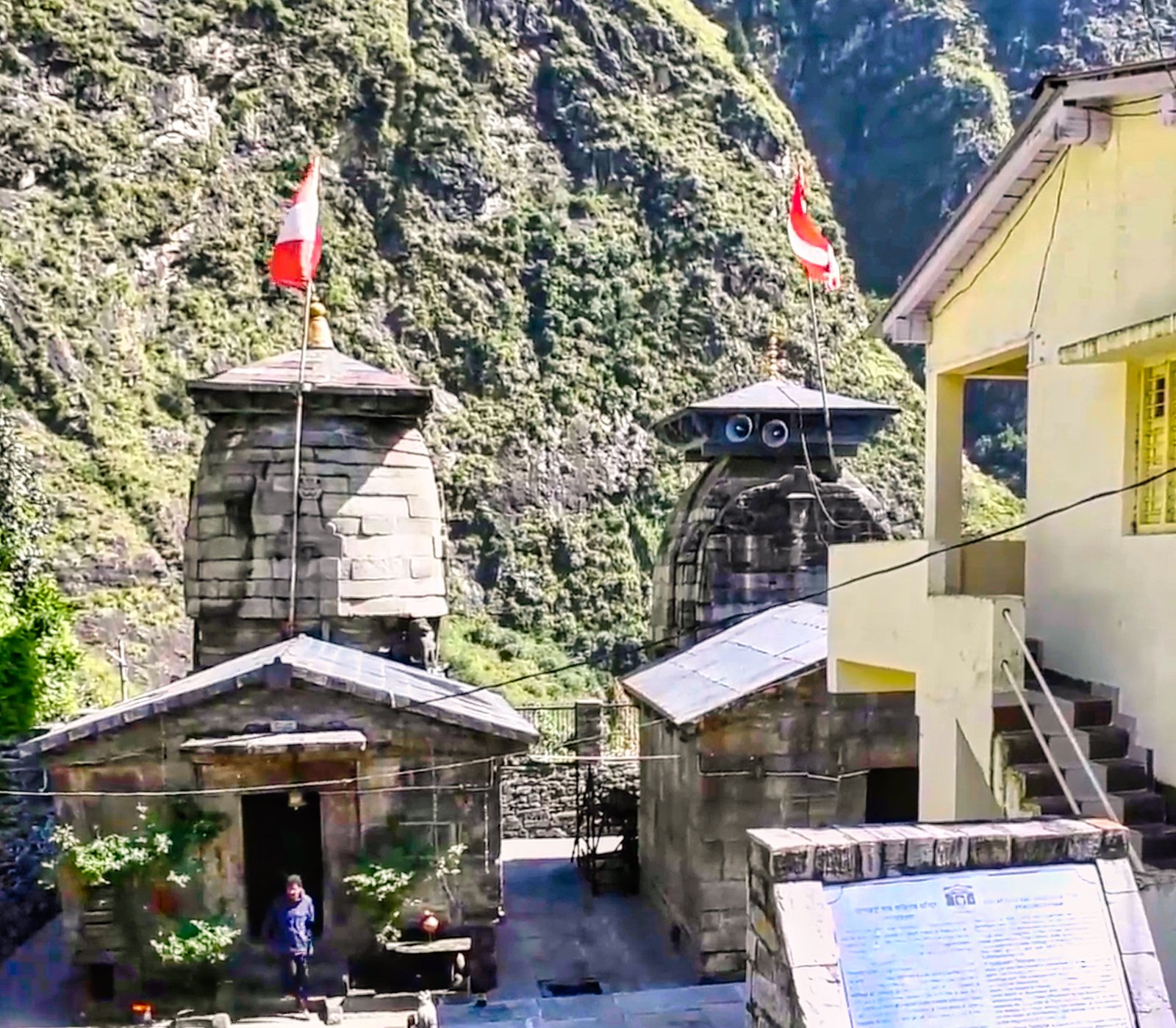
Pantnagar Airport, ManaPantnagar Airport — Premier Attraction & Cultural Heritage in Mana

Pantnagar Airport is celebrated as a defining historical and cultural landmark in Mana, Uttarakhand. The site attracts travelers seeking authentic heritage, spiritual tranquility, and architectural depth.

Visiting Hours & Timings:6:00 AM to 6:30 PM daily
Entry Fees & Tickets: Free entry; nominal tickets where applicable
Recommended Visiting Advice: Visit during early morning or late afternoon for pleasant weather and rewarding photography.

3. Kathgodam (Premier Attraction & Cultural Heritage in Mana)
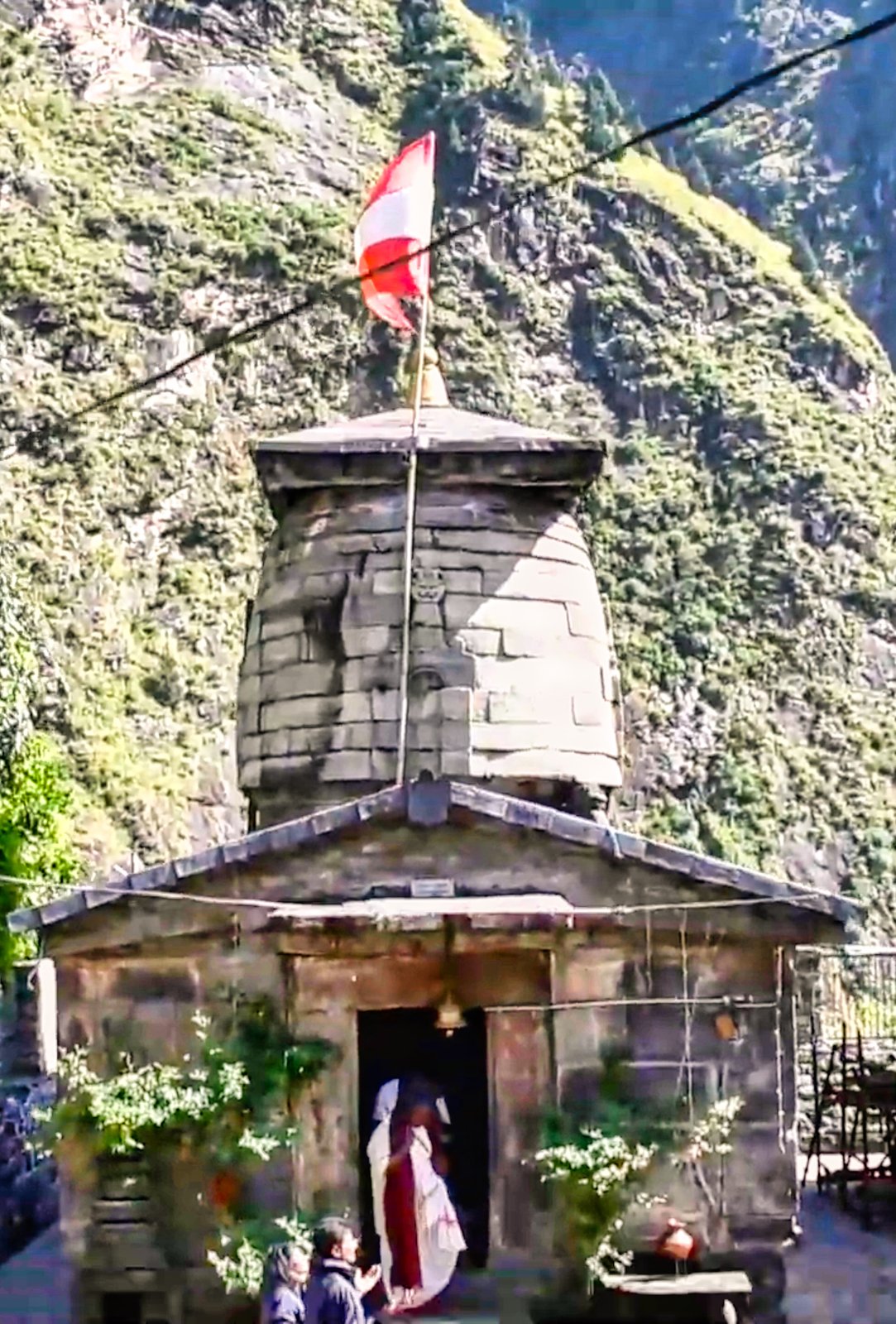
Kathgodam, ManaKathgodam — Premier Attraction & Cultural Heritage in Mana

Kathgodam is celebrated as a defining historical and cultural landmark in Mana, Uttarakhand. The site attracts travelers seeking authentic heritage, spiritual tranquility, and architectural depth.

Visiting Hours & Timings:6:00 AM to 6:30 PM daily
Entry Fees & Tickets: Free entry; nominal tickets where applicable
Recommended Visiting Advice: Visit during early morning or late afternoon for pleasant weather and rewarding photography.

4. Dehradun (Premier Attraction & Cultural Heritage in Mana)
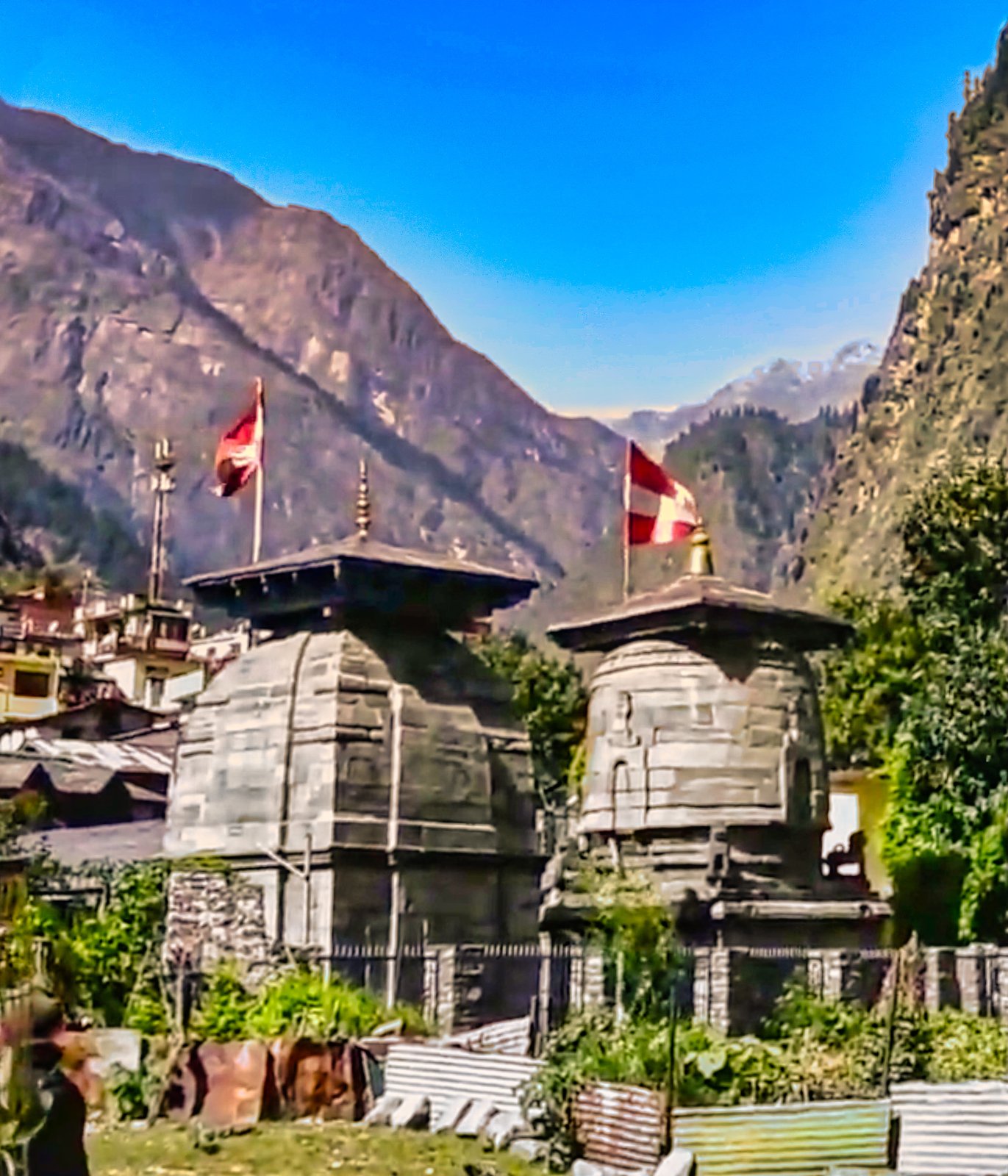
Dehradun, ManaDehradun — Premier Attraction & Cultural Heritage in Mana

Dehradun is celebrated as a defining historical and cultural landmark in Mana, Uttarakhand. The site attracts travelers seeking authentic heritage, spiritual tranquility, and architectural depth.

Visiting Hours & Timings:6:00 AM to 6:30 PM daily
Entry Fees & Tickets: Free entry; nominal tickets where applicable
Recommended Visiting Advice: Visit during early morning or late afternoon for pleasant weather and rewarding photography.

5. Bal Mithai (Premier Attraction & Cultural Heritage in Mana)
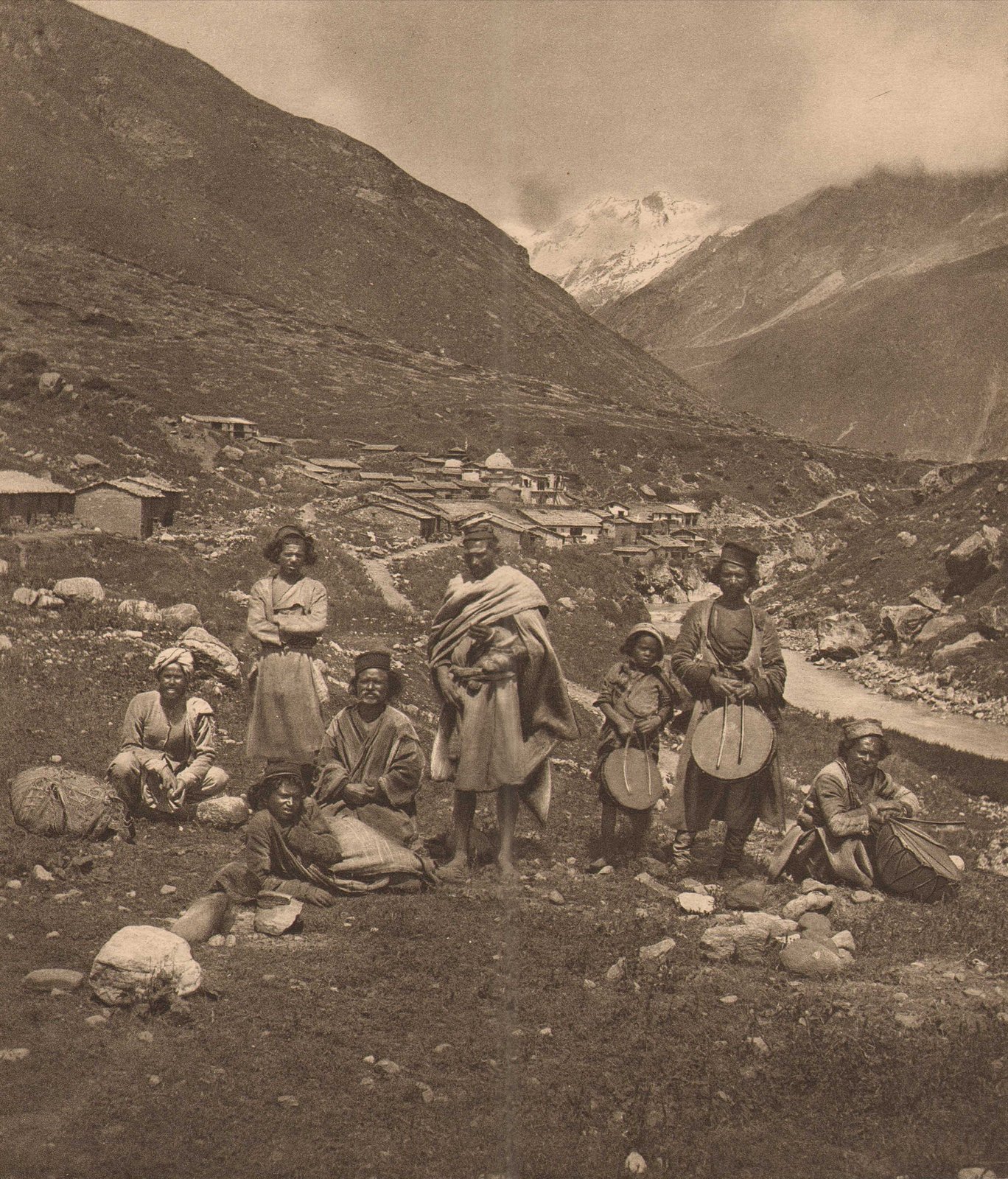
Bal Mithai, ManaBal Mithai — Premier Attraction & Cultural Heritage in Mana

Bal Mithai is celebrated as a defining historical and cultural landmark in Mana, Uttarakhand. The site attracts travelers seeking authentic heritage, spiritual tranquility, and architectural depth.

Visiting Hours & Timings:6:00 AM to 6:30 PM daily
Entry Fees & Tickets: Free entry; nominal tickets where applicable
Recommended Visiting Advice: Visit during early morning or late afternoon for pleasant weather and rewarding photography.
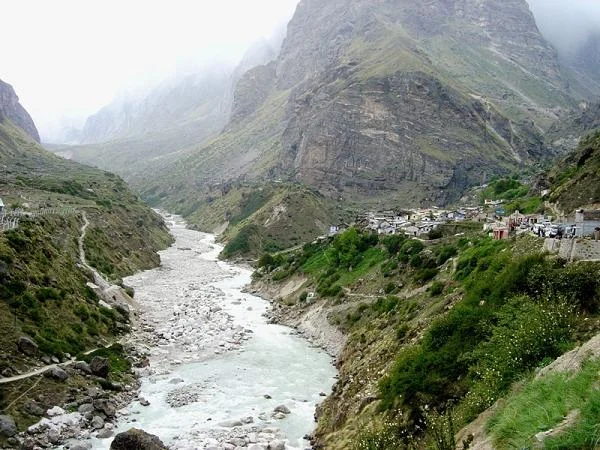
6. Singodi (Premier Attraction & Cultural Heritage in Mana)

Singodi is celebrated as a defining historical and cultural landmark in Mana, Uttarakhand. The site attracts travelers seeking authentic heritage, spiritual tranquility, and architectural depth.

Visiting Hours & Timings:6:00 AM to 6:30 PM daily
Entry Fees & Tickets: Free entry; nominal tickets where applicable
Recommended Visiting Advice: Visit during early morning or late afternoon for pleasant weather and rewarding photography.

🏛 Sightseeing

Top Places to Visit in Mana

Mana Village Sightseeing
Mana Village
📍 Mana
Explore →
📸 Photo Gallery
5 Photos • Click to View

Explore high-resolution photographs of iconic temples, historical monuments, and scenic landmarks in Mana.

🌟 EXCLUSIVE TRAVEL DEALS & BEST PRICE GUARANTEE

Plan Your Mana Trip Now

Get the best verified hotel deals and customized tour packages. Book directly on EarthTrip and save up to 45%!
⚡ Instant Confirmation 🛡️ 100% Verified Stays 💰 Best Rate Guarantee 📞 24/7 Travel Support
❓ FAQ

FAQs about Mana

What are the top must-visit attractions and activities in Mana?
The top places to visit in Mana include Jolly Grant Airport, Pantnagar Airport, Kathgodam, Dehradun. Popular activities include exploring historic fortifications, visiting ancient shrines, taking scenic boat rides along the river, and sampling authentic local sweets in traditional bazaars.
What is the best time of year to visit Mana and how is the weather?
The best time to visit Mana is between October and March when the weather is pleasantly cool (9°C to 24°C), making it ideal for sightseeing. Summers (April to June) can be warm, while the monsoon (July to September) brings fresh seasonal showers.
How do I reach Mana by air, train, and road?
You can reach Mana by train via Mana Railway Station (MAN), served by regular express trains. By air, the nearest airport is Nearest Regional Airport in Uttarakhand (IXP, 60 km away) and by road, National & State Highway network connects the city directly with major regional centers.
What is the ideal trip duration and recommended itinerary for Mana?
A 2 to 3 day itinerary is ideal for exploring Mana. Day 1 can be spent touring historic forts and landmark temples, and day 2 is great for visiting archaeological sites, river ghats, and local museums. Day 3 can be dedicated to shopping in local bazaars and sampling traditional regional cuisine.
What famous local food, sweets, and handicrafts should I buy in Mana?
When in Mana, try authentic local specialties like fresh regional sweets, traditional thalis, and savory snacks. For shopping, look for handcrafted brassware, traditional handloom textiles, and locally made souvenirs.
How many days are needed to explore Manachanallur properly?
A trip of 2 to 3 days is ideal to explore Manachanallur. This gives you enough time to visit Arulmigu Samayapuram Mariamman Temple, check out Sri Ranganathaswamy Temple (Srirangam), and enjoy the local markets without rushing.
What is the best season to visit Manachanallur in Tamil Nadu?
October to March is the best time to visit Manachanallur. The winter months bring clear skies and cool daytime temperatures between 15°C and 25°C, making sightseeing very pleasant.
Which is the nearest railway station to reach Manachanallur?
The most convenient railhead is Uttamarkovil (UKV) / Srirangam (SRGM) / Tiruchirappalli (TPJ). Direct shared autos, taxis, and state transport buses run regularly from the station exit to central Manachanallur.
Is Manachanallur suitable for a weekend family trip?
Yes, Manachanallur is a great weekend getaway for families. It offers peaceful natural surroundings, family-friendly sightseeing spots like Arulmigu Samayapuram Mariamman Temple, and easy road connectivity across Tamil Nadu.
What local food and handicrafts should I buy in Manachanallur?
Make sure to try the authentic regional snacks and street delicacies in the main town bazaar. For shopping, look out for locally produced handlooms, cottage pottery, and traditional souvenirs crafted by regional artisans.
What are the top must-visit attractions and activities in Manasa?
The top places to visit in Manasa include Manasa Heritage Shrines & Ancient Monuments, Historic Riverside Promenade & Ghats of Manasa, Manasa Cultural Center & Town Museum, Traditional Craft Bazaar & Artisan Quarter. Popular activities include exploring historic fortifications, visiting ancient shrines, taking scenic boat rides along the river, and sampling authentic local sweets in traditional bazaars.
What is the best time of year to visit Manasa and how is the weather?
The best time to visit Manasa is between October and March when the weather is pleasantly cool (9°C to 24°C), making it ideal for sightseeing. Summers (April to June) can be warm, while the monsoon (July to September) brings fresh seasonal showers.
How do I reach Manasa by air, train, and road?
You can reach Manasa by train via Manasa Railway Station (MAN), served by regular express trains. By air, the nearest airport is Nearest Regional Airport in Madhya Pradesh (IXP, 85 km away). By road, National & State Highway Network in Madhya Pradesh connects the city directly with major regional centers.
What is the ideal trip duration and recommended itinerary for Manasa?
A 2 to 3 day itinerary is ideal for exploring Manasa. Day 1 can be spent touring historic forts and landmark temples, and day 2 is great for visiting archaeological sites, river ghats, and local museums. Day 3 can be dedicated to shopping in local bazaars and sampling traditional regional cuisine.
What famous local food, sweets, and handicrafts should I buy in Manasa?
When in Manasa, try authentic local specialties like fresh regional sweets, traditional thalis, and savory snacks. For shopping, look for handcrafted brassware, traditional handloom textiles, and locally made souvenirs.
How many days are needed to explore Manavadar properly?
A trip of 2 to 3 days is ideal to explore Manavadar. This gives you enough time to visit Gir National Park & Sasan Gir Lion Safari, check out Mount Girnar & Passenger Ropeway, and enjoy the local markets without rushing.
What is the best season to visit Manavadar in Gujarat?
October to March is the best time to visit Manavadar. The winter months bring clear skies and cool daytime temperatures between 15°C and 25°C, making sightseeing very pleasant.
Which is the nearest railway station to reach Manavadar?
The most convenient railhead is Manavadar (MNDR) / Junagadh Junction (JND) / Keshod (KSD). Direct shared autos, taxis, and state transport buses run regularly from the station exit to central Manavadar.
Is Manavadar suitable for a weekend family trip?
Yes, Manavadar is a great weekend getaway for families. It offers peaceful natural surroundings, family-friendly sightseeing spots like Gir National Park & Sasan Gir Lion Safari, and easy road connectivity across Gujarat.
What local food and handicrafts should I buy in Manavadar?
Make sure to try the authentic regional snacks and street delicacies in the main town bazaar. For shopping, look out for locally produced handlooms, cottage pottery, and traditional souvenirs crafted by regional artisans.
How many days are needed to explore Manawar properly?
A trip of 2 to 3 days is ideal to explore Manawar. This gives you enough time to visit Bagh Caves (Buddhist Rock Art), check out Man Dam Reservoir, and enjoy the local markets without rushing.
What is the best season to visit Manawar in Madhya Pradesh?
October to March is the best time to visit Manawar. The winter months bring clear skies and cool daytime temperatures between 15°C and 25°C, making sightseeing very pleasant.
Which is the nearest railway station to reach Manawar?
The most convenient railhead is Indore Junction (INDB) / Ratlam (RTM). Direct shared autos, taxis, and state transport buses run regularly from the station exit to central Manawar.
Is Manawar suitable for a weekend family trip?
Yes, Manawar is a great weekend getaway for families. It offers peaceful natural surroundings, family-friendly sightseeing spots like Bagh Caves (Buddhist Rock Art), and easy road connectivity across Madhya Pradesh.
What local food and handicrafts should I buy in Manawar?
Make sure to try the authentic regional snacks and street delicacies in the main town bazaar. For shopping, look out for locally produced handlooms, cottage pottery, and traditional souvenirs crafted by regional artisans.
What are the top must-visit attractions and activities in Padmanabhapuram?
The top places to visit in Padmanabhapuram include Krishnancoil is 1, The popular Padmanabhapuram Palace, Ancient Jain Temple, Lord Murugan Temple. Popular activities include exploring historic fortifications, visiting ancient shrines, taking scenic boat rides along the river, and sampling authentic local sweets in traditional bazaars.
What is the best time of year to visit Padmanabhapuram and how is the weather?
The best time to visit Padmanabhapuram is between October and March when the weather is pleasantly cool (9°C to 24°C), making it ideal for sightseeing. Summers (April to June) can be warm, while the monsoon (July to September) brings fresh seasonal showers.
How do I reach Padmanabhapuram by air, train, and road?
You can reach Padmanabhapuram by train via Padmanabhapuram Railway Station (PAD), served by regular express trains. By air, the nearest airport is Nearest Regional Airport in Tamil Nadu (IXP, 85 km away). By road, National & State Highway Network in Tamil Nadu connects the city directly with major regional centers.
What is the ideal trip duration and recommended itinerary for Padmanabhapuram?
A 2 to 3 day itinerary is ideal for exploring Padmanabhapuram. Day 1 can be spent touring historic forts and landmark temples. Day 2 is great for visiting archaeological sites, river ghats, and local museums and day 3 can be dedicated to shopping in local bazaars and sampling traditional regional cuisine.
What famous local food, sweets, and handicrafts should I buy in Padmanabhapuram?
When in Padmanabhapuram, try authentic local specialties like fresh regional sweets, traditional thalis, and savory snacks. For shopping, look for handcrafted brassware, traditional handloom textiles, and locally made souvenirs.
What are the top must-visit attractions and activities in Samana?
The top places to visit in Samana include Gurdwara Thada Sahib, Samana Fort Ruins & Battleground, Panchmukhi Mandir, Samana Anaj Mandi (Grain Market). Popular activities include exploring historic fortifications, visiting ancient shrines, taking scenic boat rides along the river, and sampling authentic local sweets in traditional bazaars.
What is the best time of year to visit Samana and how is the weather?
The best time to visit Samana is between October and March when the weather is pleasantly cool (9°C to 24°C), making it ideal for sightseeing. Summers (April to June) can be warm, while the monsoon (July to September) brings fresh seasonal showers.
How do I reach Samana by air, train, and road?
You can reach Samana by train via Patiala Railway Station (Nearest Major) (PTA), served by regular express trains. By air, the nearest airport is Chandigarh International Airport (IXC) (IXC, 95 km away), and by road, SH-10 connects the city directly with major regional centers.
What is the ideal trip duration and recommended itinerary for Samana?
A 2 to 3 day itinerary is ideal for exploring Samana. Day 1 can be spent touring historic forts and landmark temples — basically, day 2 is great for visiting archaeological sites, river ghats, and local museums. Day 3 can be dedicated to shopping in local bazaars and sampling traditional regional cuisine.
What famous local food, sweets, and handicrafts should I buy in Samana?
When in Samana, try authentic local specialties like fresh regional sweets, traditional thalis, and savory snacks. For shopping, look for handcrafted brassware, traditional handloom textiles, and locally made souvenirs.
What is the Beas Kund Trek in Manali famous for?
Beas Kund Trek (12,500 ft / 3,810 m) is famous as the holy glacial source of the Beas River where Sage Vyasa meditated, offering views of Hanuman Tibba and Friendship Peak.
What is the Beas Kund Trek in Manali famous for?
Beas Kund Trek (12,500 ft / 3,810 m) is famous as the holy glacial source of the Beas River where Sage Vyasa meditated, offering views of Hanuman Tibba and Friendship Peak.
How long and difficult is the Beas Kund Trek?
The trek is a moderate 16-km round-trip from Dhundi, usually completed over 2 to 3 days with camping at Bakarthach, suitable for beginners with good physical fitness.
How long and difficult is the Beas Kund Trek?
The trek is a moderate 16-km round-trip from Dhundi, usually completed over 2 to 3 days with camping at Bakarthach, suitable for beginners with good physical fitness.
Where does the Beas Kund Trek start from?
The trek begins at Dhundi road-head, located 8 km past Solang Valley and 21 km north of Manali town, accessible by taxi or private car.
Where does the Beas Kund Trek start from?
The trek begins at Dhundi road-head, located 8 km past Solang Valley and 21 km north of Manali town, accessible by taxi or private car.
What is the best time to do the Beas Kund Trek?
The best time is from mid-May to June for blooming wildflowers and snow patches, and September to mid-October for clear mountain skies and crisp views.
What is the best time to do the Beas Kund Trek?
The best time is from mid-May to June for blooming wildflowers and snow patches, and September to mid-October for clear mountain skies and crisp views.
Which major Himalayan mountain peaks can you see from Beas Kund?
Trekkers enjoy close-up panoramic views of Hanuman Tibba (5,982 m), Friendship Peak (5,289 m), Shitidhar (5,290 m), Ladakhi Peak, and the Seven Sisters.
Which major Himalayan mountain peaks can you see from Beas Kund?
Trekkers enjoy close-up panoramic views of Hanuman Tibba (5,982 m), Friendship Peak (5,289 m), Shitidhar (5,290 m), Ladakhi Peak, and the Seven Sisters.
What is Hadimba Devi Temple in Manali famous for?
Built in 1553 AD by Maharaja Bahadur Singh, Hadimba Temple is famous for its 24-meter-tall 4-tiered wooden pagoda architecture, sacred rock cave, and ancient deodar forest.
What is Hadimba Devi Temple in Manali famous for?
Built in 1553 AD by Maharaja Bahadur Singh, Hadimba Temple is famous for its 24-meter-tall 4-tiered wooden pagoda architecture, sacred rock cave, and ancient deodar forest.
Who is Goddess Hadimba in the Mahabharata?
Goddess Hadimba was the wife of Pandava warrior Bhima and mother of Ghatotkacha. She meditated in the Dhungri forest and became the patron deity of the Kullu Valley.
Who is Goddess Hadimba in the Mahabharata?
Goddess Hadimba was the wife of Pandava warrior Bhima and mother of Ghatotkacha. She meditated in the Dhungri forest and became the patron deity of the Kullu Valley.
What is unique about the architecture of Hadimba Temple?
The temple features a 4-tier pagoda roof with three wooden tiers and a brass conical top, intricate deodar wood carvings of deities, and an inner rock cave sanctum.
What is unique about the architecture of Hadimba Temple?
The temple features a 4-tier pagoda roof with three wooden tiers and a brass conical top, intricate deodar wood carvings of deities, and an inner rock cave sanctum.
What is the Dhungri Mela at Hadimba Temple?
Dhungri Mela is a colorful 3-day annual festival held every May at the temple grounds to celebrate Goddess Hadimba's birthday with traditional Himachali Nati folk dances.
What is the Dhungri Mela at Hadimba Temple?
Dhungri Mela is a colorful 3-day annual festival held every May at the temple grounds to celebrate Goddess Hadimba's birthday with traditional Himachali Nati folk dances.
What are the visiting hours and entry fees for Hadimba Temple?
Hadimba Devi Temple is open daily from 6:00 AM to 8:00 PM with completely free entry for all visitors.
What are the visiting hours and entry fees for Hadimba Temple?
Hadimba Devi Temple is open daily from 6:00 AM to 8:00 PM with completely free entry for all visitors.
Why is Laxmana Temple in Bharatpur historically unique?
It is one of the rarest temples in India dedicated exclusively to Lord Laxman and his wife Urmila, worshipped as the royal patron deity of Bharatpur's Jat dynasty.
Why is Laxmana Temple in Bharatpur historically unique?
It is one of the rarest temples in India dedicated exclusively to Lord Laxman and his wife Urmila, worshipped as the royal patron deity of Bharatpur's Jat dynasty.
Who built the current Laxmana Temple in Bharatpur?
The temple was built in 1870 AD under the royal patronage of Maharaja Balwant Singh of Bharatpur, continuing the legacy of sage Naaga Baba.
Who built the current Laxmana Temple in Bharatpur?
The temple was built in 1870 AD under the royal patronage of Maharaja Balwant Singh of Bharatpur, continuing the legacy of sage Naaga Baba.
What metals are the idols in Laxmana Temple made of?
The divine idols of Lord Laxman and Goddess Urmila are crafted from sacred Ashtadhatu (an eight-metal sacred alloy).
What metals are the idols in Laxmana Temple made of?
The divine idols of Lord Laxman and Goddess Urmila are crafted from sacred Ashtadhatu (an eight-metal sacred alloy).
What are the opening hours and entry fee for Laxmana Temple?
The temple is open daily from 5:30 AM to 12:00 PM and from 4:30 PM to 8:30 PM with free admission for all devotees.
What are the opening hours and entry fee for Laxmana Temple?
The temple is open daily from 5:30 AM to 12:00 PM and from 4:30 PM to 8:30 PM with free admission for all devotees.
Where is Laxmana Temple located in Bharatpur?
It is located in the heart of the old city market near Lohagarh Fort and Ganga Mandir in Bharatpur.
Where is Laxmana Temple located in Bharatpur?
It is located in the heart of the old city market near Lohagarh Fort and Ganga Mandir in Bharatpur.
What is Mananchira Square in Kozhikode famous for?
Mananchira Square is famous as the historic civic heart of Kozhikode, centered around the 14th-century royal freshwater tank built by Zamorin King Mana Vikrama.
What is Mananchira Square in Kozhikode famous for?
Mananchira Square is famous as the historic civic heart of Kozhikode, centered around the 14th-century royal freshwater tank built by Zamorin King Mana Vikrama.
What attractions are located inside Mananchira Square?
The park features manicured lawns, traditional Kerala timber entrance gates, an open-air amphitheater, musical fountains, sculptures, and shaded walking paths.
What attractions are located inside Mananchira Square?
The park features manicured lawns, traditional Kerala timber entrance gates, an open-air amphitheater, musical fountains, sculptures, and shaded walking paths.
What famous shopping street is next to Mananchira Square?
The iconic SM Street (Sweet Meat Street / Mittai Theruvu) begins right at the southern gate of Mananchira Square, famous for Kozhikodan halwa and shopping.
What famous shopping street is next to Mananchira Square?
The iconic SM Street (Sweet Meat Street / Mittai Theruvu) begins right at the southern gate of Mananchira Square, famous for Kozhikodan halwa and shopping.
What are the visiting hours and entry fees for Mananchira Square?
Mananchira Square is open daily from 3:30 PM to 8:00 PM (open from 2:30 PM on Sundays). Entry is completely free for all visitors.
What are the visiting hours and entry fees for Mananchira Square?
Mananchira Square is open daily from 3:30 PM to 8:00 PM (open from 2:30 PM on Sundays). Entry is completely free for all visitors.
How far is Mananchira Square from Kozhikode Railway Station?
Mananchira Square is located just 1 km northeast of Kozhikode Railway Station (CLT), an easy 3-minute auto ride or 12-minute walk.
How far is Mananchira Square from Kozhikode Railway Station?
Mananchira Square is located just 1 km northeast of Kozhikode Railway Station (CLT), an easy 3-minute auto ride or 12-minute walk.
What is Old Manali famous for?
Old Manali is famous for its peaceful rustic vibe, 1553 AD wooden Hidimba Devi Temple, ancient Manu Temple, Kath-Kuni stone houses, apple orchards, and bohemian riverside cafes.
What is Old Manali famous for?
Old Manali is famous for its peaceful rustic vibe, 1553 AD wooden Hidimba Devi Temple, ancient Manu Temple, Kath-Kuni stone houses, apple orchards, and bohemian riverside cafes.
What is the history of the Hidimba Devi Temple in Old Manali?
Built in 1553 AD by Maharaja Bahadur Singh inside the Dhungri cedar forest, this four-tiered pagoda temple is dedicated to Goddess Hidimba, wife of Pandava prince Bhima.
What is the history of the Hidimba Devi Temple in Old Manali?
Built in 1553 AD by Maharaja Bahadur Singh inside the Dhungri cedar forest, this four-tiered pagoda temple is dedicated to Goddess Hidimba, wife of Pandava prince Bhima.
What is the Manu Temple in Old Manali?
The Manu Maharishi Temple is the only temple in India dedicated to Sage Manu, who according to Hindu mythology stepped ashore here to recreate civilization after the great flood.
What is the Manu Temple in Old Manali?
The Manu Maharishi Temple is the only temple in India dedicated to Sage Manu, who according to Hindu mythology stepped ashore here to recreate civilization after the great flood.
How far is Old Manali from the main Mall Road in Manali?
Old Manali is located just 2.5 km northwest of Mall Road across the Manalsu stream, accessible in 10 minutes by auto/taxi or a 20-minute scenic walk.
How far is Old Manali from the main Mall Road in Manali?
Old Manali is located just 2.5 km northwest of Mall Road across the Manalsu stream, accessible in 10 minutes by auto/taxi or a 20-minute scenic walk.
What are the best things to do in Old Manali?
Top activities include visiting Hidimba and Manu temples, strolling through apple orchards, shopping for handicrafts, and relaxing at riverside cafes like Cafe 1947 and The Lazy Dog.
What are the best things to do in Old Manali?
Top activities include visiting Hidimba and Manu temples, strolling through apple orchards, shopping for handicrafts, and relaxing at riverside cafes like Cafe 1947 and The Lazy Dog.
How many days are needed to explore Osmanabad properly?
A trip of 2 to 3 days is ideal to explore Osmanabad. This gives you enough time to visit Historic Osmanabad Fort & Heritage Complex, check out Sacred Ancient Shiva & Devi Temple, and enjoy the local markets without rushing.
What is the best season to visit Osmanabad in Maharashtra?
October to March is the best time to visit Osmanabad. The winter months bring clear skies and cool daytime temperatures between 15°C and 25°C, making sightseeing very pleasant.
Which is the nearest railway station to reach Osmanabad?
The most convenient railhead is Osmanabad Railway Station. Direct shared autos, taxis, and state transport buses run regularly from the station exit to central Osmanabad.
Is Osmanabad suitable for a weekend family trip?
Yes, Osmanabad is a great weekend getaway for families. It offers peaceful natural surroundings, family-friendly sightseeing spots like Historic Osmanabad Fort & Heritage Complex, and easy road connectivity across Maharashtra.
What local food and handicrafts should I buy in Osmanabad?
Make sure to try the authentic regional snacks and street delicacies in the main town bazaar. For shopping, look out for locally produced handlooms, cottage pottery, and traditional souvenirs crafted by regional artisans.
What is Pathiramanal Island in Alleppey famous for?
Pathiramanal Island is an uninhabited 50-acre protected bio-reserve in Vembanad Lake, famous for over 90 species of resident and migratory water birds, dense mangrove walking trails, and backwater boat excursions.
What is Pathiramanal Island in Alleppey famous for?
Pathiramanal Island is an uninhabited 50-acre protected bio-reserve in Vembanad Lake, famous for over 90 species of resident and migratory water birds, dense mangrove walking trails, and backwater boat excursions.
How do you reach Pathiramanal Island?
The island is accessible only by water. Speedboats and motorized canoes operate from Muhamma Boat Jetty in Alleppey (15 mins) and Kumarakom Jetty (30 mins). Backwater houseboats also anchor here for guided walks.
How do you reach Pathiramanal Island?
The island is accessible only by water. Speedboats and motorized canoes operate from Muhamma Boat Jetty in Alleppey (15 mins) and Kumarakom Jetty (30 mins). Backwater houseboats also anchor here for guided walks.
What bird species can be seen on Pathiramanal Island?
Visitors can spot Oriental darters (snakebirds), purple herons, cormorants, night herons, bronze-winged jacanas, whistling ducks, and stork-billed kingfishers, along with winter migratory birds from Siberia.
What bird species can be seen on Pathiramanal Island?
Visitors can spot Oriental darters (snakebirds), purple herons, cormorants, night herons, bronze-winged jacanas, whistling ducks, and stork-billed kingfishers, along with winter migratory birds from Siberia.
What are the visiting hours and entry fees for Pathiramanal Island?
Pathiramanal Island is open daily from 6:00 AM to 6:00 PM. Entry to the island is free (boat hire charges apply separately). Best birdwatching is early morning between 6:30 AM and 9:30 AM.
What are the visiting hours and entry fees for Pathiramanal Island?
Pathiramanal Island is open daily from 6:00 AM to 6:00 PM. Entry to the island is free (boat hire charges apply separately). Best birdwatching is early morning between 6:30 AM and 9:30 AM.
What does the name Pathiramanal mean?
In Malayalam, Pathiramanal literally translates to 'Sands of Midnight', based on the ancient legend of a devout Brahmin priest for whom the lakebed miraculously rose at midnight to provide prayer ground.
What does the name Pathiramanal mean?
In Malayalam, Pathiramanal literally translates to 'Sands of Midnight', based on the ancient legend of a devout Brahmin priest for whom the lakebed miraculously rose at midnight to provide prayer ground.
What is Puthukkulathumana Nagaraja Temple famous for?
It is famous as an ancient sacred serpent grove (Sarpa Kavu) in Karikode, renowned for Tantric Noorum Palum rituals to remove Sarpa Doshas and grant child blessings.
What is Puthukkulathumana Nagaraja Temple famous for?
It is famous as an ancient sacred serpent grove (Sarpa Kavu) in Karikode, renowned for Tantric Noorum Palum rituals to remove Sarpa Doshas and grant child blessings.
What is the significance of the Noorum Palum ritual?
Noorum Palum is a sacred Tantric offering of milk, turmeric, and coconut water to Lord Nagaraja and Nagayakshi to eliminate serpent curses and obstacles in life.
What is the significance of the Noorum Palum ritual?
Noorum Palum is a sacred Tantric offering of milk, turmeric, and coconut water to Lord Nagaraja and Nagayakshi to eliminate serpent curses and obstacles in life.
What are the temple darshan timings at Puthukkulathumana?
The temple is open daily from 5:30 AM to 10:30 AM in the morning and from 5:00 PM to 7:30 PM in the evening.
What are the temple darshan timings at Puthukkulathumana?
The temple is open daily from 5:30 AM to 10:30 AM in the morning and from 5:00 PM to 7:30 PM in the evening.
When is the major festival celebrated at Puthukkulathumana?
The grand festival is celebrated on the monthly Ayilyam star, particularly the Kanni and Thulam Ayilyam festivals in September, October, and November.
When is the major festival celebrated at Puthukkulathumana?
The grand festival is celebrated on the monthly Ayilyam star, particularly the Kanni and Thulam Ayilyam festivals in September, October, and November.
How far is Puthukkulathumana from Thodupuzha town center?
The temple is located in Karikode along the Vannappuram Road, just 2.5 km north of Thodupuzha KSRTC bus stand (about 5 minutes drive).
How far is Puthukkulathumana from Thodupuzha town center?
The temple is located in Karikode along the Vannappuram Road, just 2.5 km north of Thodupuzha KSRTC bus stand (about 5 minutes drive).
What is Sri Ramanasramam in Tiruvannamalai?
Sri Ramanasramam is the world-renowned ashram and Samadhi shrine of Bhagavan Sri Ramana Maharshi, situated at the base of Mount Arunachala.
What is Sri Ramanasramam in Tiruvannamalai?
Sri Ramanasramam is the world-renowned ashram and Samadhi shrine of Bhagavan Sri Ramana Maharshi, situated at the base of Mount Arunachala.
What is the core spiritual teaching of Ramana Maharshi?
Ramana Maharshi taught the direct path of Self-inquiry ('Who Am I?' or Atma-Vichara), leading to inner silence and Self-realization.
What is the core spiritual teaching of Ramana Maharshi?
Ramana Maharshi taught the direct path of Self-inquiry ('Who Am I?' or Atma-Vichara), leading to inner silence and Self-realization.
What are the visiting hours for Sri Ramanasramam?
The ashram is open daily from 5:00 AM to 12:30 PM and from 2:00 PM to 9:00 PM with free admission for all visitors.
What are the visiting hours for Sri Ramanasramam?
The ashram is open daily from 5:00 AM to 12:30 PM and from 2:00 PM to 9:00 PM with free admission for all visitors.
When is Vedic chanting conducted at the ashram?
Vedic chanting takes place twice daily in the Samadhi Hall: in the morning at 6:45 AM and in the evening at 5:00 PM.
When is Vedic chanting conducted at the ashram?
Vedic chanting takes place twice daily in the Samadhi Hall: in the morning at 6:45 AM and in the evening at 5:00 PM.
How can visitors stay at Sri Ramanasramam guest houses?
Devotees seeking accommodation must apply at least six weeks in advance through the official Sri Ramanasramam website portal.
How can visitors stay at Sri Ramanasramam guest houses?
Devotees seeking accommodation must apply at least six weeks in advance through the official Sri Ramanasramam website portal.
How many days are needed to explore Ramanagara properly?
A trip of 2 to 3 days is ideal to explore Ramanagara. This gives you enough time to visit Historic Ramanagara Fort & Heritage Complex, check out Sacred Ancient Shiva & Devi Temple, and enjoy the local markets without rushing.
What is the best season to visit Ramanagara in Karnataka?
October to March is the best time to visit Ramanagara. The winter months bring clear skies and cool daytime temperatures between 15°C and 25°C, making sightseeing very pleasant.
Which is the nearest railway station to reach Ramanagara?
The most convenient railhead is Ramanagara Railway Station. Direct shared autos, taxis, and state transport buses run regularly from the station exit to central Ramanagara.
Is Ramanagara suitable for a weekend family trip?
Yes, Ramanagara is a great weekend getaway for families. It offers peaceful natural surroundings, family-friendly sightseeing spots like Historic Ramanagara Fort & Heritage Complex, and easy road connectivity across Karnataka.
What local food and handicrafts should I buy in Ramanagara?
Make sure to try the authentic regional snacks and street delicacies in the main town bazaar. For shopping, look out for locally produced handlooms, cottage pottery, and traditional souvenirs crafted by regional artisans.
How many days are needed to explore Ramanathapuram properly?
A trip of 2 to 3 days is ideal to explore Ramanathapuram. This gives you enough time to visit Historic Ramanathapuram Fort & Heritage Complex, check out Sacred Ancient Shiva & Devi Temple, and enjoy the local markets without rushing.
What is the best season to visit Ramanathapuram in Tamil Nadu?
October to March is the best time to visit Ramanathapuram. The winter months bring clear skies and cool daytime temperatures between 15°C and 25°C, making sightseeing very pleasant.
Which is the nearest railway station to reach Ramanathapuram?
The most convenient railhead is Ramanathapuram Railway Station. Direct shared autos, taxis, and state transport buses run regularly from the station exit to central Ramanathapuram.
Is Ramanathapuram suitable for a weekend family trip?
Yes, Ramanathapuram is a great weekend getaway for families. It offers peaceful natural surroundings, family-friendly sightseeing spots like Historic Ramanathapuram Fort & Heritage Complex, and easy road connectivity across Tamil Nadu.
What local food and handicrafts should I buy in Ramanathapuram?
Make sure to try the authentic regional snacks and street delicacies in the main town bazaar. For shopping, look out for locally produced handlooms, cottage pottery, and traditional souvenirs crafted by regional artisans.
How many days are needed to explore Samana properly?
A trip of 2 to 3 days is ideal to explore Samana. This gives you enough time to visit Dargah Panj Peer & Hazrat Syed Mashhad Ali, check out Gurdwara Thada Sahib (Guru Ki Khuhi), and enjoy the local markets without rushing.
What is the best season to visit Samana in Punjab?
October to March is the best time to visit Samana. The winter months bring clear skies and cool daytime temperatures between 15°C and 25°C, making sightseeing very pleasant.
Which is the nearest railway station to reach Samana?
The most convenient railhead is Patiala Railway Station (PTA) / Kaithal (KLE) / Rajpura Junction (RPJ). Direct shared autos, taxis, and state transport buses run regularly from the station exit to central Samana.
Is Samana suitable for a weekend family trip?
Yes, Samana is a great weekend getaway for families. It offers peaceful natural surroundings, family-friendly sightseeing spots like Dargah Panj Peer & Hazrat Syed Mashhad Ali, and easy road connectivity across Punjab.
What local food and handicrafts should I buy in Samana?
Make sure to try the authentic regional snacks and street delicacies in the main town bazaar. For shopping, look out for locally produced handlooms, cottage pottery, and traditional souvenirs crafted by regional artisans.
What is Thrikkakara Vamana Moorthy Temple famous for?
It is famous as the legendary birthplace of Kerala's Onam festival and one of the rare 108 Divya Desams dedicated exclusively to Lord Vamana.
What is Thrikkakara Vamana Moorthy Temple famous for?
It is famous as the legendary birthplace of Kerala's Onam festival and one of the rare 108 Divya Desams dedicated exclusively to Lord Vamana.
What is the legend of King Mahabali at Thrikkakara?
Legend holds that Lord Vamana placed His third step on King Mahabali's head here, granting him the boon to visit his subjects annually on Onam.
What is the legend of King Mahabali at Thrikkakara?
Legend holds that Lord Vamana placed His third step on King Mahabali's head here, granting him the boon to visit his subjects annually on Onam.
How is Onam celebrated at Thrikkakara Temple?
The temple hosts a 10-day grand festival with floral Pookkalam carpets, caparisoned elephant processions (Pakalpooram), and a mass 26-dish Onasadya feast.
How is Onam celebrated at Thrikkakara Temple?
The temple hosts a 10-day grand festival with floral Pookkalam carpets, caparisoned elephant processions (Pakalpooram), and a mass 26-dish Onasadya feast.
What are the darshan timings for the temple?
The temple is open daily from 4:30 AM to 11:00 AM in the morning and from 5:00 PM to 8:00 PM in the evening.
What are the darshan timings for the temple?
The temple is open daily from 4:30 AM to 11:00 AM in the morning and from 5:00 PM to 8:00 PM in the evening.
How far is Thrikkakara Temple from Ernakulam city center?
The temple is located in Thrikkakara, about 10 km northeast of Ernakulam Junction (South) Station and 4 km from Edappally Metro Station.
How far is Thrikkakara Temple from Ernakulam city center?
The temple is located in Thrikkakara, about 10 km northeast of Ernakulam Junction (South) Station and 4 km from Edappally Metro Station.
Who was Saint Namanand Maharaj of Latur?
Shri Namanand Maharaj was a revered 20th-century saint and mystic who promoted Bhakti philosophy, Vedic learning, and social equality along the Manjra river basin.
Where is the Ashram of Namanand Maharaj located?
It is located on the banks of the Manjra River in Mahapur village, about 8 km north of Latur city centre.
What can visitors experience at Namanand Maharaj Ashram?
Visitors can pay respects at the saint's Samadhi mandir, meditate in shaded riverside groves, participate in daily Haripath bhajans, and partake in Mahaprasad.
What are the daily visiting hours of the ashram?
The ashram is open daily from 5:30 AM to 8:30 PM with free public admission.
What is the best season to visit the ashram?
October to March offers cool, pleasant weather ideal for spiritual reflection, alongside the saint's annual Punyatithi celebration.
Why is Ramanathpur called Dakshina Kashi in Karnataka?
Ramanathpur is called Dakshina Kashi because of its sacred Kaveri river ghats and cluster of five ancient Shiva temples (Pancha Lingas) consecrated in Treta Yuga.
What is the Matsyatheertha sacred fish feeding at Ramanathpur Temple?
Matsyatheertha is the temple river ghat where hundreds of wild Mahseer fish swim to the stone steps to feed from visitors' hands, protected by sacred lore.
What are the darshan timings for Sri Rameshwara Temple at Ramanathpur?
The temple is open daily from 6:30 AM to 1:00 PM and from 4:30 PM to 8:00 PM with free public darshan and special morning abhishekams.
Where is Ramanathpur located in Hassan district?
Ramanathpur is located in Arkalgud taluk on the banks of the Kaveri River, about 50 km south of Hassan city and 45 km from Kushalnagar (Coorg).
Which major annual festival is celebrated at Ramanathpur Temple?
The grand annual Rathotsava (Chariot Festival) held in Margashira month and Maha Shivaratri are the primary annual religious celebrations.
Share