- .
- info@earthtrip.in
-
INR
-
USD
INR
USD
Takhni Rehmapur Wildlife Sanctuary in Hoshiarpur (celebrated across Punjab as the state's most ecologically rich, biologically diverse, and scenic protecte...
Takhni Rehmapur Wildlife Sanctuary in Hoshiarpur (celebrated across Punjab as the state's most ecologically rich, biologically diverse, and scenic protected foothill eco reserve, sitting along the rugged southern slopes of the lower Shivalik mountain ranges, serving as a critical wildlife corridor and biodiversity hotspot for Northern India's indigenous flora and fauna), situated just 15 km northeast of Hoshiarpur in Punjab, is one of Doaba's premier nature sanctuaries.
Established in 1992 and covering an area of 382 hectares (approx 944 acres) across the twin revenue forest estates of Takhni and Rehmapur villages, this protected dry deciduous mixed forest was created by the Punjab Department of Forests and Wildlife Preservation to conserve the fragile Shivalik watershed and curb severe soil erosion caused by seasonal mountain torrents (choes).
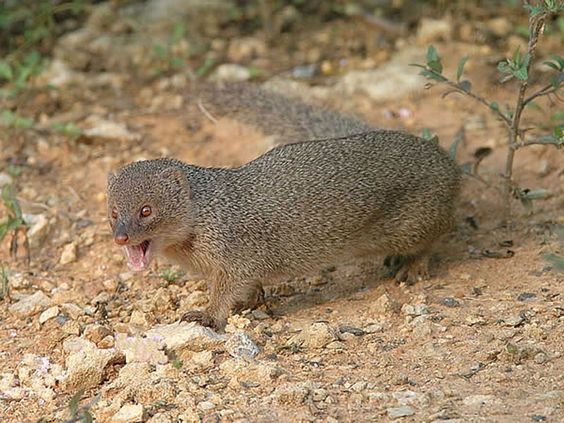
It's the home of thriving resident populations of Indian leopards, barking deer (kakar), sambar, spotted deer (chital), wild boars, golden jackals, jungle cats, Indian crested porcupines, rhesus macaques, and massive Indian rock pythons, over 90 species of resident and migratory birds including the red junglefowl, grey francolin, Asian paradise flycatcher, crested serpent eagle, and Indian peafowl, the scenic marked nature walking trails winding through dense Khair, Shisham, and Amla groves, the high hilltop watchtowers and forest rest houses commanding panoramic vistas across the Shivalik ridges, the natural freshwater check dams and seasonal stream pools attracting wildlife at twilight, and an intensely refreshing wilderness atmosphere where pure mountain air and the symphony of forest songbirds rejuvenate every visiting nature lover.
It represents a rich Punjab wildlife conservation legacy, Shivalik foothill biodiversity, and eco tourism trekking where Indian leopards, barking deer herds, Shivalik nature trails, and forest watchtowers unite in Takhni Rehmapur Wildlife Sanctuary Hoshiarpur.
Located near Mehngarwal village on the Hoshiarpur Una road, it sits just 15 km from Hoshiarpur Railway Station (HSX), 60 km from Jalandhar, 120 km from Sri Guru Ram Dass Jee International Airport in Amritsar (ATQ), and 140 km from Chandigarh International Airport (IXC), easily accessible by private cabs, rental cars, and eco safari vehicles.

The sanctuary protects a critical catchment basin in the lower Himalayas, where thick bamboo thickets and dense stands of Khair, Kikar, and Sal trees provide natural camouflage for apex predators like leopards.
Camera trap surveys conducted by forest biologists regularly record breeding leopard pairs, thriving herds of barking deer, and nocturnal wild cats traversing the protected ridge gullies.
Truth is, walking along the shaded dirt trails while listening to the sharp territorial calls of wild red junglefowl is an exhilarating escape into untouched nature.
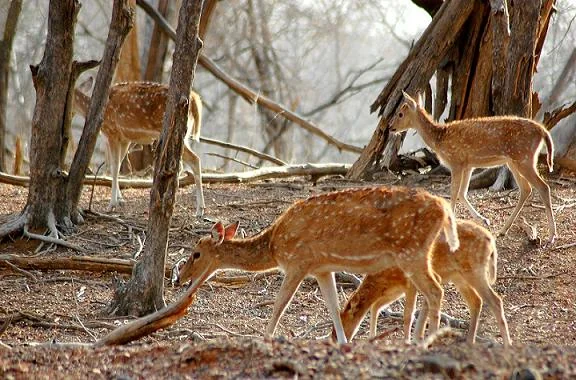
Avian Diversity: Birdwatchers can spot rare flycatchers, white crested laughingthrushes, black francolins, and golden orioles feeding in the canopy during morning hours.
Raptors & Owls: High watchtowers offer prime vantage points to observe shikras, bonelli's eagles, and spotted owlets perched along forest clearings.
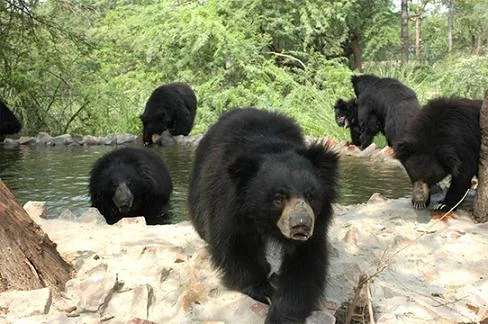
Marked Trekking Paths: The Forest Department has developed safe 3 km and 5 km interpretive nature trails equipped with educational signage and resting gazebos.
Regional Eco Circuit: Visitors typically combine a morning nature trek at Takhni Rehmapur with visits to Dholbaha Dam, Kamahi Devi Temple, or the mirror art of Sheesh Mahal.

After exploring Takhni Rehmapur Wildlife Sanctuary, tour the glass marvels of Sheesh Mahal, visit the Archaeological Museum, or enjoy a picnic at Dholbaha Dam.
Reaching Takhni Rehmapur Wildlife Sanctuary is very simple across Hoshiarpur in Punjab.
Best Time to Visit:
Explore more famous wildlife sanctuaries, nature reserves, and historical palaces across Punjab.
 Pilgrimage
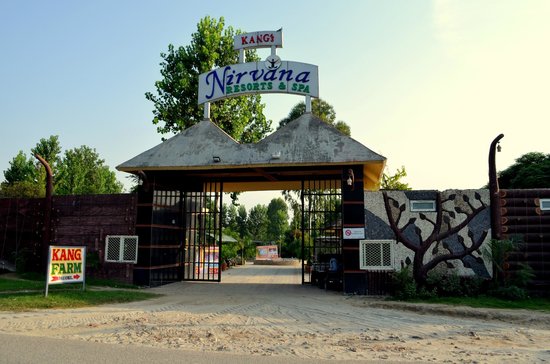 ★★★★ Hotel
Kang's Nirvana Resorts, Hoshiarpur is located in a peaceful place and provides tranquil st…
View Hotel Details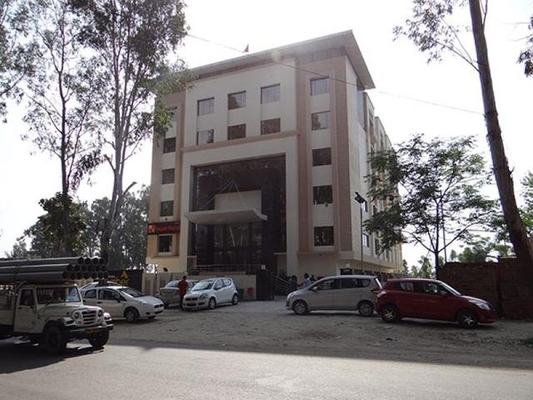 ★★★ Hotel
Hotel Amber Residency are engaged in offering Luxury Hotel Services and Restaurant Service…
View Hotel Details Attraction
The Archaeological Museum in Hoshiarpur (celebrated across academic and historical circles…
Explore Archaeological Museum Attraction
Dera Santgarh Harkhowal in Hoshiarpur (celebrated across Northern India and global Sikh di…
Explore Dera Santgarh Attraction
Gurdwara Garna Sahib in Hoshiarpur (celebrated across the global Sikh community as one of …
Explore Gurdwara Garna Sahib Attraction
Sri Kamahi Devi Temple in Hoshiarpur (celebrated across Punjab as one of the state's most …
Explore Kamahi DeviSheesh Mahal in Hoshiarpur (celebrated across Punjab as the iconic 'Palace of Glass', worl…
Explore Sheesh MahalExplore high-resolution photographs of iconic landmarks, temples, and scenic spots in Hoshiarpur.
Essential visitor information regarding timings, entry tickets, location, nearby attractions, and travel guide in Hoshiarpur.
It is famous as a 382-hectare protected Shivalik foothill eco-reserve home to Indian leopards, barking deer, sambar, pythons, and over 90 bird species.
It is famous as a 382-hectare protected Shivalik foothill eco-reserve home to Indian leopards, barking deer, sambar, pythons, and over 90 bird species.
It is located near Mehngarwal village in the lower Shivalik hills, about 15 km northeast of Hoshiarpur in Punjab.
It is located near Mehngarwal village in the lower Shivalik hills, about 15 km northeast of Hoshiarpur in Punjab.
Visitors can enjoy guided nature walks along marked forest trails, birdwatching from hilltop watchtowers, and eco-photography.
Visitors can enjoy guided nature walks along marked forest trails, birdwatching from hilltop watchtowers, and eco-photography.
The sanctuary is open daily from sunrise to sunset (6:00 AM to 6:00 PM) with a nominal forest entry fee of approximately ?20 to ?50.
The sanctuary is open daily from sunrise to sunset (6:00 AM to 6:00 PM) with a nominal forest entry fee of approximately ?20 to ?50.
October to March is the best season, offering pleasant winter weather, clear forest trails, and active wildlife sightings.
October to March is the best season, offering pleasant winter weather, clear forest trails, and active wildlife sightings.
Get a customized itinerary and the best deals on packages and hotels.
Enquire Now