- .
- info@earthtrip.in
-
INR
-
USD
INR
USD
The Archaeological Museum in Hoshiarpur (celebrated across academic and historical circles as one of Northern India's finest research museums, housed withi...
The Archaeological Museum in Hoshiarpur (celebrated across academic and historical circles as one of Northern India's finest research museums, housed within the prestigious Vishveshvaranand Vedic Research Institute & Department of Indological Studies under Panjab University at Sadhu Ashram), situated along the main university road in Hoshiarpur in Punjab, is one of Punjab's most profound repositories of ancient civilization and cultural heritage.
Established in the 1970s following extensive archaeological excavations led by Panjab University across the prehistoric Shivalik valley of Dholbaha, this academic museum curates over 10,000 priceless artifacts spanning 50,000 years of human evolution, from Pleistocene pebble tools and Harappan pottery to medieval Gurjara Pratihara sandstone sculptures.
It's the home of the world renowned 'Dholbaha Vishnu' sculpture (an exquisitely carved 10th century sand cast statue depicting Lord Vishnu in divine Tribhanga posture surrounded by celestial Vidyadharas and the Dashavatara incarnations), the Paleolithic stone handaxes and microlith tools discovered along the seasonal choes of the Shivalik hills, the Gandharan slate carvings depicting Buddha's life episodes, the rare collection of Kushan and Gupta era terracotta figurines and coins, the historic Palm leaf and Birch bark (Bhurjapatra) Sanskrit manuscripts preserved in the VVRI Vedic archives, and an intensely inspiring educational atmosphere where students, researchers, and history enthusiasts can trace the unbroken cultural heritage of the Punjab plains.
It represents a rich Indological research legacy, Dholbaha excavations, and Vedic manuscript preservation where Dholbaha Vishnu sculptures, Paleolithic stone tools, Gurjara Pratihara stone panels, and ancient coins unite in the Archaeological Museum Hoshiarpur.
Located within the VVRI / Panjab University Regional Centre campus at Sadhu Ashram, it sits just 3 km from Hoshiarpur Railway Station (HSX), 45 km from Jalandhar, 105 km from Amritsar Airport (ATQ), and 140 km from Chandigarh International Airport (IXC), easily accessible on foot, by cycle rickshaw, auto rickshaw, or private taxi.

Excavations in the Dholbaha valley (30 km north of Hoshiarpur) proved that human habitation in the Shivalik foothills dates back continuously to the Early Stone Age.
The museum preserves stratified evidence showing how nomadic Stone Age hunters developed into Harappan farming settlements and later built grand Gurjara Pratihara stone temple cities before medieval destructions.
Truth is, viewing the flawless stone polishing on the 1,000 year-old Dholbaha Vishnu statue gives you a newfound appreciation for classical Punjabi temple craftsmanship.
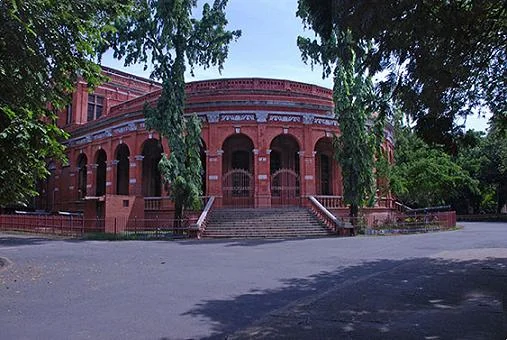
Dholbaha Vishnu: Carved from local grey sandstone, this iconic statue features intricate crown jewelry, a calm meditative expression, and delicately detailed attributes of Shankha, Chakra, Gada, and Padma.
Mahishamardini & Shiva: Other prized sculptures include a dynamic 8th century Durga Mahishamardini slaying the buffalo demon and a colossal Ekamukha Shiva Linga from the post Gupta era.
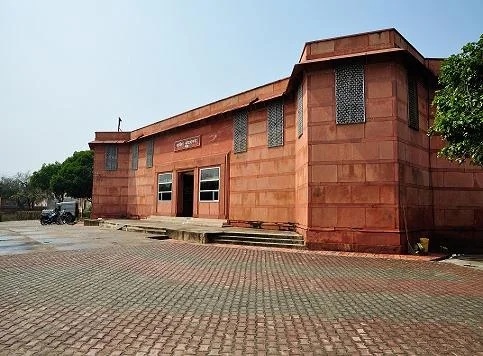
Vedic Manuscripts: Housed in the adjoining institute is one of South Asia's largest collections of ancient handwritten manuscripts on Vedic phonetics, astronomy, and grammar.
Hoshiarpur Circuit: Visitors can pair this museum visit with tours of Sheesh Mahal's glass inlay art, Kamahi Devi Temple, or a scenic drive to Dholbaha Dam.

After exploring the Archaeological Museum, visit the mirror palace of Sheesh Mahal, tour Dera Santgarh Harkhowal, or take blessings at Gurdwara Garna Sahib.
Reaching the Archaeological Museum in Hoshiarpur is very simple across Hoshiarpur in Punjab.
Best Time to Visit:
Explore more famous archaeological museums, historic gurdwaras, and glass palaces across Punjab.
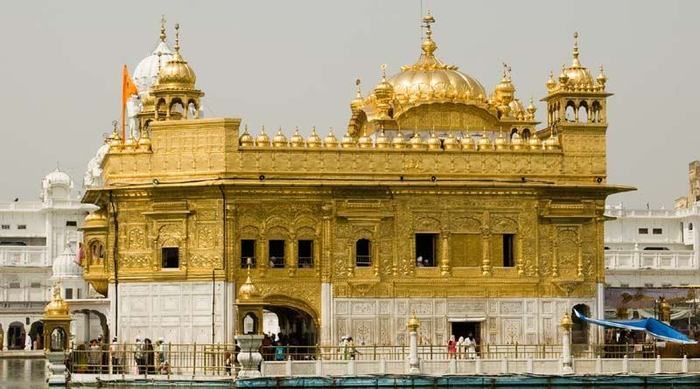 Pilgrimage
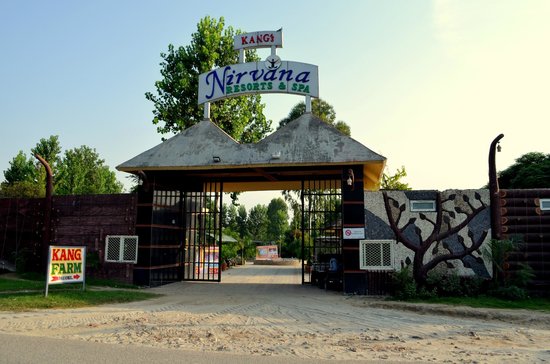 ★★★★ Hotel
Kang's Nirvana Resorts, Hoshiarpur is located in a peaceful place and provides tranquil st…
View Hotel Details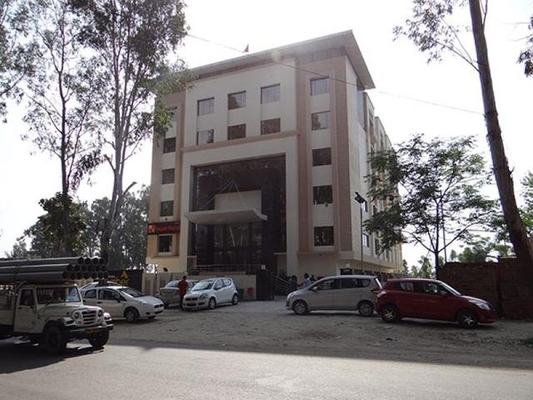 ★★★ Hotel
Hotel Amber Residency are engaged in offering Luxury Hotel Services and Restaurant Service…
View Hotel DetailsTakhni Rehmapur Wildlife Sanctuary in Hoshiarpur (celebrated across Punjab as the state's …
Explore Takhni-Rehmapur Wildlife Sanctuary Attraction
Dera Santgarh Harkhowal in Hoshiarpur (celebrated across Northern India and global Sikh di…
Explore Dera Santgarh Attraction
Gurdwara Garna Sahib in Hoshiarpur (celebrated across the global Sikh community as one of …
Explore Gurdwara Garna Sahib Attraction
Sri Kamahi Devi Temple in Hoshiarpur (celebrated across Punjab as one of the state's most …
Explore Kamahi DeviSheesh Mahal in Hoshiarpur (celebrated across Punjab as the iconic 'Palace of Glass', worl…
Explore Sheesh MahalExplore high-resolution photographs of iconic landmarks, temples, and scenic spots in Hoshiarpur.
Essential visitor information regarding timings, entry tickets, location, nearby attractions, and travel guide in Hoshiarpur.
It is located at Sadhu Ashram within the Vishveshvaranand Vedic Research Institute (VVRI) campus under Panjab University in Hoshiarpur.
It is located at Sadhu Ashram within the Vishveshvaranand Vedic Research Institute (VVRI) campus under Panjab University in Hoshiarpur.
The 10th-century 'Dholbaha Vishnu' sculpture, renowned for its exquisite stone craftsmanship and depiction of the Dashavatara, is the central masterpiece.
The 10th-century 'Dholbaha Vishnu' sculpture, renowned for its exquisite stone craftsmanship and depiction of the Dashavatara, is the central masterpiece.
The exhibits span 50,000 years, ranging from Paleolithic stone handaxes and Harappan pottery to medieval Gurjara-Pratihara sculptures.
The exhibits span 50,000 years, ranging from Paleolithic stone handaxes and Harappan pottery to medieval Gurjara-Pratihara sculptures.
The museum is open Monday to Friday from 9:30 AM to 5:00 PM with free public admission for all visitors and researchers.
The museum is open Monday to Friday from 9:30 AM to 5:00 PM with free public admission for all visitors and researchers.
Most sculptures and prehistoric tools in the museum were excavated by archaeologists from the ancient Dholbaha valley in Hoshiarpur district.
Most sculptures and prehistoric tools in the museum were excavated by archaeologists from the ancient Dholbaha valley in Hoshiarpur district.
Get a customized itinerary and the best deals on packages and hotels.
Enquire Now