Yawal — Travel Guide
Yawal, celebrated across the Khandesh region of northern Maharashtra as an important agricultural and wildlife municipality of the Jalgaon district, is an engaging destination in Maharashtra.
It is the primary gateway to the 178 sq km Yawal Wildlife Sanctuary in the Satpura ranges, the 18th century Nimbalkar Bhuikot Fort along the Sur River, and the banana farming heartland of the Tapi River valley, situated along State Highway 4.
It works as a primary cultural crossroads between Maharashtra and Madhya Pradesh where teak covered Satpura mountain ridges shelter leopards and flying squirrels, where ancient waterfall temples honor Goddess Manudevi, and where world famous Khandesh banana plantations stretch across dark alluvial soils.
Located at an elevation of 235 meters in the Tapi basin foothills, it sits 18 km north of Bhusawal railway junction, 20 km from Yawal Wildlife Sanctuary, 20 km from Manudevi temple, 40 km northeast of Jalgaon, and 45 km west of historic Burhanpur.
Morning breezes drifting over banana groves and cotton fields carry the appetizing aroma of spicy Khandeshi Shev Bhaji simmered in dark roasted kala masala, smoked eggplant Bharit mixed with spring onions and roasted peanuts, soft Jowar Bhakri with spicy green chili thecha, sweet Khoya Peda, crispy banana chips, and steaming spiced masala tea in glasses, while temple bells chime at dawn.
Satpura mountain silhouettes, lush irrigation channels, busy banana mandis, and passing highway trucks define the daily rhythm of this Khandesh agricultural hub.
Yawal is famous for the Yawal Wildlife Sanctuary, the 18th century Nimbalkar ground fort, the sacred Manudevi waterfall shrine, and its expansive banana cultivation.
It's a practical base if you want to explore Satpura forest trails, trek to scenic mountain waterfalls, photograph historic Maratha ramparts, and taste authentic fiery Khandeshi cuisine.
The surrounding Khandesh and Tapi territory holds deep antiquity shaped by the Vakatakas of Ajanta, the Farooqi dynasty of Khandesh, the Maratha Peshwas, the Holkars of Indore, and the Nimbalkar sardars. From the hilltop fortress of Asirgarh to the peaceful waters of Mehrun Lake, you'll discover rewarding cultural landmarks across the district.
Local life centers around banana exports, cotton ginning, soybean processing, dairy production, forest conservation, and agro tourism. You can view the sunrise over the Satpura hill ranges at dawn, explore the ancient stone bastions of Yawal Fort by midday, and watch the sunset across the banana plantations by evening.
Neighboring destinations like Jalgaon, Bhusawal, and Raver offer world class Gandhian research centers, major railway junctions, and historic river ghats. Adding Yawal to your travel plans works well for wildlife enthusiasts, nature photographers, spiritual pilgrims, and road trippers exploring Maharashtra.
You can view the glowing golden sunset reflecting off the waters of the Sur River and watch the evening lamps illuminate the riverside temple spires by dusk. The journey is worth every rupee. Yawal provides an authentic, peaceful, and culturally deep Khandesh travel experience.
Planning your trip around the pleasant winter sightseeing season from October to March, the grand Chaitra Navratri fair at Manudevi Temple in spring, or the harvest season across the banana estates will give you the best experience across Maharashtra. Here is the seasonal breakdown:
Best Time to Visit by Season
• Winter Season (October to March): The premier travel window. Pleasant, breezy, and sunny with daytime temperatures between 13°C and 28°C, ideal for wildlife safaris in Yawal sanctuary, waterfall treks, and fort exploring.
• Monsoon Season (July to September): Moderate to heavy rains turn the Satpura mountains green and swell the Manudevi waterfalls.
• Summer Season (April to June): Dry and warm with daytime temperatures reaching 42°C. Early morning wildlife safaris and evening market strolls are recommended.
Major Annual Cultural & Spiritual Celebrations
• Shree Manudevi Chaitra Yatra (March April): Massive annual pilgrimage fair drawing over 50,000 devotees for sacred aartis, traditional offerings, and hill canyon festivities.
• Navratri & Dussehra: Celebrated with traditional Khandeshi Garba dances, community puja pandals, and lighting of oil lamps.
• Maha Shivratri at Tapi Ghats: Celebrated with holy river dips, all night devotional bhajans, and traditional food fairs.
• Pola Festival: Celebrated with great enthusiasm by farming families, decorating bullocks with colorful beads, flowers, and festive feasts.
What Yawal is Famous For
• Yawal Wildlife Sanctuary: 178 sq km Satpura tiger and leopard corridor.
• Manudevi Waterfall Shrine: Historic kuldevi temple in Satpura canyon.
• Khandesh Flavors: Shev Bhaji, Smoked Bharit, Banana Chips, and Jowar Bhakri.
Reaching Yawal in Maharashtra is simple because State Highway 4 (Jalgaon Yawal-Burhanpur Highway), nearby Bhusawal Railway Junction on the Central Railway network, and Jalgaon Airport provide reliable multi modal transit connectivity. Here is your complete transit guide:
By Air
• Jalgaon Airport (JLG): Located 45 km southwest of Yawal (approx 1 hour drive via smooth SH 4 with flights to Mumbai, Pune, and Goa operated by Fly91).
• Devi Ahilya Bai Holkar International Airport, Indore (IDR): Located 180 km north via Burhanpur and Sanawad.
• Chhatrapati Sambhajinagar Airport (IXU): Located 190 km south with major domestic airline flights.
• Airport Transfers: Pre paid cabs, rental taxis from Jalgaon or Bhusawal, and MSRTC express buses operate regular direct services to Yawal.
By Train
• Bhusawal Railway Junction (Station Code: BSL): Located 18 km south, a premier national railway hub on Central Railway where all Rajdhani, Duronto, and superfast express trains halt.
• Raver Railway Station (Station Code: RV): Located 25 km east on the mainline.
• Jalgaon Railway Junction (Station Code: JL): Located 40 km southwest with broad gauge lines to Surat and Mumbai.
• Connecting Express Trains: Mumbai CSMT Howrah Mail, Gitanjali Express, Punjab Mail, and Vidarbha Express connect Bhusawal directly across India.
By Road
• State Highway 4 (Jalgaon Yawal-Raver Burhanpur Corridor): Smooth 2 lane / 4 lane state highway passing directly through Yawal.
• National Highway 53 (Surat Dhule-Jalgaon Nagpur Expressway): Accessible within 35 km via Jalgaon bypass.
• Bus Services: Maharashtra State Road Transport Corporation (MSRTC) and MPSTC run frequent direct semi luxury and express buses between Jalgaon, Bhusawal, Burhanpur, Dhule, and Yawal every 15 minutes.
Local Commuting
• Auto Rickshaws & Town Cabs: Readily available at Yawal bus stand, Shivaji Chowk, and fort road for quick local commuting.
• Rental Private Cabs: Hiring a private taxi is the most convenient way to explore the regional circuit covering Yawal Wildlife Sanctuary, Manudevi Temple, Yawal Fort, and Asirgarh in a single day.
Exploring local agricultural markets and tasting authentic Khandeshi, Ahirani, and Tapi valley culinary specialties is an enjoyable part of visiting Maharashtra. Here are the top items to buy and try:
What to Buy (Khandeshi Spices, Banana Chips & Jaggery)
• Authentic Khandeshi Kala Masala: Traditional roasted spice blend made with 20+ whole spices used for signature spicy gravies.
• Fresh Khandesh Banana Chips: Crispy, golden raw banana wafers fried fresh in pure groundnut oil with mild rock salt.
• Farm Fresh Grand Naine Bananas: Naturally ripened, sweet export quality bananas straight from local farm cooperatives.
• Handcrafted Teak Wood Utensils: Wooden spoons, chopping boards, and rolling pins crafted by Satpura forest artisans.
• Pure Sugarcane Jaggery: Unrefined golden jaggery blocks made in local farm boiling units.
Famous Local Food Specialties
• Authentic Khandeshi Shev Bhaji: Crunchy fried gram flour noodles served in fiery, aromatic black roasted coconut onion gravy with Jowar Bhakri.
• Khandeshi Vangyache Bharit: Woodfire roasted eggplant mashed with green chillies, spring onions, garlic, and crushed roasted peanuts.
• Jowar Bhakri with Garlic Thecha: Coarse unleavened sorghum flatbread served with fiery crushed green chili, garlic, and peanut chutney.
• Dal Gandhori & Puran Poli: Spiced mixed lentil stew paired with sweet jaggery stuffed flatbreads topped with pure cow ghee.
• Steaming Masala Chai: Strong, aromatic ginger cardamom tea brewed fresh and served piping hot in small glasses.
Must-Visit Places in Yawal
Yawal and the surrounding Khandesh Satpura corridor offer protected wildlife sanctuaries, 18th century Maratha forts, sacred mountain waterfalls, and vast banana plantations. Here are the top attractions to visit during your stay.
1. Yawal Wildlife Sanctuary & Satpura Reserve (20 km)
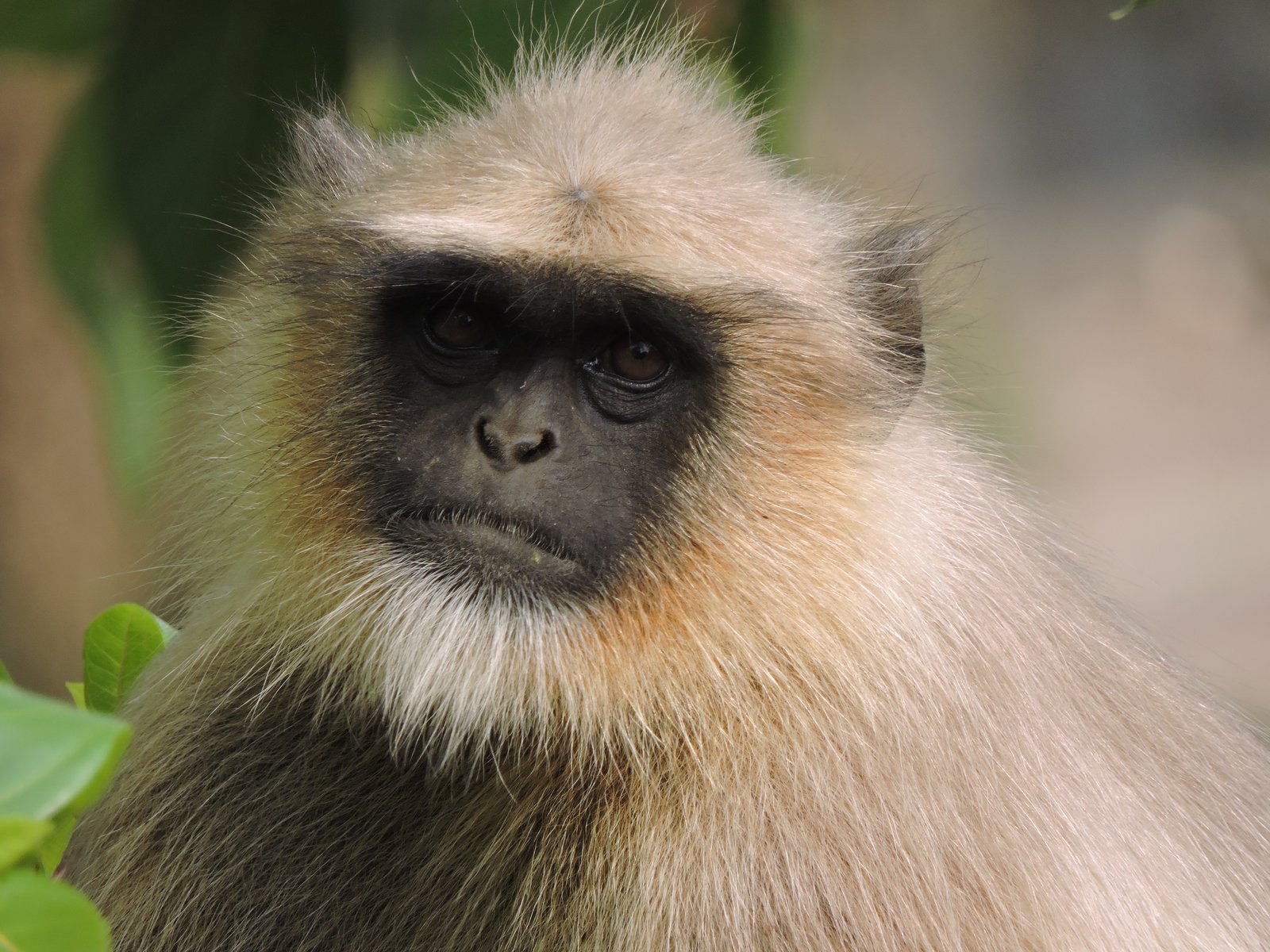
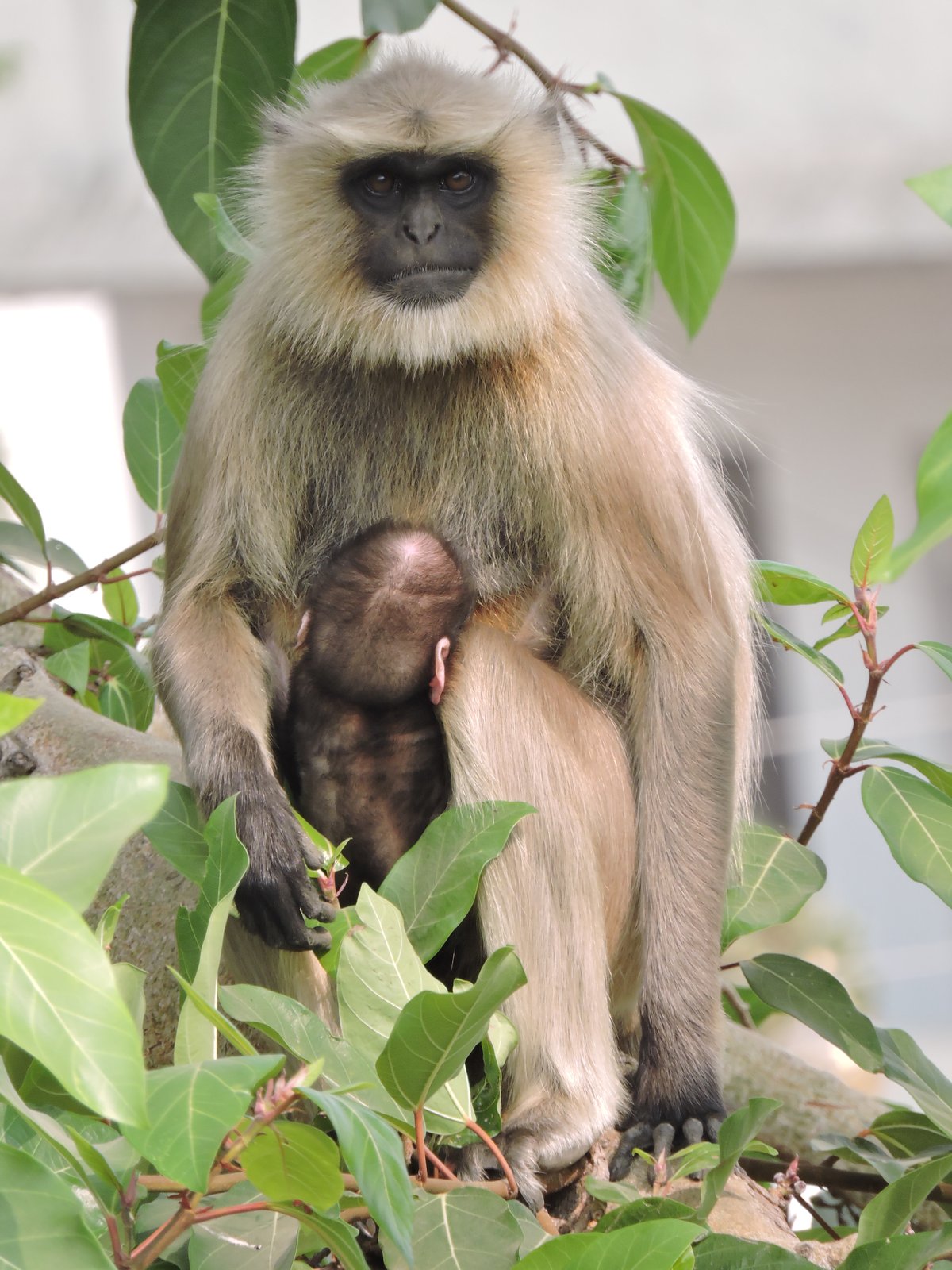
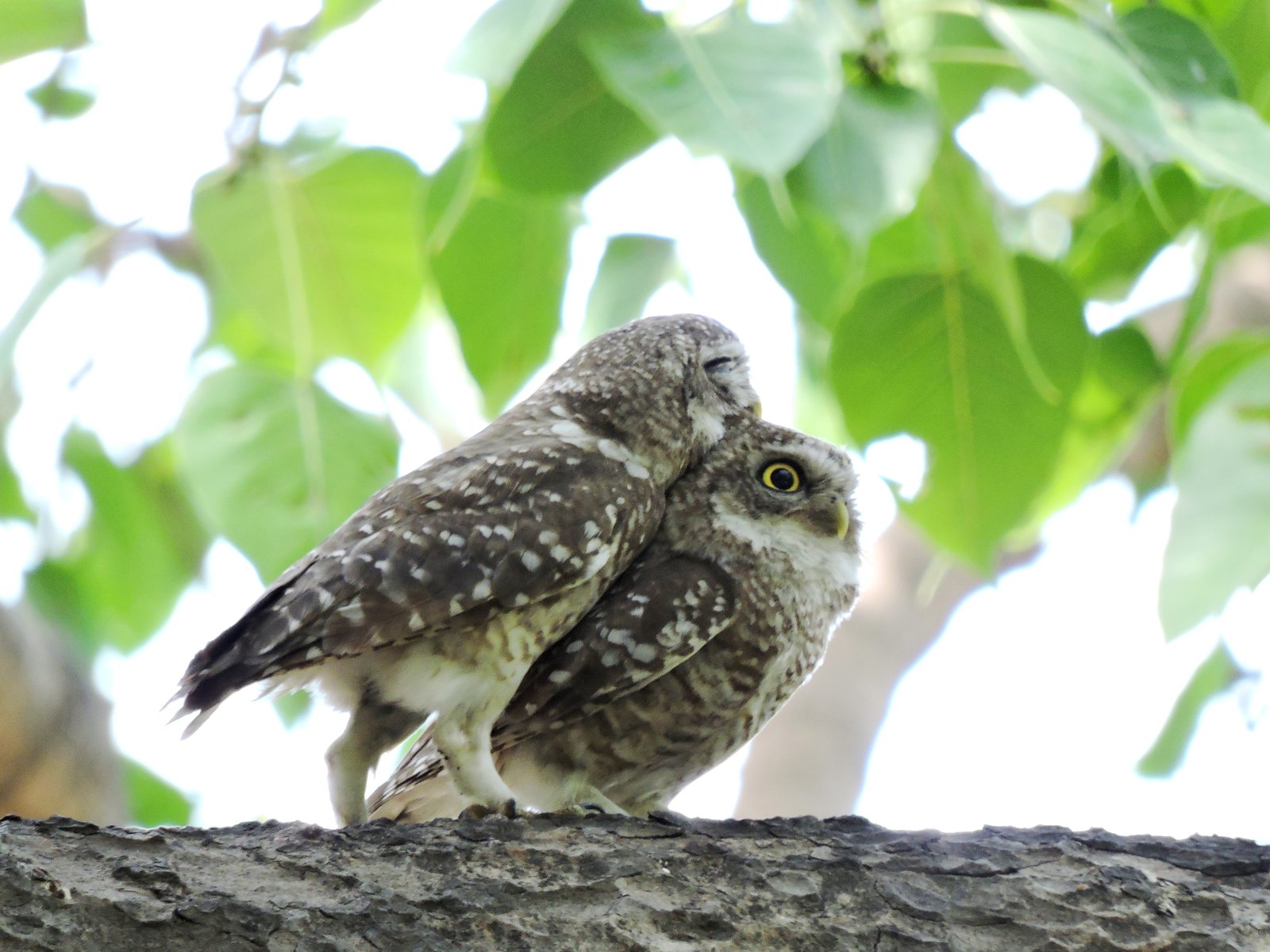
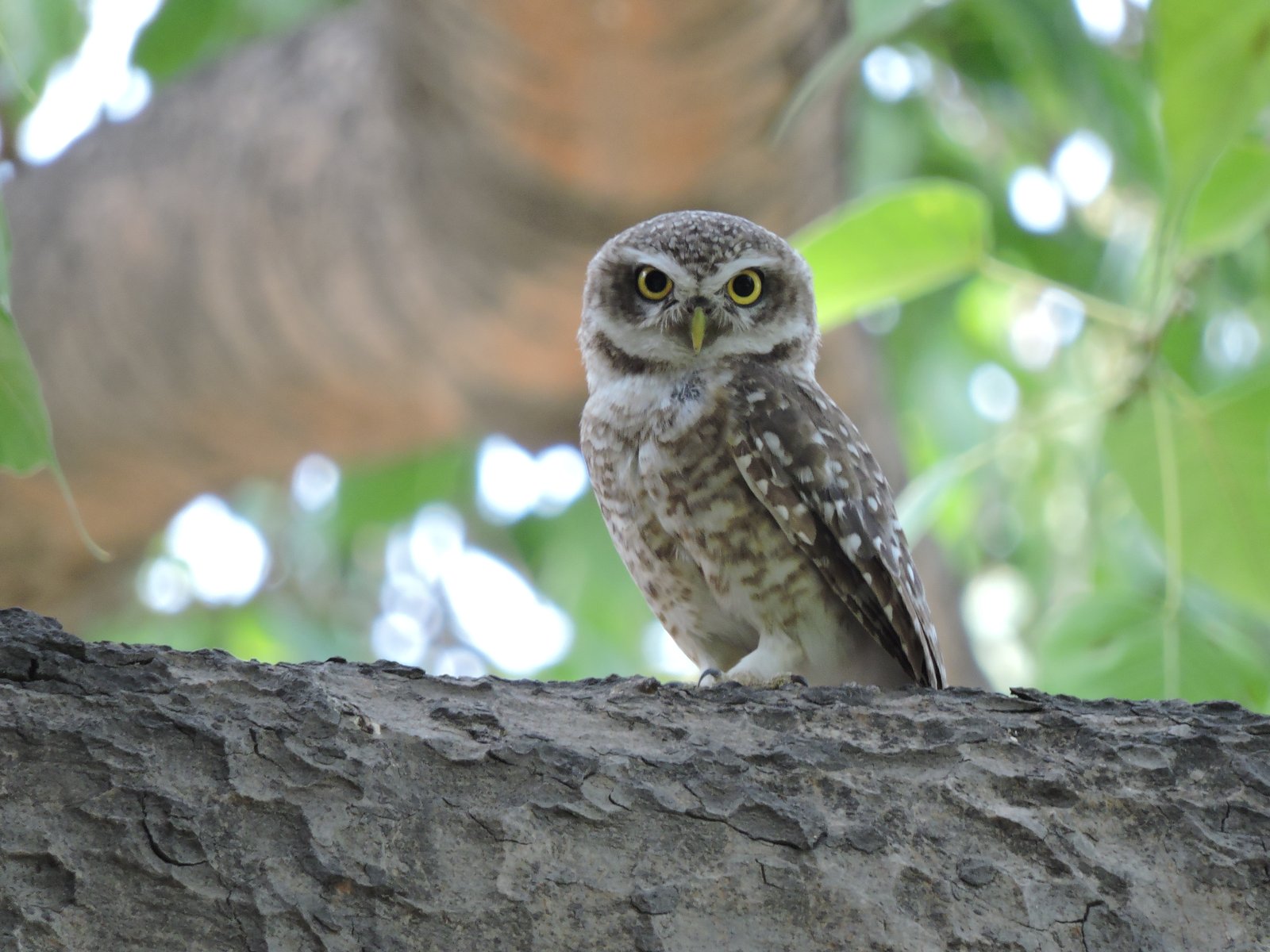
A 178 sq km protected wildlife reserve in the Satpura hills home to leopards, sloth bears, chital deer, barking deer, flying squirrels, and the British Forest Rest House at Langda Amba.
Timings: 6:00 AM to 6:00 PM daily
Fee: Forest department entry fee applies
Route: Located 20 km north in the Satpura hills.
2. Shree Manudevi Temple & Waterfall (Adavad / 20 km)
A revered kuldevi pilgrimage shrine tucked into a forested Satpura mountain gorge featuring a 400 foot natural waterfall, walking trails, and sacred pond.
Timings: 6:00 AM to 7:00 PM daily
Fee: Free access
Route: Located 20 km northwest via Adavad.
3. Yawal Historic Bhuikot Fort (Nimbalkar Fort / 18th Century)
A historic ground fort built on the banks of the Sur River by Maratha Nimbalkar sardars, featuring massive stone bastions and arched entry gates.
Timings: Daylight hours (6:00 AM to 6:00 PM)
Fee: Free entry
Route: Located in central Yawal along Sur River.
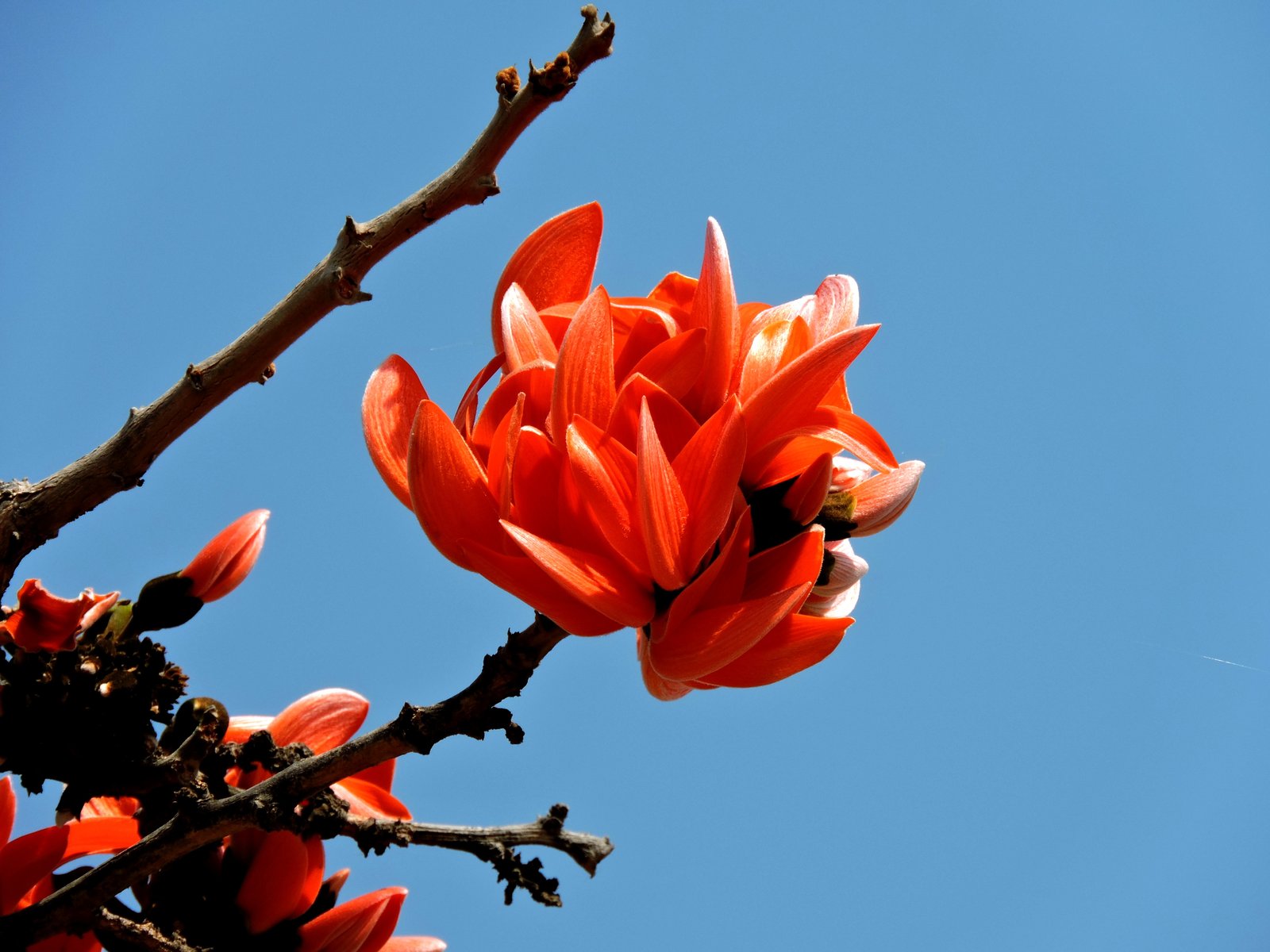
4. Surwan & Tapi River Basin Farmlands & Countryside
Lush alluvial agricultural plains famous for producing millions of tons of export quality Grand Naine bananas and raw cotton crops.
Timings: Daylight hours
Fee: Free access
Route: Located around town perimeter.
5. Bhusawal Tapi River Viaduct & Rail Hub (Day Trip / 18 km)
A premier Central Railway junction and historic riverfront bridge across the holy Tapi River, famous for railway heritage and evening views.
Timings: Open all hours
Fee: Free viewing
Route: Located 18 km south via SH 4.
6. Asirgarh Historic Hilltop Fort (Day Trip / 45 km)
The colossal Gateway to the Deccan fortress crowning the Satpura peaks, holding medieval mosques, ancient Shiva temples, and panoramic valley views.
Timings: 6:00 AM to 6:00 PM daily
Fee: ASI entry tickets apply
Route: Located 45 km east via Burhanpur road.
7. Jalgaon Gandhi Teerth & Research Foundation (Day Trip / 40 km)
A world class audio guided museum set in sprawling mango groves, showcasing Mahatma Gandhi's philosophy, spinning charkhas, and freedom archives.
Timings: 9:00 AM to 6:00 PM (Closed Mondays)
Fee: Museum entry fee applies
Route: Located 40 km southwest in Jalgaon.
8. Shree Vitthal Temple & Ancient Kund (Yawal)
An 18th century stone temple dedicated to Lord Vitthal and Rukmini holding carved wooden pillars, festival mandapas, and peaceful prayer halls.
Timings: 6:00 AM to 8:00 PM daily
Fee: Free access
Route: Located in old town center.
9. Unapdev Natural Hot Sulfur Springs (Chopda / 35 km)
A natural hot spring flowing from a carved stone cow mouth (Gomukh) in the Satpura foothills, renowned for skin healing mineral properties.
Timings: 6:00 AM to 7:00 PM daily
Fee: Free access
Route: Located 35 km west near Chopda.
10. Raver Historic Banana Mandis & Farmlands (25 km)
The premier agricultural market hub of Khandesh where thousands of tons of fresh green bananas are traded daily for national distribution.
Timings: Daylight hours
Fee: Free viewing
Route: Located 25 km east along SH 4.
11. Langda Amba British Forest Rest House (Yawal Sanctuary)
A colonial era heritage forest bungalow built in dense teak woods, offering an authentic wilderness stay experience for wildlife researchers.
Timings: Forest permit required
Fee: Forest department tariff
Route: Located inside Yawal sanctuary.
12. Yawal Cotton, Jaggery & Spice Bazaars
A lively shopping market where visitors can buy authentic Khandeshi kala masala powders, banana chips, pure ghee sweets, and raw cotton fabrics.
Timings: 8:30 AM to 8:30 PM daily
Fee: Free access
Route: Located along Station Road.
Yawal Photo Gallery & Attractions
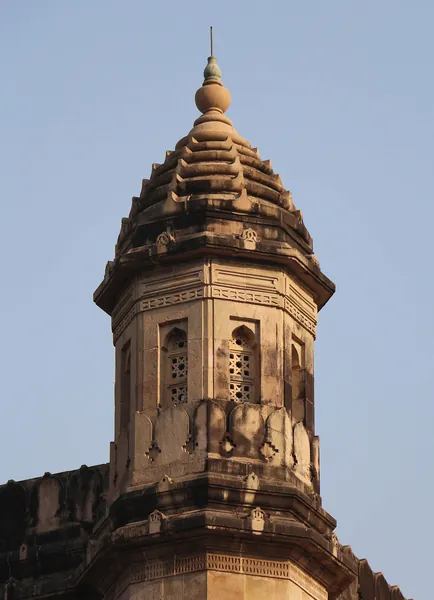
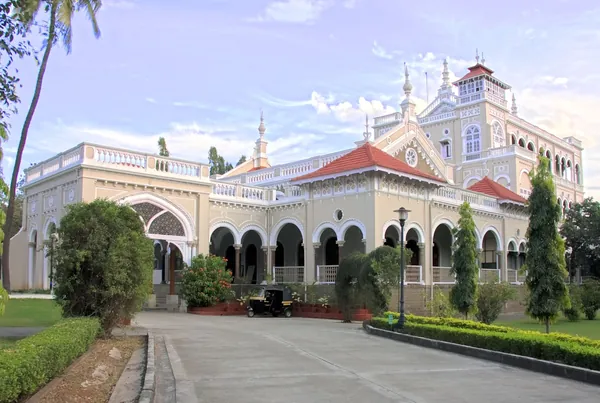
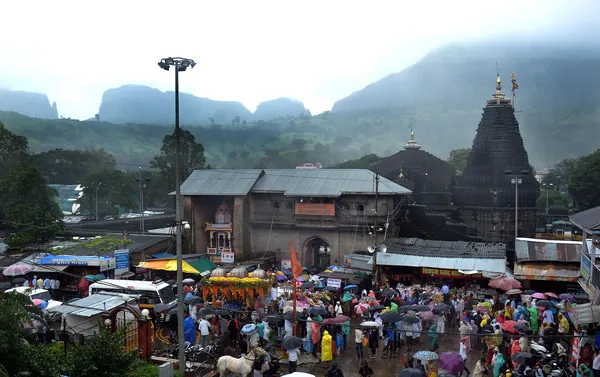
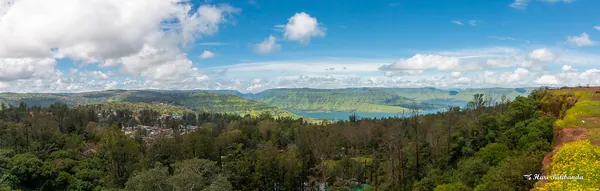
Explore high-resolution photographs of iconic temples, historical monuments, and scenic landmarks in Yawal.
Plan Your Yawal Trip Now
Get the best verified hotel deals and customized tour packages. Book directly on EarthTrip and save up to 45%!