Bhopal — Travel Guide
Bhopal (the enchanting "City of Lakes" and capital of Madhya Pradesh, founded by the visionary 11th-century Paramara King Raja Bhoj and ruled for over a century by a legendary succession of progressive female Muslim monarchs known as the *Begums of Bhopal*, situated in the Malwa plateau at an elevation of 500 meters above sea level), is Central India's premier cultural, artistic, and administrative capital.
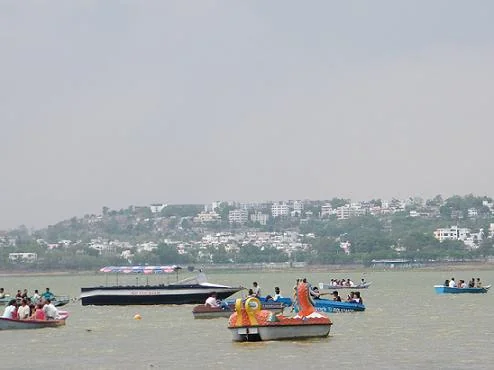
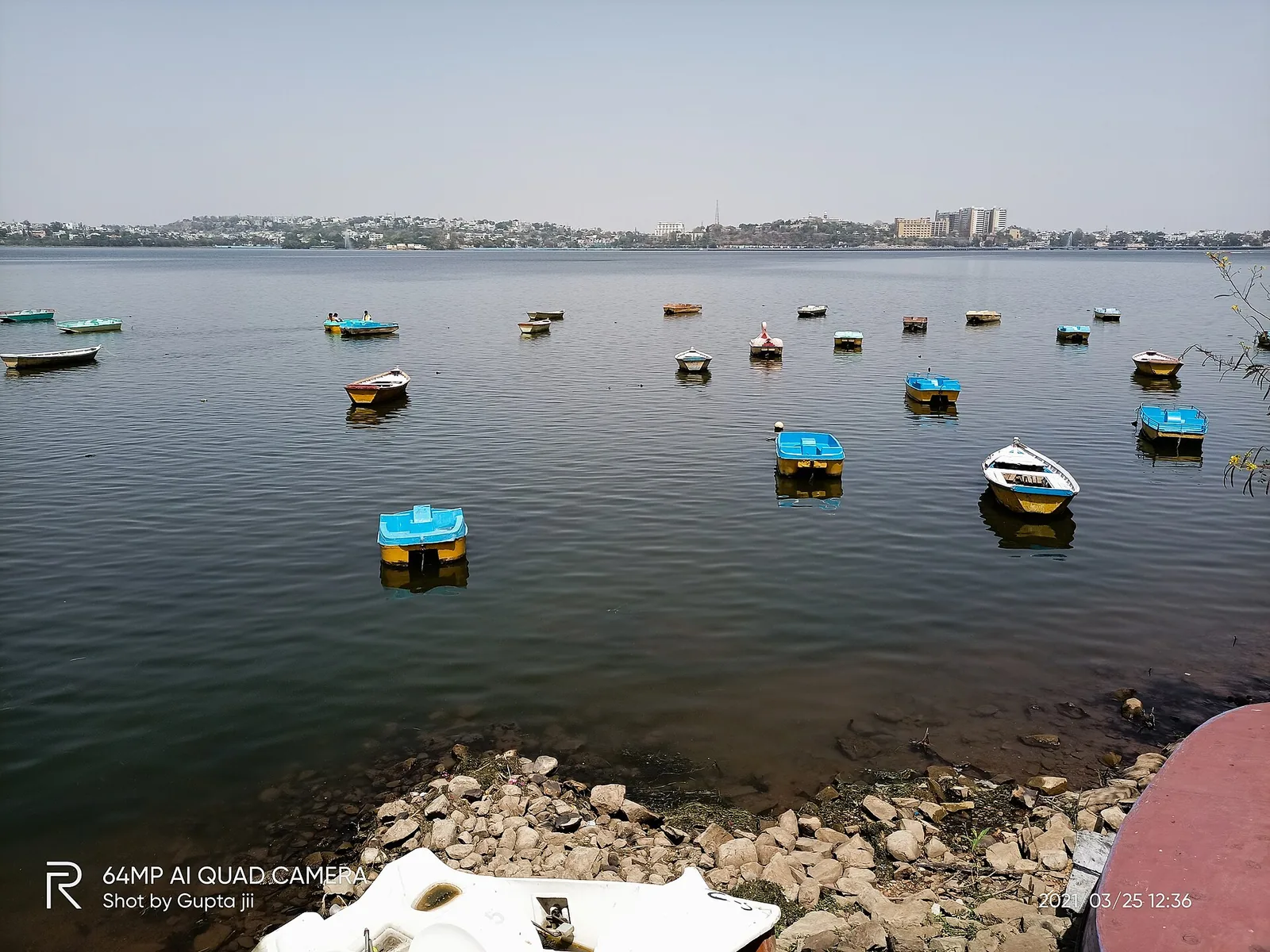 Upper Lake (Bhojtal) — Asia's Oldest 1005 AD Manmade Lake, Marine Drive & Statue of Raja Bhoj
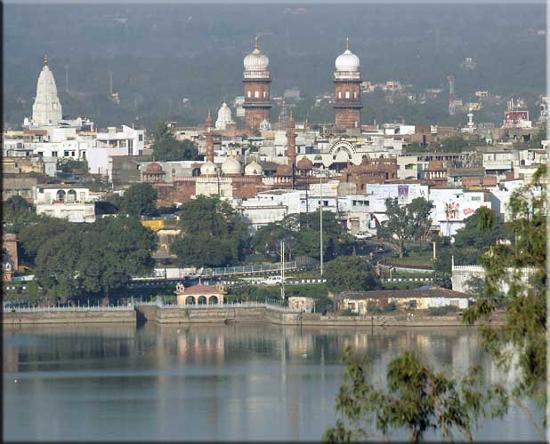
Effortlessly balancing two starkly contrasting worlds — the historic old walled quarter adorned with bustling bazaars, labyrinthine alleys, and monumental Mughal Gothic mosques, and the modern planned metropolis filled with wide boulevards, multi arts complexes designed by Charles Correa, and tranquil lakeside promenades — Bhopal is Central India's finest heritage metropolis.
The city is famous globally for its twin lakes, monumental Islamic architecture, acclaimed tribal museums, wildlife reserves, and proximity to two UNESCO World Heritage Sites: the colossal 31 square kilometer Upper Lake (Bhojtal) (Asia's oldest manmade lake built by Raja Bhoj in 1005 AD, featuring scenic boat clubs, VIP Road Marine Drive, and the iconic statue of Raja Bhoj), the historic Lower Lake (Chhota Talaab), the monumental Taj-ul-Masajid (one of the largest mosques in Asia, featuring a grand pink sandstone facade, octagonal minarets, and a vast marble prayer hall accommodating over 175,000 worshippers), the immersive Madhya Pradesh Tribal Museum (a world class cultural institution showcasing life sized indigenous dwellings, myths, and sacred tribal art of the Bhil, Gond, Baiga, and Korku communities), the open air Indira Gandhi Rashtriya Manav Sangrahalaya (Museum of Mankind) sprawling across 200 acres on Shyamla Hills, the iconic Bharat Bhavan multi arts complex, the open zoo lakeside sanctuary Van Vihar National Park, the historic Shaukat Mahal & Sadar Manzil, the colossal 11th century monolithic Bhojpur Shiva Temple housing the world's tallest 7.5 foot lingam, and Bhopal's role as the primary launching pad to two international UNESCO World Heritage Sites: the 3rd century BCE Sanchi Great Stupa (46 km northeast) and the 30,000 year old Paleolithic Bhimbetka Rock Shelters (45 km south).
Connected via 6 lane expressways, Western Central Railway trunk lines (including the state of the art Rani Kamlapati Railway Station), and Raja Bhoj Airport just 190 km from Indore, 135 km from Ujjain, 300 km from Jabalpur, 330 km from Gwalior, and 600 km from Delhi, Bhopal is Central India's natural and cultural hub.
Best Time to Visit Bhopal:
- October to March (Winter / Best Season): Mild, sunny, and pleasant weather (10°C to 26°C), ideal for exploring lakes, visiting Sanchi and Bhimbetka, and attending cultural festivals.
- July to September (Monsoon): Lakes are full, and the surrounding hill ranges turn lush emerald green.
- April to June (Summer): Warm days (36°C to 44°C).
Famous Bhopal & Nawabi/Bhopali Culinary Specialties:
- Bhopali Mutton Rezala & Roghan Josh: Tender meat cooked in a rich gravy of yogurt, poppy seeds, cashew paste, and whole aromatic spices.
- Bhopali Seekh Kebab: Melt in the mouth spiced minced lamb skewers grilled over charcoal in historic Chatori Gali.
- Poha Jalebi with Sev: The iconic Malwa breakfast of steaming spiced flattened rice topped with ratlami sev and paired with crispy golden jalebis.
- Shahi Tukda: Crispy ghee fried bread soaked in saffron infused sugar syrup and topped with thick rabri and pistachios.
- Sulaimani Namkeen Chai: Traditional salted pink tea brewed with spices.
By Train:
Rani Kamlapati Railway Station (Station Code: RKMP - India's 1st Ultra-Modern Station) & Bhopal Junction (BPL): Premier railway junction on Delhi Mumbai and Delhi Chennai mainlines. Vande Bharat Express (connecting Bhopal to Delhi in 7.5 hours, Bhopal to Jabalpur in 4.5 hours, and Bhopal to Indore in 3 hours), Bhopal Shatabdi, Rajdhani Express, and over 200 daily superfast trains connect Bhopal to Mumbai, Delhi, Bengaluru, Chennai, Kolkata, Ahmedabad, and Hyderabad.
By Air:
Raja Bhoj International Airport (Airport Code: BHO - Gandhi Nagar 15 km northwest): Modern integrated terminal operating daily direct flights to Delhi, Mumbai, Bengaluru, Hyderabad, Ahmedabad, Raipur, and Jaipur.
By Road & Expressway:
- From Indore (~190 km / 3 hours): Via 4 lane Bhopal Indore State Highway / Expressway.
- From Ujjain (~135 km / 2.5 hours): Via SH-18 through Dewas.
- From Jabalpur (~300 km / 5.5 hours): Via 4 lane NH-45.
- From Gwalior (~330 km / 6 hours): Via 4 lane NH-46.
- MP Tourism and state roadways operate luxury Volvo and AC Sleeper buses from Kushabhau Thakre ISBT and Halalpura Bus Stand.
Local Transport:
Bhopal Citylink MyBus low floor AC buses, auto rickshaws, battery operated e rickshaws, and app based cabs provide smooth transit across the capital.
Shopping in Bhopal features Zari Zardozi embroidery, Batua purses, Chanderi sarees, and tribal art:
- Chowk Bazaar, New Market, Sarafa & MP Mrignayani Emporium: Authentic **Handcrafted Bhopali Zari Zardozi Purses & Velvet Batuas**, genuine **Handloom Chanderi & Maheshwari Silk Sarees**, colorful **Tribal Gond Paintings & Dhokra Metal Art**, and traditional **Bhopali Natural Perfumes (Ittar)**.
Must-Visit Places in Bhopal
Bhopal features historic lakes, grand mosques, world class tribal museums, and UNESCO heritage monuments:
1. Upper Lake (Bhojtal & VIP Road Marine Drive - Asia's Oldest 1005 AD Manmade Lake)
Created in the 11th century by Paramara King Raja Bhoj across 31 square kilometers, this vast waterbody is the lifeline of Bhopal. Lined by the picturesque VIP Road Marine Drive, it features sailing clubs, paddle boats, speedboats, and a massive bronze statue of Raja Bhoj standing in the water.
Upper Lake (Bhojtal) — 1005 AD Royal Water Reservoir and VIP Road Promenade
2. Taj-ul-Masajid (One of Asia's Largest Mosques & 206-Foot Pink Minarets)
Meaning "Crown Among Mosques", this colossal Islamic monument was initiated by Nawab Shah Jahan Begum. It boasts soaring 206 foot pink sandstone minarets, marble white onion domes, and an expansive courtyard capable of holding over 175,000 devotees during annual congregation prayers.
 Taj-ul-Masajid — One of Asia's Largest Mosques with 206-Foot Pink Minarets
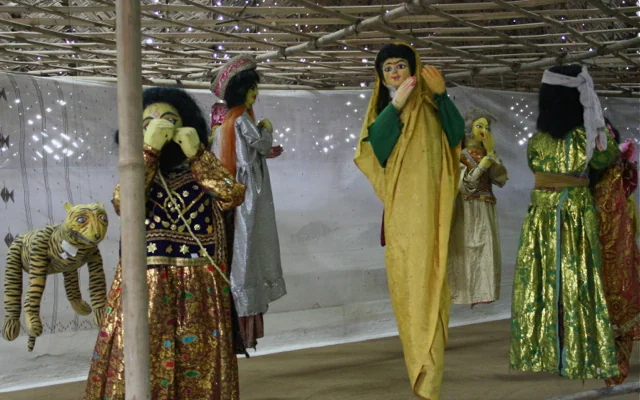
3. Madhya Pradesh Tribal Museum (Award-Winning Immersive Folk & Indigenous Art Sanctuary)
One of India's most imaginative experiential museums. Six thematic galleries display life sized traditional huts, towering tribal totems, wedding rituals, musical instruments, and mystical cosmological artworks of the Gond, Bhil, Baiga, Sahariya, and Korku tribal nations.
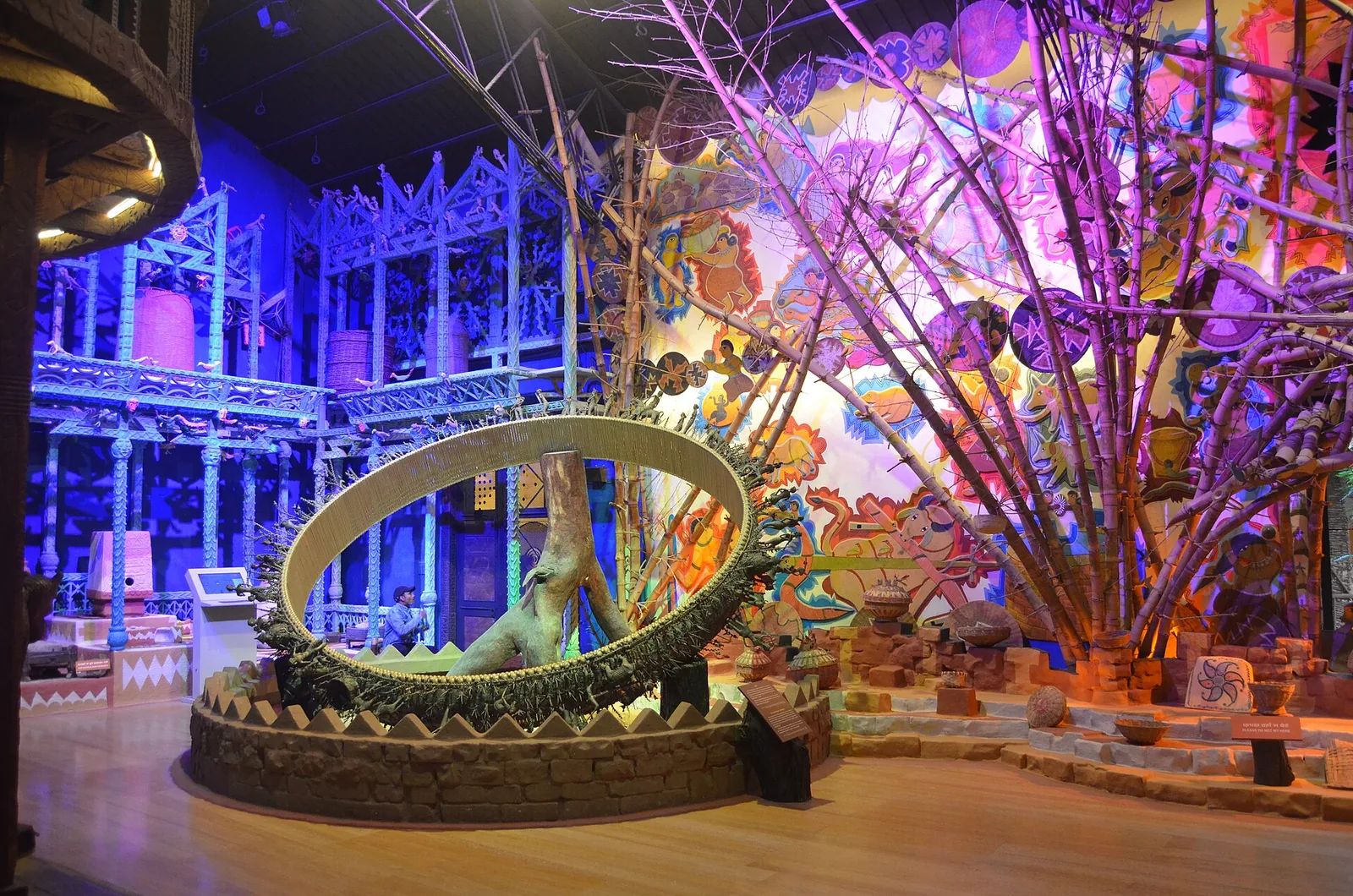 Madhya Pradesh Tribal Museum — Immersive Living Tribal Art and Architecture Galleries
4. Sanchi Stupa (UNESCO World Heritage Site 3rd Century BCE Great Stupa - 46 km)
Commissioned by Mauryan Emperor Ashoka in the 3rd century BCE, this iconic hemispherical dome enshrines sacred Buddhist relics. Its four intricately carved *Toranas* (gateways) depict Jataka tales, life episodes of Lord Buddha, and ancient Mauryan architectural iconography.
 Sanchi Stupa — UNESCO World Heritage 3rd-Century BCE Buddhist Masterpiece
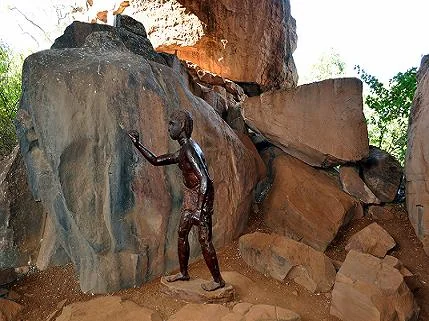
5. Bhimbetka Rock Shelters (UNESCO World Heritage Site 30,000-Year-Old Cave Art - 45 km)
A mesmerizing archaeological wonder in the foothills of the Vindhya Mountains. Over 750 rock shelters contain prehistoric cave paintings dating from the Upper Paleolithic to medieval eras, depicting hunting scenes, animal dances, and early human ceremonial rituals in natural mineral pigments.
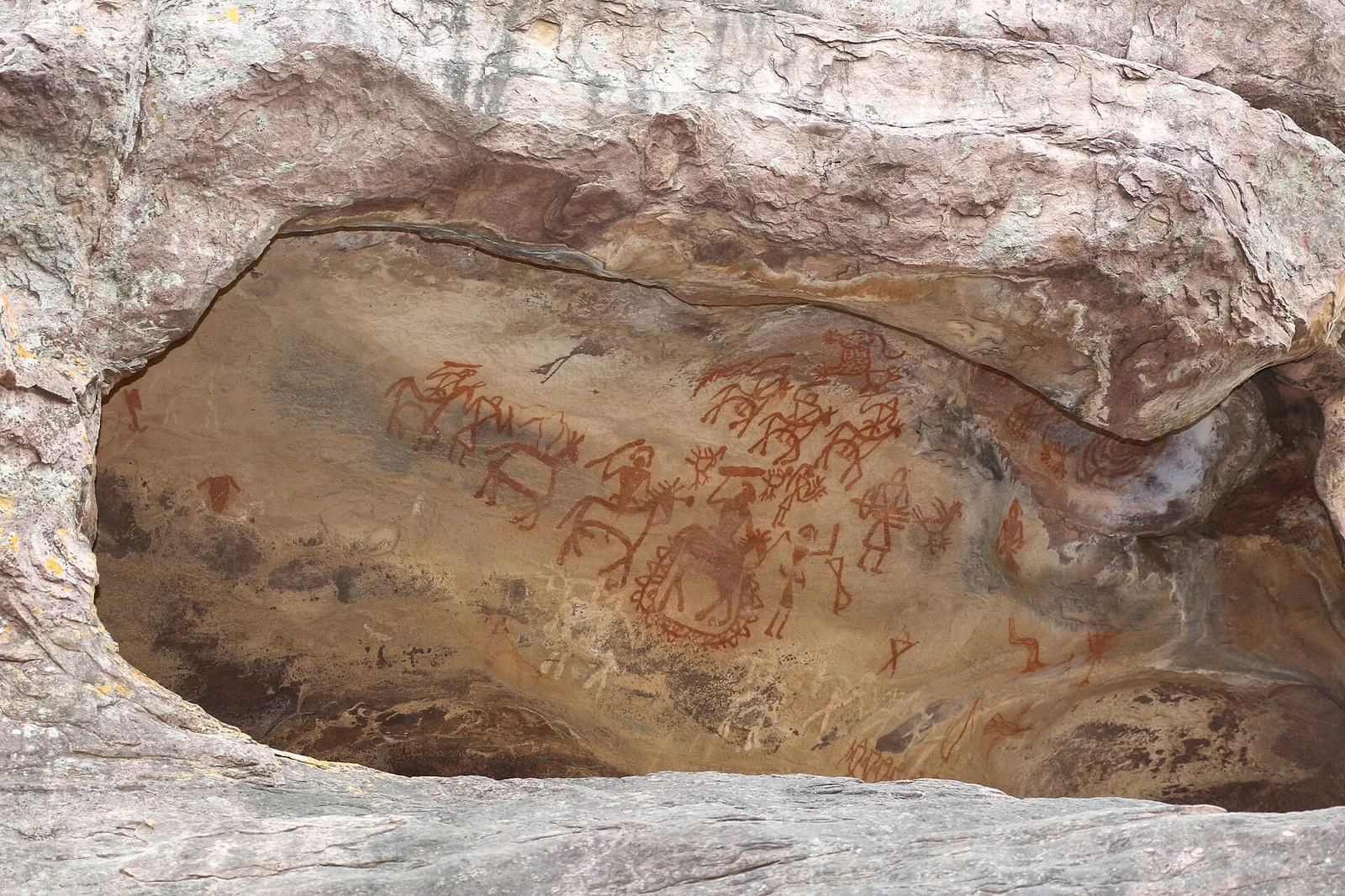 Bhimbetka Rock Shelters — UNESCO World Heritage 30,000-Year-Old Prehistoric Cave Art
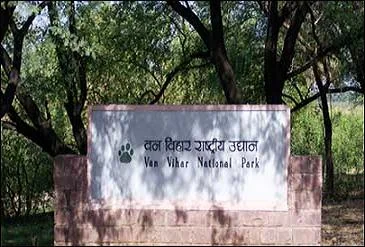
6. Van Vihar National Park & Safari (Open-Air Lakeside Zoological Wetland Reserve)
A declared national park spanning 4.45 square kilometers along the bank of the Upper Lake. It functions as an open air sanctuary where herbivores roam free, alongside enclosures for tigers, leopards, sloth bears, and mugger crocodiles.
7. Bharat Bhavan & Roopankar Museum (Charles Correa Multi-Arts Center on Upper Lake)
A multi arts complex designed by renowned architect Charles Correa on the cascading slopes of Shamla Hills overlooking the lake, featuring contemporary art galleries, an open air amphitheater, and poetry archives.
8. Indira Gandhi Rashtriya Manav Sangrahalaya (200-Acre Open-Air Museum of Mankind)
Spread over 200 acres on Shyamla Hills, this national anthropological museum features full scale tribal habitations, rock art heritage, and open air exhibits illustrating human cultural evolution.
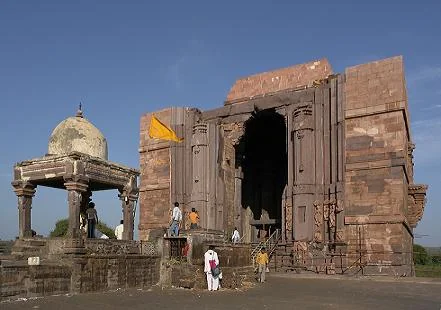
9. Bhojpur Shiva Temple (1116 AD Unfinished Monolithic Mandir & Giant 7.5-Foot Lingam - 28 km)
An unfinished 11th century temple built by King Raja Bhoj, housing a colossal 7.5 foot single piece polished quartzite Shiva Lingam resting on an enormous 20 foot pedestal.
Popular Hotels in Bhopal
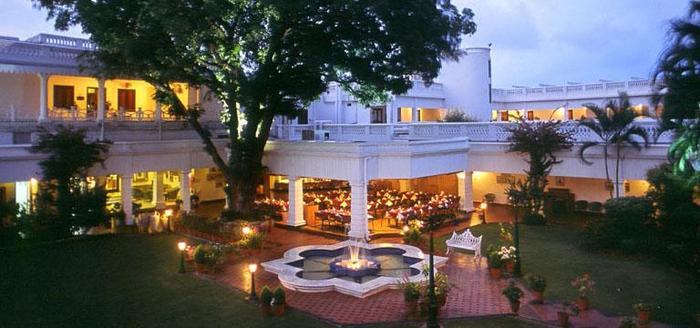 Hotel
Hotel
 Hotel
Hotel
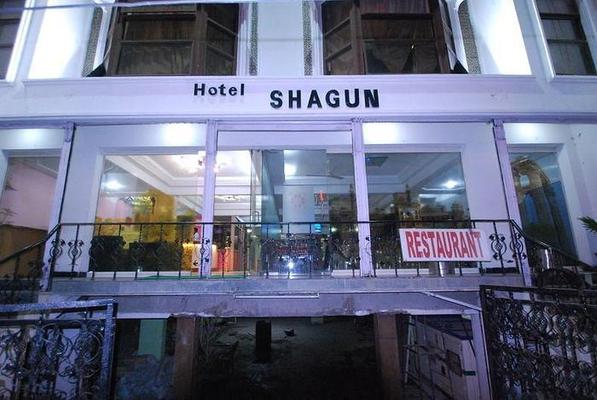 Hotel
Hotel
 Hotel
Hotel
 Hotel
Hotel
 Hotel
Hotel
 Hotel
Hotel
 Hotel
Hotel
 Hotel
Hotel
 Hotel
Hotel
Top Places to Visit in Bhopal
Bhopal Photo Gallery & Attractions
Explore high-resolution photographs of iconic temples, historical monuments, and scenic landmarks in Bhopal.
Plan Your Bhopal Trip Now
Get the best verified hotel deals and customized tour packages. Book directly on EarthTrip and save up to 45%!