- .
- info@earthtrip.in
-
INR
-
USD
INR
USD
Naranag is an ancient archaeological and pilgrimage settlement located in the Wangath valley of Ganderbal district, near the foothills of Mount Harmukh. Si...
Naranag is an ancient archaeological and pilgrimage settlement located in the Wangath valley of Ganderbal district, near the foothills of Mount Harmukh. Situated at an elevation of 2,121 meters, this historic village is celebrated across Kashmir for the ruined 8th century temple complex built under King Lalitaditya Muktapida of the Karkota dynasty. Surrounded by dense pine forests and fast flowing mountain streams, Naranag holds deep historical importance as a major Shaivite center of classical Kashmiri temple architecture.
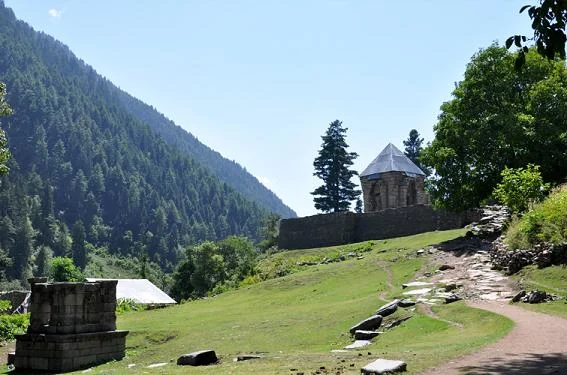
The monolithic granite stone temples and natural spring pool at the 8th century Naranag archaeological complex.
The temple complex is divided into two distinct stone clusters comprising seventeen stone structures built from massive blocks of grey granite. The eastern group features the main Shiva Bhuteshwara shrine with a pedimented doorway and tiered stone roof, while the western group contains the shrine of Shiva Jyestheshwara. A natural freshwater spring basin, known locally as Narannag Kund, fills the stone tanks with icy subterranean water where pilgrims bathed before offering prayers.
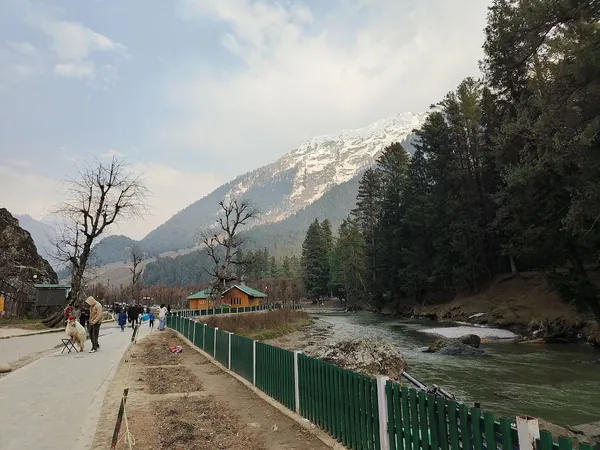
Beyond its rich archaeological legacy, Naranag is the primary base camp for popular trekking routes across the Sindh and Wangath valleys. Trekkers heading toward sacred Gangabal Lake and Mount Harmukh begin their steep ascent directly from behind the stone temples. You can easily combine a day trip here with sightseeing across Sonamarg, walking through Gujjar shepherd hamlets along the Wangath River.
Recognized as a protected monument of national importance by the Archaeological Survey of India (ASI), Naranag has undergone careful stone conservation to preserve its monolithic pillars and carved plinths. Kalhana's historical chronicle, the Rajatarangini, makes detailed mention of Naranag as a renowned university seat and royal pilgrimage center visited by kings and scholars throughout the medieval era.
The Wangath stream flowing beside Naranag village is widely recognized for cold water brown trout angling. Anglers can set up camp along the grassy riverbanks with day permits obtained from the Fisheries Department. Hikers can also take shorter 3 to 4 hour walking excursions through surrounding pine and deodar forests toward scenic high alpine pastures.
Reaching Naranag from major transportation hubs across Jammu and Kashmir is simple via road travel:
Naranag offers distinct attractions across different seasons for heritage exploration and trekking:
 Pilgrimage
 ★★★ Hotel
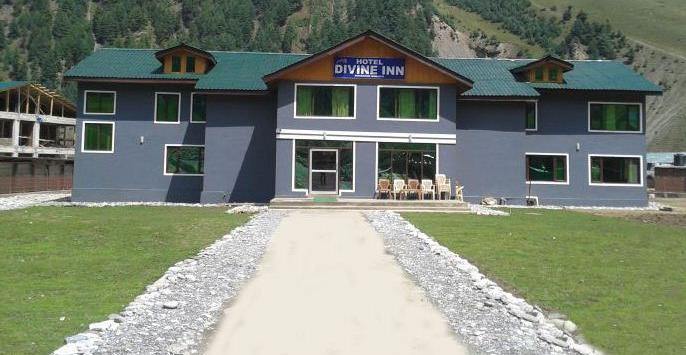
Hotel Divine Inn is situated on the bank’s of river Sindh that flows the meadow of gold …
View Hotel Details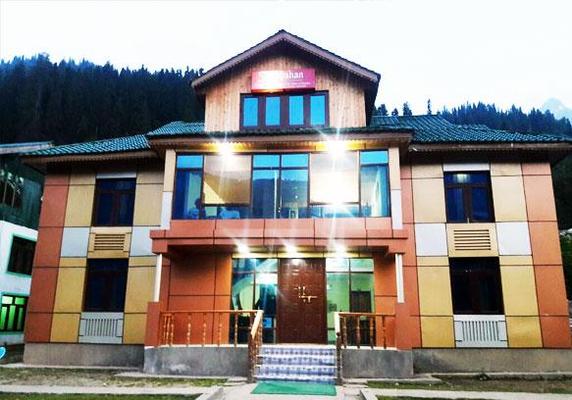 ★★ Hotel
Hotel Shahijahan situated at an altitude of 2730 m, Sonamarg ("The meadow of gold") has, a…
View Hotel Details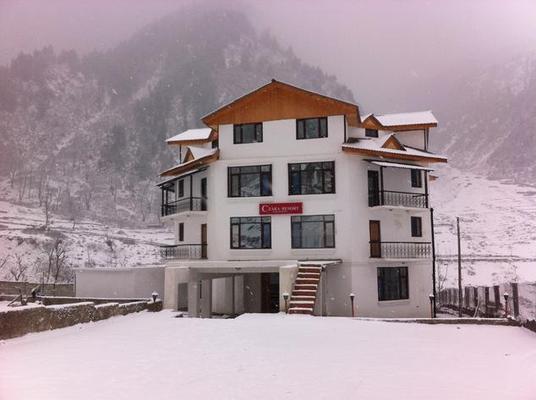 ★★★ Hotel
Czara Resort contributes its presence in rendering decent accommodation along with moderna…
View Hotel Details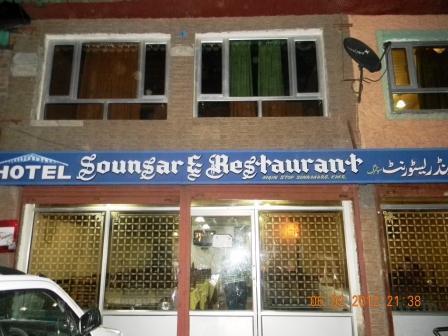 ★★ Hotel
Located only 50m from the Sindh river, these rooms are a comfortable option when visiting …
View Hotel Details ★★★★ Hotel
The Sultan Resort offers complimentary internet access and breakfast service to its patron…
View Hotel Details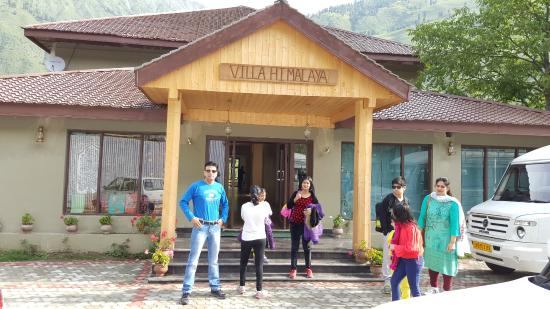 ★★ Hotel
The “Villa Himalaya†owned by a local family is an eco boutique hotel created for thos…
View Hotel Details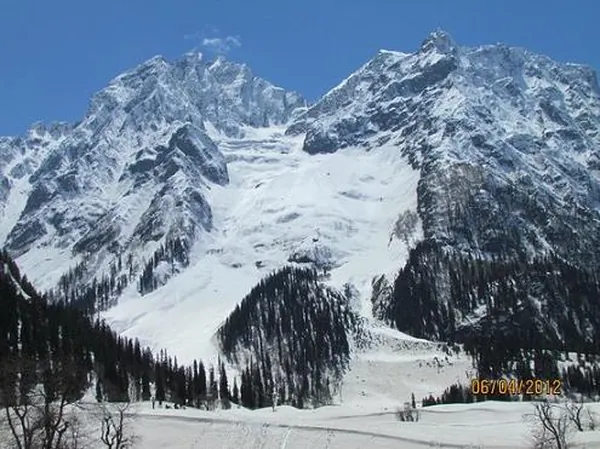 Attraction
Thajiwas Glacier is the most celebrated natural landmark of Sonamarg, located just three k…
Explore Thajiwas Glacier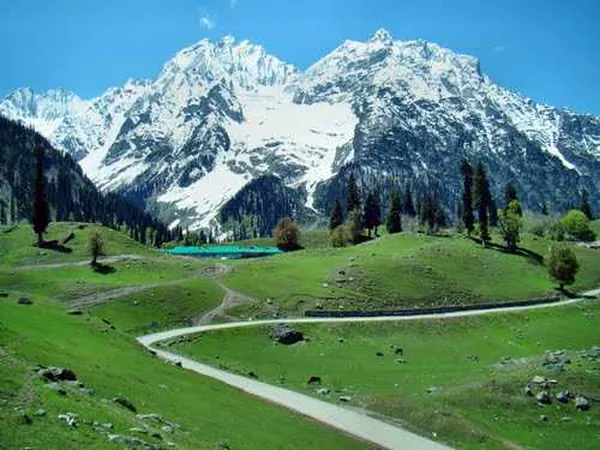 Attraction
Baltal is a scenic high altitude mountain valley situated along the banks of the Sindh Riv…
Explore Baltal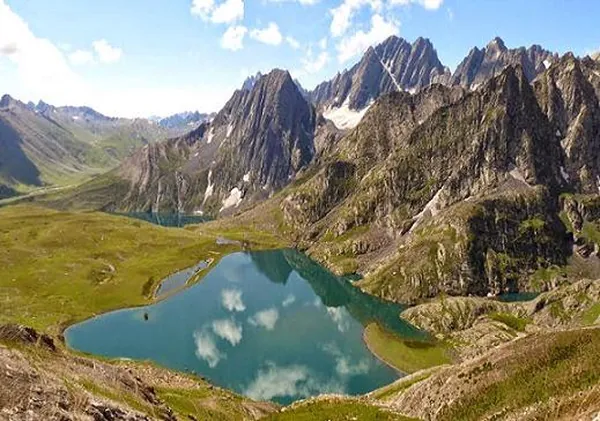 Attraction
Gangabal Lake lies at an elevation of 3,570 meters (11,712 feet) at the direct foot of sac…
Explore Gangabal Lake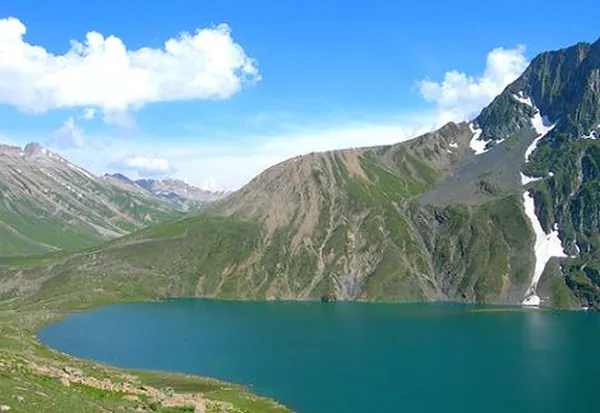 Attraction
Vishansar Lake sits at a commanding elevation of 3,710 meters (12,172 feet) in the high al…
Explore Vishansar Lake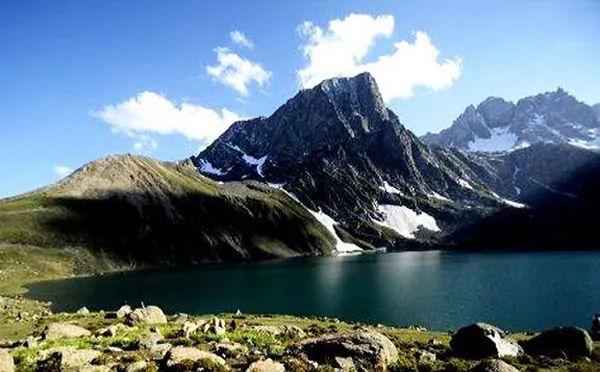 Attraction
Kishansar Lake lies at an elevation of 3,710 meters (12,172 feet) in the high alpine mount…
Explore Kishansar Lake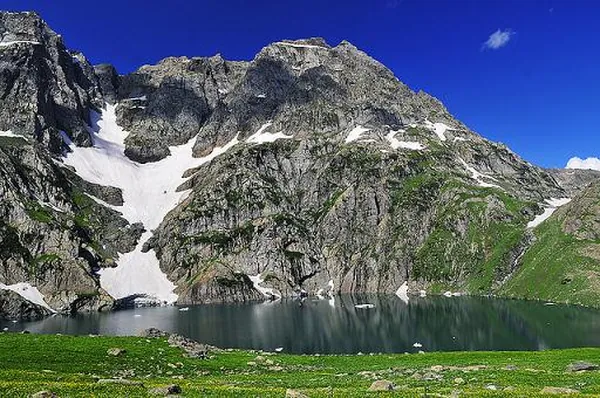 Attraction
Gadsar Lake rests at a striking elevation of 3,600 meters (11,811 feet) in the high alpine…
Explore Gadsar LakeExplore high-resolution photographs of iconic landmarks, temples, and scenic spots in Sonamarg.
Essential visitor information regarding timings, entry tickets, location, nearby attractions, and travel guide in Sonamarg.
Naranag is an 8th century stone temple complex built by King Lalitaditya Muktapida of the Karkota dynasty. Dedicated to Lord Shiva, it was one of ancient Kashmir's most important religious and philosophical centers, documented in Kalhana's Rajatarangini.
Naranag is located in the Wangath valley of Ganderbal district. It is roughly 50 km northeast of Srinagar (about 1.5 hours by car) and approximately 40 km from Sonamarg via Kangan.
Naranag is the starting and ending trailhead for the popular Gangabal Lake trek and the Mount Harmukh summit expedition, as well as the concluding point of the Kashmir Great Lakes trek.
No. Entry to the Naranag archaeological temple complex is completely free for all domestic and international visitors.
Yes. The Wangath River flowing through Naranag is famous for brown trout fishing. Anglers must obtain a valid day fishing permit from the Jammu and Kashmir Fisheries Department.
Get a customized itinerary and the best deals on packages and hotels.
Enquire Now