Guwahati — Travel Guide
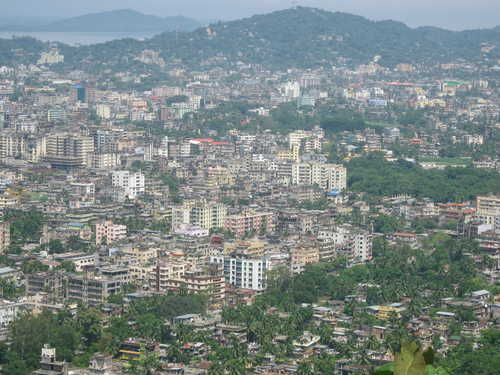
Guwahati (universally celebrated as the *"Gateway to North East India"*, *"Pragjyotishpura"* or the City of Eastern Astrology, the bustling metropolis of Assam, and the economic, cultural, and spiritual hub of the Seven Sister States, situated along the majestic southern bank of the mighty Brahmaputra River against the undulating green foothills of the Shillong Plateau at an elevation of 55 meters (180 ft) above sea level), is Northeast India's most iconic destination.
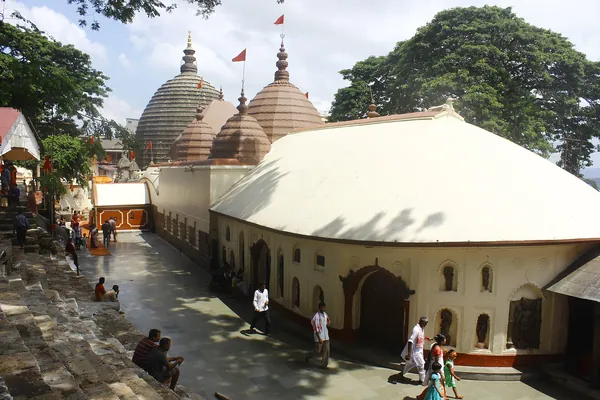
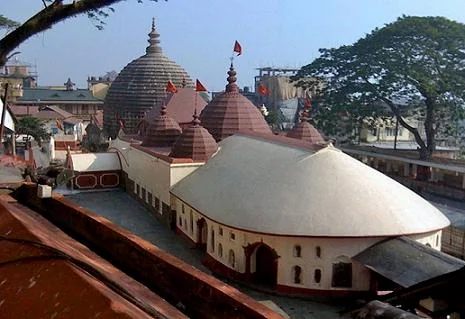
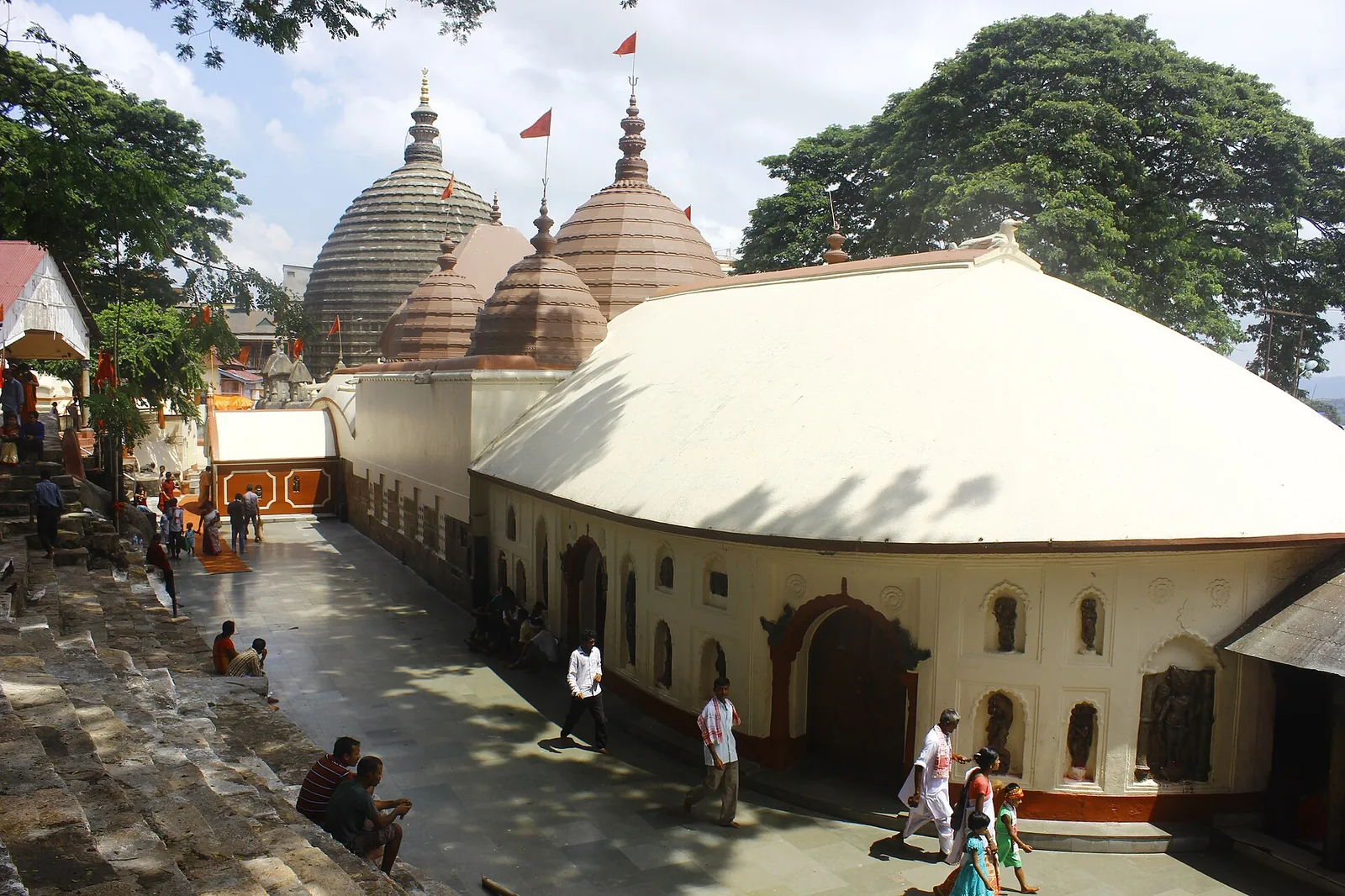 Maa Kamakhya Temple — 8th-Century Supreme Shakti Peeth and Beehive Spire atop Nilachal Hill in Guwahati
Seamlessly uniting ancient Tantric mysticism atop Nilachal Hill with sunset cruises along the roaring Brahmaputra, India's longest river ropeway, sacred river islands, vibrant Assamese silk emporiums, and the premier gateway to Meghalaya, Kaziranga, and Arunachal Pradesh, Guwahati is an extraordinary urban and natural wonder.
The city is famous globally for its venerable spiritual sanctuaries, river landscapes, and rich Assamese heritage: the legendary 8th century beehive domed Maa Kamakhya Temple atop Nilachal Hill (the supreme among the 51 Shakti Peethas where Goddess Sati's yoni fell, celebrated worldwide for the annual *Ambubachi Mela* fertility festival in June), the sacred 17th century Umananda Temple atop Peacock Island (perched on the world's smallest inhabited riverine island in the middle of the Brahmaputra, accessible by motorized wooden country boats and dedicated to Lord Shiva), the panoramic 1.8 kilometer Guwahati Ropeway (India's longest bidirectional river ropeway connecting Panbazar to North Guwahati with sweeping river vistas), the sprawling cultural institution Srimanta Sankaradev Kalakshetra (housing the Sahitya Bhavan, Lalit Kala art gallery, and open air theater showcasing the classical Sattriya dance, Bihu traditions, and tribal lifestyle of Assam), the pristine Deepor Beel Ramsar Wetland & Bird Sanctuary (18 km) (a haven for wild Asian elephants and over 200 species of migratory birds including the endangered Greater Adjutant Stork), the ancient astronomical Navagraha Temple atop Chitrachal Hill, the 175 hectare Assam State Zoo cum Botanical Garden (home to the Great Indian One Horned Rhinoceros, clouded leopards, and golden langurs), the sunset dinner cruises on the Alfresco Grand Brahmaputra River Cruise, the nearby one horned rhino haven Pobitora Wildlife Sanctuary (45 km), the silk weaving town Sualkuchi (32 km), and Guwahati's seamless connectivity to Shillong (100 km), Kaziranga (195 km), Tezpur (180 km), and Siliguri (450 km).
Located seamlessly just 100 km north of Meghalaya capital Shillong, 195 km west of Kaziranga, and 20 km from Lokpriya Gopinath Bordoloi International Airport (GAU), Guwahati is the undisputed heart of Northeast Indian exploration.
Best Time to Visit Guwahati:
- October to April (Winter / Best Season): Pleasant, crisp, and sunny weather (10°C to 25°C), ideal for visiting Kamakhya Temple, Brahmaputra river cruises, ropeway rides, exploring Deepor Beel, and day trips to Pobitora and Shillong.
- January (Magh Bihu): Harvest festival with traditional feast bonfires and folk dancing.
- June (Ambubachi Mela): Grandest Tantric gathering in India as thousands of sadhus congregate at Kamakhya Temple.
- May to September (Monsoon): Heavy tropical rains with the Brahmaputra in roaring spate.
- April to May (Rongali Bihu / Assamese New Year): Cultural spring carnival.
Famous Guwahati & Assamese Culinary Specialties:
- Traditional Assamese Thali: Wholesome platter of raw papaya Khaar, leafy saag, aromatic Joha rice, mashed potato pitika, and lentils served in traditional bell metal Kanh tableware.
- Masor Tenga: Refreshing tangy river fish curry cooked with ripe tomatoes, lemon juice, or elephant apple Ou Tenga.
- Duck Curry with Ash Gourd (Kumura Diya Hahor Mangxo): Tender country duck meat simmered with winter gourd, whole black pepper, and ginger garlic paste.
- Pork with Bamboo Shoot & Bhut Jolokia: Slow cooked pork infused with pungent fermented bamboo shoots and fiery ghost pepper chillies.
- Pitha & Laru: Rolled sticky rice crepes stuffed with roasted black sesame and molten jaggery (Til Pitha) and sweet coconut laddus.
By Train:
- Guwahati Railway Station (Station Code: GHY - City Center) & Kamakhya Junction (KYQ): Premier gateway of Northeast Frontier Railway. Daily Vande Bharat Express (Guwahati New Jalpaiguri), Rajdhani Express (Guwahati New Delhi), Saraighat Express (Guwahati Howrah), and Kamakhya Bengaluru AC Superfast connect Guwahati to Kolkata (17 hours), New Delhi (28 hours), Mumbai, and Chennai.
By Air:
- Lokpriya Gopinath Bordoloi International Airport (Airport Code: GAU - Borjhar, 20 km west): Major international hub with non stop daily flights to New Delhi, Kolkata, Mumbai, Bengaluru, Hyderabad, Chennai, and Bangkok. Pre paid AC taxis and ASTC AC Volvo electric buses run regularly to Paltan Bazar.
By Road:
- From Shillong (~100 km / 2.5 hours): Via scenic 4 lane NH-6 across Umiam Lake.
- From Kaziranga (~195 km / 4 hours): Via 4 lane NH-27.
- From Tezpur (~180 km / 3.5 hours): Via NH-15 and Kolia Bhomora Setu.
- ISBT Guwahati at Betkuchi operates round the clock AC Volvo and sleeper luxury buses to Shillong, Cherrapunji, Kaziranga, Jorhat, Dibrugarh, Silchar, and Imphal.
Shopping in Guwahati features golden Muga silk, Assamese bamboo crafts, and single-estate tea:
- Fancy Bazar, Panbazar, Nedfi Haat & Pragjyotika Assam Emporium: Authentic **GI-Certified Golden Muga Silk & Ahimsa Eri Silk Mekhela Chador & Sarees**, traditional **Handcrafted Jaapi (Conical Bamboo Sun Hats) & Xorai (Brass Offerings Bell Metal Plate)**, exquisite **Cane & Bamboo Lamps, Baskets & Furniture**, authentic **Single Estate Assam Orthodox & CTC Black Teas**, and **Assamese Gamusa Handwoven Towels**.
Must-Visit Places in Guwahati
Guwahati features supreme Shakti temples, river islands, cultural institutions, and scenic wetlands:
1. Maa Kamakhya Temple & Nilachal Hill (Supreme Shakti Peeth & Ambubachi Mela)
The crown jewel of Tantric pilgrimage in India, perched atop Nilachal Hill. Revered as the primary of the 51 Shakti Peethas, the sanctum sanctorum houses a natural rock fissure washed by a subterranean spring. During the annual Ambubachi Mela in June, hundreds of thousands of sadhus and devotees gather here.
Maa Kamakhya Temple — Historic 8th-Century Shakti Peeth atop Nilachal Hill in Guwahati
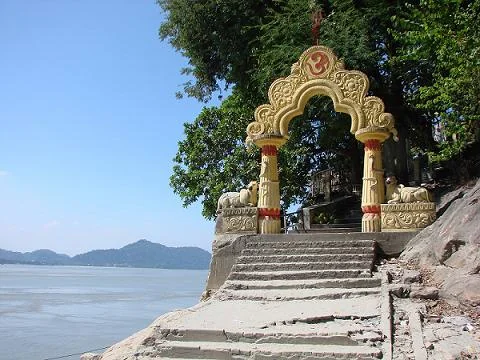
2. Umananda Temple & Peacock Island (World's Smallest Inhabited Riverine Island on Brahmaputra)
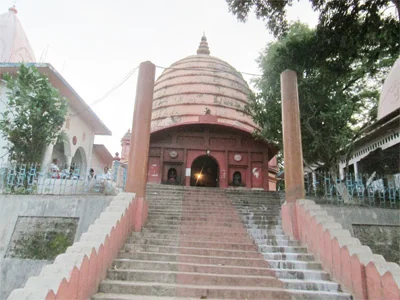
A 17th century Shiva temple built by Ahom King Gadadhar Singha, nestled atop the rocky Peacock Island in the middle of the Brahmaputra River. Country ferry boats take travelers across swirling waters to this serene haven, home to endangered golden langurs.
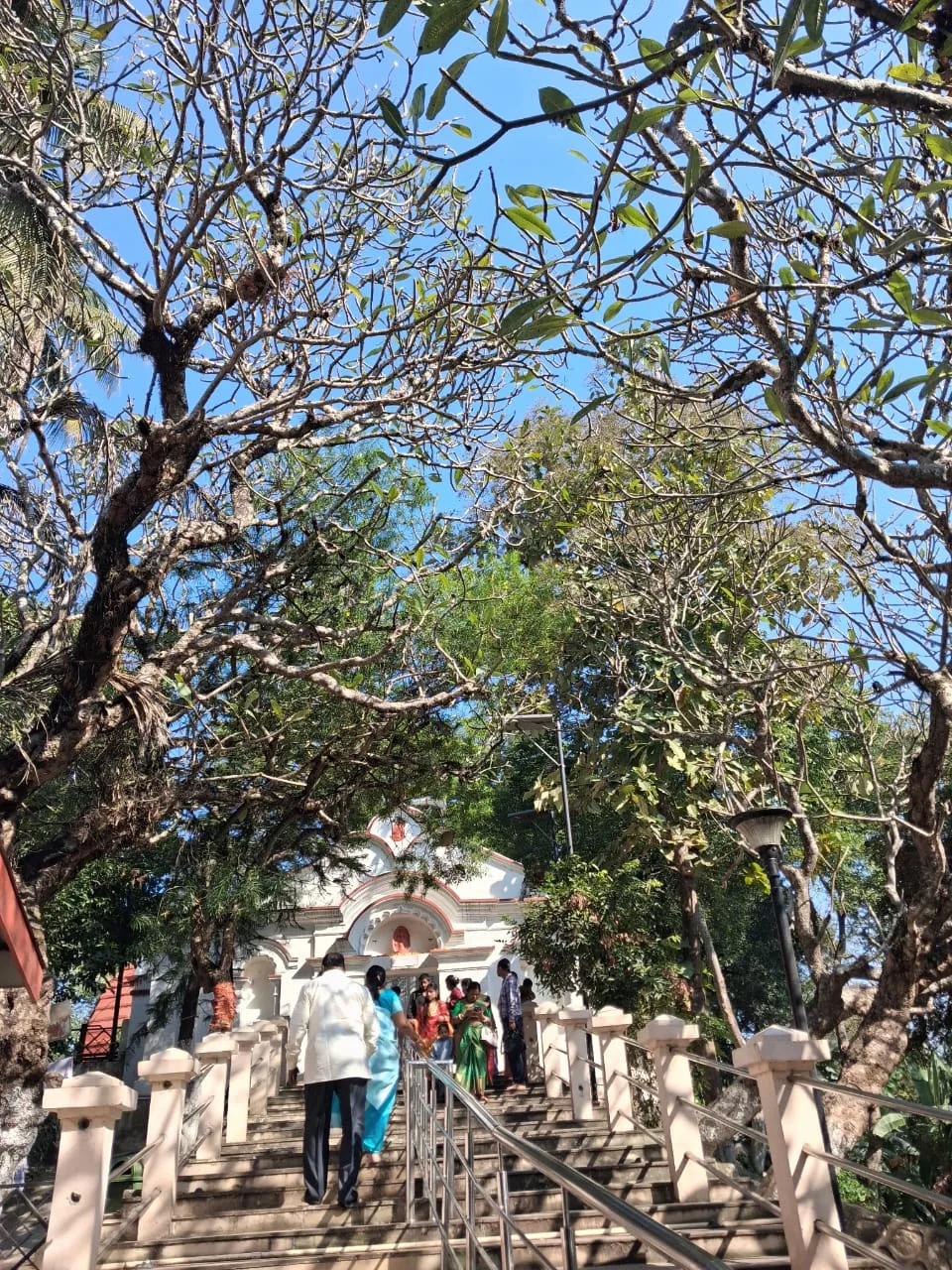 Umananda Temple — 17th-Century Shiva Sanctuary on Peacock Island in Guwahati
3. Srimanta Sankaradev Kalakshetra (Premier Assamese Cultural Heritage Complex)
A sprawling 30 acre cultural center named after medieval Vaishnavite saint scholar Srimanta Sankaradev. Features the Purvajjyotika museum displaying traditional tribal attire and musical instruments, a bronze statue park, a heritage village, and open air amphitheaters.
 Srimanta Sankaradev Kalakshetra — Grand Cultural and Heritage Institution in Guwahati
4. Guwahati River Ropeway & Brahmaputra Sunset Cruises (India's Longest River Ropeway)
India's longest river ropeway spanning 1.82 km across the mighty Brahmaputra River, transporting passengers from Panbazar to North Guwahati with bird's eye aerial views of Umananda Island, Urvashi island, and breathtaking golden sunsets.
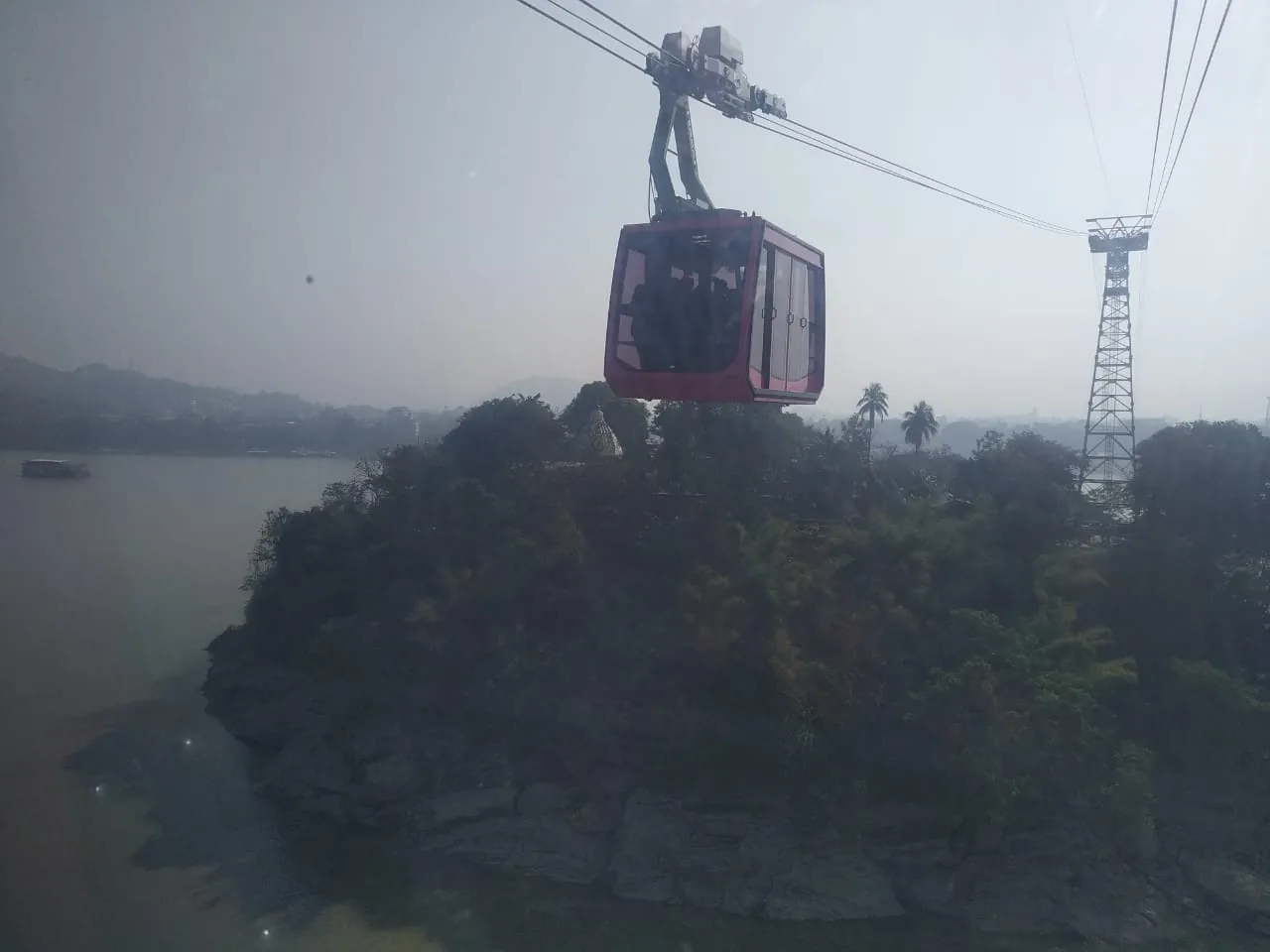 Guwahati Ropeway — 1.8-Kilometer River Ropeway across the Mighty Brahmaputra
5. Deepor Beel Ramsar Wetland & Bird Sanctuary (Freshwater Lake & Greater Adjutant Storks - 18 km)
A sprawling 40 square kilometer permanent freshwater wetland on the southwestern outskirts of Guwahati. Designated as an internationally recognized Ramsar wetland, it provides sanctuary to migratory waterfowl and herds of wild Asian elephants.
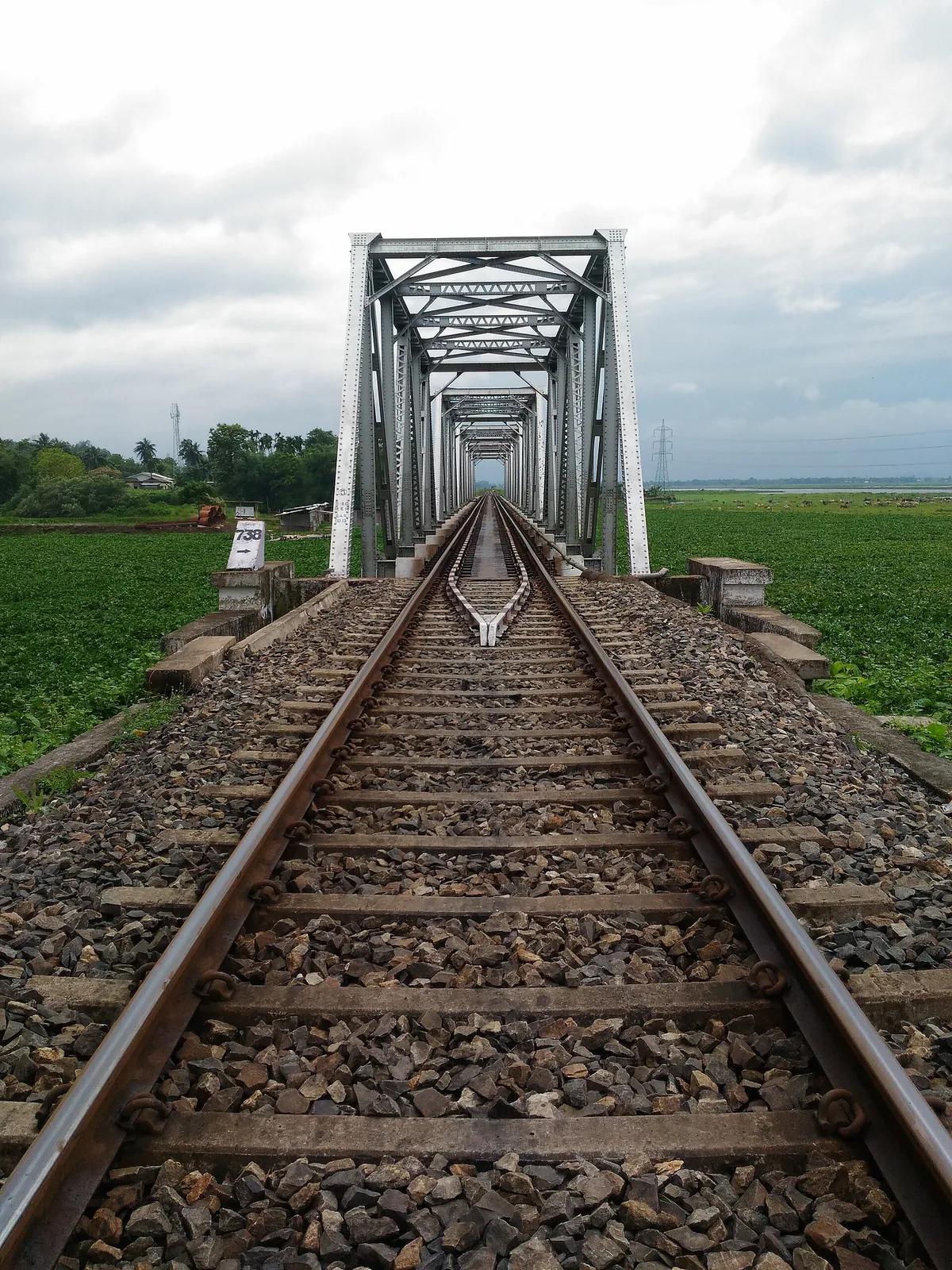 Deepor Beel — Ramsar Wetland Lake and Bird Sanctuary near Guwahati
6. Assam State Zoo cum Botanical Garden (One-Horned Rhinoceros & Clouded Leopards)
The largest zoo in Northeast India spread across 175 hectares of forested hills in Hengrabari, housing royal Bengal tigers, one horned rhinoceroses, leopards, Himalayan black bears, and exotic birds.
7. Navagraha Temple atop Chitrachal Hill (Ancient 9 Planet Astronomical Temple)
An ancient red domed temple atop Chitrachal Hill housing nine Shiva lingams representing the nine planetary bodies of Hindu astrology (Navagraha), which earned Guwahati the historic name Pragjyotishpura.
8. Pobitora Wildlife Sanctuary (World's Highest Density of One-Horned Rhinos - 45 km)
A premier wildlife sanctuary located just an hour's drive from Guwahati, boasting the highest ecological density of the Great Indian One Horned Rhinoceros anywhere in the world.
9. Sualkuchi Silk Weaving Village & Hajo Sacred Tri-Religion Shrine (32 km)
Known as the Manchester of the East, Sualkuchi is a world famous village of master handloom weavers producing lustrous golden Muga and Eri silk sarees, located across the river near holy Hajo.
Popular Hotels in Guwahati
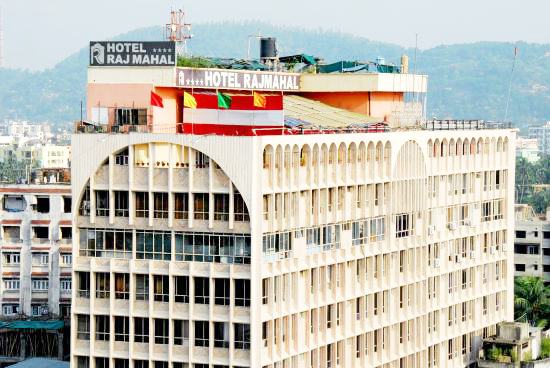 Hotel
Hotel
 Hotel
Hotel
 Hotel
Hotel
 Hotel
Hotel
 Hotel
Hotel
 Hotel
Hotel
 Hotel
Hotel
 Hotel
Hotel
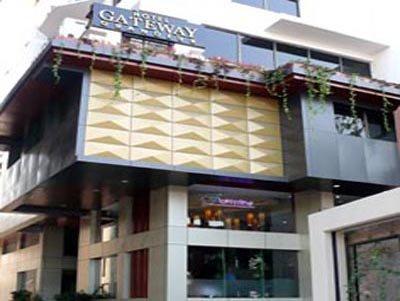 Hotel
Hotel
 Hotel
Hotel
Tour Packages from Guwahati
 Package
 Package
 Package
 Package
 Package
Top Places to Visit in Guwahati
Guwahati Photo Gallery & Attractions
Explore high-resolution photographs of iconic temples, historical monuments, and scenic landmarks in Guwahati.
Plan Your Guwahati Trip Now
Get the best verified hotel deals and customized tour packages. Book directly on EarthTrip and save up to 45%!