- .
- info@earthtrip.in
-
INR
-
USD
INR
USD
Guwahati is also the largest city of Assam. The largest metropolis in the north-east region of the country, this city is also the second largest metropolitan area in entire eastern India. The history of the city dates back to the epic times. Guwahati has its first mention in the great epic Mahabharata as the capital of the demon king Narakasura of Pragjyotishpur. Due to this reason, the city came to be known as Pragjyotishpur, which means Light of the East. It is also believed that the city was the ancient land of Kamarupa. In this ancient land, the Hindu god of beauty, fertility and source of life was reborn.
The destination, till the invasions of Ahoms, had been the nerve-centre of all cultural activities. In addition, the city has also been a battleground and witnessed plenty of intense struggles between the Mughals and Ahoms. The Mughals tried to invade the state around 17 times, however every time they were defeated by the Ahoms. During the time of battle, the army of Ahoms was led by the great Ahom General, Bir Lachit Borphukan.
Day 1: Guwahati - Bhalukpung (250 Km / 5 Hrs)
Welcome on arrival at Guwahati Airport / Railway station. Transfer to Bhalukpong & overnight.
Day 2: Bhalukpung - Dirang (185 Kms / 6 ½ Hrs)
After breakfast drive to Dirang. Enroute visit Tippi Orchid Centre. Check in Hotel. Evening at Leisure. Overnight at Dirang.
Day 3: Dirang - Tawang (155 Kms / 6 Hrs)
Morning drive to Tawang. Enroute witness the snowcapped Sella Pass at 14000 ft and the Jaswant Garh War Memorial. (Legend has it that Jaswant (Mahavir Chakra Awardee (Posthumous) of 4th Batallion Garhwal Rifles), fought a lone battle against the invading Chinese during the 1962 war. His spirit is still believed to protect the place). Overnight in Tawang.
Day 4: Tawang
Tawang - The beautiful land of the Monpa tribes with the “GALDEN NAMGYEL LHATSE” Monestary -one of the largest Lamaseries of Mahayana sect in Asia. The birth place of the 6th Dalai Lama, the Monastery is 400 year old and is adorned with the 18 feet high statue of Lord Buddha. ‘The Land of Dawn-lit Mountains’ at 3500 mts gives you unparallel purity of nature. Visit the monastery and the War Memorial. Evening free for shopping. Overnight in Tawang.
Day 5: Tawang - Bomdila (180 Kms / 6 Hrs)
Morning drive back to Bomdila. Evening free at leisure. Overnight in Bomdila.
Day 6: Bomdila - Guwahati (340 Kms / 9 Hrs)
After breakfast drive to Guwahati. Check in Hotel. Overnight in Guwahati.
Day 7: Guwahati Airport Departure
Morning visit Kamakhya temple. In time transfer to Guwahati airport for onward journey. Tour Ends Here.
Payments policy
Tour Cancilation policy
By Train:
By Air:
By Road:
Guwahati features supreme Shakti temples, river islands, cultural institutions, and scenic wetlands:
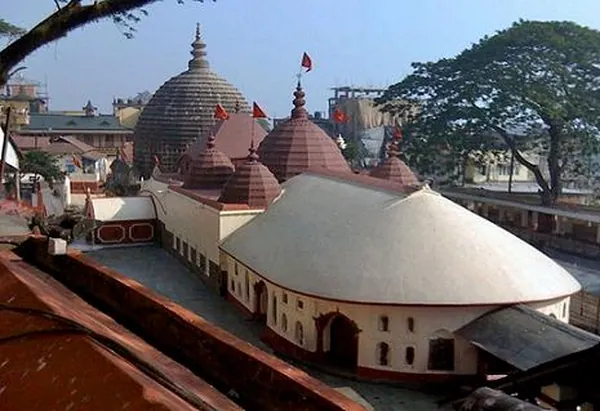
The crown jewel of Tantric pilgrimage in India, perched atop Nilachal Hill. Revered as the primary of the 51 Shakti Peethas, the sanctum sanctorum houses a natural rock fissure washed by a subterranean spring. During the annual Ambubachi Mela in June, hundreds of thousands of sadhus and devotees gather here.
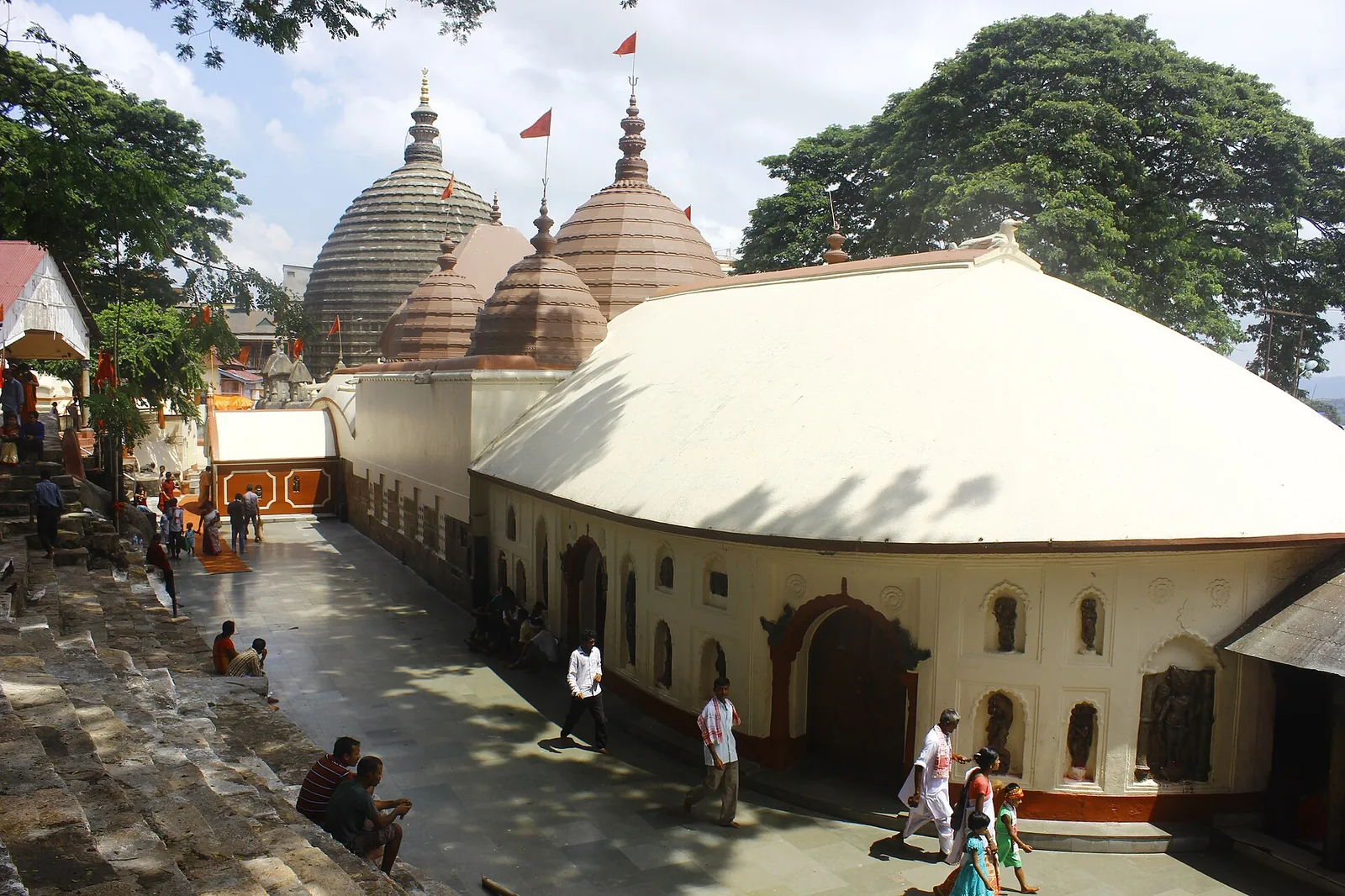 Maa Kamakhya Temple — Historic 8th-Century Shakti Peeth atop Nilachal Hill in Guwahati
A 17th century Shiva temple built by Ahom King Gadadhar Singha, nestled atop the rocky Peacock Island in the middle of the Brahmaputra River. Country ferry boats take travelers across swirling waters to this serene haven, home to endangered golden langurs.
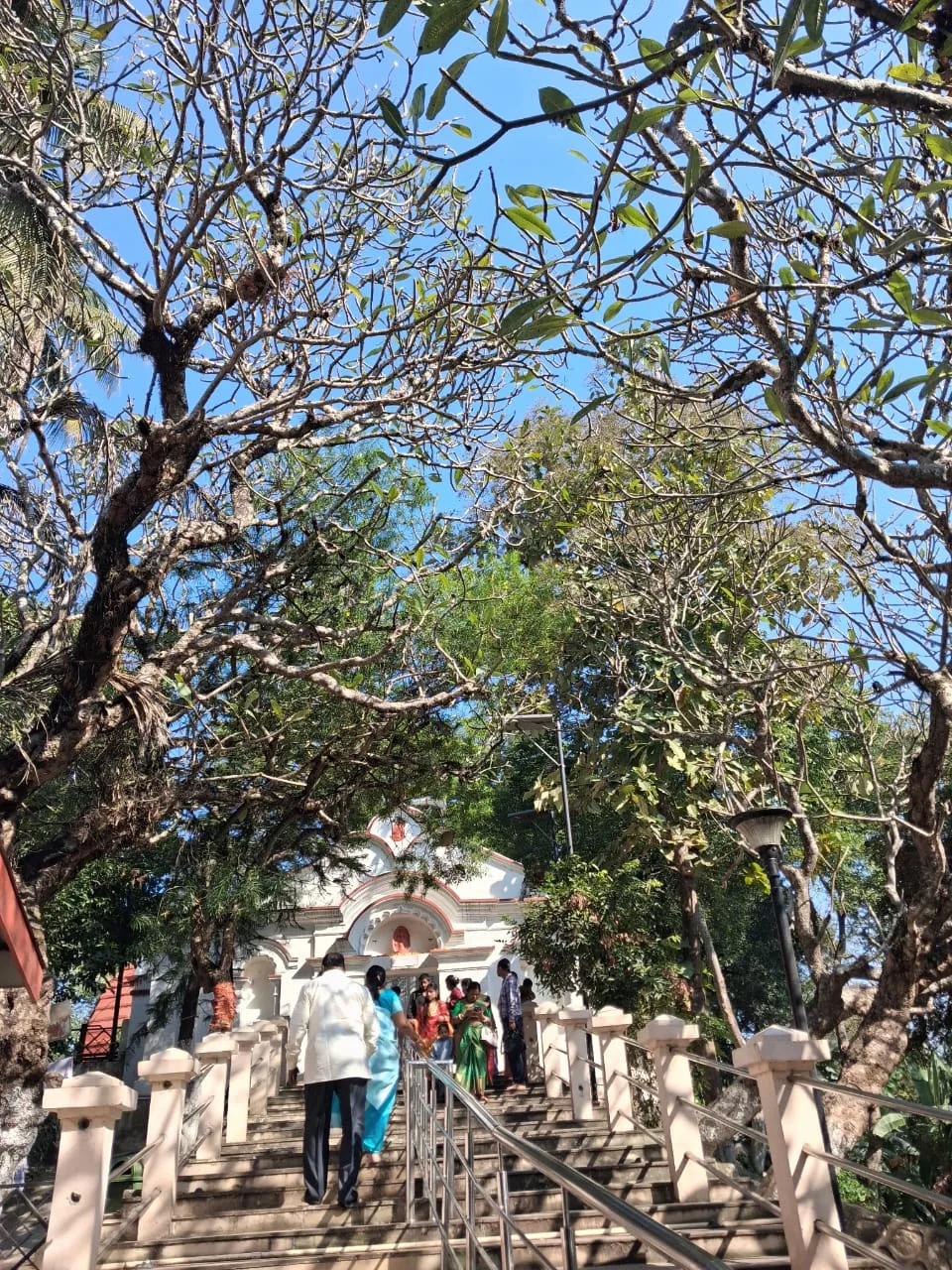 Umananda Temple — 17th-Century Shiva Sanctuary on Peacock Island in Guwahati
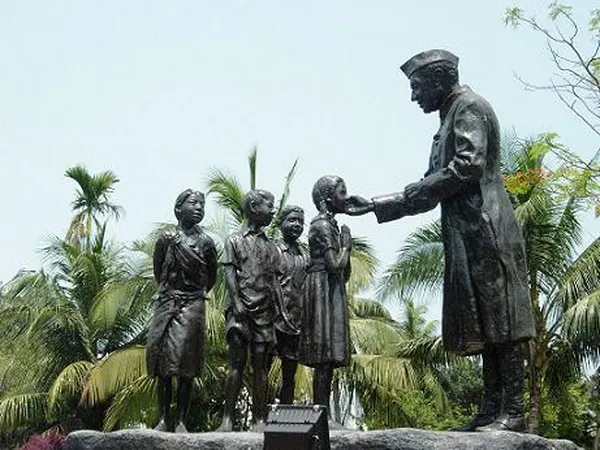
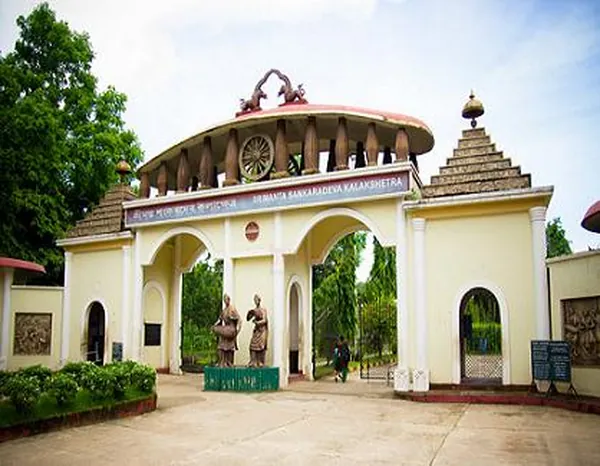
A sprawling 30 acre cultural center named after medieval Vaishnavite saint scholar Srimanta Sankaradev. Features the Purvajjyotika museum displaying traditional tribal attire and musical instruments, a bronze statue park, a heritage village, and open air amphitheaters.
 Srimanta Sankaradev Kalakshetra — Grand Cultural and Heritage Institution in Guwahati
India's longest river ropeway spanning 1.82 km across the mighty Brahmaputra River, transporting passengers from Panbazar to North Guwahati with bird's eye aerial views of Umananda Island, Urvashi island, and breathtaking golden sunsets.
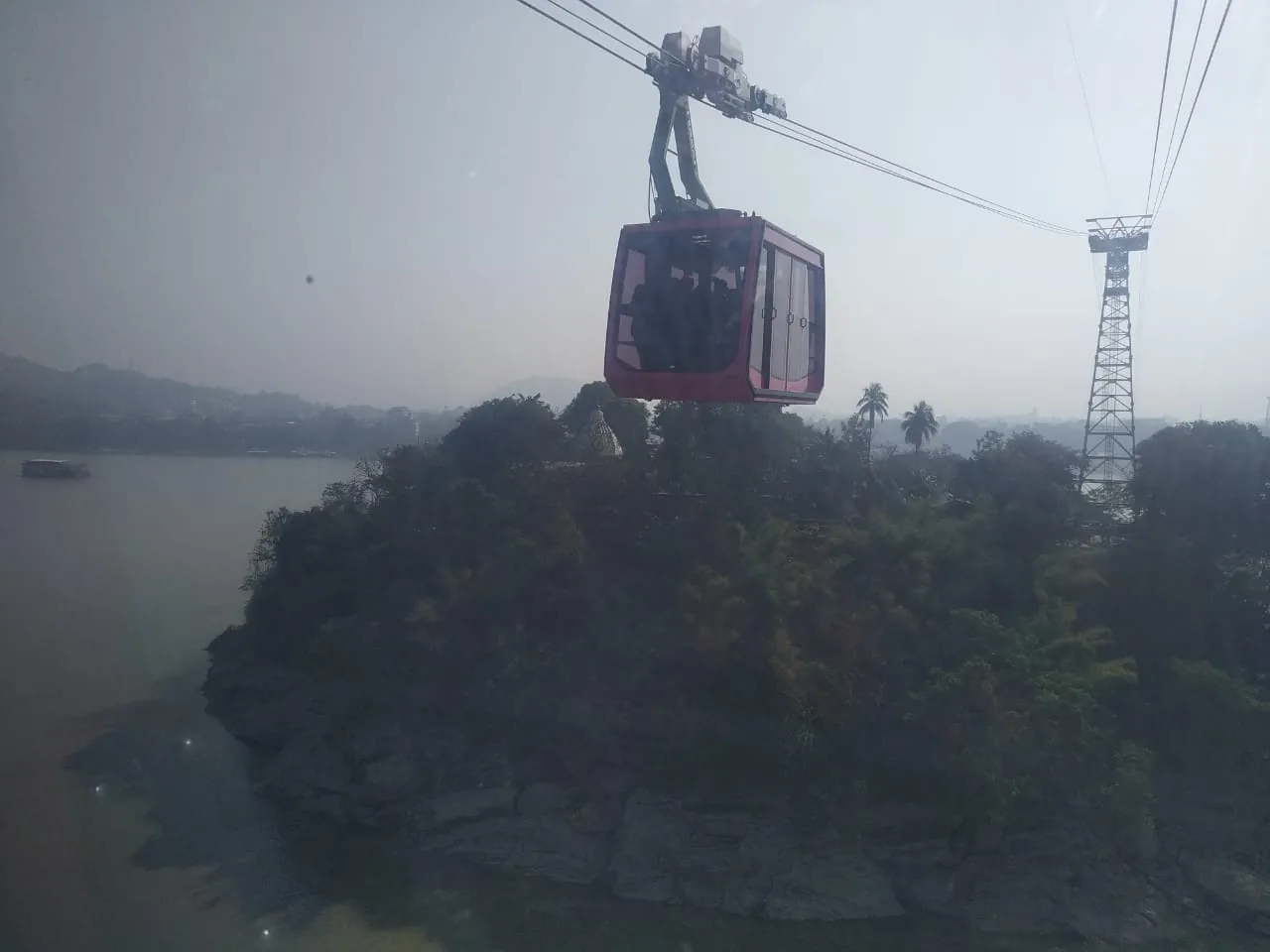 Guwahati Ropeway — 1.8-Kilometer River Ropeway across the Mighty Brahmaputra
A sprawling 40 square kilometer permanent freshwater wetland on the southwestern outskirts of Guwahati. Designated as an internationally recognized Ramsar wetland, it provides sanctuary to migratory waterfowl and herds of wild Asian elephants.
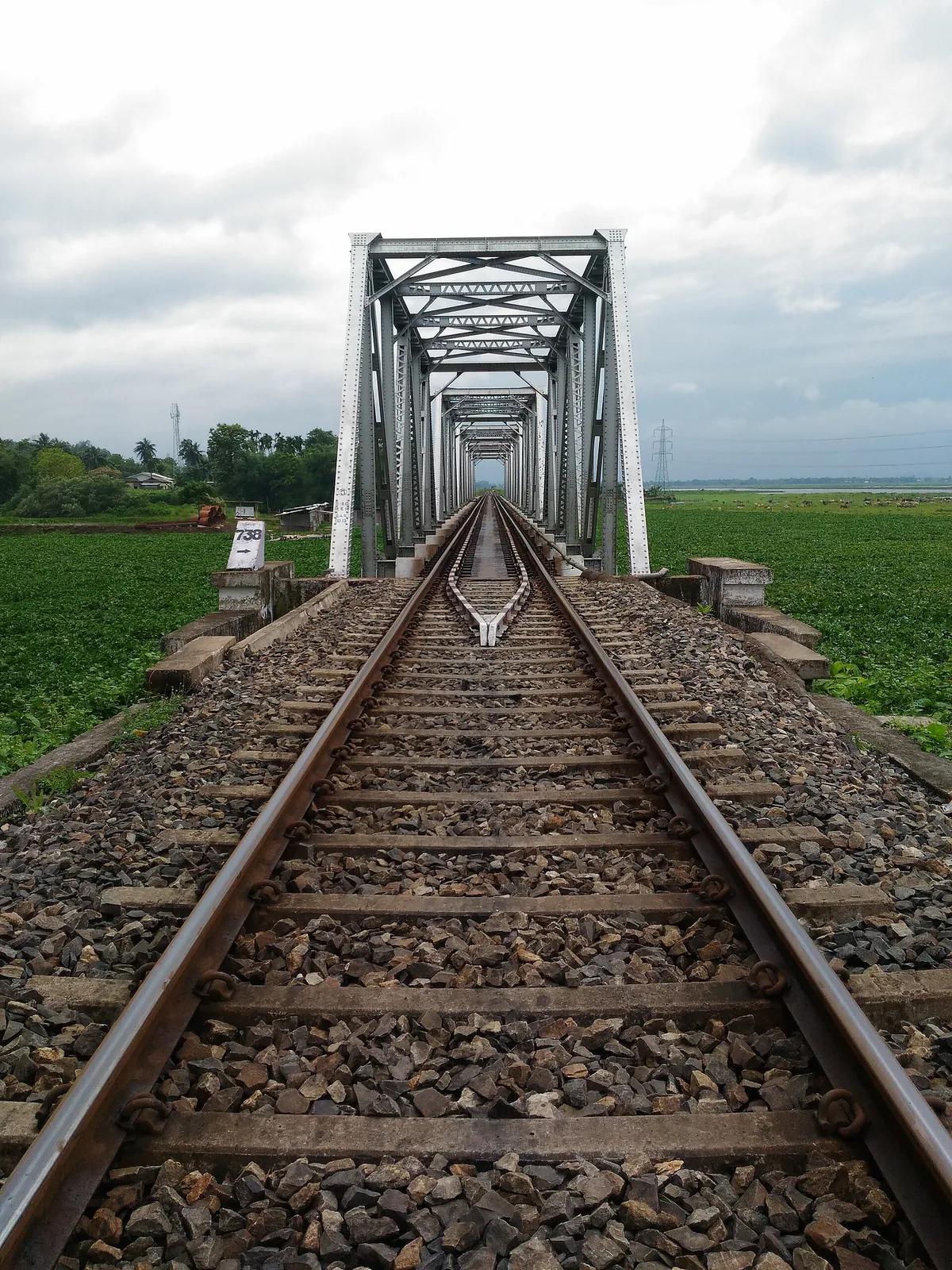 Deepor Beel — Ramsar Wetland Lake and Bird Sanctuary near Guwahati
The largest zoo in Northeast India spread across 175 hectares of forested hills in Hengrabari, housing royal Bengal tigers, one horned rhinoceroses, leopards, Himalayan black bears, and exotic birds.
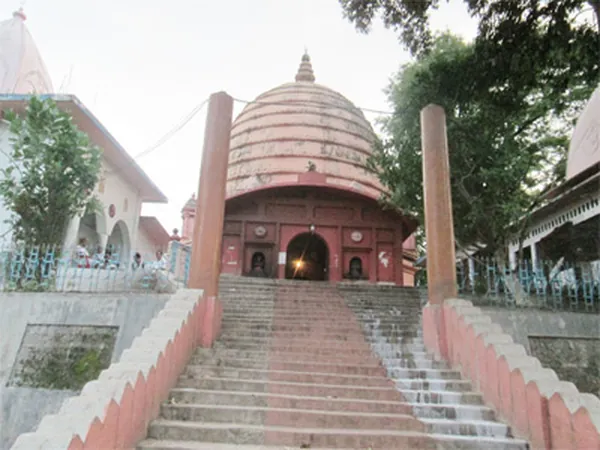
An ancient red domed temple atop Chitrachal Hill housing nine Shiva lingams representing the nine planetary bodies of Hindu astrology (Navagraha), which earned Guwahati the historic name Pragjyotishpura.
A premier wildlife sanctuary located just an hour's drive from Guwahati, boasting the highest ecological density of the Great Indian One Horned Rhinoceros anywhere in the world.
Known as the Manchester of the East, Sualkuchi is a world famous village of master handloom weavers producing lustrous golden Muga and Eri silk sarees, located across the river near holy Hajo.
Duration: 6 Nights / 7 Days
 Best Flights
 Best Prices
 Unique Holidays