- .
- info@earthtrip.in
-
INR
-
USD
INR
USD
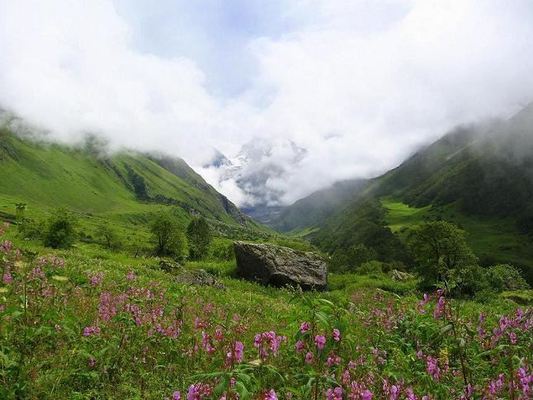
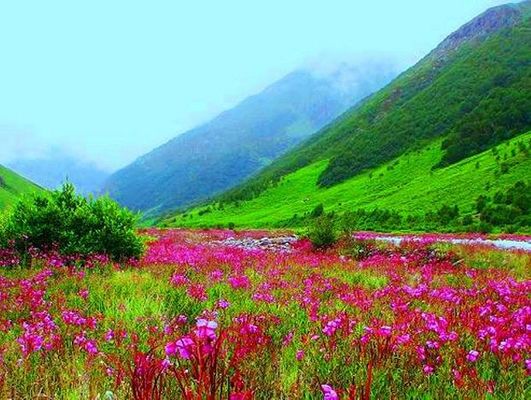
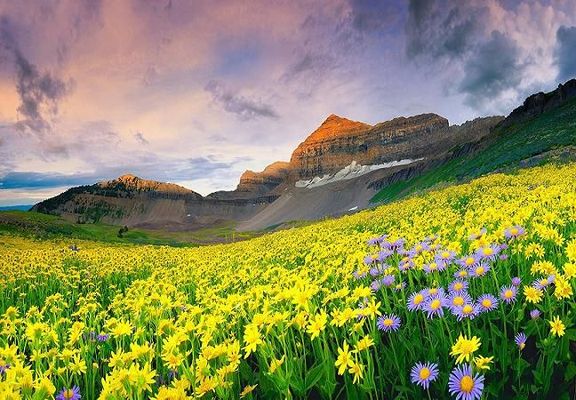
Valley of flowers Trip is a must do trek by every trekker who wants to trek in the Himalayas. The Valley of flowers nestled high in Himalayan valley in Chamoli district in Uttarakhand. This easy trek gained considerable popularity in trekking community as a beginners trek and an important trek in Uttarakhand trekking circuit. A chanced discovery on a lost path made by British traveller Frank Smith in 1931 resulted in the world welcoming the enchanting Valley Of Flowers. His book by the same name created a stir among nature lovers, making the Valley Of Flowers Trekking one of the most sought after since then.
The Valley of flowers trek in the Himalayas was declared a national park in 1982 and it’s a UNESCO world heritage site. The trek starts from Govindghat a small place on Haridwar – Badrinath road. It has few hotels and a Gurudwara. You can reach Govindghat after a 10 hour long drive from Haridwar. The Valley of flowers trek first leg is trekking from Govindghat to Ghangaria; next day either you can trek to valley of flowers and return to Ghangaria. One can also club Hemkund Sahib trek with Valley of flowers trek. Hemkund Sahib Trek route diverts from the checkpost of valley of flowers and goes straight. The Hemkund Sahib route is a steep and a difficult 6 Kms uphill trek from Ghangaria.
Day 1 – Haridwar To Govindghat
Drive from Haridwar to Govindghat (10 Hrs)
Our representative will meet you at Haridwar railway station at 6 am in the morning and we will start our scenic drive to Govindghat via Devprayad, Rudraprayag and Joshimath. Govindghat is a starting point of valley of flowers trek. Enroute wi will be crossing Devprayag, which is a holy city and confluence of the Bhagirathi and Alaknanda rivers, after this the rivers become the holy Ganges. We Arrive at Govindghat by the evening and check into a hotel. Dinner & overnight stay. Get a good night’s sleep as tomorrow our Valley Of Flowers trek starts. We will also try and reach Govindghat and stay in Hotel Govindghat to start the valley of flowers trek next morning.
Day 2 – Govindghat to Ghangaria
Trek from Govindghat to Ghangaria
The Valley of flower and Hemkund Sahib Trek begins at Govindghat, after crossing the swinging bridge over Alaknanda River. The zigzag trekking trail straightens through an ascending valley full of apricot trees, terraced fields and vegetation. The trail leads into the beautiful Bhyundar valley alongside the Laxman Ganga River. During the trek you will cross two small beautiful villages Pulna and Bhyundar. From Bhyundar village take a right turn to another beautiful trek of know as Kakbhusandi Lake trek. The entire 14 Kms trek from Govindghat to Ghangaria is full of natural splendors including cascading waterfalls and natural water springs. Small tea shops and restaurants run across the trekking route where you can enjoy buttery Aloo paranthas and hot tea. After crossing Laxman Ganga the trek on right bank continues through the dense forest but becomes little steep. Trek for another 1 hour and you will reach Ghangaria, check into hotel.
Day 3. – Valley of flowers
Trek to Valley of Flowers
Today after an early breakfast we start our trek towards the Valley Of Flowers (3858 m) from Ghangaria. After a 3 Kms trek crossing the bridge and coming to left bank you will reach first small stream which marks the start of Valley of flowers which is an enchanting sight with an impressive array of rare alpine wildflowers like blue poppy, Cobra Lily, Geranium, Marsh etc.. The valley is 14 Kms long, 2 Kms wide, and is divided by the Pushpawati stream, into which several tiny streams and waterfalls merge. Trek up to the Joan Margaret Legge and return back at the big rock near the first stream we will have lunch and return to Ghangaria. After absorbing the beauty of the Valley Of Flowers we trek back to Ghangaria. Dinner & overnight stay at the camp/hotel.
Day 4 :- – Govindghat
We trek back to Govindghat via the same route. Upon arrival at Govindghat check into a hotel and rest.
Day 5 :- – Haridwar
Early morning we drive back Rishikesh/Haridwar. Lunch enroute. Arrive Rishikesh/Haridwar by evening. Trek ends with a mosaic of colorful memories.
1.Accommodation (Triple or Twin Sharing)
2.Meals while on trek (Veg.)
3.Permits
4.First aid medical kits
5.Qualified & experienced trek Leader
1.Meals While on Drive and Meals in Govindghat
2.Mineral Water and any kind of beverages
3.Insurance
4.Mules or porter to carry personal luggage
5.Cost incurred in case of Rescue
Payments policy
Tour Cancilation policy
By Air:
Jolly Grant Airport (Airport Code: DED - Dehradun - 265 km southwest) operates daily direct flights from New Delhi, Mumbai, Bengaluru, Lucknow, Ahmedabad, and Hyderabad. Taxis and private hill cabs are available at the airport arrivals to reach Joshimath in 7.5 to 8.5 hours via Rishikesh, Devprayag, Rudraprayag, Karnaprayag, and Chamoli along the 4-lane NH-07 Char Dham highway.
By Train:
Joshimath is served by two major railway junctions in Uttarakhand:
By Road:
Local Transport:
Shared mountain jeeps, local taxis, and the aerial ropeway connect Joshimath town with Auli, Govindghat, Badrinath, and Tapovan.
Joshimath features an extraordinary collection of ancient Vedic monasteries, winter pilgrimage shrines, sacred trees, and cable car ropeways:
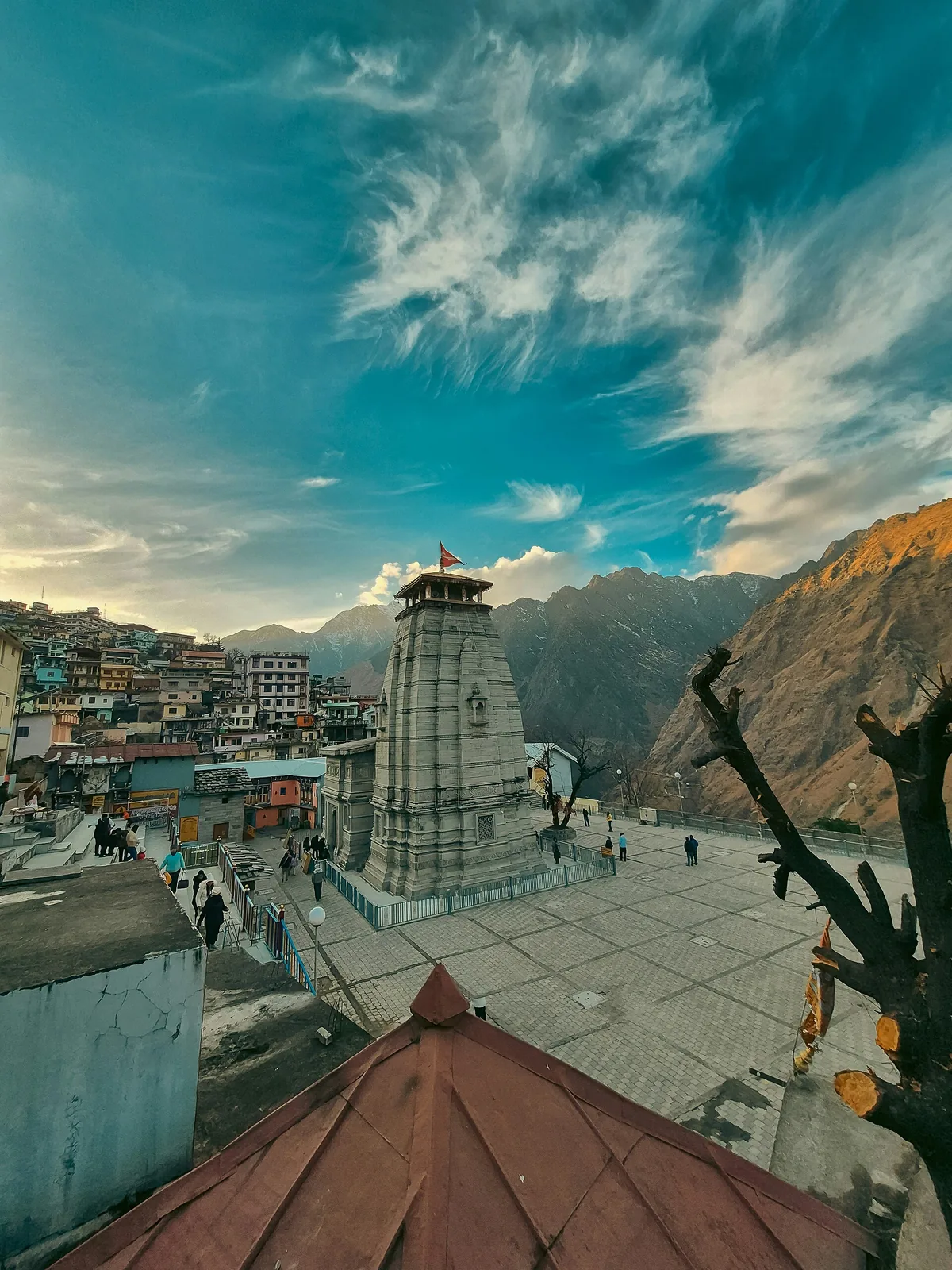
An ancient stone sanctuary dedicated to Lord Narasimha (the half lion, half man incarnation of Lord Vishnu), forming a vital pillar of the *Sapt Badri* pilgrimage. When Badrinath Temple closes for winter (November to May), the sacred deity of Lord Badri Vishal resides here for daily worship. According to prophecy, the left arm of the Narasimha idol is thinning, which legends say will eventually herald the emergence of Bhavishya Badri.
 Narsingh Temple — Ancient Winter Seat of Lord Badrinath and Sapt Badri Shrine in Joshimath
The Northern Amnaya Peeth founded by Adi Shankaracharya in the 8th century, custodian of the Atharva Veda. The serene monastery complex houses sacred Vedic texts, the temple of Goddess Rajarajeshwari, and the natural rock meditation cave (*Shankaracharya Gufa*) where Adi Shankara wrote his celebrated commentaries on the Upanishads and Brahma Sutras.
 Jyotirmath Shankaracharya Math — Sacred Northern Vedic Peeth and Meditation Cave
An ancient mulberry tree (*Morus serrata*) with a colossal trunk perimeter of over 21 meters, believed to be over 2,500 years old. Revered as an immortal wish fulfilling tree (*Kalpavriksha*), Adi Shankaracharya sat in deep meditation under its sprawling branches. Directly underneath stands the ancient *Jyoteshwar Mahadev Temple* dedicated to Lord Shiva.
 Kalpavriksha — 2,500-Year-Old Sacred Tree and Jyoteshwar Mahadev Sanctum in Joshimath
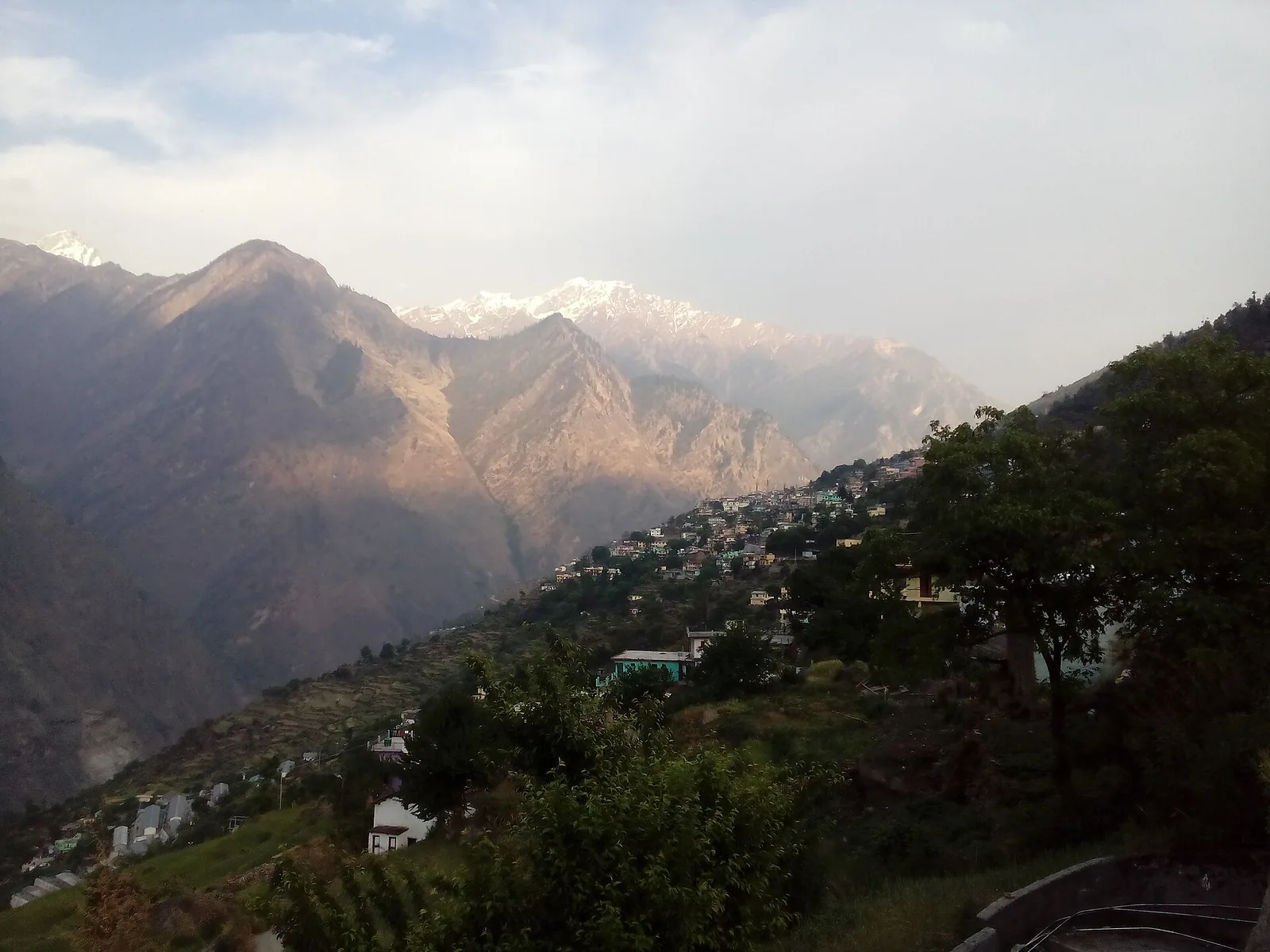
The upper viewpoints of Joshimath offer breathtaking panoramas of the deep river gorges, the convergence of the Dhauliganga and Alaknanda valleys, and snow peaks including Hathi Parbat (6,727 m) and Ghori Parbat (6,708 m).
 Joshimath Valley Panorama — High-Altitude Gorges and Himalayan Mountain Massifs
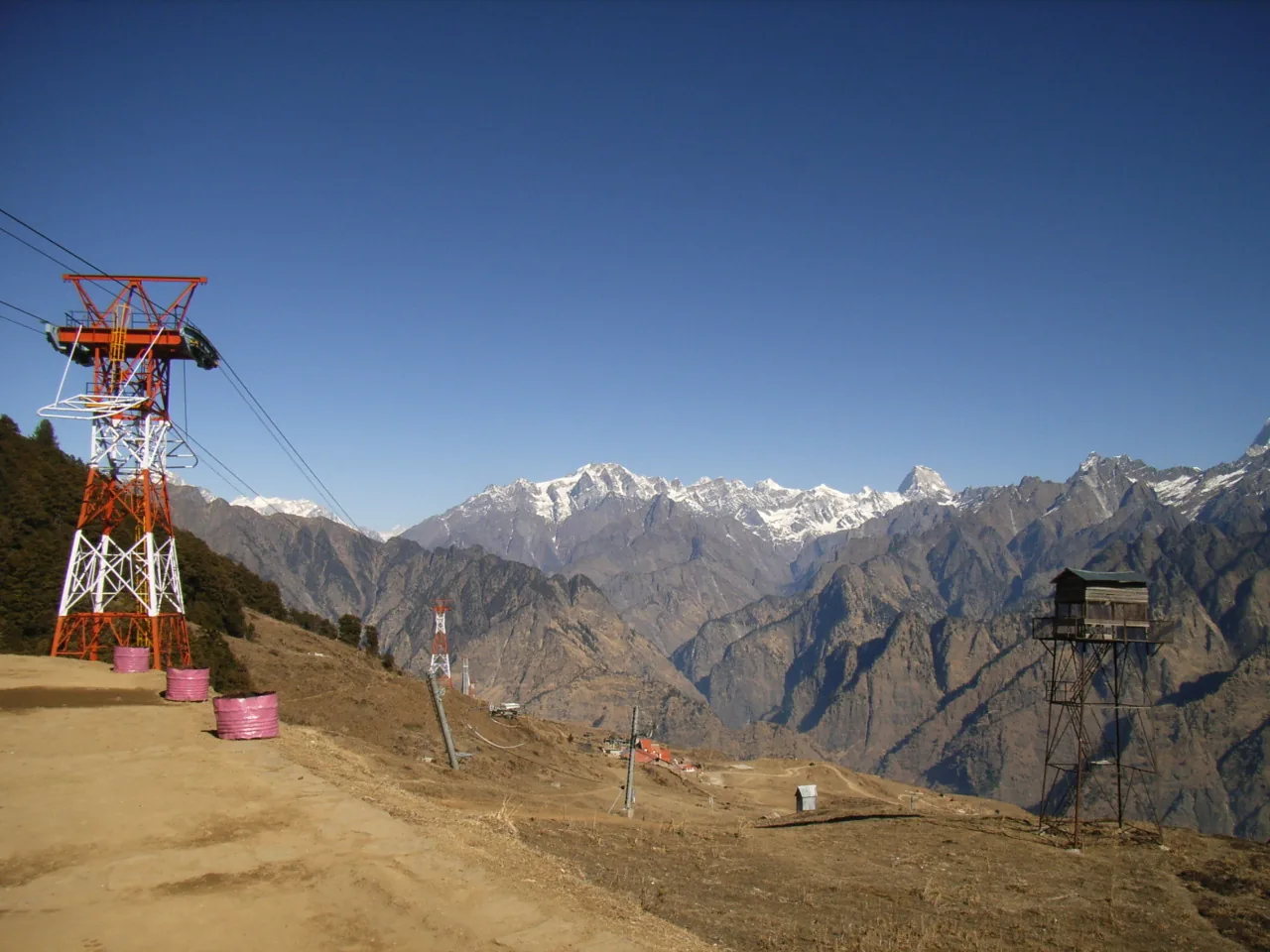
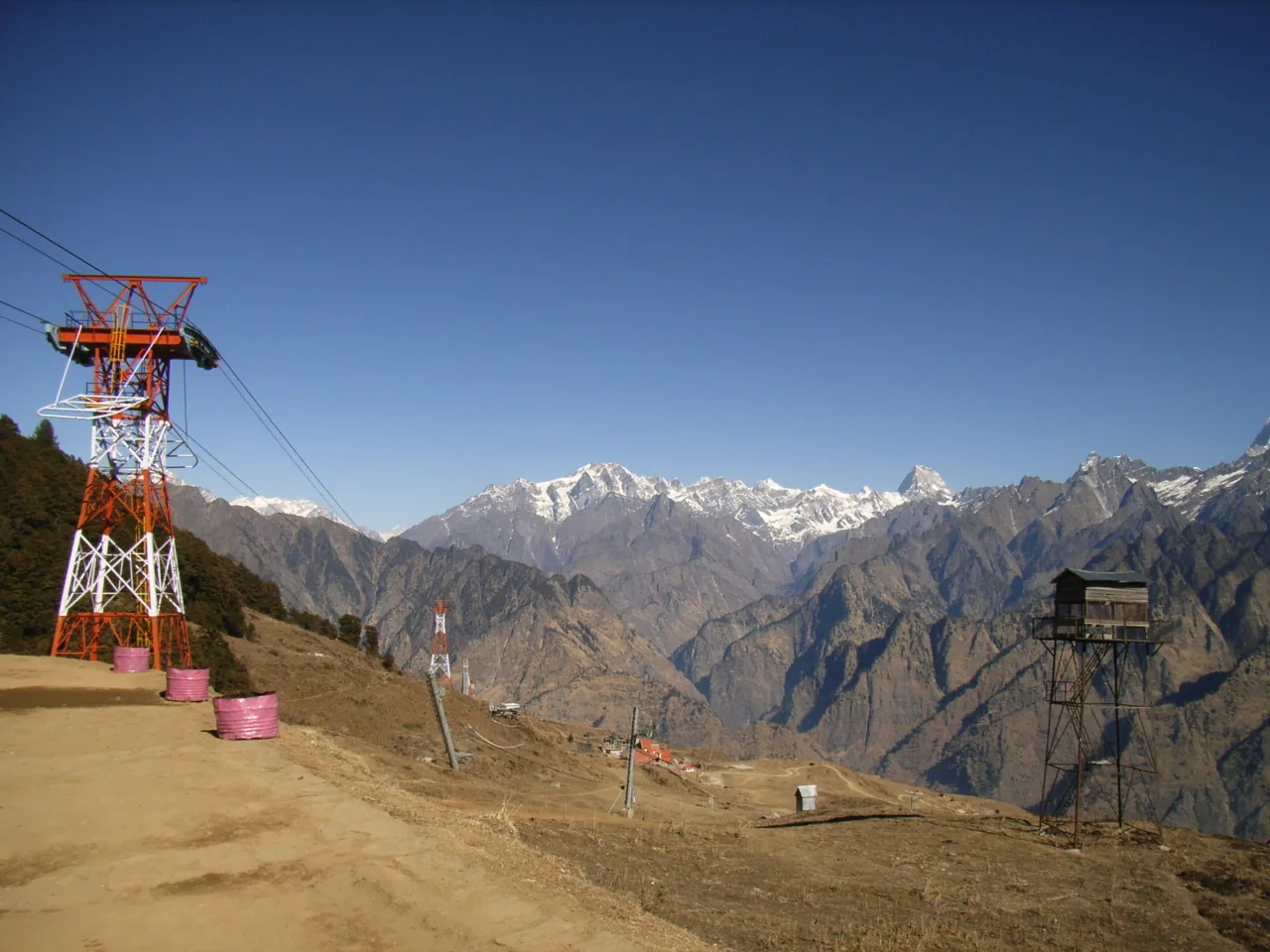
The lower terminal of Asia's longest 4.15 km passenger cable car system, connecting Joshimath (1,906 m) directly to Auli Top (3,019 m) in 20 minutes across forested gorges with bird's eye views of Nanda Devi.
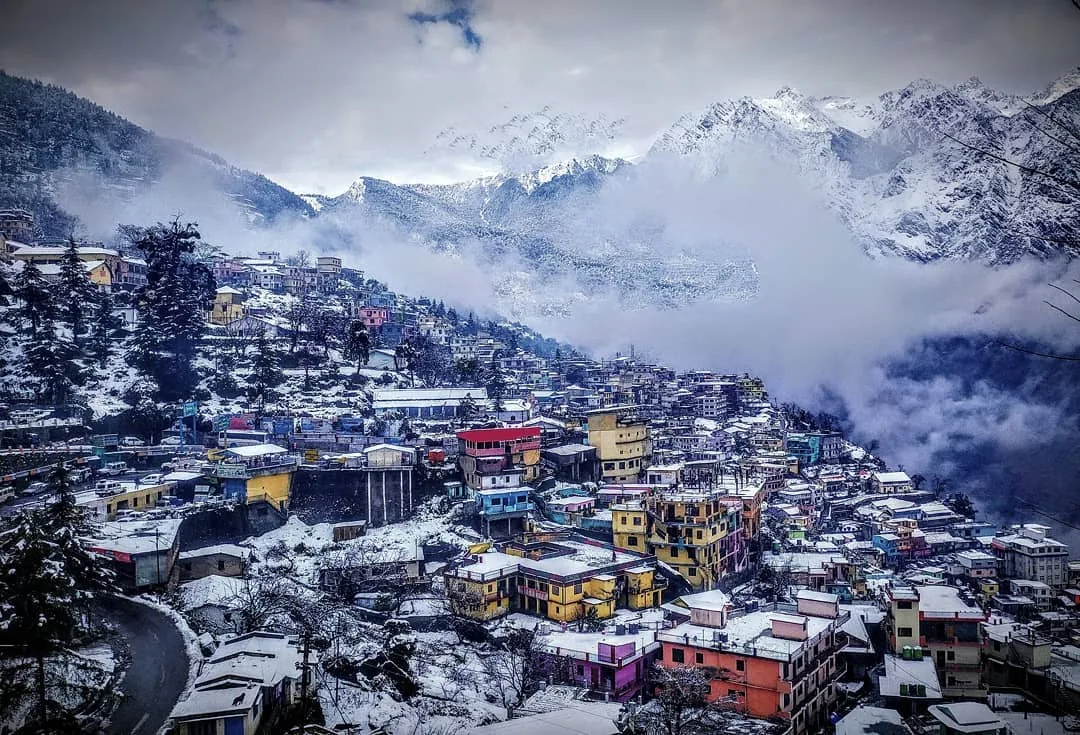 Joshimath-Auli Aerial Ropeway Terminal — Passenger Cable Car Base Connecting to Auli Ski Slopes
The first of the Panch Prayag, where the swirling turquoise Alaknanda River meets the frothing white torrents of the Dhauliganga River, featuring an ancient Vishnu temple and stone ghats.
Located in the serene pine forests of Subhai village (altitude: 2,744 m), this sacred shrine is prophesied to become the principal seat of Lord Badri Vishal when the route to Badrinath is blocked in the Kali Yuga.
Natural sulfur hot water springs bubbling out of mountain crevices in the Dhauliganga valley (14 km from Joshimath), renowned for therapeutic mineral properties and views of Nanda Devi.
A bustling riverside township along the Alaknanda where the Bhyundar Ganga meets, serving as the motorable base for treks to the UNESCO Valley of Flowers and Hemkund Sahib Gurudwara.
Duration: 04 N/ 05 D
 Best Flights
 Best Prices
 Unique Holidays