Dhule — Travel Guide
Dhule (universally celebrated as the 'Crown City of Khandesh', one of modern India's earliest masterfully planned grid iron cities designed in 1912 by legendary engineer Bharat Ratna Sir M. Visvesvaraya, and the strategic commercial crossroads of northern Maharashtra, situated along the tranquil banks of the sacred Panzara River at an elevation of 250 meters (820 ft) above sea level), is an unmatched planned urban, fortress, and culinary haven.
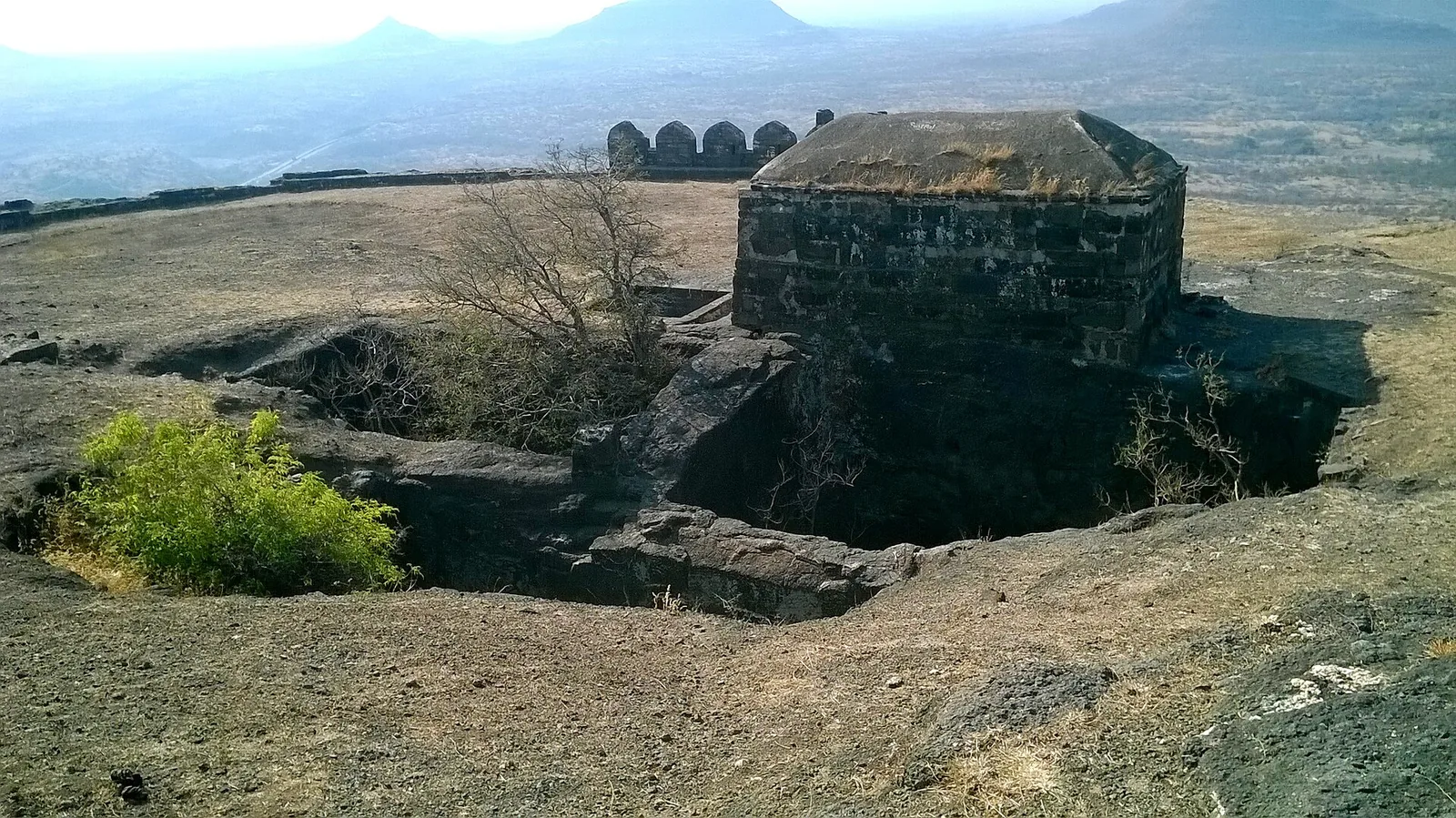 Laling Fort — 14th Century Farooqi Sultanate Volcanic Hill Fortress and Ancient Hemadpanthi Temple in Dhule
smoothly uniting the majestic 14th century Farooqi Sultanate hill ramparts, rock cut water cisterns, and ancient Hemadpanthi temple of Laling Fort (perched atop a 1,500-foot volcanic spur dominating the ancient trade route between the Deccan and Malwa) with the historic 15th century hilltop bastion and traditional brass copper craft heritage of Songir Fort (located along NH-52), the ancient 6th century rock hewn caves, stepwells, and mountain fortifications of Bhamer Fort (*Giridurg* in the Baglan ranges), the invaluable treasure trove of ancient copper plates, Modi script manuscripts, Mughal farmans, and rare coins preserved at Rajwade Sanshodhan Mandal (founded in memory of pioneer Maratha historian V.K. Rajwade), the centuries old spiritual vibrations of Sri Ekvira Devi Temple (the revered Kuldevi of Khandesh on the banks of River Panzara), the 1871 Victorian Clock Tower Garden, authentic fiery Khandeshi culinary feasts featuring world famous Khandeshi Shev Bhaji (crispy spiced gram flour noodles simmered in an intensely aromatic black coconut garlic rassa), rustic Kalna Bhakri (sorghum and black gram flatbread), fiery Khandeshi Thecha with fried green chilies, Khandeshi Mutton Rassa, Baingan Bharta with pure peanut oil, sweet Purana Poli with pure ghee, and refreshing chilled Sugarcane Juice, and 4 lane national highway NH-52 / NH-53 / NH-60 intersection connectivity directly linking industrial hub Malegaon (50 km via NH-52), holy city Nashik (155 km via NH-60), heritage capital Aurangabad (145 km via NH-52), cotton hub Akola (230 km via NH-53), textile metropolis Surat (220 km via NH-53), commercial hub Indore (260 km via NH-52), and financial capital Mumbai (325 km via NH-60 / NH-3), Dhule provides an extraordinary sanctuary of urban planning brilliance, medieval fortress warfare, and fiery Khandeshi gastronomy.
The city is famous globally for its Visvesvaraya designed town layout, cotton textile and edible oilseed trade, medieval hill fortresses, and Khandeshi cuisine: the iconic ancient hill fortress Laling Fort & Hemadpanthi Temple (10 km south) (a 14th century Farooqi citadel commanding the Laling pass), the historic brass craft bastion Songir Fort (20 km north on NH-52) (famed for its grand gateway, rock cisterns, and traditional utensil artisans), the ancient cliffside retreat Bhamer Fort & Rock Cut Caves (45 km west) (a secluded mountain fortress with rock hewn chambers), the prestigious archival museum Rajwade Sanshodhan Mandal (City Centre) (preserving rare Modi, Sanskrit, and Persian historical documents), the holy riverfront shrine Sri Ekvira Devi Temple (Panzara Riverbank), the historic 1871 landmark Tower Garden & Victorian Clock Tower, the bustling textile and spice markets of Agra Road, Bara Patthar & Cotton Market, and Dhule's seamless connectivity along NH-52 to Malegaon (50 km) and Nashik (155 km).
Serving as the cultural and commercial heart of the Khandesh region, Dhule is an indispensable destination for heritage explorers, fort trekkers, history researchers, and culinary travelers.
Best Time to Visit Dhule:
- October to March (Post Monsoon & Winter / Best Season): Crisp, breezy, and pleasant weather (14°C to 28°C), ideal for hiking up Laling and Songir forts, exploring Bhamer caves, touring Rajwade museum, and enjoying hot Khandeshi Shev Bhaji.
- April to June (Summer): Warm and dry (28°C to 43°C).
- July to September (Monsoon): Moderate rainfall (650 mm) turning the Panzara river and Khandesh hill forts vibrant green.
Famous Dhule, Khandesh & Marathwada Culinary Specialties:
- Khandeshi Shev Bhaji: The legendary culinary masterpiece of Khandesh — crisp, thick gram flour noodles drenched in a fiery, dark brown gravy made of roasted dry coconut, charred onions, garlic, poppy seeds, and black garam masala, served with Kalna Bhakri.
- Kalna Bhakri: Rustic, hearty flatbread prepared from a nutritious blend of roasted sorghum (Jowar) and whole black gram (Urad dal) flour, eaten with fresh butter or peanut oil.
- Khandeshi Thecha: Coarsely pounded fresh green chilies and garlic cloves tempered with cumin and hot peanut oil, delivering a fiery spicy kick.
- Khandeshi Mutton Rassa: Slow simmered country goat meat in authentic Khandeshi black curry (*Kala Rassa*).
- Khandeshi Baingan Bharta: Wood smoked mashed green eggplants tempered with green garlic, roasted peanuts, and green chilies.
- Puran Poli & Mawa Jalebi: Sweet whole wheat flatbreads stuffed with sweetened chana dal and cardamom, along with dark, syrupy mawa jalebis.
By Road (National Highway NH-52, NH-53 & NH-60 Intersection):
- From Malegaon (~50 km / 50 minutes): Direct 4 lane expressway drive via NH-52.
- From Nashik (~155 km / 2.5 hours): Via NH-60 4 lane expressway through Malegaon and Chandwad.
- From Aurangabad (~145 km / 3 hours): Via NH-52 through Chhatrapati Sambhaji Nagar corridor.
- From Surat (~220 km / 4.5 hours): Via NH-53 4 lane highway through Navapur and Vyara.
- From Indore (~260 km / 5 hours): Via NH-52 through Sendhwa and Shirpur.
- From Mumbai (~325 km / 6 hours): Via NH-60 / NH-3 through Nashik and Kasara Ghat.
- MSRTC operates round the clock Shivshahi AC, Sleeper, and Semi Luxury express buses connecting Dhule Central Bus Stand to Mumbai, Pune, Nashik, Surat, Indore, Aurangabad, Nagpur, and Ahmedabad.
By Train (Headquarters of Dhule Railway Station Central Railway):
- Dhule Railway Station (Station Code: DHI): Connected via the Chalisgaon Dhule line, linking directly to Chalisgaon Junction (CSN / 50 km) on the Mumbai Howrah/Delhi main line with daily express trains to Mumbai CSMT and Pune.
By Air:
- Dhule Airport (Gondur Airport Code: DHL / 7 km north): General aviation airstrip and premier pilot training academy.
- Nashik Airport (Ozar / 140 km southwest): Scheduled commercial flights to Delhi, Bangalore, Hyderabad, and Chennai.
- Shirdi International Airport (185 km south) / Devi Ahilyabai Holkar Airport Indore (260 km north).
Shopping in Dhule features Songir brassware, pure groundnut oil, and Khandeshi spices:
- Agra Road, Bara Patthar, Subhash Road, Cloth Market & Songir Artisan Village: Authentic **Handcrafted Traditional Songir Brass & Copper Water Vessels (Tambya Pital Bhande)**, famous **Fresh Homemade Khandeshi Kala Masala & Garlic Thecha Jars**, premium **Cold Pressed Pure Groundnut & Sesame Oils from Khandesh Mills**, traditional **Pure Cotton Sarees & Handloom Kurtas**, and **Fresh Mawa Jalebis & Farsan Packs**.
Must-Visit Places in Dhule
Dhule features formidable Farooqi hill fortresses, rock cut cave sanctuaries, prestigious archival museums, and sacred river temples:
1. Laling Fort & Farooqi Sultanate Pass (14th Century Volcanic Hill Fortress - 10 km)
A strategic hill fort built in the 14th century by Malik Raja Farooqi, the founder of the Khandesh Sultanate, on a high volcanic ridge dominating the Laling Ghat trade route. Features massive stone bastions, rock carved freshwater cisterns, and an ancient 12th century Hemadpanthi Shiva temple at the base.
Laling Fort — 14th Century Farooqi Sultanate Citadel, Volcanic Ridge Bastions, and Hemadpanthi Temple
2. Songir Fort & Traditional Brass Crafts (Historic Farooqi Hill Citadel - 20 km)
A prominent hill fort along the Mumbai Agra highway originally held by the Farooqi rulers and later captured by the Marathas and British. Features an arched stone entrance (*Songir Darwaza*), a deep rock cut well, and panoramic views of the Khandesh plains. The village of Songir at the base is renowned across Western India for traditional handcrafted brass and copper utensils.
 Songir Fort — Historic Hilltop Citadel, Arched Gateway, and Traditional Brass Artisan Village
3. Bhamer Fort & Ancient Rock Cut Caves (Baglan Range Mountain Fortress - 45 km)
An imposing mountain fortress (*Giridurg*) in Sakri taluka surrounded by sheer escarpments in the Baglan ranges. Features over 50 ancient rock cut caves and water reservoirs used by monks and soldiers dating back to the 6th century CE, along with ruined palaces and fortification walls.
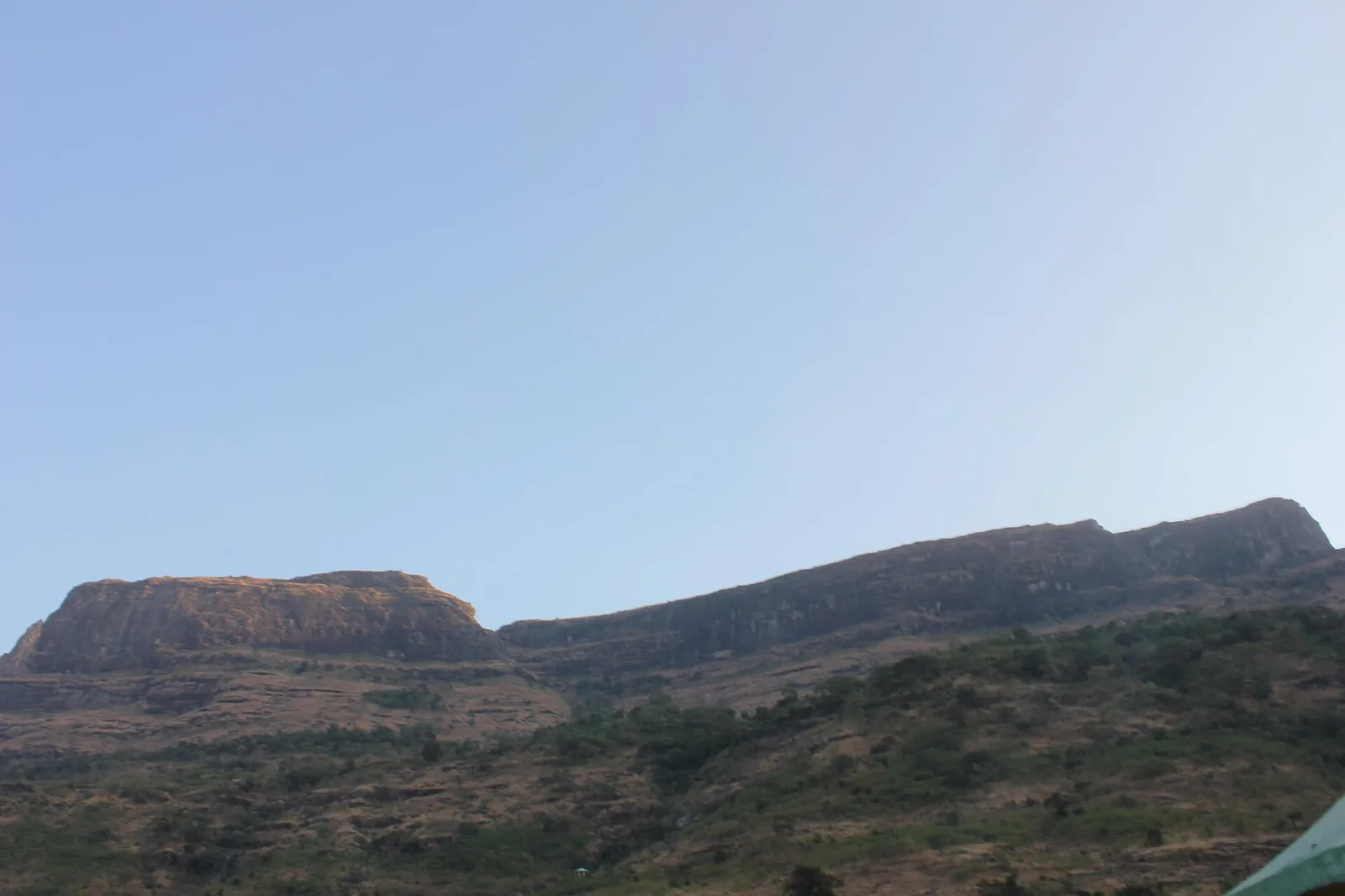 Bhamer Fort — Baglan Mountain Citadel, 50 Rock Cut Caves, and Ancient Water Cisterns
4. Rajwade Sanshodhan Mandal Museum (Rare Modi Manuscripts & Copper Plates City Centre)
A globally respected historical research institute and museum established in 1927 to preserve the colossal research collection of historian Vishwanath Kashinath Rajwade. Houses over 25,000 rare Modi, Persian, Sanskrit, and Marathi historical manuscripts, royal Maratha and Mughal farmans, ancient copper plates, and numismatic coins.
 Rajwade Sanshodhan Mandal — Historic Research Museum, 25,000 Modi Manuscripts, and Ancient Copper Plates
5. Sri Ekvira Devi Temple & Panzara Riverfront (Centuries Old Goddess Shrine City Centre)
The sacred patron deity (*Kuldevi*) shrine of Dhule and Khandesh located on the northern banks of River Panzara. Draws thousands of devotees during Navratri and Chaitra Navami for its vibrant temple fairs and spiritual rituals.
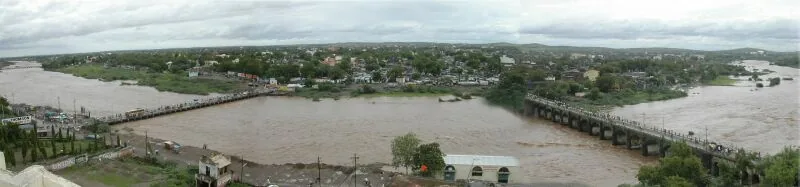 Sri Ekvira Devi Temple — Revered Patron Goddess Sanctuary on the Banks of River Panzara
6. Victorian Clock Tower Garden (1871 Colonial Landmark & Public Promenade)
A landmark public park in central Dhule centered around a handsome four faced Victorian Gothic clock tower erected in 1871, featuring manicured flowerbeds and walking tracks.
7. Aner Dam Wildlife Sanctuary & Teak Forests (Scenic Wetland & Bird Reserve - 60 km)
A tranquil wildlife reserve on the border of Dhule and Jalgaon centering around the Aner River reservoir, sheltering barking deer, chinkaras, wild boars, and migratory waterfowl.
8. Ahilya Barav Stepwell (5-Storey Heritage Stepwell of Ahilyabai Holkar - 35 km)
An intricate 18th century subterranean five story stepwell built during the reign of Queen Ahilyabai Holkar in Ahilyapur, featuring carved arches, rest pavilions, and fresh mineral spring water.
9. Sir M. Visvesvaraya Planned Grid Iron Avenues (Historic Town Planning Heritage)
The pioneering 1912 symmetrical town layout planned with wide tree lined avenues, underground drainage, and organized trade squares designed by Sir M. Visvesvaraya after the 1911 Panzara floods.
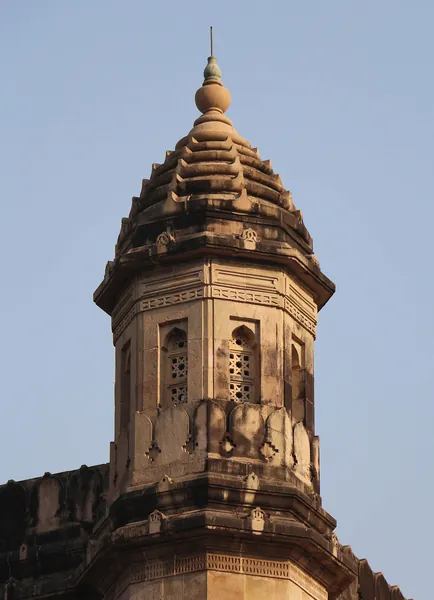
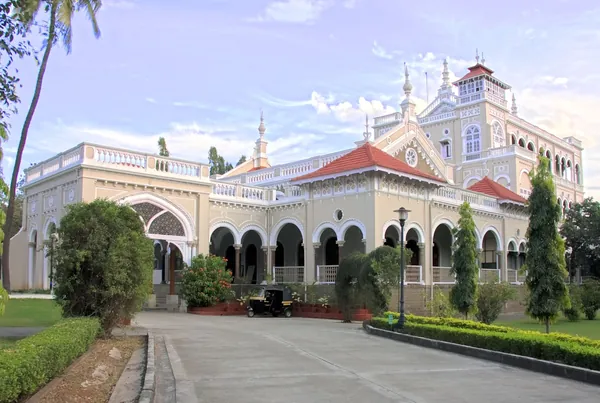
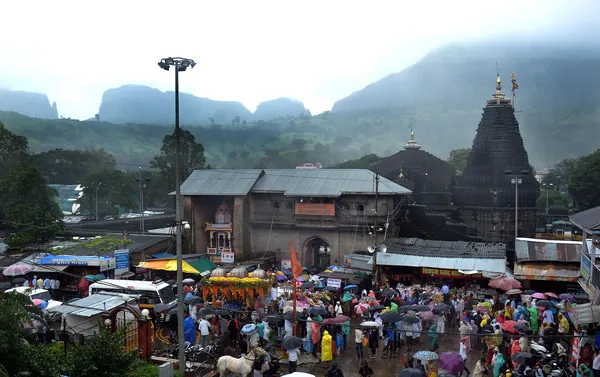
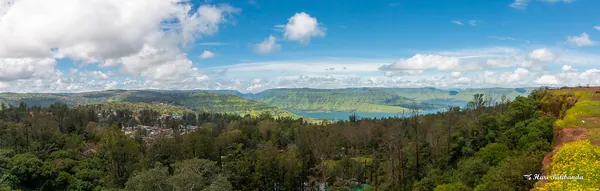
Dhule Photo Gallery & Attractions
Explore high-resolution photographs of iconic temples, historical monuments, and scenic landmarks in Dhule.
Plan Your Dhule Trip Now
Get the best verified hotel deals and customized tour packages. Book directly on EarthTrip and save up to 45%!