- .
- info@earthtrip.in
-
INR
-
USD
INR
USD
The Anthropological Museum, maintained by the Anthropological Survey of India on MG Road in Portblair, stands as India's foremost ethnographic repository d...
The Anthropological Museum, maintained by the Anthropological Survey of India on MG Road in Portblair, stands as India's foremost ethnographic repository dedicated to the material culture, survival tools, and heritage of the indigenous tribes of Andaman and Nicobar.
Established in 1975 76, this specialized cultural institution offers an invaluable educational window into the ancient nomadic traditions of the world's oldest surviving Paleolithic and Neolithic tribal communities without disturbing their protected habitats.
It's the home of authentic wooden outrigger canoes carved from single tree trunks, formidable Jarawa hunting bows and iron tipped fishing harpoons, intricate shell bead necklaces and bark chest guards, prehistoric stone microlith tools unearthed from ancient shell middens, and lifelike dioramas of traditional leaf thatched communal huts.
It represents a rich anthropological sanctuary where human evolution studies, indigenous botanical knowledge, oceanic survival adaptations, and respectful tribal advocacy unite in downtown Port Blair.
Located in the Phoenix Bay and Middle Point neighborhood, it sits 3 km from Veer Savarkar International Airport, 1 km from Aberdeen Bazaar, and 2 km from the Phoenix Bay Ferry Jetty.
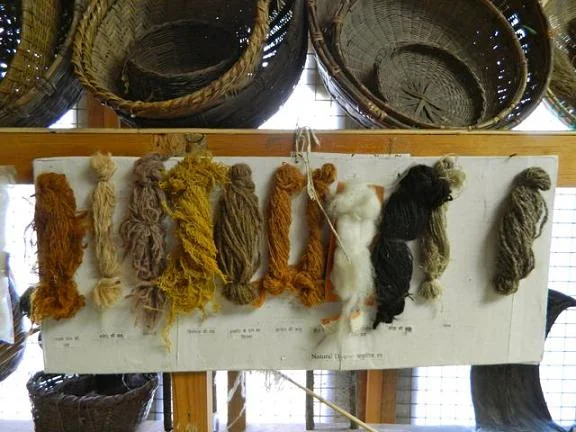
The museum provides a comprehensive cultural breakdown of the six distinct indigenous tribes inhabiting the archipelago, classified into two major racial and geographical divisions.
The Negrito hunter gatherer tribes of the Andaman Islands include the Great Andamanese, the Onge of Little Andaman, the Jarawa of South and Middle Andaman forests, and the Sentinelese who live completely uncontacted on North Sentinel Island.
Truth is, the Mongoloid tribes of the Nicobar Islands comprise the coastal Nicobarese horticulturalists and the reclusive forest dwelling Shompens of Great Nicobar, each possessing unique spiritual customs, boatbuilding skills, and dialect traditions.
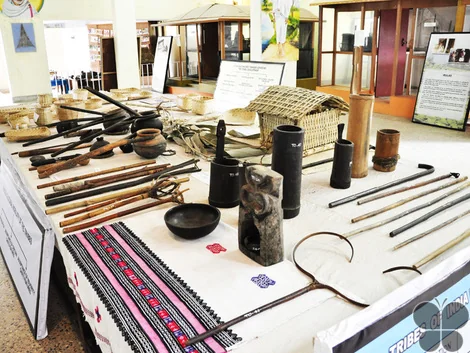
Hunting Gear & Weapons: The galleries display authentic longbows made from tough chooi wood, barbed bamboo arrows, and turtle hunting harpoons used by the Jarawa and Sentinelese, demonstrating sophisticated indigenous metallurgy and woodwork.
Prehistoric Stone Tools: Exhibits feature quartz flakes, obsidian scrapers, and bone needles discovered during archaeological excavations of prehistoric kitchen middens across the Andaman coastline, dating back several thousand years.
Nicobarese Shamanic Art: Fascinating wooden spirit sculptures known as "Kareau", carved by Nicobarese traditional healers with animal and human faces to ward off negative spirits and protect coastal villages.
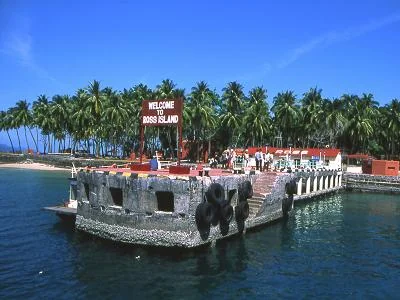
The museum features an informative audio visual room screening short anthropological documentaries that explain tribal customs, traditional food gathering techniques, and government preservation policies.
An adjacent research library houses rare publications, field monographs, and cartographic surveys compiled by British and Indian anthropologists over the past century, available for students and scholars upon request.

A visit here is the most ethical and educational way to learn about the indigenous tribes of Andaman, creating meaningful context before you explore the islands. Combine your tour with the Samudrika Marine Museum and Cellular Jail for a well rounded Port Blair itinerary.
Reaching the Anthropological Museum on MG Road in Portblair is easy from anywhere in Andaman and Nicobar.
Best Time to Visit:
Explore more cultural landmarks and tribal heritage across Andaman and Nicobar.
 Honeymoon
 ★★★★ Hotel
For those who usually drive in bumper to bumper traffic, it might take some getting used t…
View Hotel Details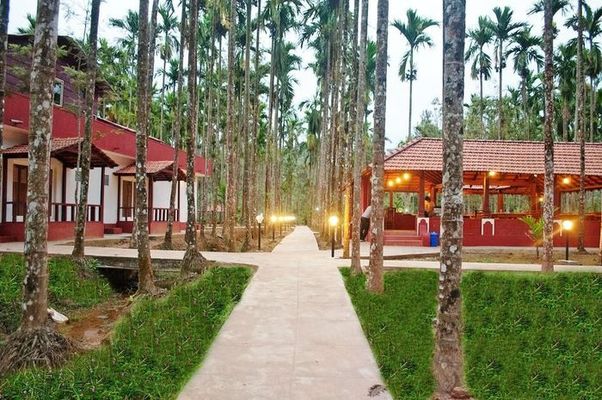 ★★★ Hotel
La Flora Prakruth Resort is a elegant and luxury property that offers a budget stay to all…
View Hotel Details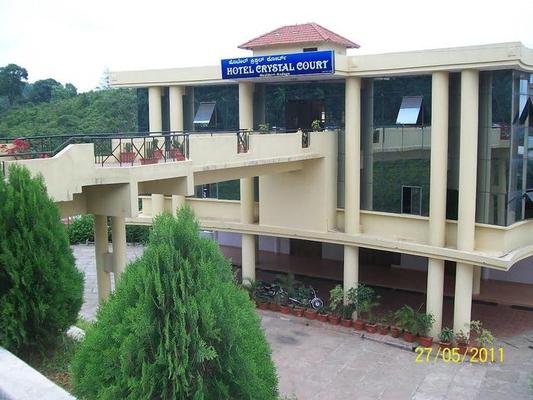 ★★ Hotel
Hotel Crystal Court (a unit of Hilldale Resorts) at Madikeri is a home away from home, whe…
View Hotel Details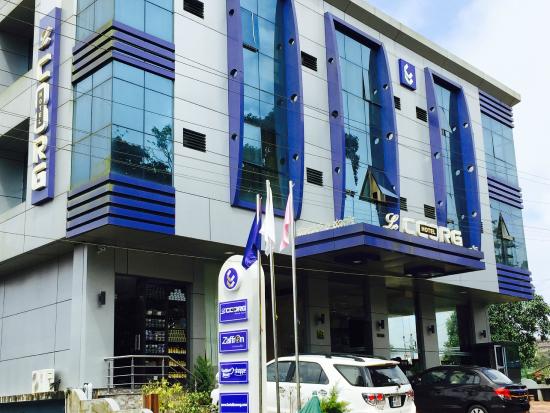 ★★★ Hotel
Le Coorg is conveniently located in the heart of Madikeri town and it is just 600 mts from…
View Hotel Details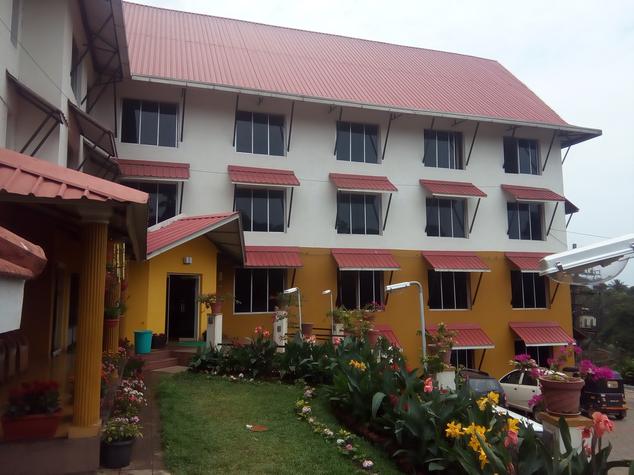 ★★ Hotel
At the Sri Venkateshwara residency, we are always innovating to make you feel fresh. Every…
View Hotel Details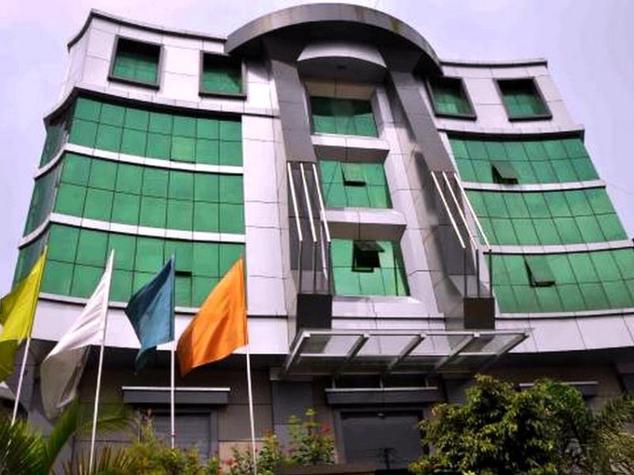 ★★★ Hotel
Hotel Madikeri Heritage is a venture of Miltux Group International well known for their ho…
View Hotel Details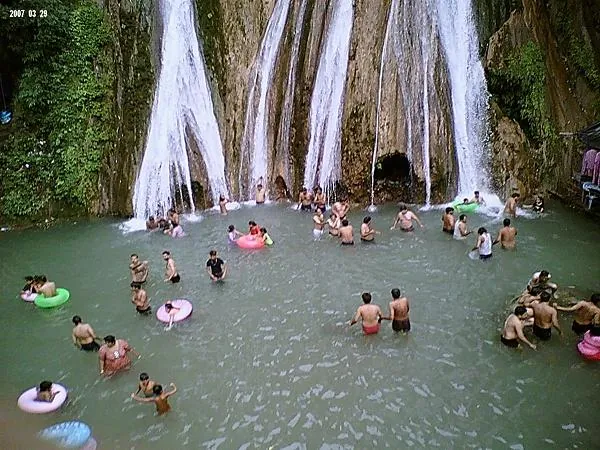 Waterfall
Abbey Falls in Coorg (celebrated across Karnataka as Jessy Falls and one of South India's …
Explore Abbey Falls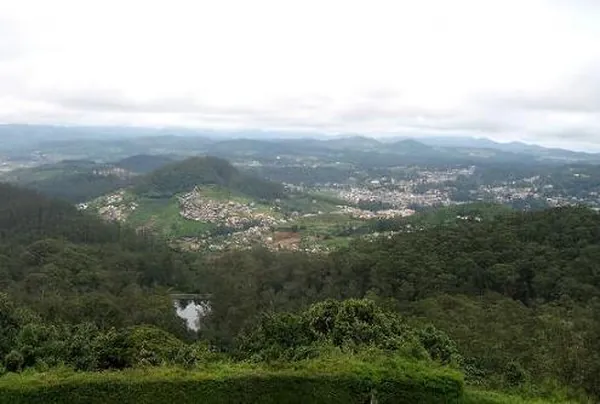 Attraction
Brahmagiri Peak in Coorg (celebrated across Indian mountaineering as the Abode of Lord Bra…
Explore Brahmagiri Peak
Attraction
Iruppu Falls in Coorg (celebrated across Southern India as the sacred Lakshmana Tirtha Fal…
Explore Iruppu Falls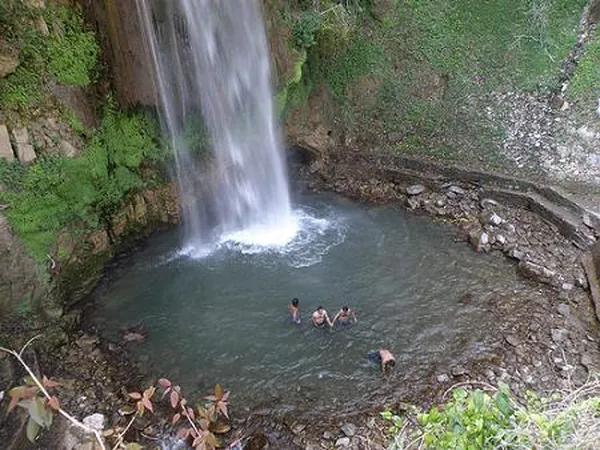 Attraction
Nagarhole National Park in Coorg (celebrated across global conservation biology as Rajiv G…
Explore Nagarhole National Park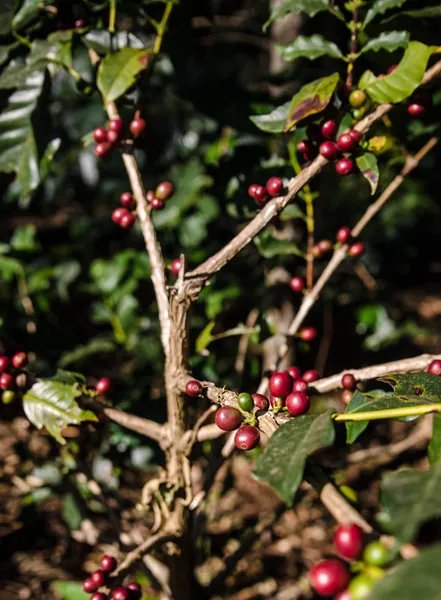 Attraction
Chettalli in Coorg (celebrated across India as the Coffee Capital Village of Kodagu, a lus…
Explore Chettalli Attraction
Raja's Seat in Coorg (celebrated across Karnataka as the Seat of the Kings, an iconic 17th…
Explore Raja’s Seat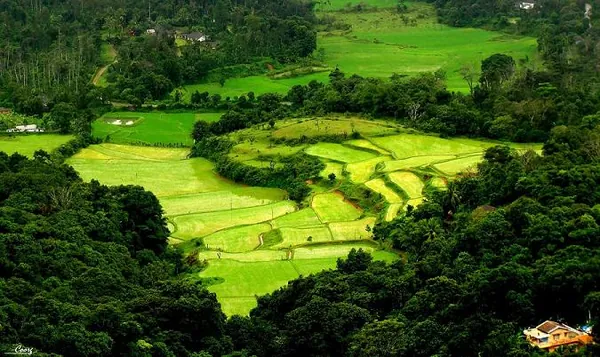 Attraction
Mandalpatti View Point in Coorg (celebrated across Karnataka as Mugilupete or the Market o…
Explore Mandalpatti View Point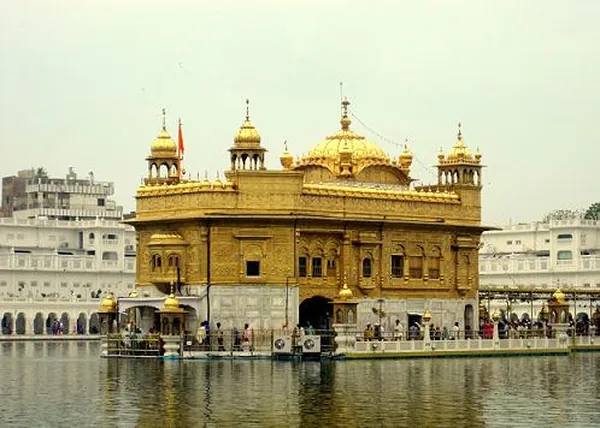 Attraction
Bylakuppe in Coorg (celebrated internationally as the second largest Tibetan settlement in…
Explore Bylakuppe
Attraction
Nisargadhama in Coorg (celebrated across Karnataka as Kaveri Nisargadhama, a scenic 64 acr…
Explore NisargadhamaExplore high-resolution photographs of iconic landmarks, temples, and scenic spots in Coorg.
Essential visitor information regarding timings, entry tickets, location, nearby attractions, and travel guide in Coorg.
The museum is India's premier ethnographic institution showcasing the material culture, hunting tools, weapons, traditional canoes, and survival traditions of the six indigenous tribes of Andaman and Nicobar Islands.
The museum is India's premier ethnographic institution showcasing the material culture, hunting tools, weapons, traditional canoes, and survival traditions of the six indigenous tribes of Andaman and Nicobar Islands.
The museum features exhibits on the four Negrito tribes of the Andamans (Great Andamanese, Onge, Jarawa, Sentinelese) and the two Mongoloid tribes of the Nicobars (Nicobarese and Shompen).
The museum features exhibits on the four Negrito tribes of the Andamans (Great Andamanese, Onge, Jarawa, Sentinelese) and the two Mongoloid tribes of the Nicobars (Nicobarese and Shompen).
The museum is open Tuesday to Sunday from 9:00 AM to 1:00 PM and 1:30 PM to 4:30 PM (closed Mondays). Entry fee is ?20 for adults and ?10 for children and students.
The museum is open Tuesday to Sunday from 9:00 AM to 1:00 PM and 1:30 PM to 4:30 PM (closed Mondays). Entry fee is ?20 for adults and ?10 for children and students.
It is located on MG Road in Middle Point / Phoenix Bay, just 3 km from Veer Savarkar International Airport and 1 km from Aberdeen Bazaar.
It is located on MG Road in Middle Point / Phoenix Bay, just 3 km from Veer Savarkar International Airport and 1 km from Aberdeen Bazaar.
The indigenous tribes live in strictly protected reserve zones where tourism and contact are banned by law to safeguard their survival. The museum provides an authentic, ethical, and educational way to learn about their heritage.
The indigenous tribes live in strictly protected reserve zones where tourism and contact are banned by law to safeguard their survival. The museum provides an authentic, ethical, and educational way to learn about their heritage.
Get a customized itinerary and the best deals on packages and hotels.
Enquire Now
Waterfall