- .
- info@earthtrip.in
-
INR
-
USD
INR
USD
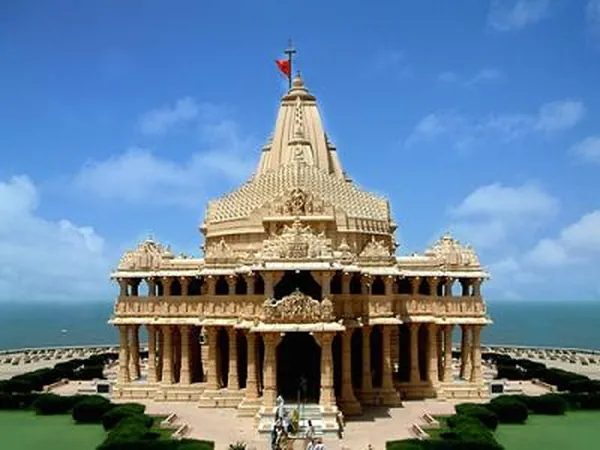
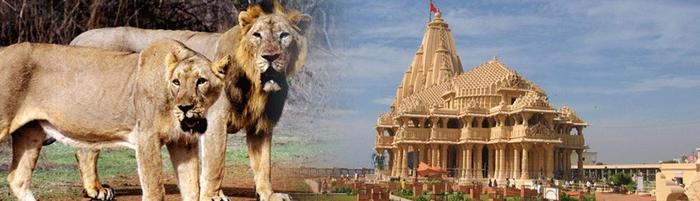
Somnath: One of the most revered & an important centre of culture & nationalism. The legendary temple contains a ‘jyotirlinga’. Looted & destroyed, built & rebuilt several times, it represents the eternal beauty & strength of the Indian society. The present splendid structure was rebuilt about five decades ago, at the exact spot where the original shrine was located. The iron man of India Sardar Vallabh bhai Patel was instrumental in the construction of the present temple.
This pilgrimage is one of the oldest and finds its reference in the ancient texts like Skandpuran, Shreemad Bhagavat, Shivpuran etc. The chant from Rig-Veda quoted below mention the Bhagvan Someshwar along with the great pilgrimage like Gangaji, Yamunaji and Eastward Saraswati. This signifies the ancient value of this Tirthdham. Somnath is in Prabhas Patan very near to Veraval. The Moon God is said to have been relieved from the curse of his father-in-law Daksha Prajapati by the blessings of Bhagvan Somnath.
Day 1: Arrival at Jamnagar and Proceed to Dwarka
Arrive at Jamnagar and proceed to Dwarka (150 kms- 4 hours). Visit Dwarkadheesh Temple in the evening. Dwarkadhish Temple is one of the most significant and visited Lord Krishna Temples in India. Overnight at Hotel.
Day 2: Temple visits in and around Dwarka. Proceed to Somnath
After breakfast visit Okha for the Beyt Dwarka. Beyt Dwarka is an island accessible over a short boat ride where a prominent Lord Krishna Temple is located. Upon return visit Nageshwar Mahadev Temple enroute. Nageshwar temple is believed to be one of the 12 Jyotirlinga Temples. Visit Rukmini Devi Temple, Gomati Ghat Temples after returning to Dwarka. Travel to Somnath (240 kms- 4.5 hours). Enroute stopover at the Harsiddh Mata temple offering excellent views of the the Arabian Sea. Reach Somnath by evening. Overnight at Hotel.
Day 3: Somnath Temple visit. Travel to Diu. Evening beach visit
After breakfast visit Somnath Temple, a renowned Shiva Temple and considered one of the 12 Jyotirlinga Temples and one of the most visited Shiva Temples in India. Time permitting visit Bhalka Teerth. Travel to Diu (90 kms- 2 hours). Diu, an erstwhile Portuguese Colony and now a popular beach getaway. Evening visit to the Nagoa beach. Overnight at Hotel.
Day 4: Sightseeing and activities around Diu
After breakfast sightseeing around Diu includes Nagoa Beach, St. Pauls Church, Diu Museum, Diu Fort. Watersports include Para Sailing, water skiing, water scooter, Family boat and speedboats are on offer at Ahmadpur Mandvi beach. Overnight at Hotel.
Day 5: Travel to Sasan Gir via Somnath. Evening Safari in Sasan Gir
After breakfast proceed to Sasan Gir (120 kms- 3 hrs). Sasan Gir is only abode of Asiatic Lions and considered excellent for bird watching. The park checklist has 250 birds and about 50 other species (including the endangered lesser florican and the saras crane) are recorded in the grasslands along the perifery of the sanctuary. Evening Safari in Gir. Overnight at Hotel.
Day 6: Morning and Evening Safari at Sasan Gir
Sasan Gir has number of areas / wetlands that offer excellent Bird watching opportuniteis. Undertake safaris (morning and evening) for exploring different areas of the park. Kamleshwar Dams are home to Crocodiles. Lion sighting is generally good all through the year. Overnight at Hotel.
Day 7: Departure
After breakfast departure to Rajkot (160 kms- 3 hours) and proceed to onward journey.
Payments policy
Tour Cancilation policy
By Train:
Somnath Railway Station (Station Code: SMNH - 1 km) & Veraval Junction (VRL - 6 km): Major railheads on Western Railway. Direct superfast express trains connect Somnath daily to Ahmedabad (Vande Bharat Express & Somnath Express in 6 to 7 hours), Rajkot, Mumbai Central, Pune, Jabalpur, Varanasi, and Thiruvananthapuram.
By Air:
Keshod Airport (Airport Code: IXK - 55 km north):** Closest regional airport with direct flights to Mumbai. Diu Airport (DIU - 85 km east) and Rajkot International Airport (HSR - 215 km north) provide extensive flight connections.
By Road:
Local Transport:
Auto rickshaws, battery operated e rickshaws, and private tourist taxis provide easy transit across all temple shrines and coastal points.
Somnath features seaside Jyotirlinga sanctuaries, river confluences, Krishna liberation shrines, and historic museums:
The sacred First of the 12 Jyotirlingas of Lord Shiva situated right on the shore of the Arabian Sea. Built in the majestic Chalukya style of temple architecture (*Kailash Mahameru Prasad*), the temple features a soaring 155 foot spire, 7 storeyed shikhara, an ornate Sabha Mandap, and a 10 ton Kalash crowned with a 27 foot flagpole hoisting the sacred saffron flag.
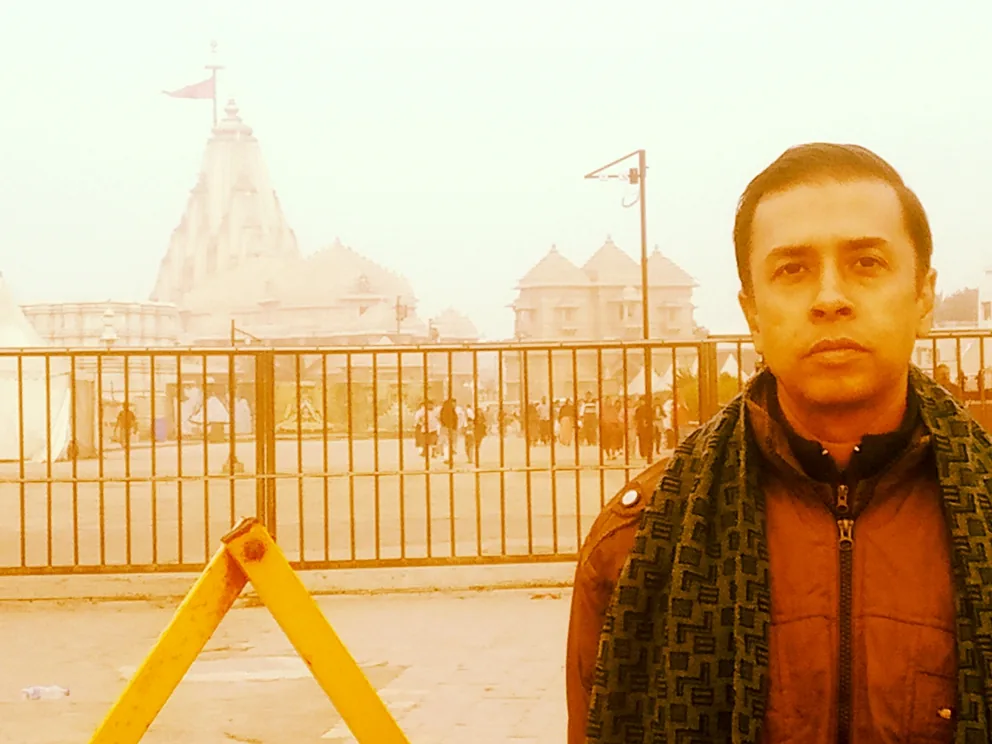 Shree Somnath Jyotirlinga Temple — First Sacred Jyotirlinga of Lord Shiva on the Sea
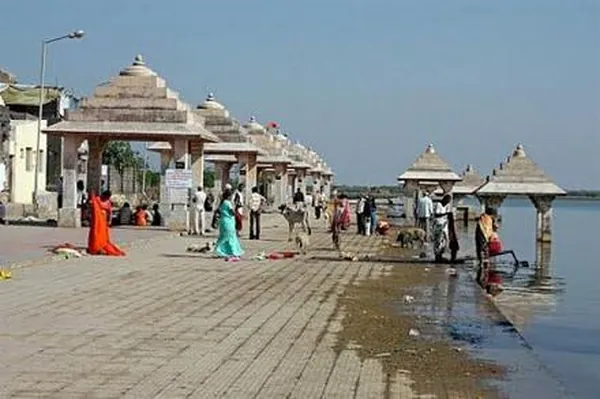
The holy geographical point where three sacred rivers — Hiran, Kapila, and the underground Saraswati — merge before emptying into the Arabian Sea. Pilgrims from all over India take ritual cleansing dips (*Snan*) here to liberate their souls and perform ancestral Pinda Daan ceremonies.
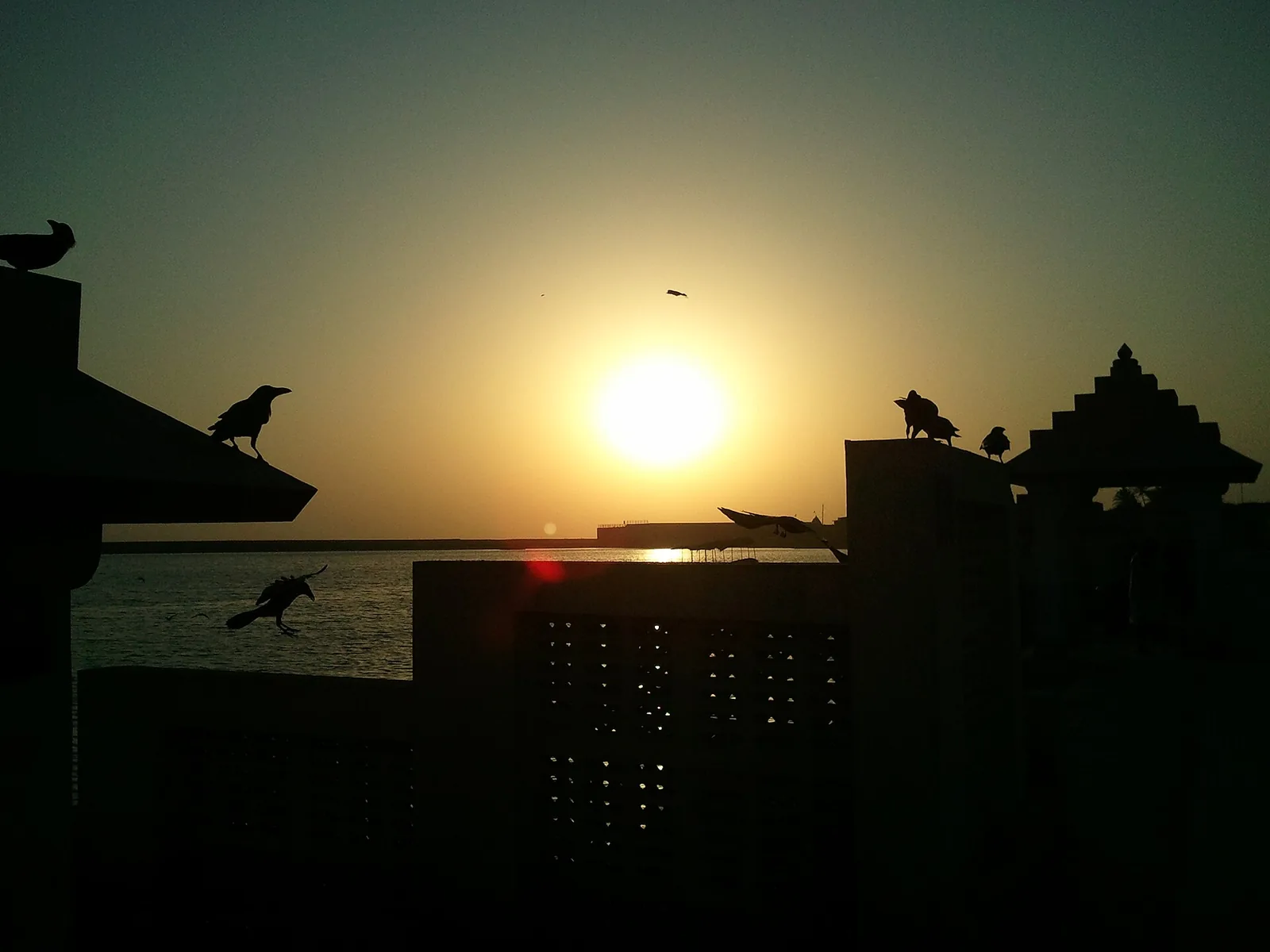 Triveni Sangam — Holy Confluence of Hiran, Kapila, and Saraswati Rivers
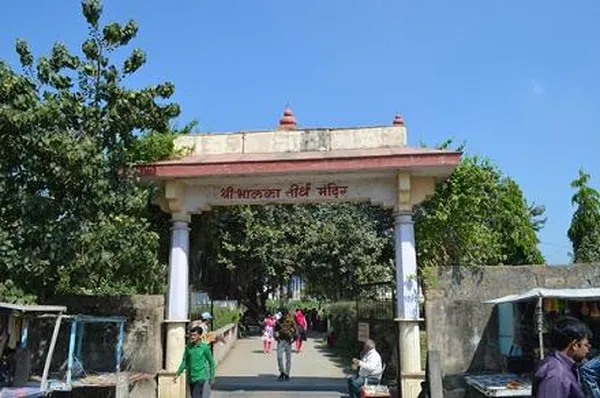
A serene historical pilgrimage shrine located 5 km from Somnath Temple, marking the spot where Lord Krishna was resting under a sacred Peepal tree when a hunter named Jara mistakenly pierced his foot with an arrow, marking the end of the Dvapara Yuga and the beginning of Kali Yuga.
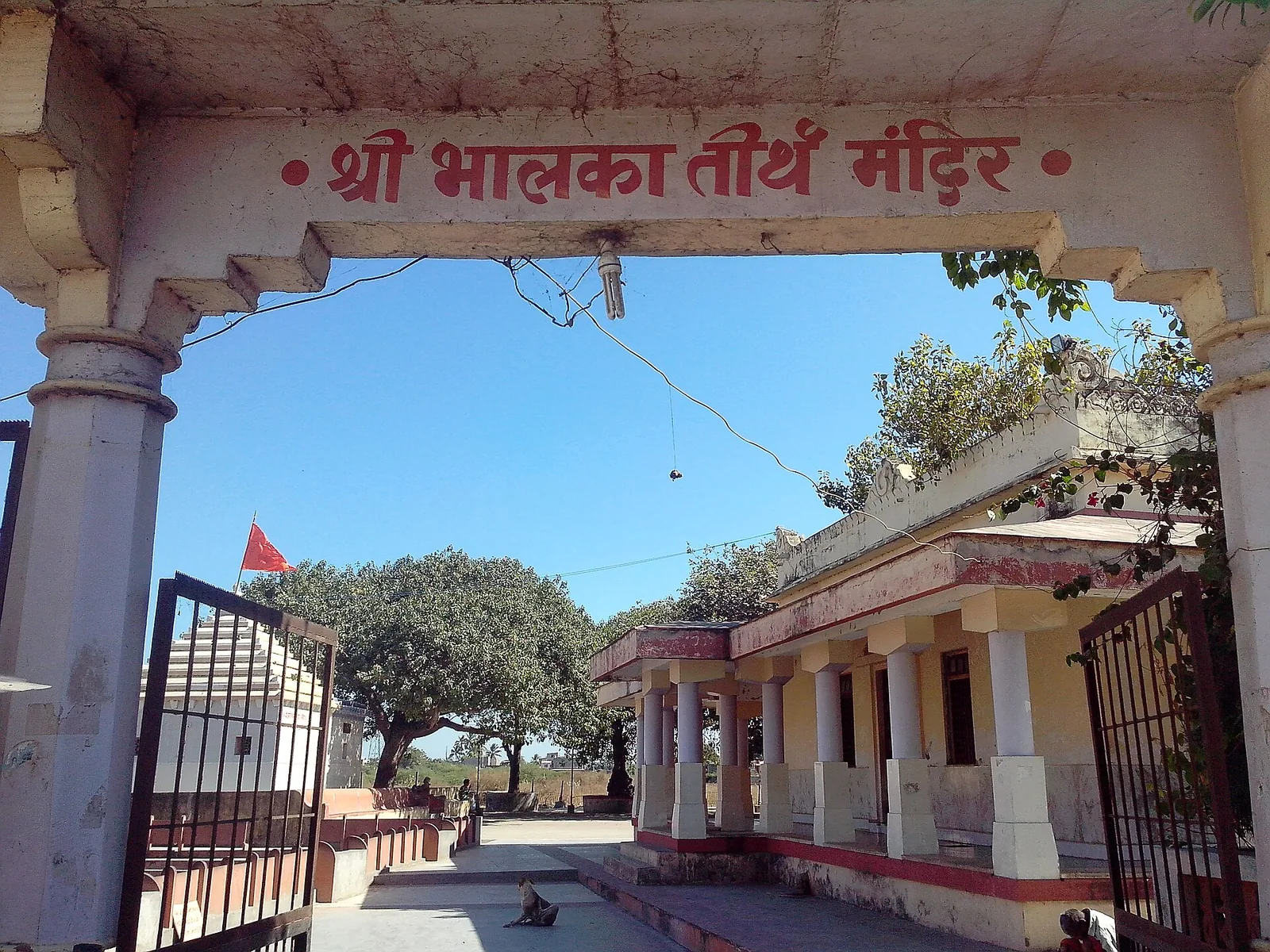 Bhalka Tirth — Sacred Site of Lord Krishna's Divine Dehotsarg
An ancient stone pillar standing on the coastal sea wall of the Somnath temple complex. Bearing an ancient Sanskrit inscription, the top arrow points due south, stating that there is no obstruction of land whatsoever in a straight line from this point to Antarctica at the South Pole.
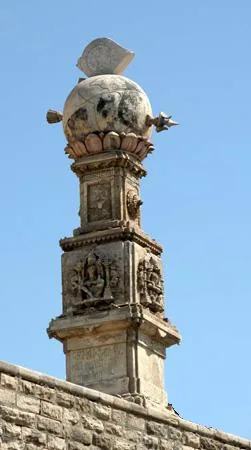 Baan Stambh — Historic Ancient Arrow Pillar Pointing Straight to Antarctica
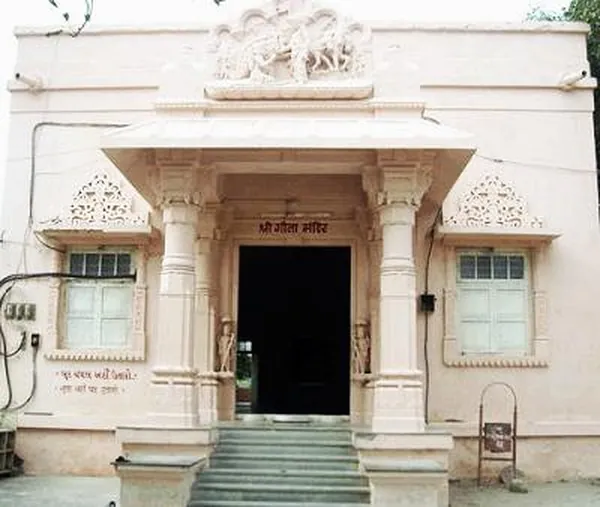
A graceful white marble temple constructed by the Birla trust on the banks of Triveni Sangam, featuring 18 polished marble pillars intricately engraved with the complete 700 verses of the Bhagavad Gita.
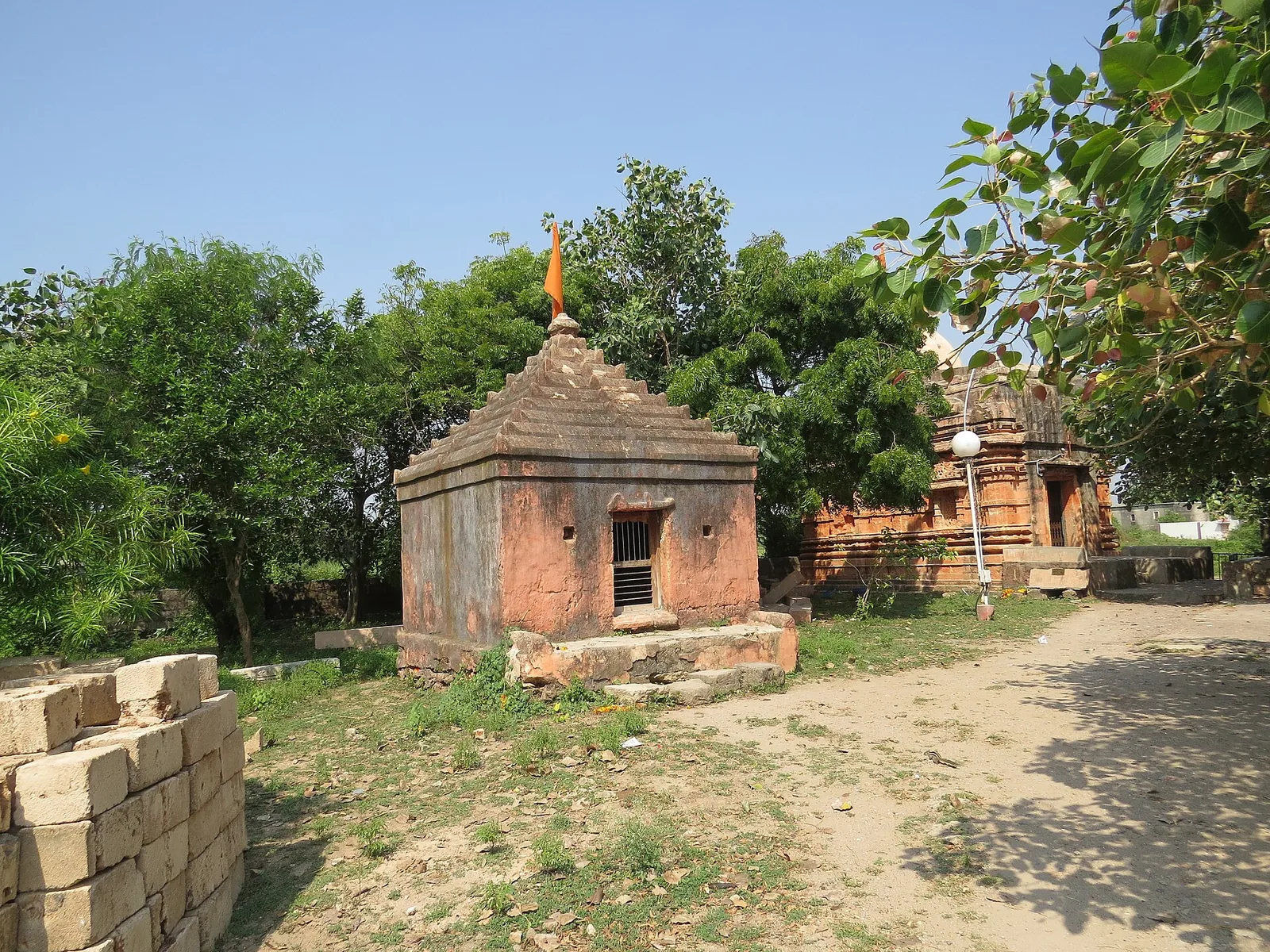 Gita Mandir — Marble Temple with 18 Inscribed Pillars of the Bhagavad Gita
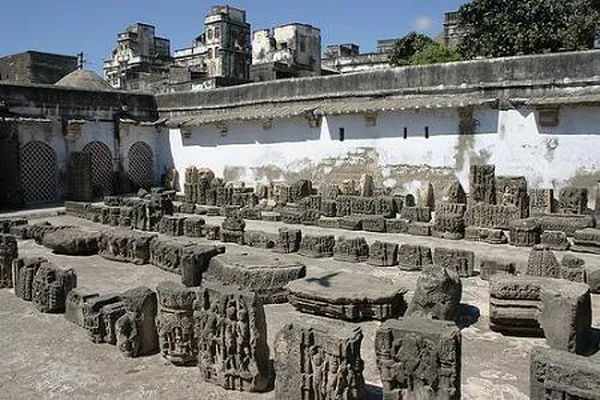
An archaeological museum located near the main temple, preserving exquisite sculpted ruins, stone toranas, statues of Agni and Surya, and fragments from the 11th century temple built by Raja Kumarpal.
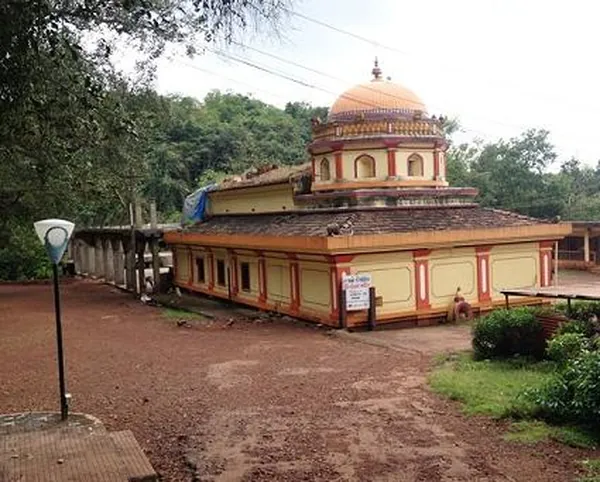
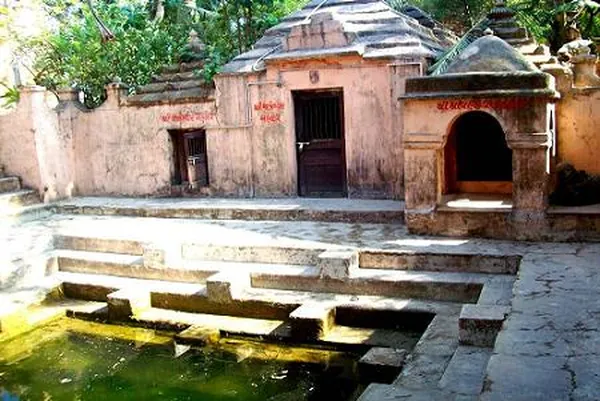
A sacred memorial shrine situated at the Triveni Sangam where Lord Krishna's earthly body was placed in sacred fire, preserving divine footprints (*Charan Paduka*) visited by pilgrims.
A scenic beachfront promenade right beside the temple walls, offering cool marine breezes, sunset views over the Arabian Sea, camel rides, and local Gujarati street snacks.
An ancient rock cut cave temple discovered in 1949 situated on a hillock near Triveni Sangam, believed to have served as the shelter of the five Pandava brothers and Draupadi during their exile.
Duration: 6 Nights / 7 Days
 Best Flights
 Best Prices
 Unique Holidays