- .
- info@earthtrip.in
-
INR
-
USD
INR
USD
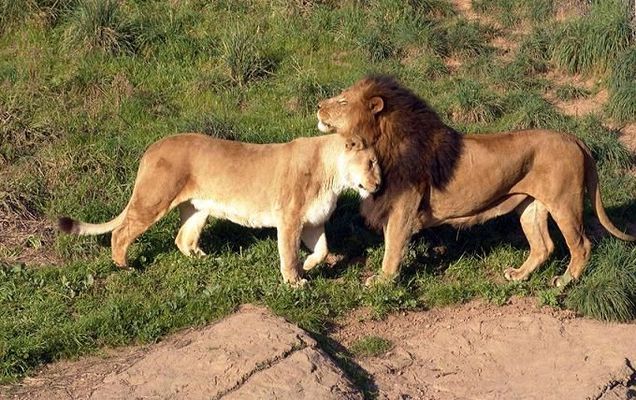
Situated about 65km SE of Junagarh district in the state of Gujarat in South West India, the Sasan Gir National Park was established on 18th September, 1965, as a Forest Reserve, primarily to conserve the Asiatic lion-classified as one of the World's most threatened species. Now Gir National Park is the only remaining place in the world, where one is likely to see the Asiatic Lion., Gir National Park is a paradise for the connoisseurs of wildlife.
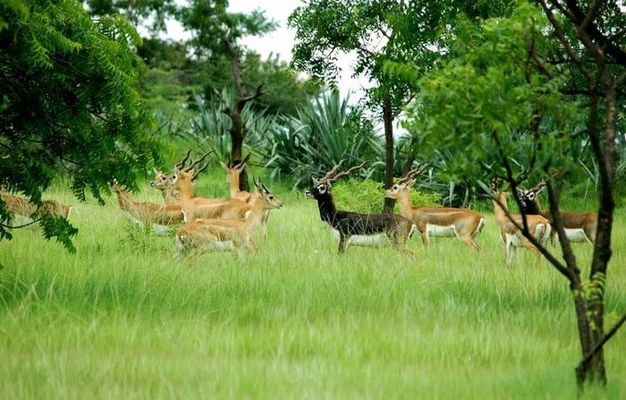
Most of the tourists explore the sanctuary in search of Asiatic Lions. The lions, a smaller more compact version of their African cousins are best viewed at dawn or dusk when they are on the move. Gir has also leopards and numerous chital, nilgai, chinkara, the four horned antelope and wild boar. Marsh crocodiles are often seen at kamleshwar dam & farm developed in the forest. The forest is rich in bird life and the paradise flycatcher, black headed cuckoo shrike, pied woodpecker, Bonelli's eagle, crested serpant eagle, painted sandgrouse, bush quail and grey partridge are among the variety that is found here.
Day 1: Arrival at Rajkot. Travel to Sasan Gir
Early morning safari exploring Velavadar. Proceed to Sasan Gir (220 kms- 4 hours), abode of Asiatic Lions and considered excellent for bird watching. The park checklist has 250 birds and about 50 other species (including the endangered lesser florican and the saras crane) are recorded in the grasslands along the periphery of the sanctuary. Evening Safari in Gir. Overnight at Hotel.
Day 2: Morning and Evening Safari at Sasan Gir
Sasan Gir has number of areas / wetlands that offer excellent Bird watching opportuniteis. Undertake safaris (morning and evening) for exploring different areas of the park. Overnight at Hotel.
Day 3: Morning Safari at Sasan Gir
Morning Safari at Sasan Gir. Travel to Dasada (330 kms- 5.5 hrs). Dasada, part of Little Rann of Kutch is a bird watching destination at 90 kms from Ahmedabad. The Little Rann of Kutch Wildlife sanctuary spreads over 4950 sq km in area comprising a range habitats from saline desert plains, arid grasslands, rocky and thorn scrub to lakes and marshes. Overnight at Hotel.
Day 4: Bird Watching around Dasada
After breakfast "Explore Bird Watching around Dasada. Nawa Talao lake, the wetland near Patdi fort and many reservoirs of Surendranagar district offer good winter birding opportunities. Birds like rose -coloured starling and green pigeon are often seen at Dasada village. Overnight at Hotel.
Day 5: Departure
After breakfast travel to Ahmedabad (90 kms) and depart for onward journey.
Payments policy
Tour Cancilation policy
By Train:
Rajkot Junction Railway Station (Station Code: RJT City Center) & Bhaktinagar (BKNG): Premier railway hub on Western Railway. High speed Vande Bharat Express and superfast trains connect Rajkot to Ahmedabad in under 3 hours, and Mumbai Central in 10 to 11 hours. Direct trains connect daily to Delhi, Jaipur, Kolkata, Chennai, Bengaluru, Somnath, and Okha (Dwarka).
By Air:
Rajkot Greenfield International Airport (Hirasar Airport Code: HSR - 30 km east on NH-27):** Modern greenfield international airport with direct daily flights to New Delhi, Mumbai, Bengaluru, Goa, Pune, and Udaipur.
By Road:
Local Transport:
Rajkot BRTS (Rajpath buses), auto rickshaws, e rickshaws, and app based cabs provide convenient transit across all city zones.
Rajkot features Gandhian heritage homes, colonial Victorian museums, international doll galleries, and wildlife parks:
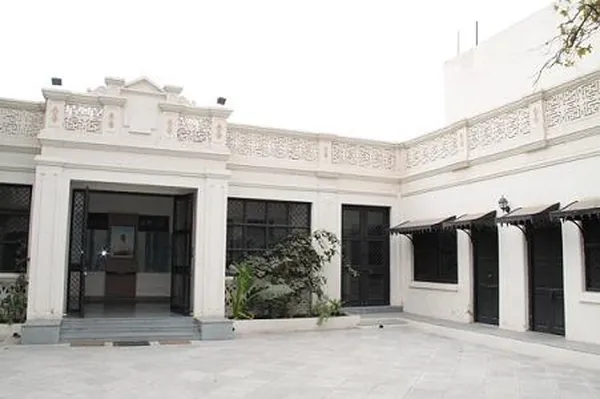
The ancestral heritage house where Mahatma Gandhi lived with his family from 1881 to 1887 while his father Karamchand Gandhi (Kaba Gandhi) served as the Prime Minister (Diwan) of Rajkot State. Preserved as a peaceful memorial museum with preserved family courtyards, rare archival photos, and spinning charkhas.
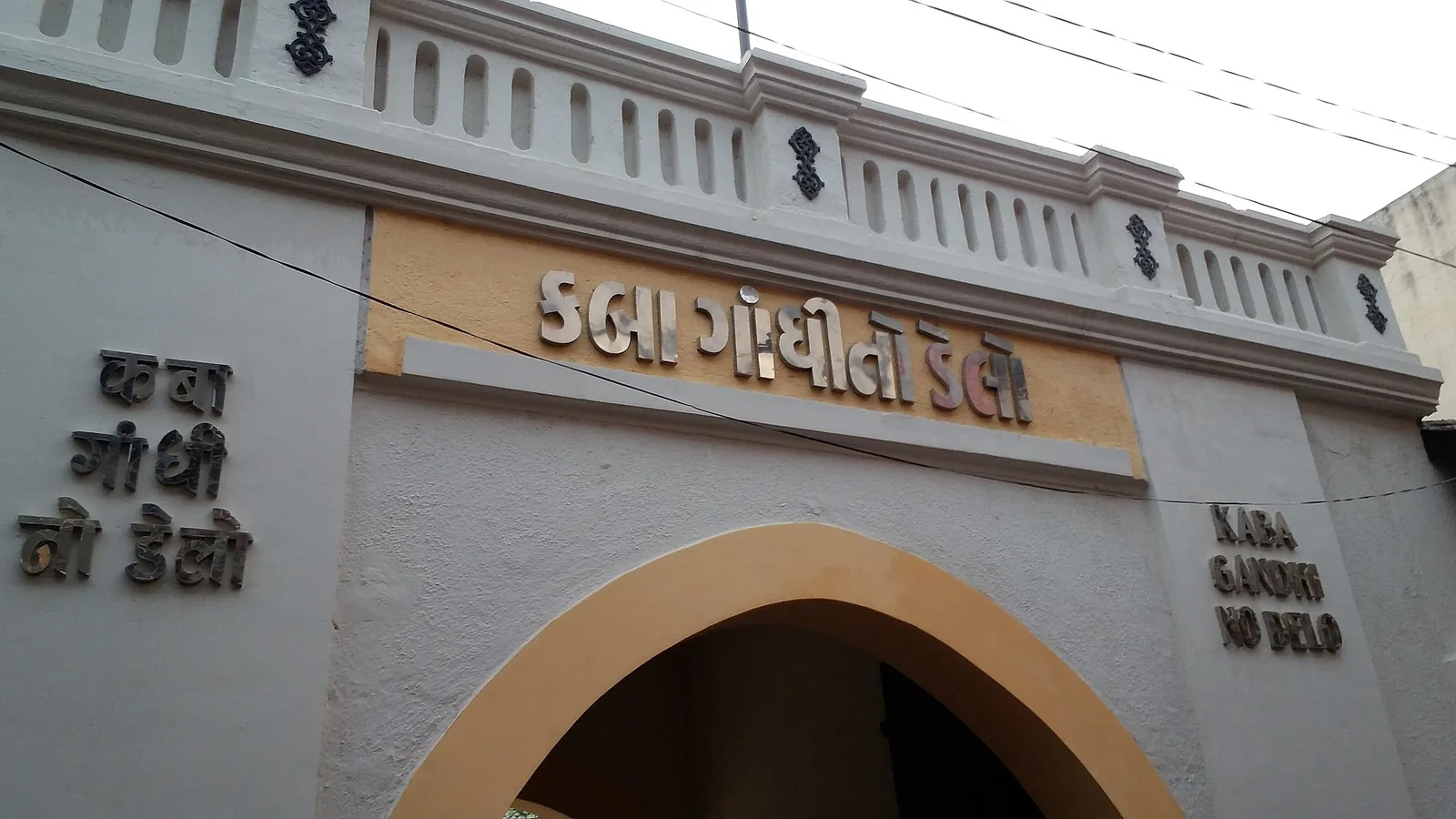 Kaba Gandhi No Delo — Mahatma Gandhi's Childhood Residence and National Heritage Memorial
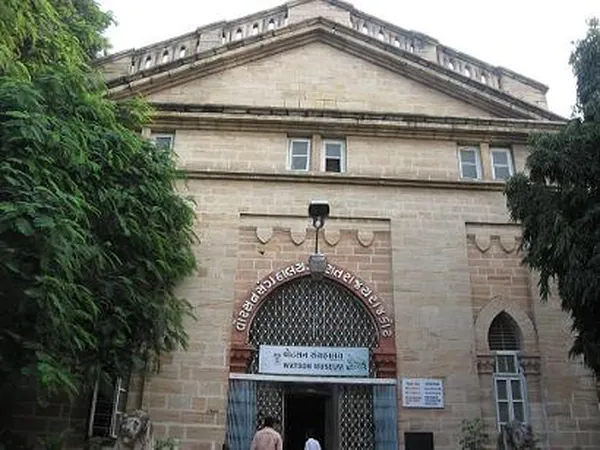
One of the oldest and most comprehensive museums in Gujarat, set within the verdant Jubilee Garden inside the Queen Victoria Memorial Institute. Named after Colonel John Watson, it houses priceless antiquities spanning Indus Valley pottery, 3rd century BC Kshatrapa stone inscriptions, Rajput arms, ivory carvings, and colonial portraits.
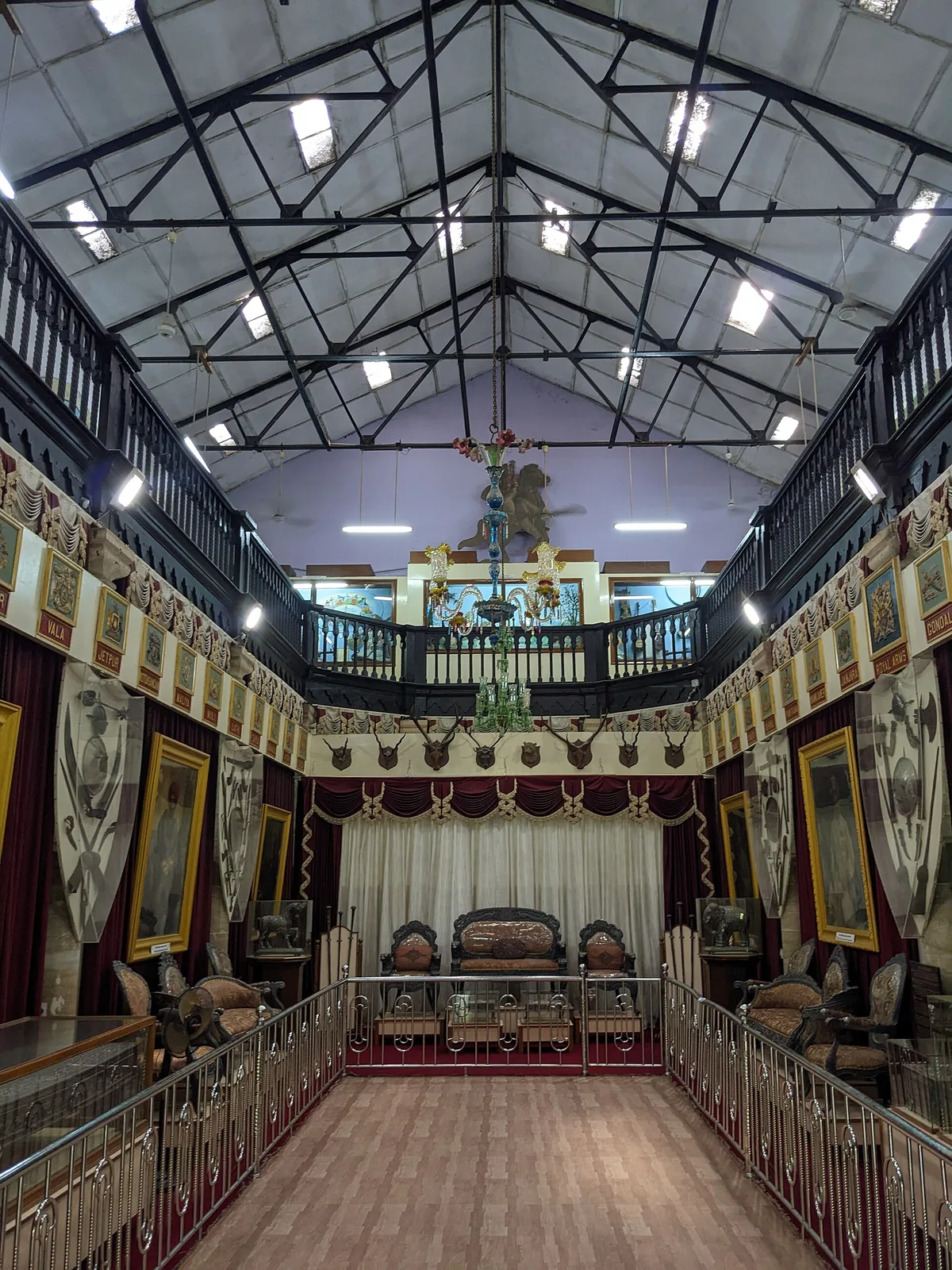 Watson Museum — 1888 Historic Victorian Museum inside Jubilee Garden
A world famous museum curated by Rotary Club of Rajkot Midland, showcasing over 1,600 unique traditional dolls donated from 102 countries across five continents, complete with ethnic costumes, cultural traditions, flags, and interactive audio visual kiosks.
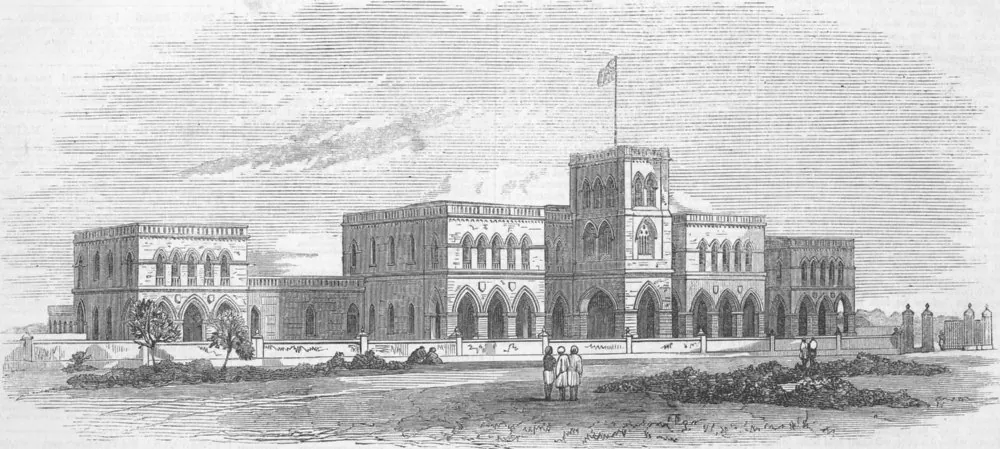 Rotary Dolls Museum — Unique International Cultural Dolls Museum in Rajkot
A modern 137 acre open moat zoological reserve on the serene banks of Lalpari Lake, creating natural habitats for Asiatic lions, Royal Bengal tigers, leopards, Indian wolves, chinkaras, and thousands of migratory waterfowl.
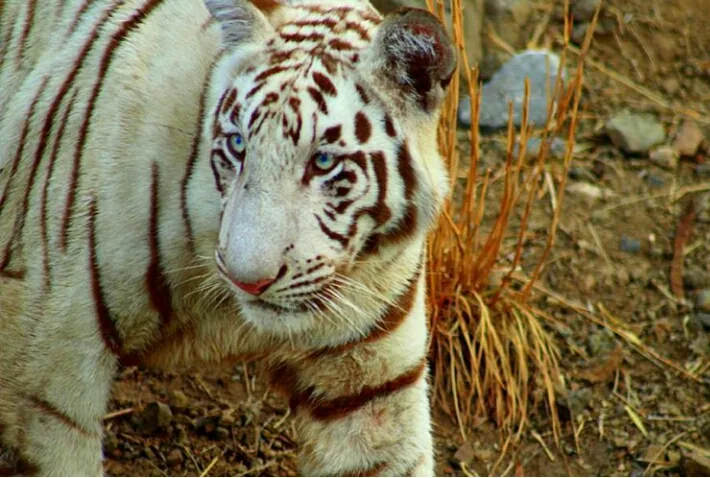 Pradhyuman Zoological Park — 137-Acre Nature Wildlife Safari Park near Lalpari Lake
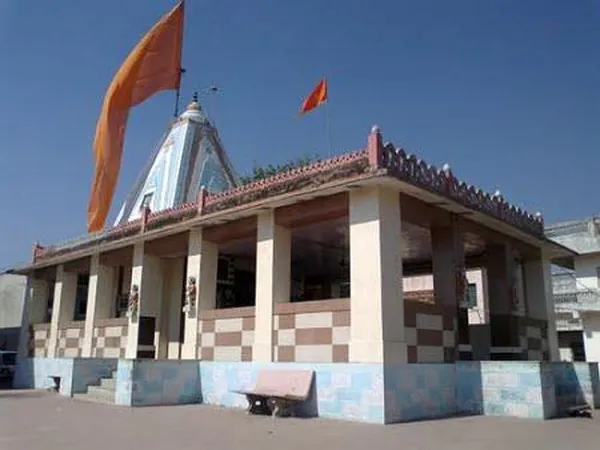
A magnificent Hindu temple on Kalawad Road built according to ancient Vedic Shilpa Shastras with hand carved pink Ambaji marble and Makrana stone, featuring ornate pillared mandapas and a peaceful sanctum.
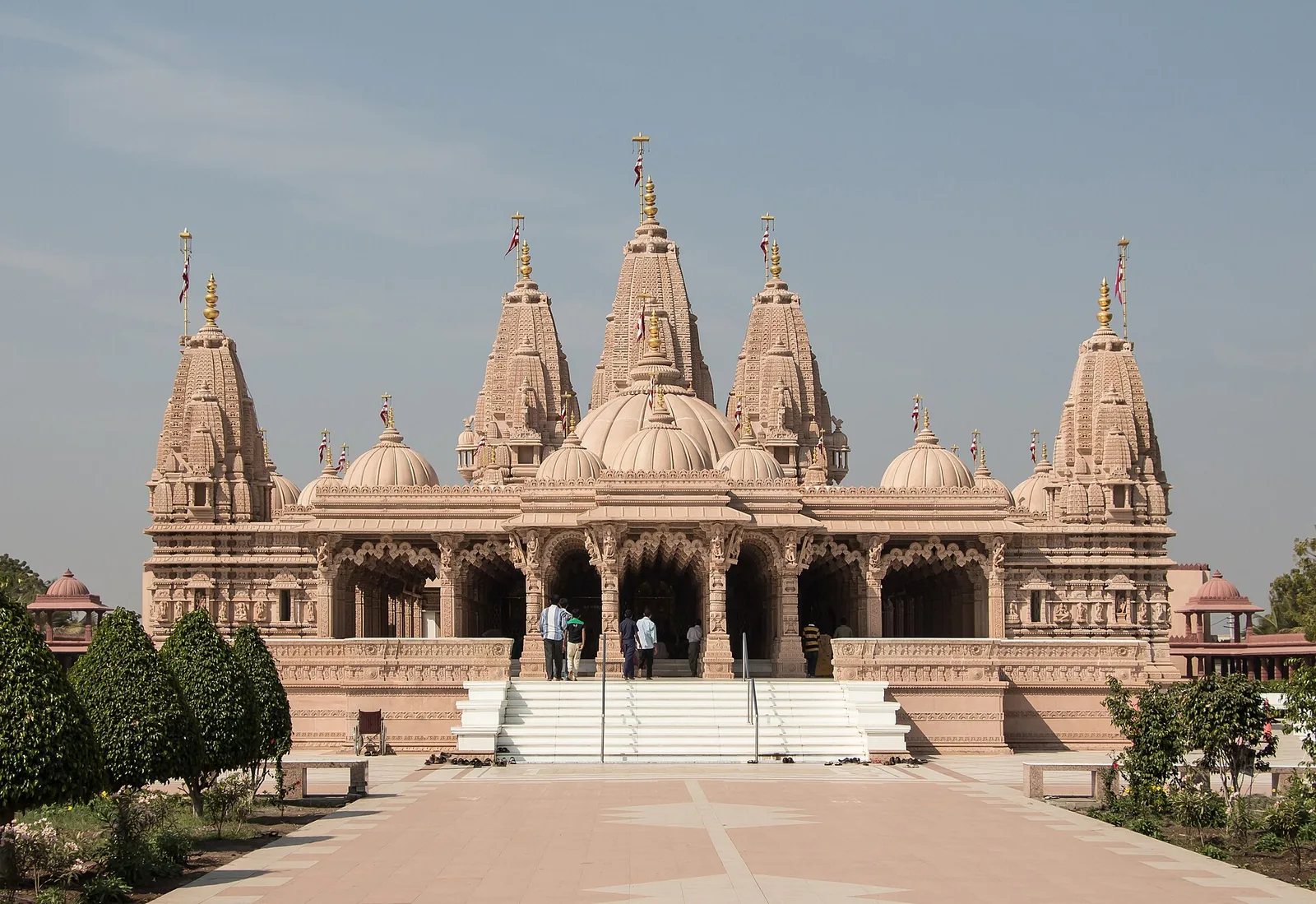 BAPS Shri Swaminarayan Mandir — Ornate Carved Vedic Temple on Kalawad Road
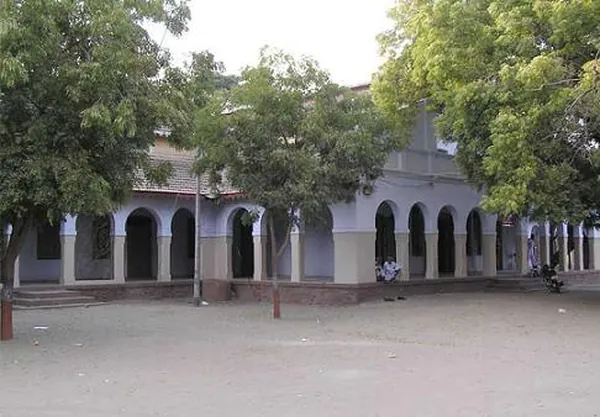
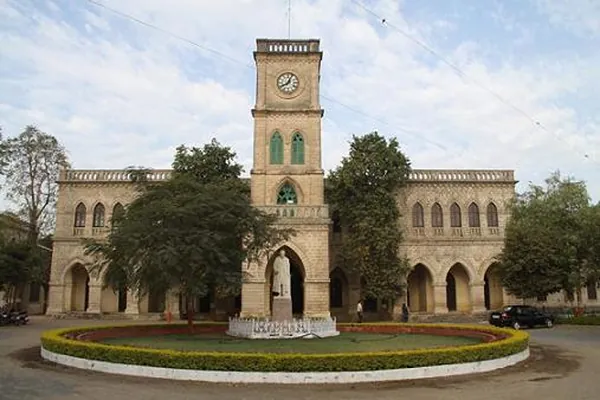
One of the oldest and most prestigious boarding institutions in India founded in 1870 by British colonial authorities for the education of Kathiawar's royal princes, noted for its grand Elizabethan clocks and Gothic halls.
Founded by Mahatma Gandhi in 1921 during the Non Cooperation movement, this 66 acre institution continues to preserve traditional hand spinning (*khadi*), Patola silk weaving, and local oil expelling crafts.
Vital freshwater reservoirs on the outskirts of Rajkot surrounded by manicured green gardens, illuminated musical step fountains, amusement rides, and peaceful evening waterfront promenades.
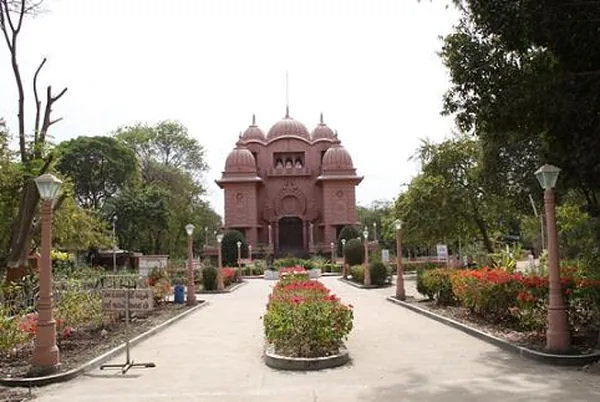
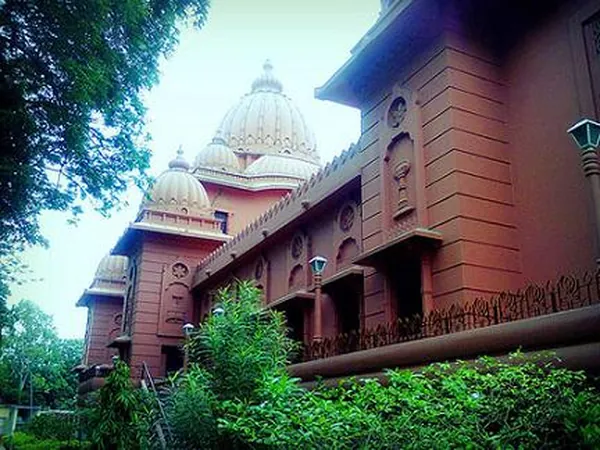
A spiritual center established in 1927 on Dr. Yagnik Road, featuring a grand red sandstone temple modeled after Belur Math, serene meditation halls, library, and spiritual discourses.
Duration: 4 Nights / 5 Days
 Best Flights
 Best Prices
 Unique Holidays