Munger — Travel Guide
Munger (historically celebrated in the Mahabharata as *Mudgagiri* and the legendary kingdom of philanthropic hero Danveer King Karna (Anga Desh), recognized across the globe as the 'Yoga Capital of the World & Citadel of Mir Qasim', the proud home of the globally revered Bihar School of Yoga (Ganga Darshan Ashram) founded in 1963 by Sri Swami Satyananda Saraswati attracting international seekers from over 100 countries, the imposing 222-acre rocky peninsula fortress at Munger Fort built on the southern banks of the sacred River Ganges with massive stone ramparts and Mir Qasim's cannon foundry, the sacred riverfront of Kastaharni Ghat where the holy Ganges uniquely turns northward (*Uttarvahini Ganga*) liberating pilgrims from all spiritual sorrows, the revered 51-Shakti Peeth shrine of Maa Chandika Sthan (housing the sacred left eye of Goddess Sati), the miraculous perennial boiling geothermal springs at Sitakund, the dense tropical dry deciduous forest and hot water cascades at Bhimbandh Wildlife Sanctuary (680 sq km), and the administrative headquarters of Munger district in eastern Bihar nestled between the Ganges River and the scenic Kharagpur Hills of the Vindhyan range at an elevation of 43 meters (141 ft) above sea level), is an unmatched Mahabharata royal heritage haven, international yogic enlightenment citadel, and sacred Gangetic pilgrimage sanctuary.
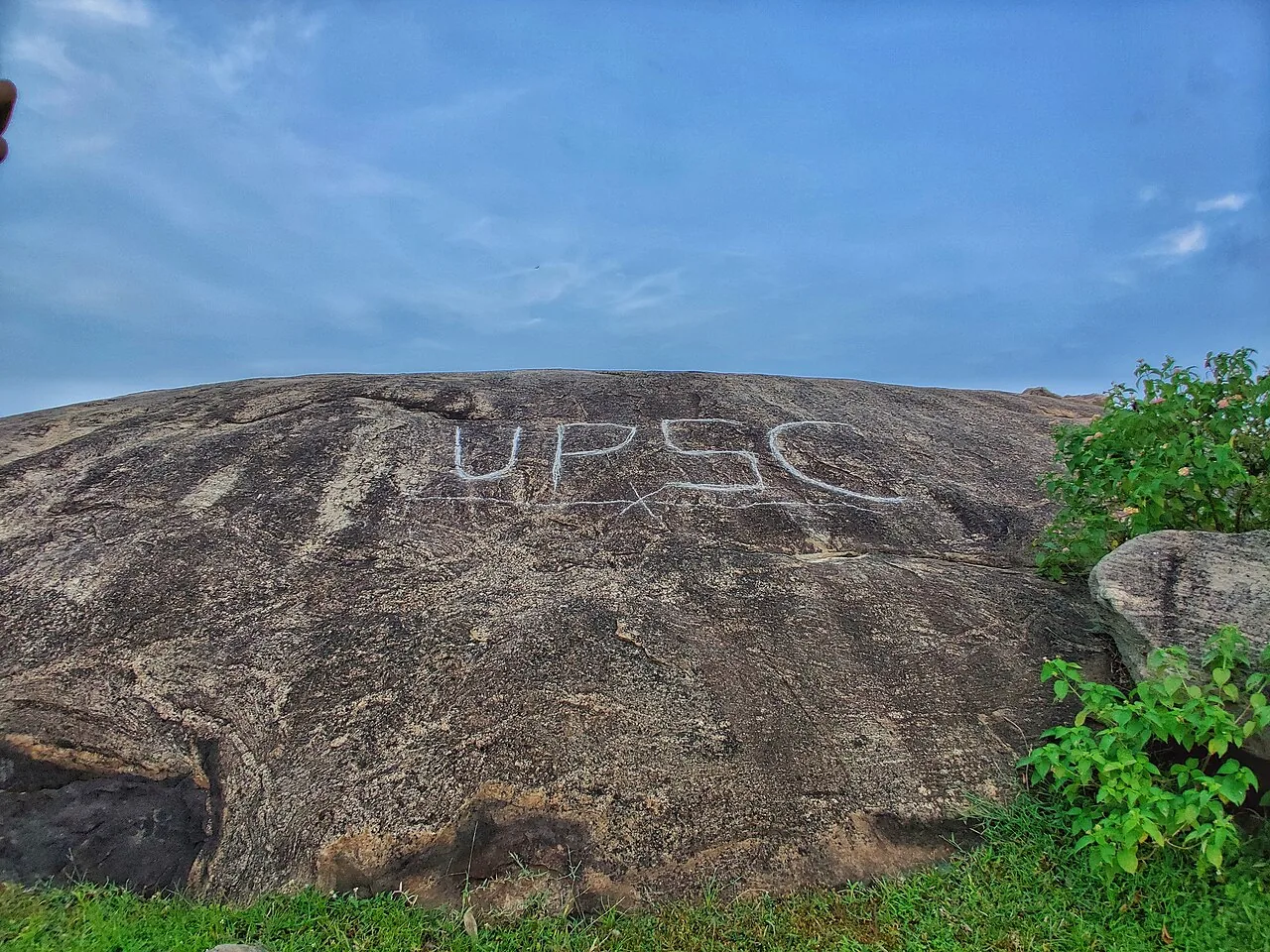 Bihar School of Yoga (Ganga Darshan) — World Yoga Capital, Satyananda Ashram, and International Spiritual Lighthouse
Seamlessly uniting the early morning Satyananda Yoga asanas, pranayama retreats, and Vedic chanting at Ganga Darshan with the dramatic cannon ramparts, underground tunnels, and Shah Shuja tombs of Munger Fort, the divine sunrise Ganga aarti at Kastaharni Ghat, the Tantric blessings and silver eye darshan at Chandika Sthan, the healing mineral thermal baths of Sitakund, authentic Bihari-Angika culinary feasts featuring wood-fire baked Litti Chokha (roasted whole wheat flour balls stuffed with spiced sattu/roasted gram flour, ajwain, and mustard oil, submerged in piping hot melted desi ghee and paired with charred smoked baingan-tomato-potato mash and fiery green chili chutney), crispy Sattu Parathas with tangy mango pickle, rich slow-cooked Champaran-style Ahuna Mutton in sealed earthen handis, sweet melt-in-mouth Munger Chhena Murki, crunchy sesame-jaggery Tilkut, fragrant cardamom Thekua from local temple bazaars, and clay glasses of refreshing spiced Sattu Sharbat, and 4 lane National Highway NH-333, NH-31, and Eastern Railway double-electrified trunk mainline (via Jamalpur Junction) directly linking silk city Bhagalpur (65 km east via NH-333 / rail), state capital Patna (180 km west via NH-31 / Mokama), historical university city Nalanda (130 km southwest), sacred Buddhist seat Bodh Gaya (175 km southwest), ancestral pilgrimage hub Gaya (165 km southwest), thermal power hub Begusarai (45 km north across the 3.7-km Sri Krishna Setu Munger Ganga Bridge), cultural town Darbhanga (140 km northwest), and spiritual capital Varanasi (420 km west on NH-19), Munger provides an extraordinary sanctuary of ancient Mahabharata royal heritage, international yogic enlightenment, sacred Shakti devotion, and authentic Bihari gastronomy.
The city is famous globally for its Bihar School of Yoga, Munger Fort, Kastaharni Ghat, Chandika Sthan, and Sitakund Hot Springs: the world yoga epicenter Bihar School of Yoga Ganga Darshan Ashram (Fort Complex) (Satyananda yoga, ashram lifestyle, and international yoga conventions), the historic 14th-century citadel Munger Fort & Mir Qasim Palace (Ganga River Bluff) (massive ramparts, Mir Qasim gun factory ruins, and Chandisthan gate), the sacred riverfront Kastaharni Ghat & Uttarvahini Ganga (sunrise holy dips, Ganga aarti, and boating), the ancient Shakti Peetha Maa Chandika Sthan (Karna Chauraha, 4 km) (sacred eye of Goddess Sati, Navratri mela, and Tantric rituals), the natural geothermal wonder Sitakund & Ramkund Hot Springs (Sitakund, 6 km) (boiling sulphur spring and Sita Agni Pariksha lore), the sprawling Bhimbandh Wildlife Sanctuary (Kharagpur Hills, 50 km), the bustling markets of Bara Bazar, Rajiv Gandhi Chowk, Topkhana Bazar & Jamalpur Markets, and Munger's prime location on the Bihar tourist circuit linking Patna (180 km) and Bhagalpur (65 km).
Serving as the spiritual, yogic, and historical gateway of Eastern Bihar, Munger is an indispensable destination for global yoga seekers, Mahabharata enthusiasts, Shakti pilgrims, hot spring wellness tourists, and authentic Bihari food lovers.
Best Time to Visit Munger:
- October to March (Autumn & Winter / Best Season): Crisp, sunny, and delightful weather (10°C to 26°C), ideal for attending yoga retreats at Bihar School of Yoga, exploring Munger Fort, taking holy dips at Kastaharni Ghat, and visiting the natural hot springs of Sitakund and Bhimbandh.
- April to June (Summer): Warm and dry (30°C to 43°C).
- July to September (Monsoon): Heavy monsoon rains (1,150 mm) swelling the sacred River Ganges and turning the Kharagpur hills lush green.
Famous Munger, Angika & Bihari Culinary Specialties:
- Desi Ghee Litti Chokha: Charcoal roasted wheat flour dumplings filled with spicy sattu, submerged in pure clarified butter and served with roasted eggplant chokha and green chili chutney.
- Sattu Paratha: Pan fried flatbread stuffed with spiced roasted gram flour, onions, green chilies, and tangy mustard oil.
- Champaran Handi Mutton: Mutton marinated in whole spices and garlic bulbs, slow cooked in a clay pot sealed with wheat dough.
- Munger Chhena Murki: Firm cubes of fresh cottage cheese cooked in sugar syrup and flavored with cardamom and rose water.
- Gaya Tilkut: Crispy layered winter sweet made by beating roasted white sesame seeds and melted jaggery or sugar.
- Masala Sattu Sharbat: Savory refreshing drink made with roasted gram flour, cold water, roasted cumin, black salt, and lemon juice.
By Road (National Highway NH-333 & Sri Krishna Setu Munger Ganga Bridge Corridors):
- From Begusarai (~45 km / 50 mins): Direct drive via the newly built 3.7-km 4 lane rail-cum-road Sri Krishna Setu Munger Ganga Bridge on NH-333B.
- From Bhagalpur (~65 km / 1.5 hours): Direct drive via NH-333 through Sultanganj.
- From Nalanda (~130 km / 3 hours): Via Sheikhpura and Barbigha on SH-8.
- From Patna (~180 km / 4 hours): Via Mokama and Lakhisarai on 4 lane NH-31 / NH-80.
- From Gaya / Bodh Gaya (~175 km / 4 hours): Via Nawada and Jamui on NH-333.
- From Kolkata (~450 km / 8.5 hours): Via Asansol, Deoghar, and Jamui on NH-19 / NH-333.
- BSRTC (Bihar State Road Transport Corporation) and private luxury AC coaches operate round the clock express bus services connecting Munger Bus Stand to Patna, Bhagalpur, Begusarai, Gaya, Ranchi, Deoghar, and Siliguri.
By Train (Headquarters of Jamalpur Junction & Munger Railway Stations - Eastern Railway Malda Division):
- Jamalpur Junction (Station Code: JMP / 8 km from city heart) & Munger (MGR): Major electrified railway junction on the Sahibganj Loop and Delhi Howrah corridor, halting Vande Bharat Express, Vikramshila Express, Bhagalpur Garib Rath, Brahmaputra Mail, Surat Express, and Jamalpur Howrah Superfast.
By Air:
- Deoghar International Airport (DGH / 115 km south via NH-333): Regular daily flights to Delhi, Kolkata, Bengaluru, and Ranchi.
- Patna International Airport (PAT / 185 km west via NH-31): Major domestic airline hub.
Shopping in Munger features Chhena Murki, silk textiles, and yoga books:
- Bara Bazar, Topkhana Bazar, Rajiv Gandhi Chowk & Jamalpur: Authentic **Freshly Made Munger Chhena Murki, Khaja & Tilkut (From Historic Heritage Halwais)**, traditional **Bhagalpuri Tussar & Matka Silk Handloom Sarees**, authentic **Roasted Gram Flour (Sattu) & Traditional Bihari Mango-Chili Pickles**, local **Handcrafted Slate Stone Utensils & Kharagpur Forest Honey**, and **Spiritual Yoga Literature, Asana Mats & Books from Bihar Yoga Publications**.
Must-Visit Places in Munger
Munger features world-famous yoga ashrams, river forts, and sacred thermal hot springs:
1. Historic Munger Fort & Mir Qasim Gateway (Ancient Karna & Nawab Mir Qasim Citadel on Rocky Ganga Bluff - City Heart)
A sprawling 222-acre historic hillock fortress constructed on a rocky peninsula extending into the River Ganges. Ruled successively by the Pala kings, Delhi Sultans, Mughals, and Nawab Mir Qasim who made Munger his capital in 1762, the fort preserves ancient stone ramparts, historic gates, ammunition bastions, and the tomb of Pir Shah Nafah.
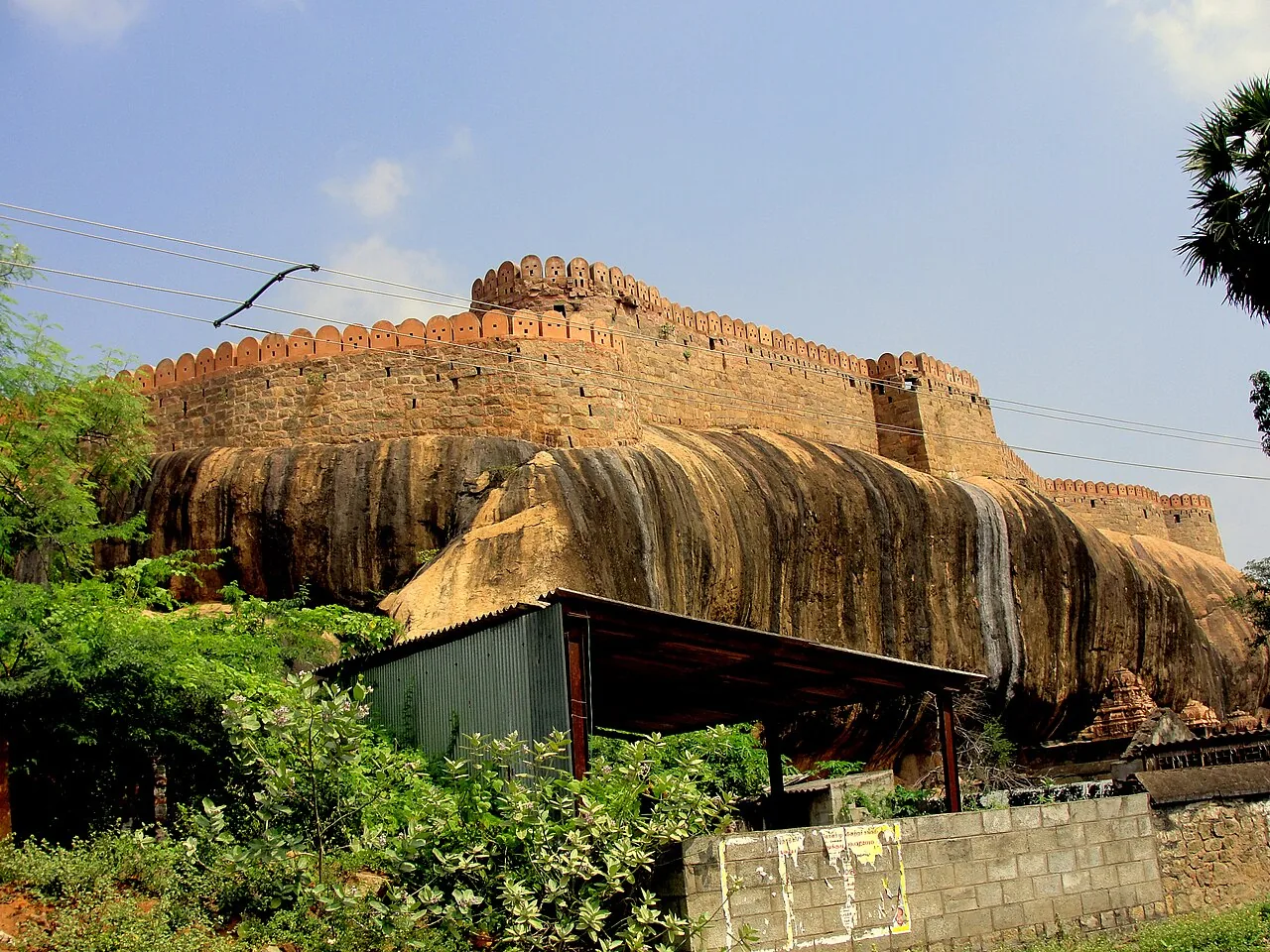 Munger Fort — Historic 18th-Century Citadel of Nawab Mir Qasim, River Bluff Ramparts, and Gateways
2. Bihar School of Yoga (Ganga Darshan Ashram & World Yoga Capital of Swami Satyananda Saraswati)
The premier global seat of classical yogic training, established in 1963 by the enlightened master Sri Swami Satyananda Saraswati. Set on a serene hillock overlooking the Ganges, Ganga Darshan Ashram offers world-renowned residential courses in Satyananda Yoga, meditation, yoga nidra, and yogic lifestyle.
Bihar School of Yoga — Ganga Darshan Ashram, World Center of Satyananda Yoga, and Spiritual Learning
3. Sacred Kastaharni Ghat & Uttarvahini Ganga (Holy Ganges Riverfront Where Bathing Banishes All Sorrow)
A sacred riverfront bathing ghat on the River Ganges where the holy river uniquely alters its course to flow northwards (Uttarvahini). Revered since Vedic antiquity, legend records that taking a holy dip here expels all pain and physical distress (kashta harani).
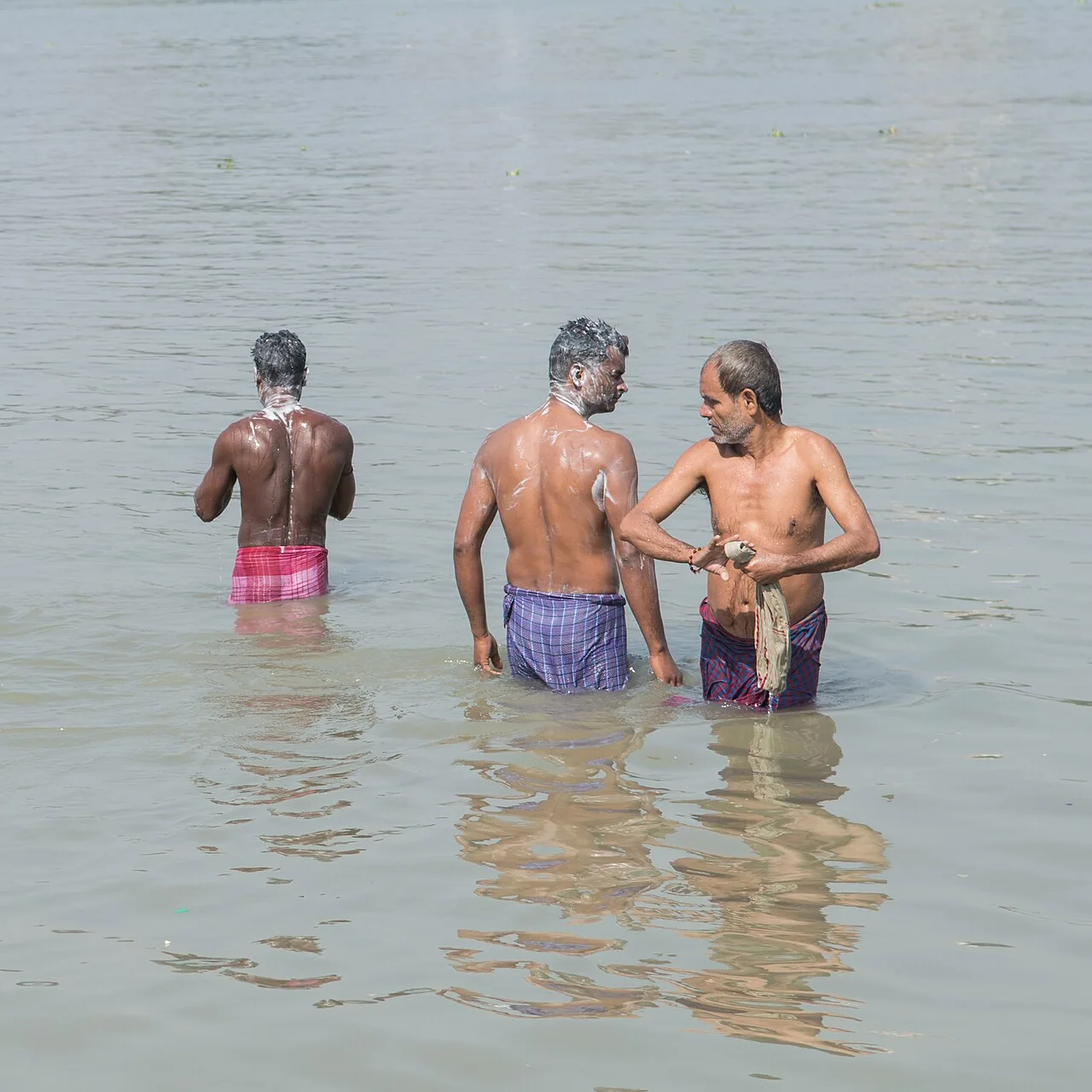 Kastaharni Ghat — Sacred Uttarvahini River Ganges Bathing Ghat, Sunrise Prayers, and Evening Aarti
4. Maa Chandika Sthan (Ancient Shakti Peeth & Sati Eye Shrine Associated with Mahabharata King Karna - 4 km)
One of the celebrated 51 sacred Shakti Peethas of India, located 4 km from Munger. According to legend, the left eye of Goddess Sati fell here when Lord Shiva performed the Tandava. The temple is also deeply associated with Mahabharata's Danveer King Karna, who performed daily charity here.
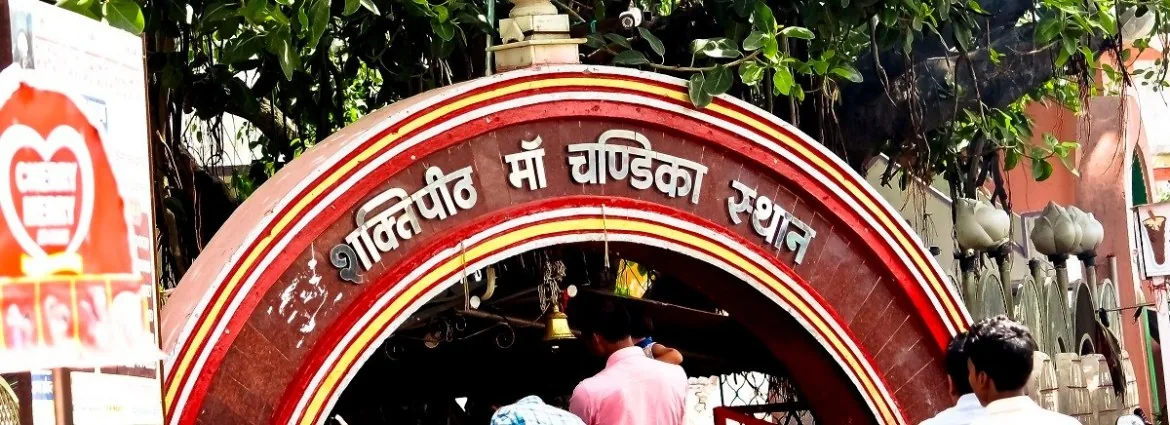 Maa Chandika Sthan — Ancient 51-Shakti Peeth Sanctum, Left Eye of Goddess Sati, and King Karna Lore
5. Sitakund Natural Thermal Hot Springs & Ramkund (Sacred Geothermal Springs of Sita Agni Pariksha - 6 km)
A famous geological and spiritual hotspot located 6 km east of Munger town. Features a perennial boiling natural hot spring associated with Goddess Sita's Agni Pariksha, alongside four surrounding cold-water pools named Ramkund, Lakshmankund, Bharatkund, and Shatrughnakund.
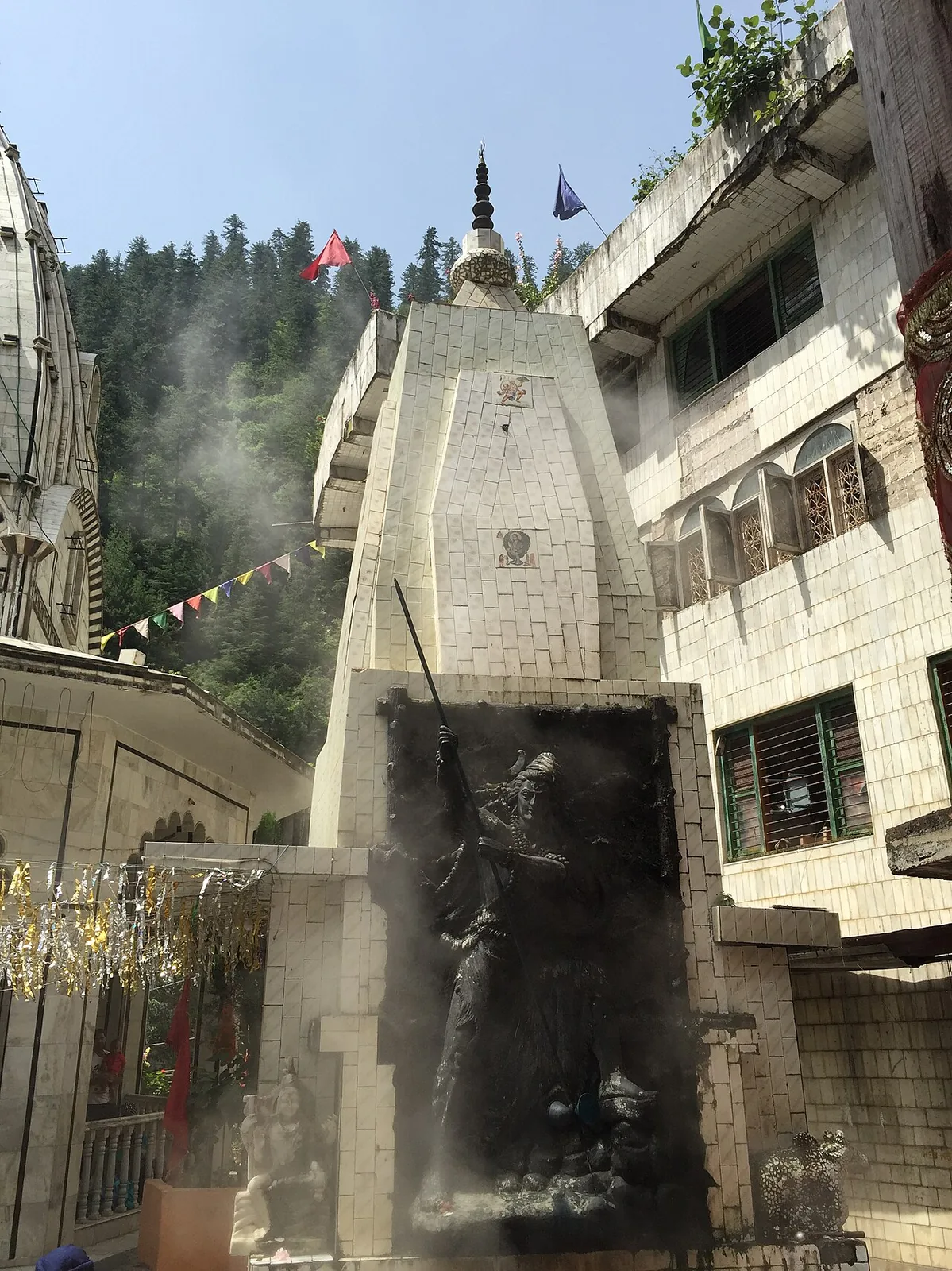 Sitakund — Sacred Natural Thermal Hot Springs, Healing Mineral Waters, and Ramkund Reservoir
6. Bhimbandh Wildlife Sanctuary & Hot Water Waterfalls (680 Sq Km Leopard Sanctuary & Kharagpur Hills - 50 km)
A vast 680-sq-km wildlife sanctuary located in the picturesque Kharagpur hills, home to leopards, sloth bears, chitals, and natural steaming hot water streams said to have been dammed by Pandava Bhima.
7. Karan Chaura (Ancient Hilltop Mound of Mahabharata Philanthropist King Karna)
A prominent historical elevated mound overlooking the Ganges where King Karna of Anga is believed to have distributed gold and charity to the needy after his daily morning ablutions.
8. Pir Shah Nafah Tomb & Dargah (1497 CE Historic Sufi Shrine on Munger Fort Ramparts)
An ancient Sufi shrine built atop the ramparts of Munger Fort in 1497 CE by Prince Daniyal of Bengal, revered by devotees of all faiths for peaceful blessings.
9. Bara Bazar & Jamalpur Chowk (Authentic Bihari Ghee Litti Chokha, Chhena Murki & Sattu Delicacies)
The bustling central bazaar where travelers relish authentic wood-fired Litti Chokha dipped in pure ghee, sample fresh Chhena Murki sweets, and buy roasted sattu flour.
Munger Photo Gallery & Attractions
Explore high-resolution photographs of iconic temples, historical monuments, and scenic landmarks in Munger.
Plan Your Munger Trip Now
Get the best verified hotel deals and customized tour packages. Book directly on EarthTrip and save up to 45%!