Bodh Gaya — Travel Guide
Bodh Gaya (historically known as Uruvela and venerated globally as the *"Land of Supreme Enlightenment"*, the holiest pilgrimage site in the Buddhist world and a UNESCO World Heritage Site, situated along the tranquil banks of the sacred Falgu and Niranjana Rivers in Gaya district of south central Bihar at an elevation of 111 meters above sea level), is the spiritual cradle of Buddhism.
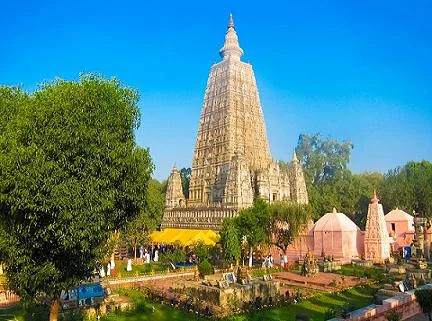
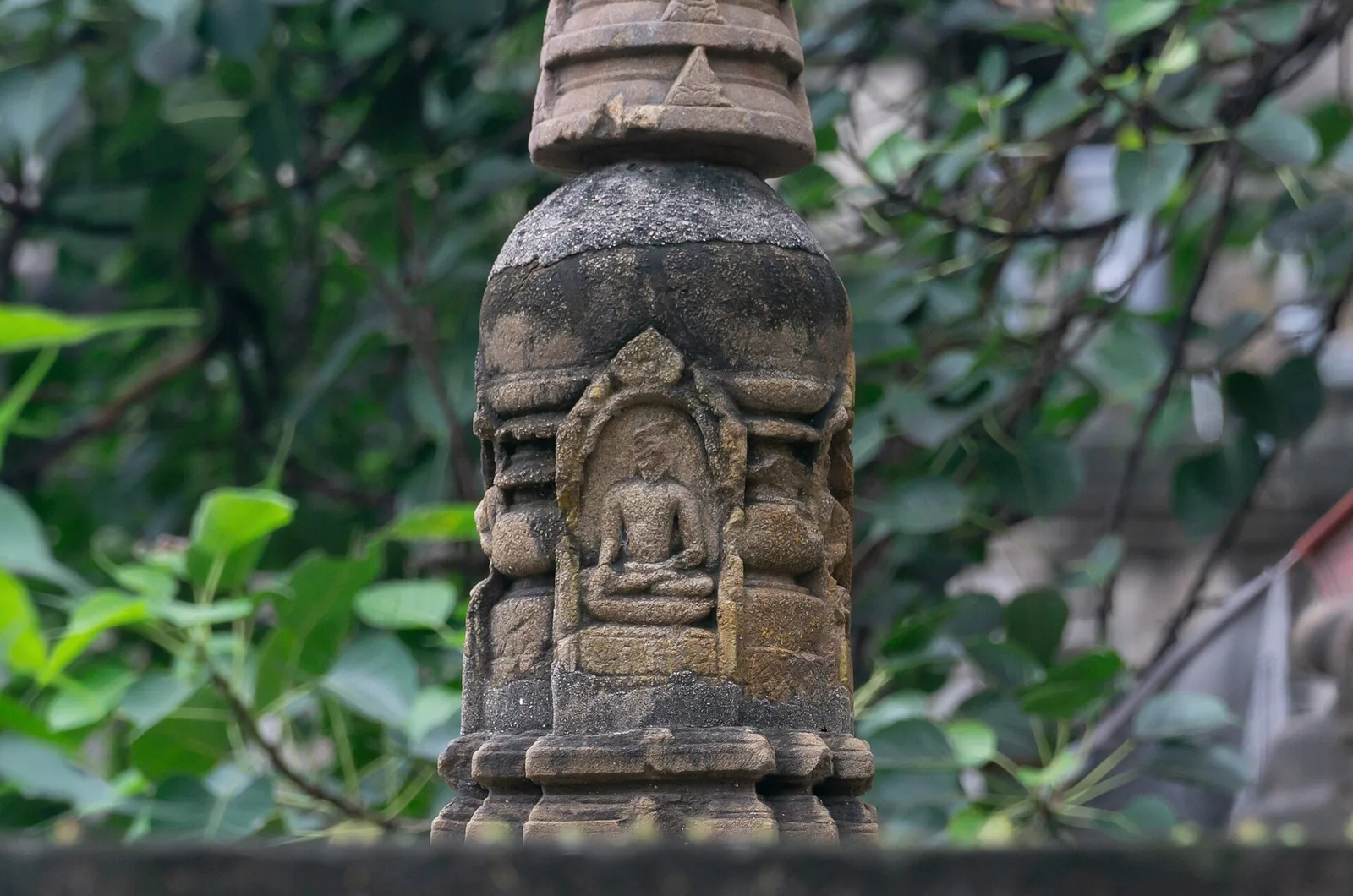 Mahabodhi Temple Complex — 55-Meter UNESCO World Heritage Ancient Brick Temple in Bodh Gaya
Effortlessly uniting monumental 5th century brick architecture with sacred monastic chanting, world record granite Buddha statues, multinational monasteries from Thailand, Bhutan, Japan, and Tibet, and serene meditation gardens, Bodh Gaya is the spiritual heart of the Buddhist world.
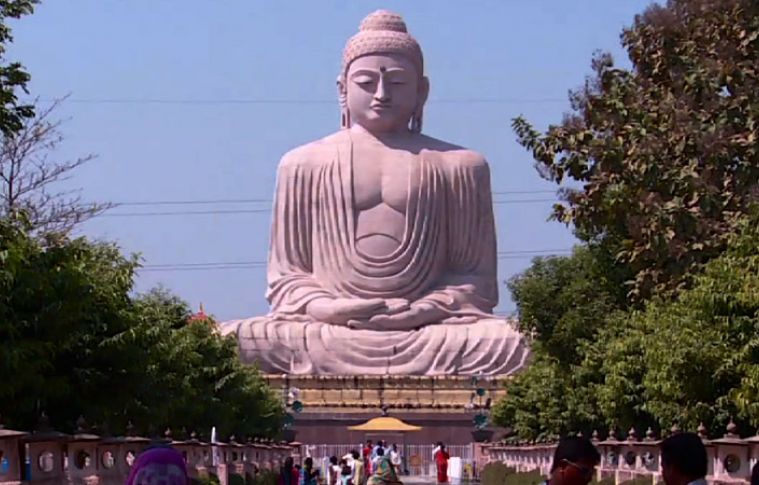
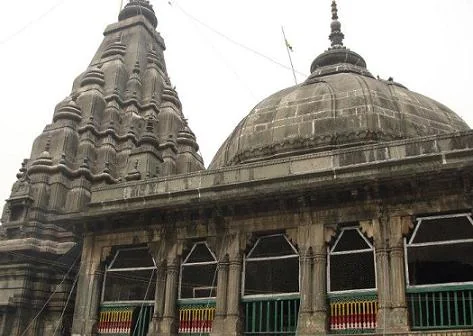
The town is famous globally for being the hallowed ground where Prince Siddhartha Gautama sat in deep meditation under the Sacred Bodhi Tree and attained supreme enlightenment (Bodhi) to become Gautama Buddha in 528 BCE: the iconic 55 meter pyramidal Mahabodhi Temple Complex (UNESCO World Heritage Site) housing the gilded Buddha sanctum and the ancient polished sandstone Vajrasana (Diamond Throne) erected by Emperor Ashoka in the 3rd century BCE, the revered Sacred Bodhi Tree (Ficus religiosa) directly descended from the original tree of enlightenment, the towering 80 foot monolithic Great Buddha Statue (Daibutsu) depicted in serene Dhyana Mudra meditation atop a lotus pedestal, the historic Dungeshwari Cave Temples (Mahakala Caves - 12 km) where Buddha practiced six years of severe ascetic penance before discovering the Middle Path, the golden tiled Wat Thai Buddhagaya & Royal Bhutan Monastery, the serene Muchalinda Lake (where the Serpent King sheltered Buddha during a tempestuous storm), the historic Sujata Stupa & Sujata Kuti across the Niranjana River in Bakraur, the holy Hindu ancestor pilgrimage center Gaya Vishnupad Temple (12 km), and Bodh Gaya's seamless connectivity to Patna (115 km), Rajgir (70 km), Nalanda (85 km), and Varanasi (250 km).
Located seamlessly just 12 km from Gaya Railway Junction, 10 km from Gaya International Airport (GAY), 70 km from Rajgir, 85 km from Nalanda, and 115 km from Patna, Bodh Gaya is the premier destination on the international Buddhist circuit.
Best Time to Visit Bodh Gaya:
- October to March (Winter / Best Season): Cool, pleasant, and crisp weather (10°C to 25°C), ideal for meditation under the Bodhi tree, circumambulating Mahabodhi Temple, and exploring international monasteries.
- Buddha Jayanti / Buddha Purnima (May): Grand global festival celebrating Buddha's birth, enlightenment, and Mahaparinirvana with monastic processions and lamp lighting.
- July to September (Monsoon): Rains bring green serenity to the Niranjana riverbanks.
- April to June (Summer): Warm days (30°C to 42°C) with peaceful morning and evening prayer sessions.
Famous Bodh Gaya & Bihari Culinary Specialties:
- Bihari Litti Chokha: Roasted whole wheat dough balls filled with spiced sattu served with fire roasted eggplant and tomato mash in pure desi ghee.
- Gaya Tilkut & Anarsa: World famous winter delicacy made of pounded sesame seeds and jaggery or sugar from the master sweet makers of Gaya.
- Sujata Kheer: Traditional sweet rice pudding cooked in thickened milk with saffron, almonds, and cardamom in memory of milkmaid Sujata.
- Silao Ka Khaja: Crisp multi layered GI tagged sweet pastry from nearby Nalanda.
- Tibetan Thukpa & Momos: Steaming hot vegetable and noodle broth served with steamed dumplings at monastery cafes.
By Train:
- Gaya Junction (Station Code: GAYA - 12 km north): Premier A1 railway junction on the New Delhi Kolkata Grand Chord route. Daily Vande Bharat Express (connecting Patna, Gaya, and Howrah), Howrah Rajdhani, Sealdah Rajdhani, Purushottam Express, Mahabodhi Express (direct daily express from New Delhi), and Poorva Express connect Gaya to Delhi (12 hours), Kolkata (6 hours), Varanasi (3.5 hours), Patna (2 hours), and Mumbai (24 hours).
By Air:
- Gaya International Airport (Airport Code: GAY - 10 km north): International airport operating scheduled and seasonal flights to Bangkok (Suvarnabhumi), Colombo, Paro (Bhutan), Yangon, and direct domestic flights to Delhi, Kolkata, and Varanasi.
- Jay Prakash Narayan Airport (Airport Code: PAT - Patna 115 km north): Domestic hub connecting all Indian metros.
By Road:
- From Patna (~115 km / 3 hours): Via 4 lane NH-22 expressway.
- From Varanasi (~250 km / 5 hours): Via 6 lane NH-19 (Grand Trunk Road).
- From Rajgir (~70 km / 2 hours): Via State Highway 82.
- Regular AC Volvo buses, state transport buses, and pre-paid taxis connect Bodh Gaya to Gaya, Patna, and Varanasi.
Shopping in Bodh Gaya features Bodhi seed malas, Tibetan singing bowls, and Buddhist relics:
- Kundan Bazaar, Temple Street & Tibetan Refugee Market: Authentic **Sacred Bodhi Seed & Sandalwood 108-Bead Meditation Japa Malas**, hand-hammered **Tibetan 7-Metal Healing Singing Bowls**, handcrafted **Brass, Bronze & Black Stone Buddha Statues in Dhyana Mudra**, authentic **Hand-Painted Madhubani Folk Art Paintings**, and **Gaya Authentic Pounded Sesame Tilkut & Khaja Sweets**.
Must-Visit Places in Bodh Gaya
Bodh Gaya features ancient pyramidal brick stupas, sacred Bodhi trees, giant Buddha statues, and international monasteries:
1. Mahabodhi Temple Complex & Vajrasana (55-Meter UNESCO World Heritage Brick Temple & Diamond Throne)
A grand UNESCO World Heritage architectural marvel constructed entirely of brick during the Gupta era in the 5th century. Soaring 55 meters in a grand pyramidal spire, it enshrines a gilded 10th century black stone image of Gautama Buddha touching the earth in Bhumisparsha mudra, alongside the ancient 3rd century BCE Ashokan Vajrasana (Diamond Throne).
Mahabodhi Temple Complex — 55-Meter Pyramidal Stupa and UNESCO World Heritage Site
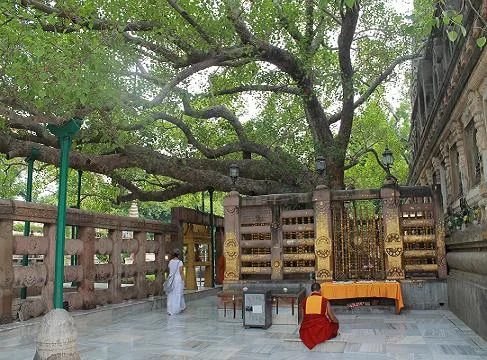
2. Sacred Bodhi Tree (Ficus Religiosa & Direct Lineage of Buddha's Enlightenment)
Located directly behind the Mahabodhi Temple, this sacred pipal tree (Ficus religiosa) marks the exact spot where Siddhartha Gautama sat in supreme meditation and attained enlightenment. The present tree was planted in 1881 by Alexander Cunningham as a direct descendant of the original tree via a sapling brought from Anuradhapura in Sri Lanka.
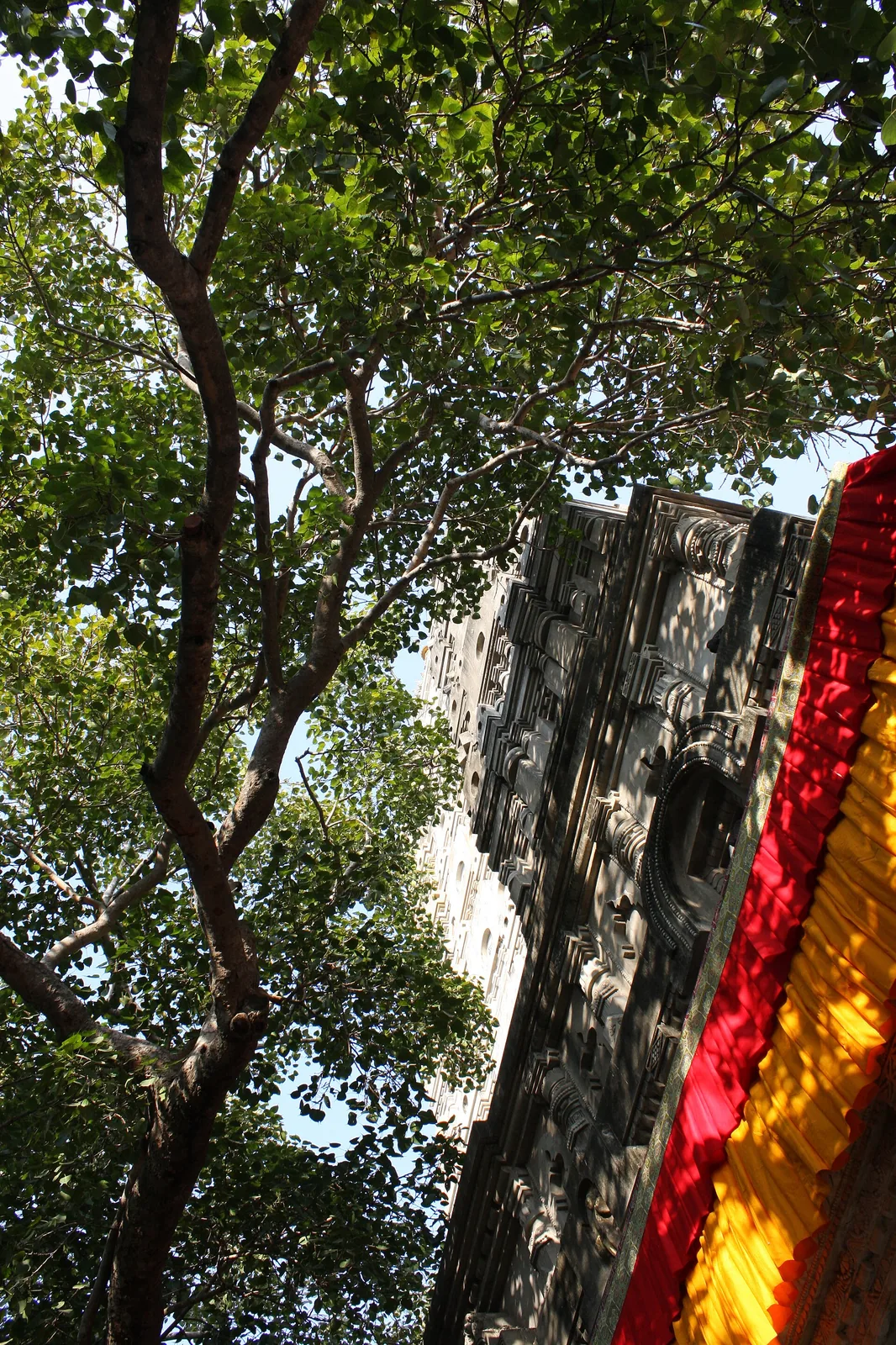 Sacred Bodhi Tree — Sacred Ficus Religiosa under which Gautama Buddha Attained Enlightenment
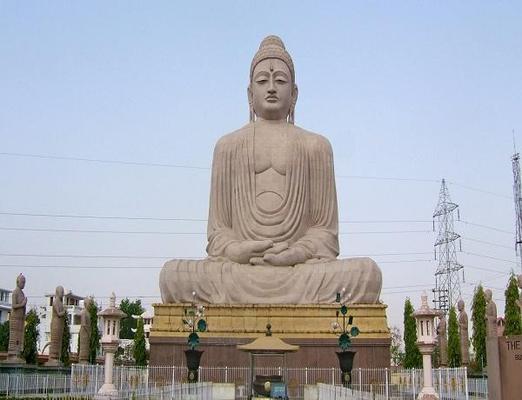
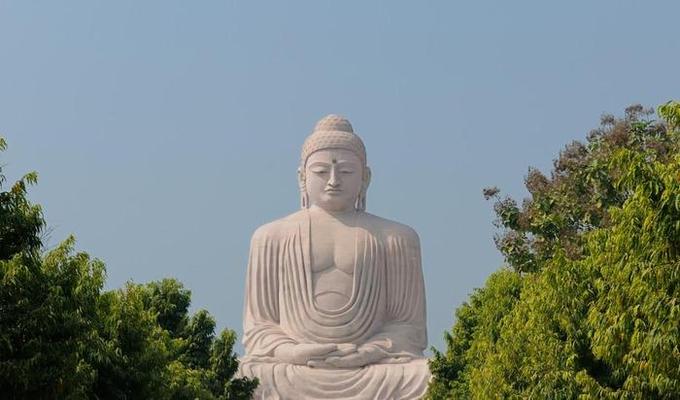
3. The Great Buddha Statue (80-Foot Monolithic Granite Daibutsu in Dhyana Mudra)
A colossal 80 foot (25 meter) tall statue consecrated in 1989 by His Holiness the 14th Dalai Lama. Carved by 12,000 stonemasons using red granite and sandstone blocks, it portrays Lord Buddha seated in serene meditation atop a giant blooming lotus pedestal, flanked by his ten principal disciples.
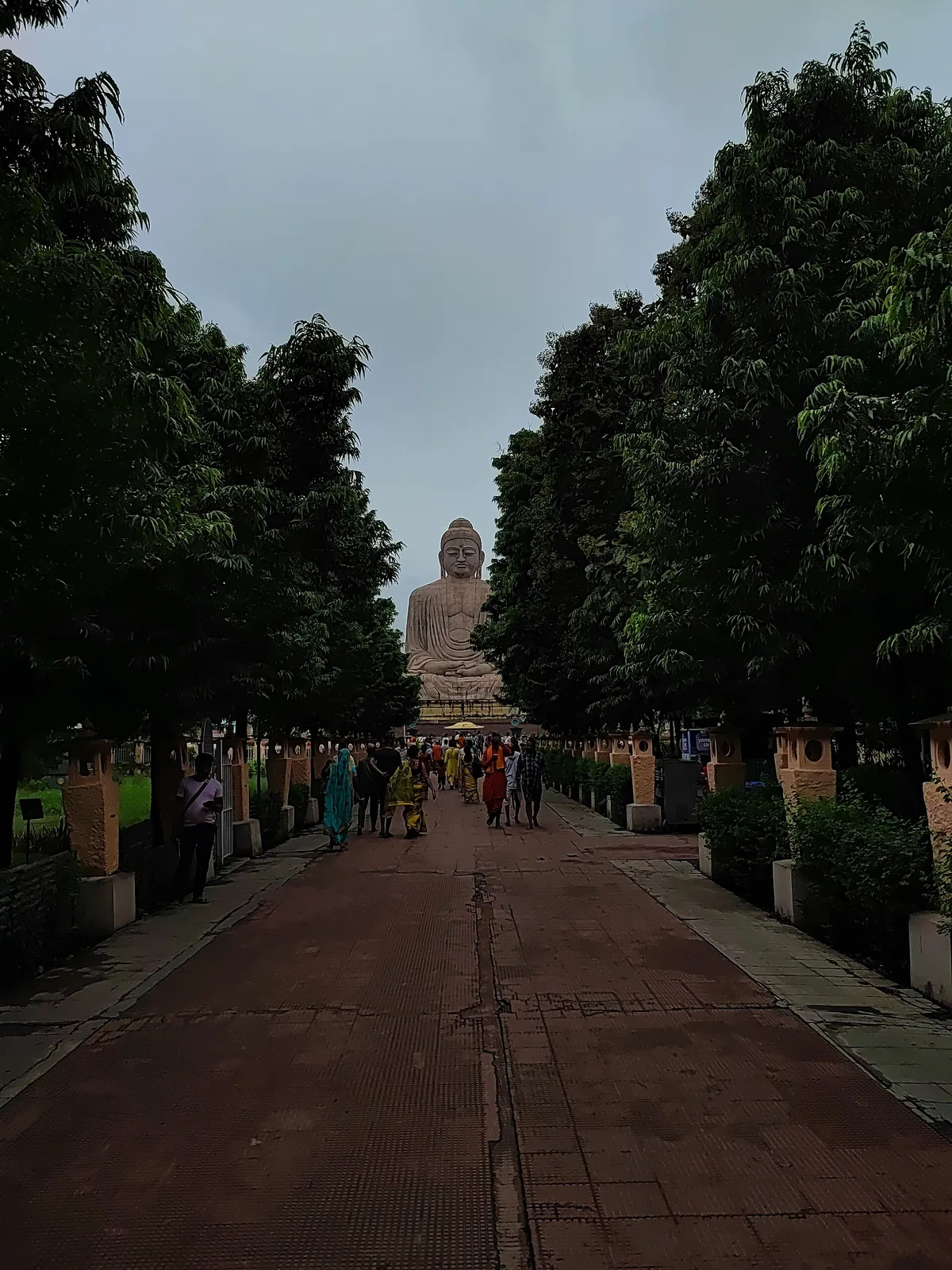 The Great Buddha Statue — 80-Foot Monolithic Granite Daibutsu in Dhyana Mudra Meditation
4. Wat Thai Buddhagaya & International Monasteries (Thai Gold-Tiled Pagoda, Bhutanese & Japanese Temples)
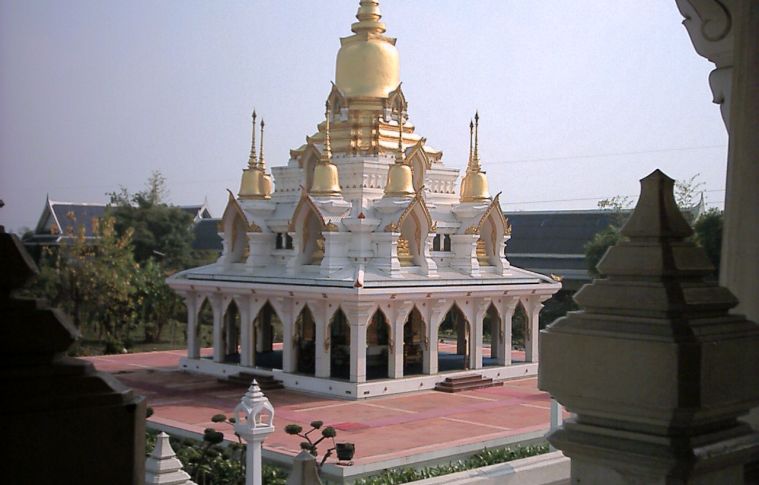
Built in 1957 by the Royal Thai Government, this monastery features a magnificent sloped gold tiled roof, curved eaves, and exquisite murals depicting Buddha's life. Bodh Gaya also houses international monasteries representing Sri Lanka, Myanmar, Bhutan, Japan, Vietnam, and Tibet.
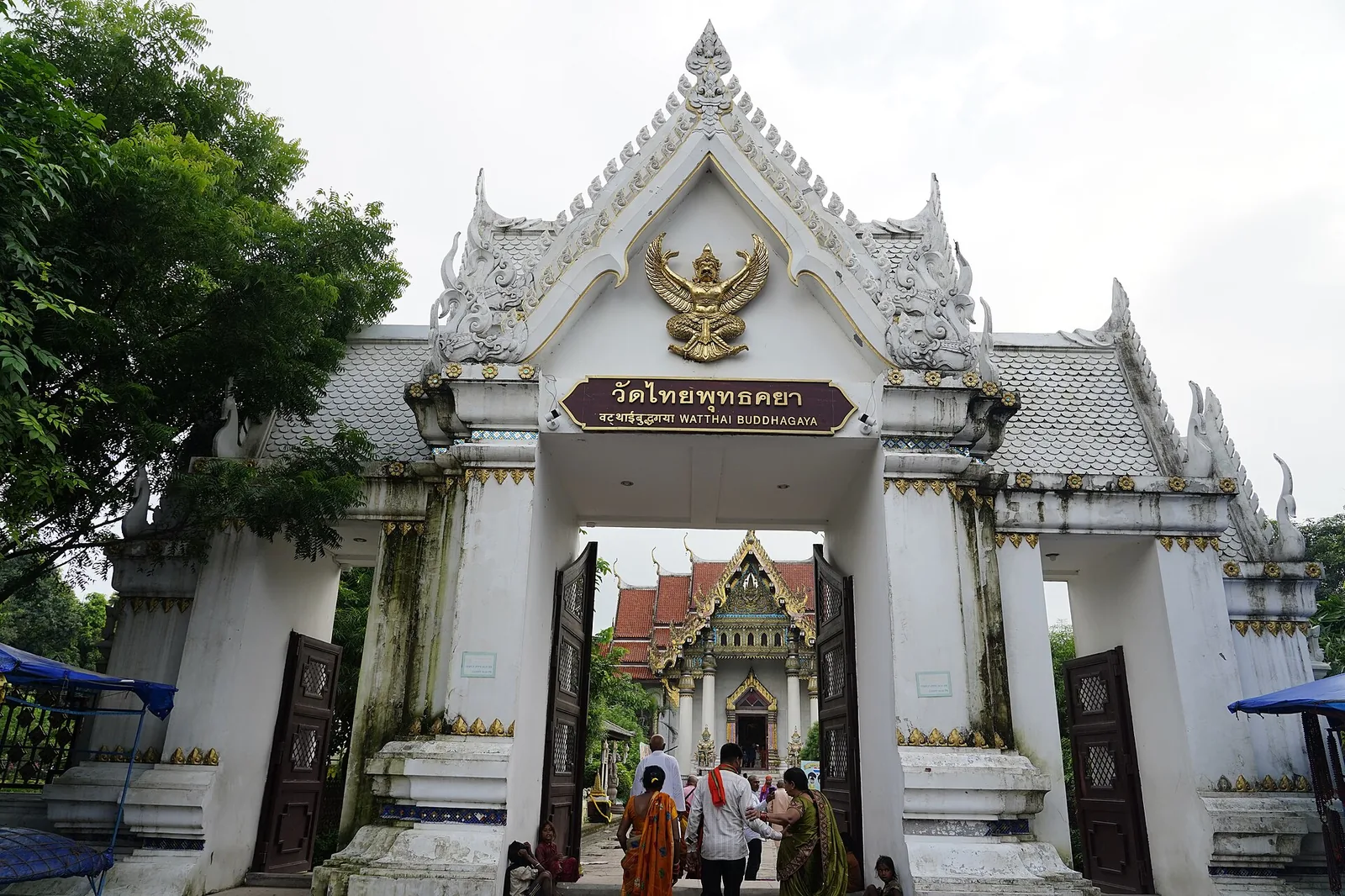 Wat Thai Buddhagaya — Royal Thai Gold-Tiled Pagoda and Buddhist Monastic Center
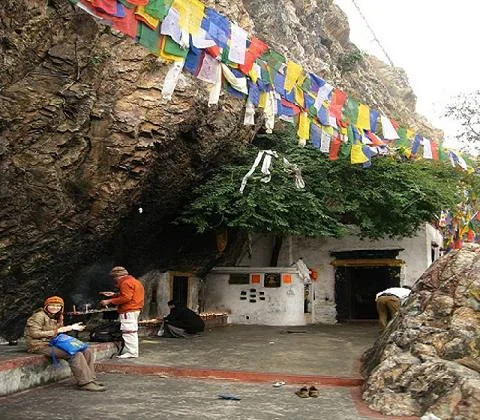
5. Dungeshwari Cave Temples / Mahakala Caves (Pre-Enlightenment Ascetic Caves - 12 km)
Nestled in the rocky Dungeshwari hills 12 km northeast of Bodh Gaya, these sacred caves are where Prince Siddhartha meditated for six arduous years surviving on a single grain of rice daily, before realizing that extreme mortification does not lead to truth.
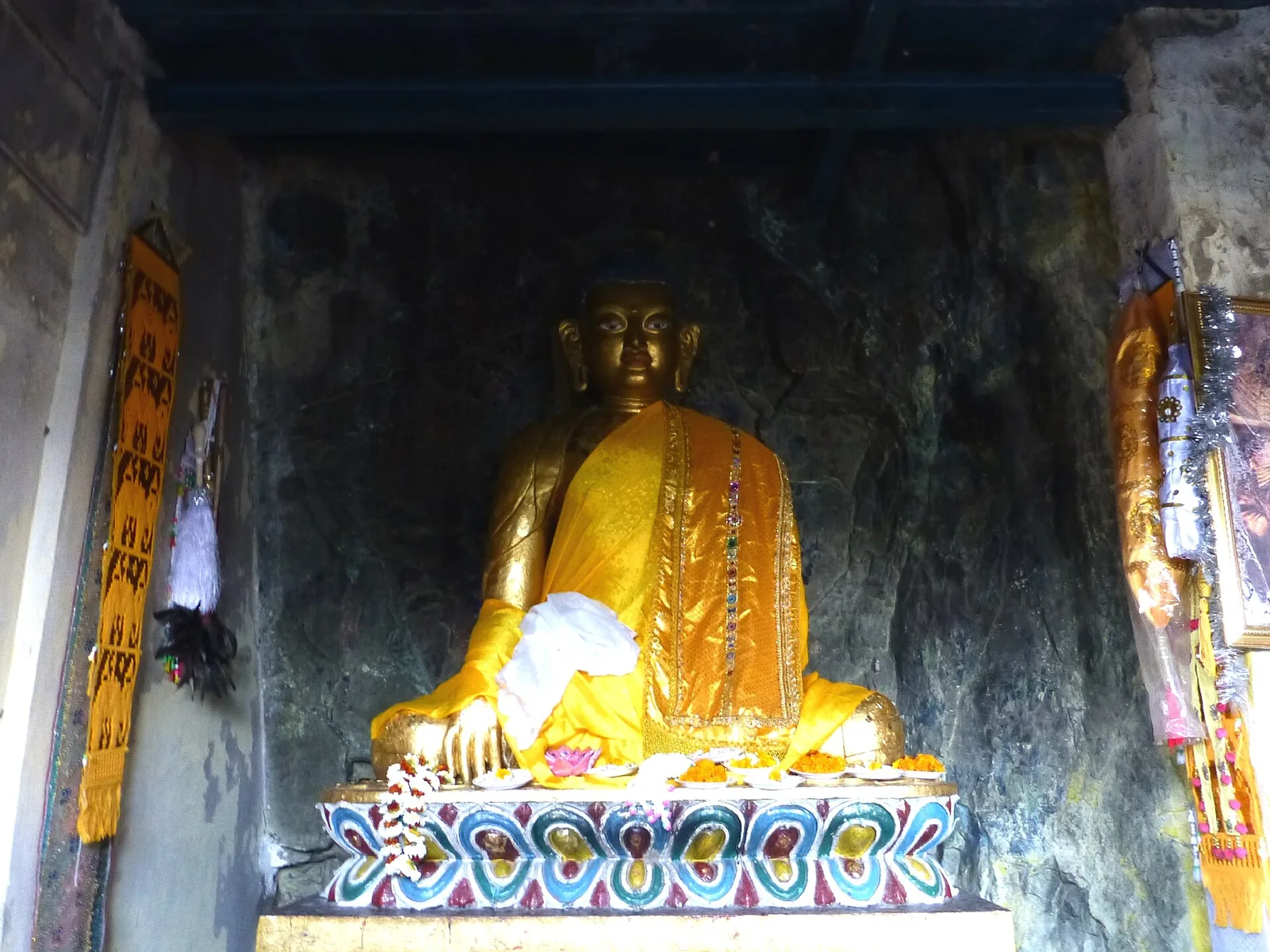 Dungeshwari Cave Temples — Sacred Caves where Buddha Practiced Severe Ascetic Penance
6. Muchalinda Lake & Serpent King Shesha Shrine (Sacred Meditation Pond & Naga King Bronze)
A sacred pond inside the Mahabodhi complex commemorating the sixth week of Buddha's enlightenment, when Mucalinda, the Serpent King of the subterranean realms, spread his multi headed hood to shield meditating Buddha from a severe tempest.
7. Sujata Stupa & Sujata Kuti (Ancient Memorial of the Maiden Offering Kheer at Bakraur - 3 km)
Located across the Niranjana River in Bakraur, this 8th century brick stupa commemorates Sujata, the village milkmaid who offered sweet rice milk (kheer) to an emaciated Siddhartha, giving him the physical strength to attain supreme enlightenment.
8. Bodhgaya Archaeological Museum & Stone Railings (Ashokan Carvings & 1st-Century BCE Yakshi Panels)
Houses a collection of 1st century BCE sandstone railings that originally enclosed the Mahabodhi Temple, carved with medallions of Surya, Lakshmi, and mythical Makaras, alongside bronze Pala sculptures.
9. Indosan Nippon Japanese Temple & Royal Bhutanese Monastery (Zen Rock Gardens & Traditional Dzong Art)
Showcasing Japanese wooden pagoda architecture and Zen rock gardens, alongside the ornate Royal Bhutanese Monastery adorned with carved dragons, thangka paintings, and 3D clay mandalas.
Popular Hotels in Bodh Gaya
 Hotel
Hotel
 Hotel
Hotel
 Hotel
Hotel
 Hotel
Hotel
 Hotel
Hotel
 Hotel
Hotel
 Hotel
Hotel
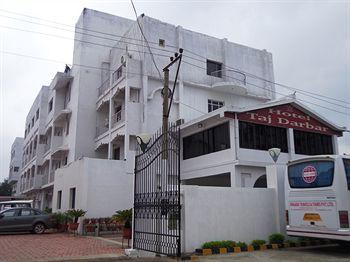 Hotel
Hotel
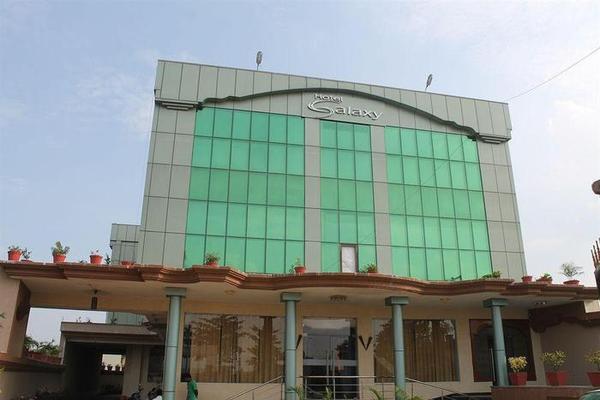 Hotel
Hotel
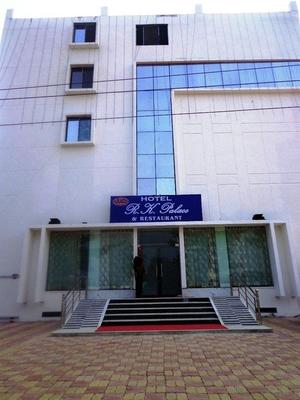 Hotel
Hotel
Tour Packages from Bodh Gaya
 Package
 Package
 Package
 Package
Top Places to Visit in Bodh Gaya
Bodh Gaya Photo Gallery & Attractions
Explore high-resolution photographs of iconic temples, historical monuments, and scenic landmarks in Bodh Gaya.
Plan Your Bodh Gaya Trip Now
Get the best verified hotel deals and customized tour packages. Book directly on EarthTrip and save up to 45%!