- .
- info@earthtrip.in
-
INR
-
USD
INR
USD
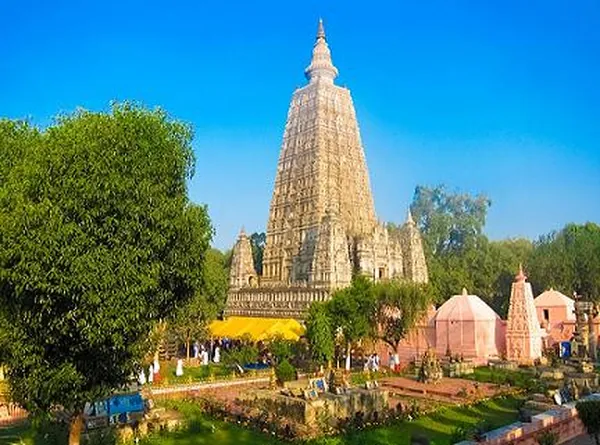
A place where Lord Buddha left his foot steps nearly 2500 years ago while travelling in the quest of enlightenment, situated by the river Phalgu, Bodhgaya is one of the most important and sacred Buddhist pilgrimage center in the world. It was here under a banyan tree, the Bodhi Tree, Gautama attained supreme knowledge to become Buddha,the Enlightened One. The serenity of the atmosphere remains in the subconscious soul of any visitor who takes the village as a pilgrimage that the Lord himself had chosen for meditation. There is a magnificent Mahabodhi temple and the Tree from the original sapling still stands in the temple premises. The temple is an architectural amalgamation of many centuries, cultures and heritages. While its architecture has a distinct stamp of the Gupta era, it has later ages inscriptions describing visits of pilgrims from Sri Lanka, Myanmar and China between 7th and 10th century AD. It is perhaps still the same temple Hieuen Tsang visited in 7th century.
It was Bodhgaya where Lord Buddha sat under a peepal (Ficus religiosa) tree and attained nirvana or enlightenment. The descendant of that original tree still flourishes there today. This small and calm town is the most venerated sites in the world. The founder of Buddhism, Lord Buddha's life is associated to this small town of Bodhgaya. Among the four holiest cities of Buddhist faith, Bodhgaya is the most important Buddhist pilgrim center. It is also an important center for the study of Buddhism. Places associated with the life and times of Lord Buddha are located inside the Mahabodhi temple complex including the Bodhi Tree and a pond where it is believed that Lord Buddha mediated for few days.
Day 01: Lucknow
Assistance on arrival, Check-in at Hotel later visit local places. Overnight at Hotel.
Day 02: Lucknow - Varanasi
After early breakfast drive 07 hrs to Varanasi, Check-in at Hotel. Afternoon free for own activities. Overnight at hotel.
Day 03: Varanasi
Early morning Boat ride on River Ganges to see the bathing Ghats. Afternoon visit SARNATH along with Pirith ceremony (where Buddha delivered his first sermon). Overnight at hotel.
Day 04: Varanasi - Bodhgaya
After breakfast drive 243 kms / 6.5 hours to Bodhgaya. Check-in at Hotel. Overnight at Hotel.
Day 05: Bodhgaya
After breakfast morning visit Mahabodhi Temple & Bodhi Tree, Great Buddha Statue, Niranjana River, Sujata Temple- which is across the Niranjana river. Afternoon visit to Dungeshwari caves. Overnight at hotel.
Day 06: Bodhgaya - Rajgir - Nalanda - Bodhgaya
After early breakfast drive to Rajgir the vulture Hill, hot spring in Rajgir, world peace Stupa, Bamboo’s Garden. Continue to Nalanda to visit the ruins of world oldest University. Return back to Bodhgaya. Overnight at hotel.
Day 07: Bodhgaya - Varanasi
After breakfast drive 5-6 hrs to Varanasi. Evening departure transfer to airport to connect the flight for onward destination.
Payments policy
Tour Cancilation policy
By Train:
By Air:
By Road:
Bodh Gaya features ancient pyramidal brick stupas, sacred Bodhi trees, giant Buddha statues, and international monasteries:
A grand UNESCO World Heritage architectural marvel constructed entirely of brick during the Gupta era in the 5th century. Soaring 55 meters in a grand pyramidal spire, it enshrines a gilded 10th century black stone image of Gautama Buddha touching the earth in Bhumisparsha mudra, alongside the ancient 3rd century BCE Ashokan Vajrasana (Diamond Throne).
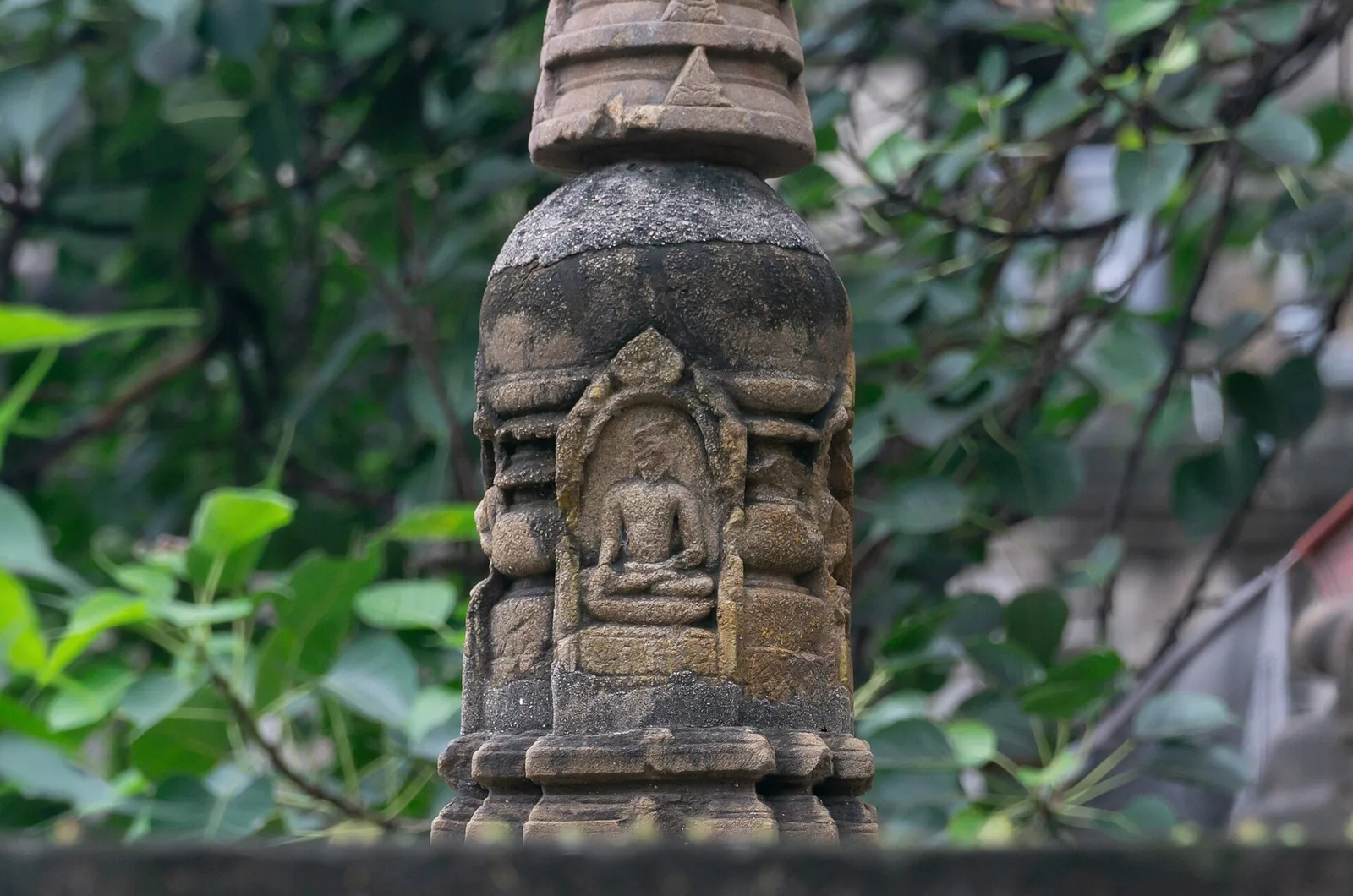 Mahabodhi Temple Complex — 55-Meter Pyramidal Stupa and UNESCO World Heritage Site
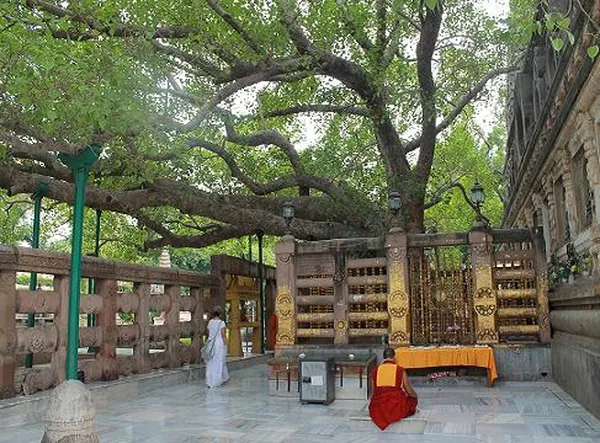
Located directly behind the Mahabodhi Temple, this sacred pipal tree (Ficus religiosa) marks the exact spot where Siddhartha Gautama sat in supreme meditation and attained enlightenment. The present tree was planted in 1881 by Alexander Cunningham as a direct descendant of the original tree via a sapling brought from Anuradhapura in Sri Lanka.
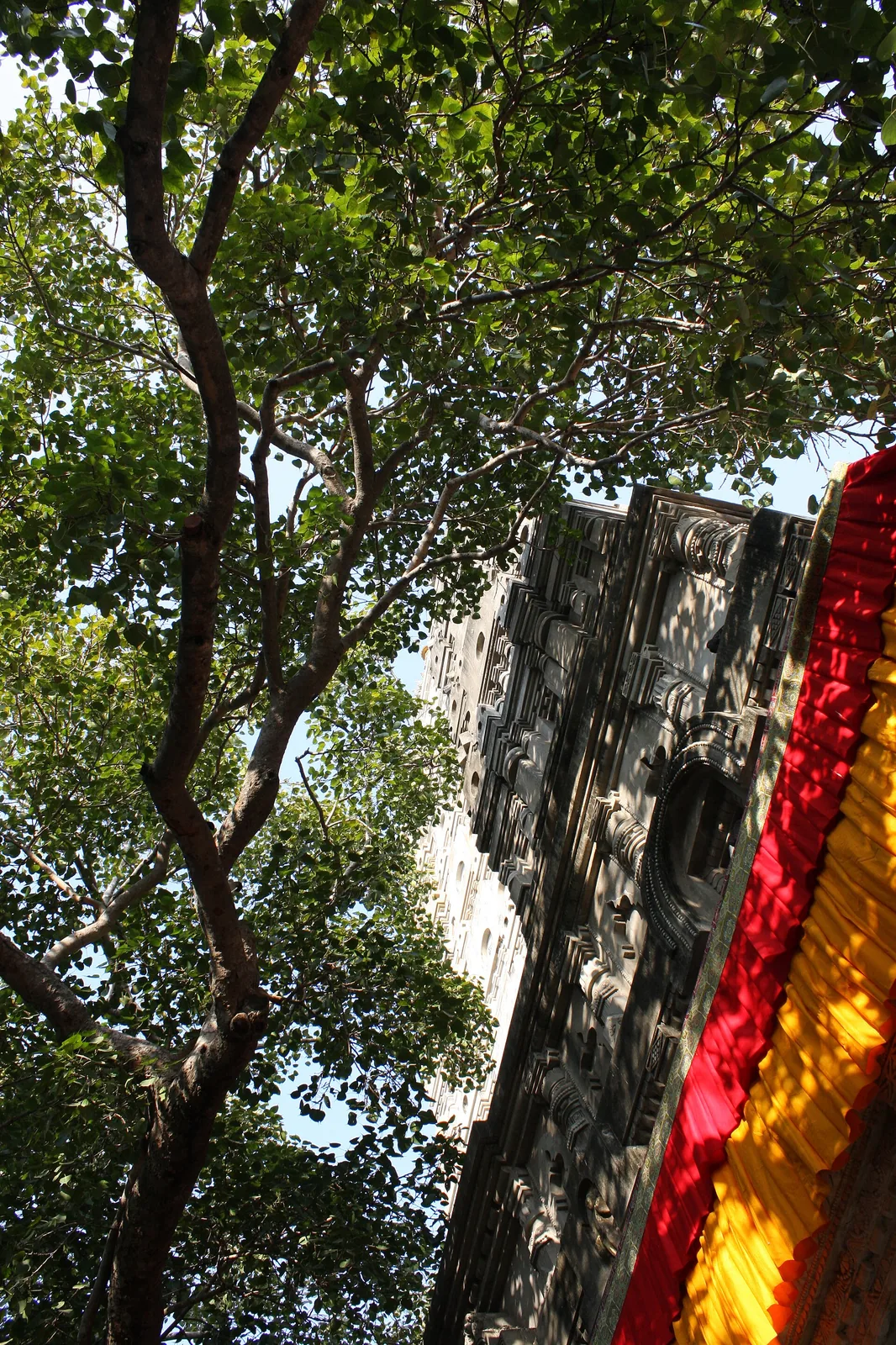 Sacred Bodhi Tree — Sacred Ficus Religiosa under which Gautama Buddha Attained Enlightenment
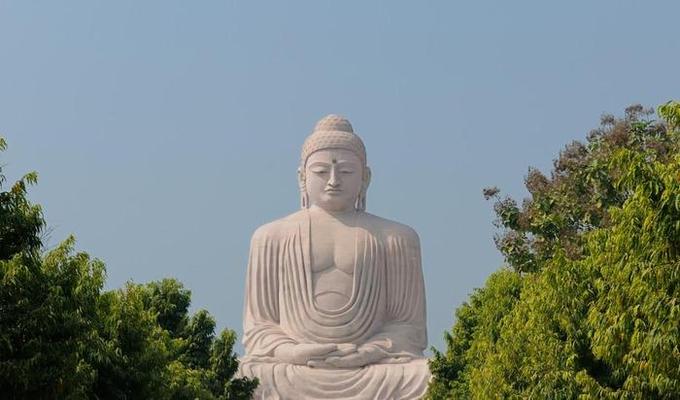
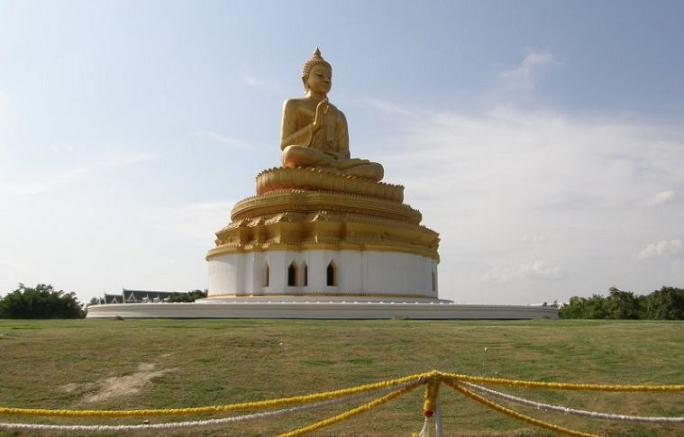
A colossal 80 foot (25 meter) tall statue consecrated in 1989 by His Holiness the 14th Dalai Lama. Carved by 12,000 stonemasons using red granite and sandstone blocks, it portrays Lord Buddha seated in serene meditation atop a giant blooming lotus pedestal, flanked by his ten principal disciples.
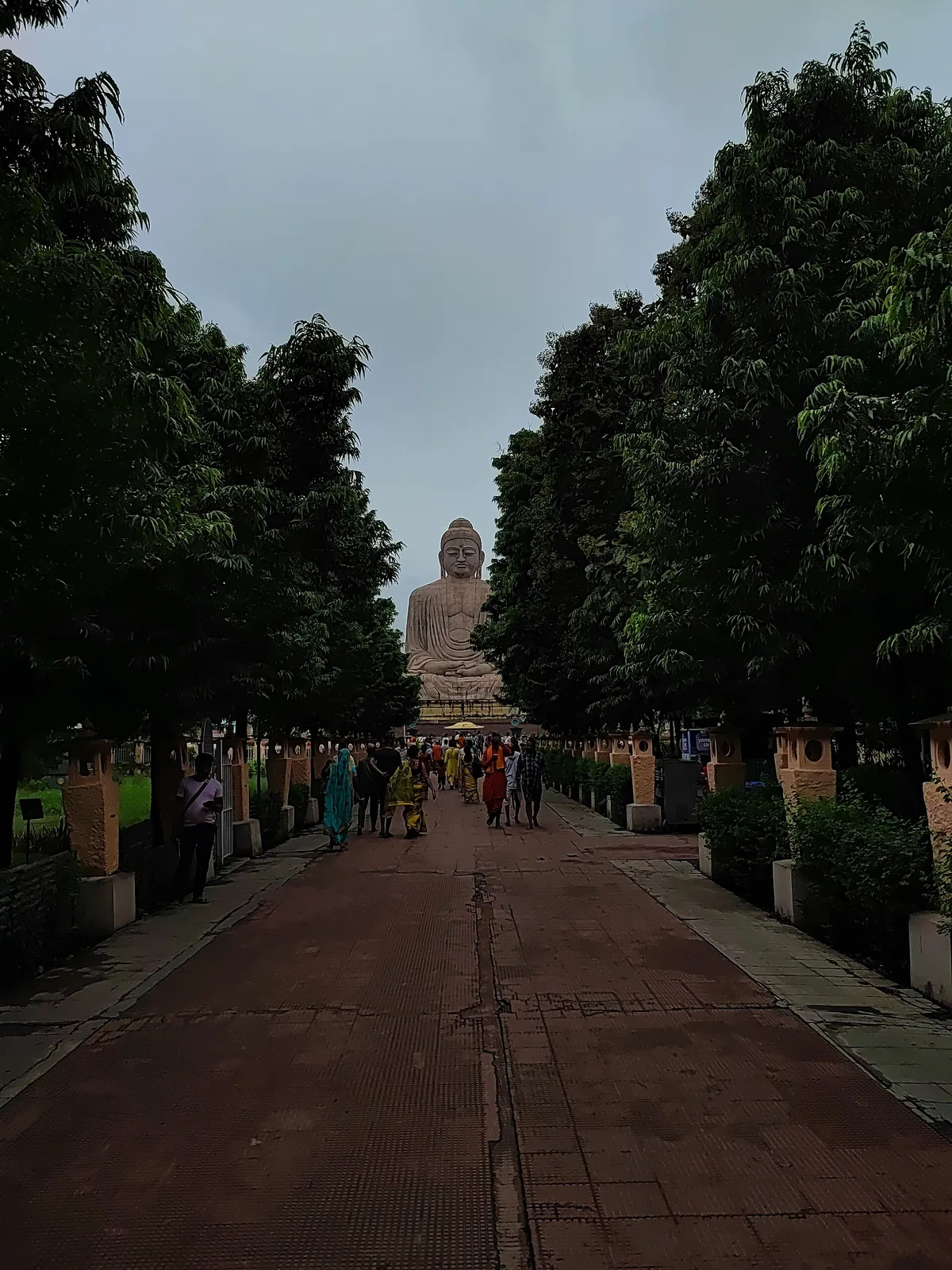 The Great Buddha Statue — 80-Foot Monolithic Granite Daibutsu in Dhyana Mudra Meditation
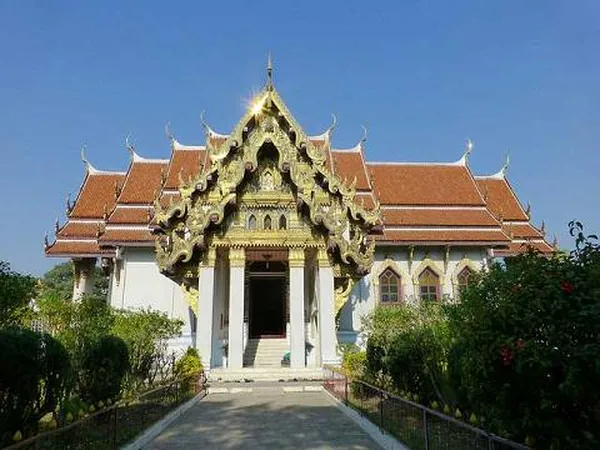
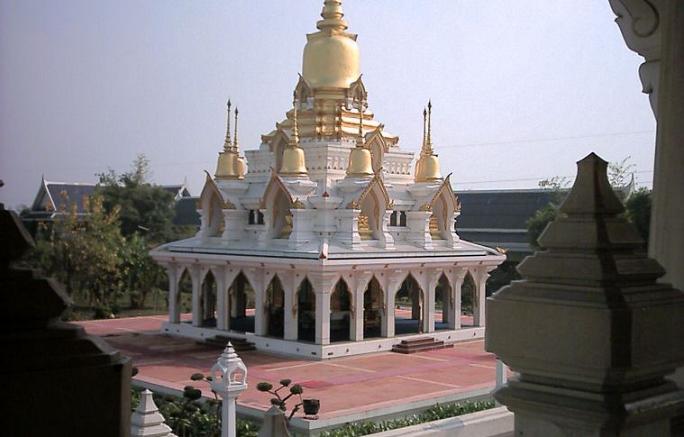
Built in 1957 by the Royal Thai Government, this monastery features a magnificent sloped gold tiled roof, curved eaves, and exquisite murals depicting Buddha's life. Bodh Gaya also houses international monasteries representing Sri Lanka, Myanmar, Bhutan, Japan, Vietnam, and Tibet.
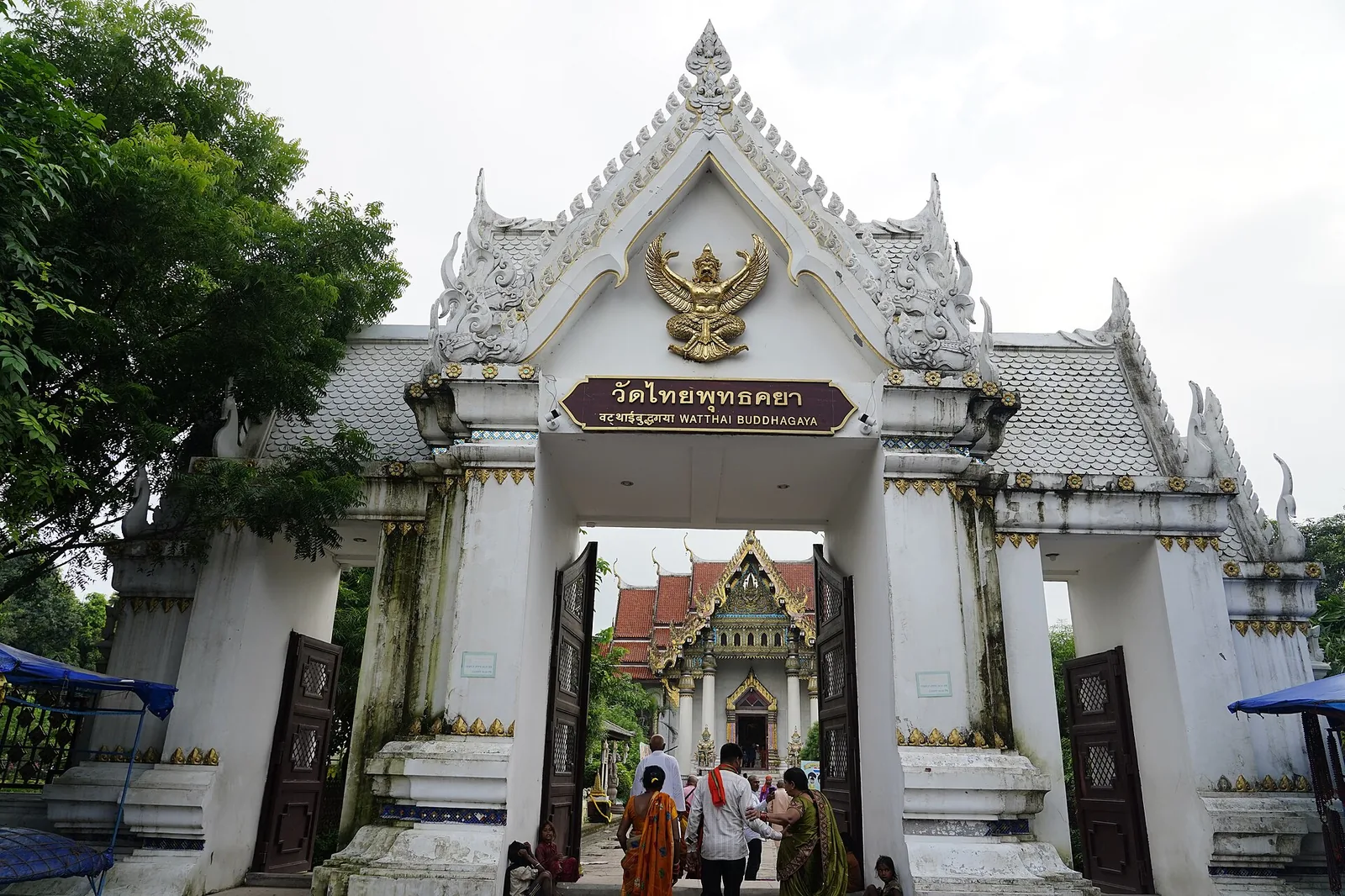 Wat Thai Buddhagaya — Royal Thai Gold-Tiled Pagoda and Buddhist Monastic Center
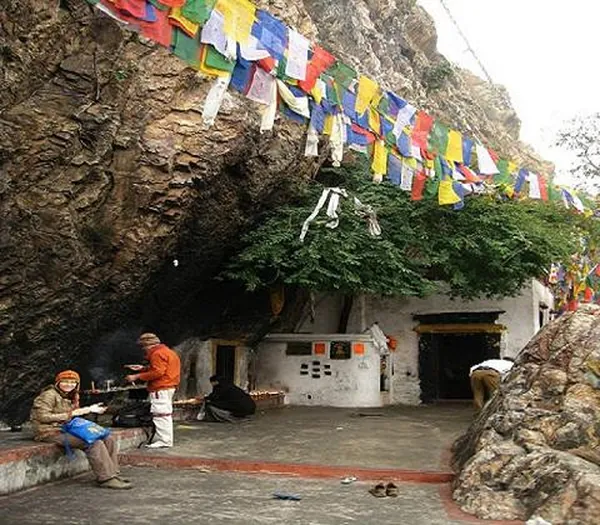
Nestled in the rocky Dungeshwari hills 12 km northeast of Bodh Gaya, these sacred caves are where Prince Siddhartha meditated for six arduous years surviving on a single grain of rice daily, before realizing that extreme mortification does not lead to truth.
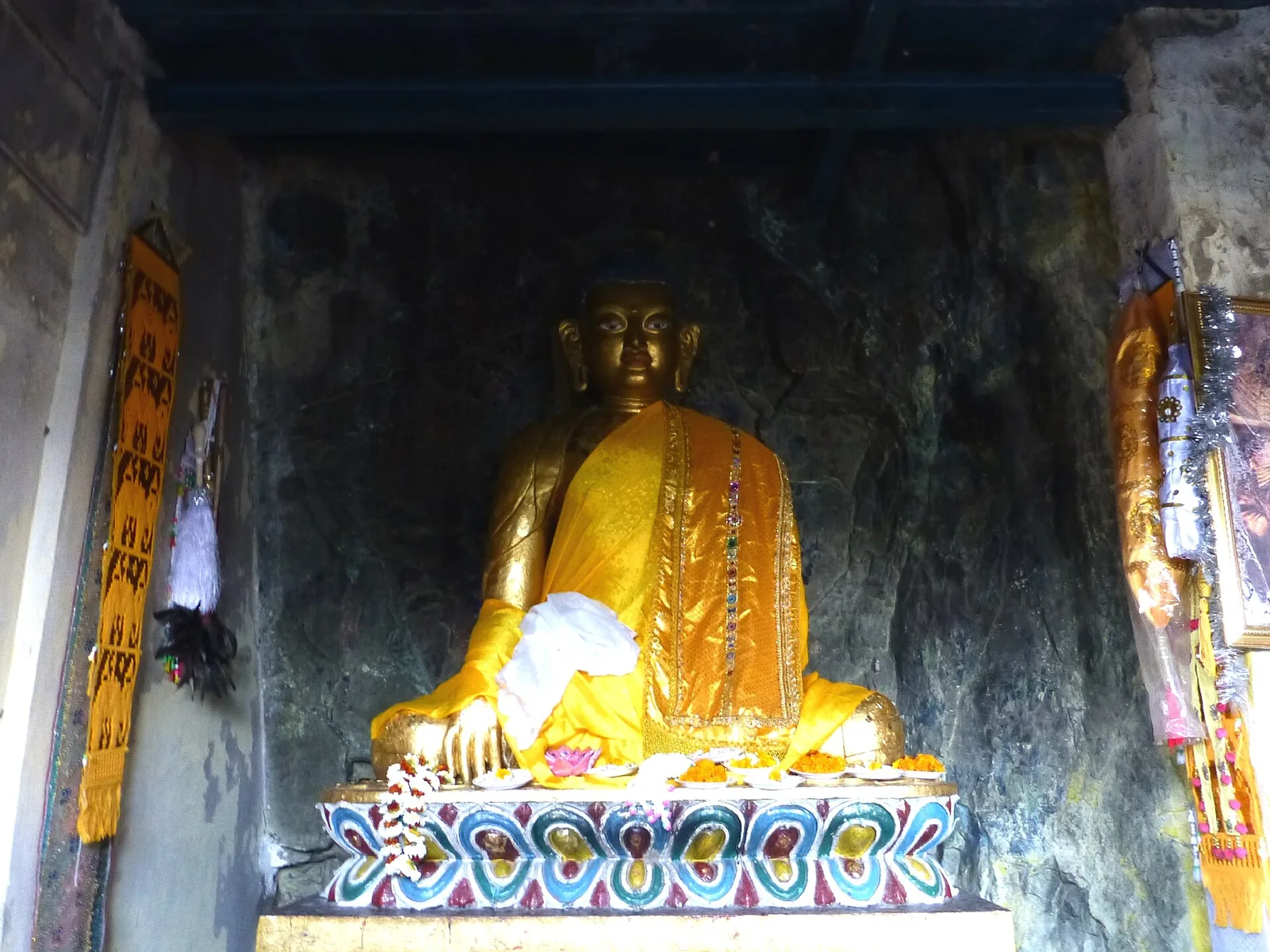 Dungeshwari Cave Temples — Sacred Caves where Buddha Practiced Severe Ascetic Penance
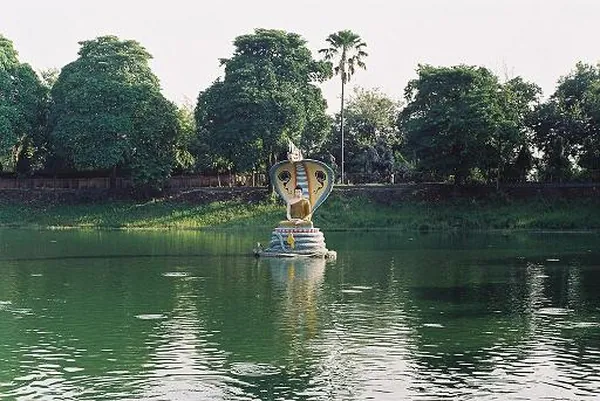
A sacred pond inside the Mahabodhi complex commemorating the sixth week of Buddha's enlightenment, when Mucalinda, the Serpent King of the subterranean realms, spread his multi headed hood to shield meditating Buddha from a severe tempest.
Located across the Niranjana River in Bakraur, this 8th century brick stupa commemorates Sujata, the village milkmaid who offered sweet rice milk (kheer) to an emaciated Siddhartha, giving him the physical strength to attain supreme enlightenment.
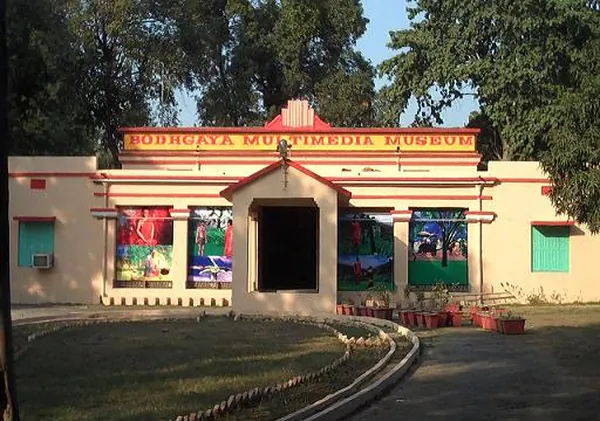
Houses a collection of 1st century BCE sandstone railings that originally enclosed the Mahabodhi Temple, carved with medallions of Surya, Lakshmi, and mythical Makaras, alongside bronze Pala sculptures.
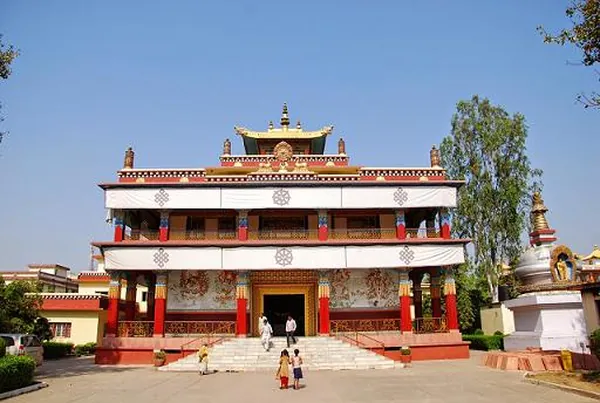
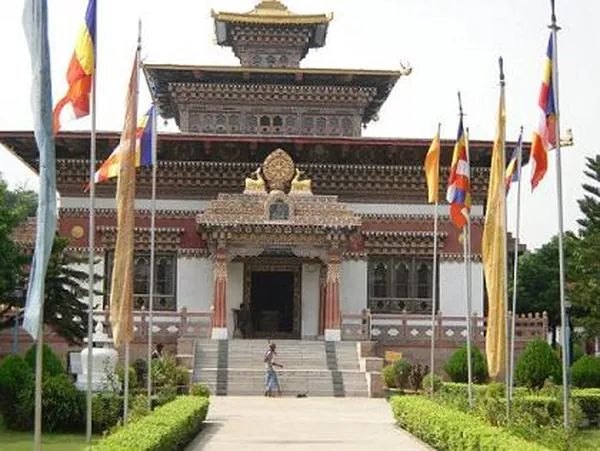
Showcasing Japanese wooden pagoda architecture and Zen rock gardens, alongside the ornate Royal Bhutanese Monastery adorned with carved dragons, thangka paintings, and 3D clay mandalas.
Duration: 6 Nights / 7 Days
 Best Flights
 Best Prices
 Unique Holidays