Parvathipuram — Travel Guide
Parvathipuram, celebrated across Uttarandhra and the Eastern Ghats as the district administrative capital of Parvathipuram Manyam, home to Asia's first inflatable rubber dam on the Jhanjhavati River, the sacred 300 year-old Sri Jagannath and Venkateswara Swamy temples at Belgam, the famous Sambara Polamamba Jatara, and the gateway to Thotapalli barrage, is an engaging destination in Andhra Pradesh.
It's the home of pioneering rubber membrane hydraulic engineering on the Jhanjhavati River, multi tiered waterfalls cascading through dense Eastern Ghats tribal forests, ancient Kalinga and Odia temple architecture, and lush cashew, mango, and turmeric hill plantations.
It works as a primary tribal trade, eco tourism base, horticulture market, and railway junction connecting Bobbili and Salur with Vizianagaram, Srikakulam, Rayagada, and Visakhapatnam along State Highway 4 and the East Coast Railway mainline.
It represents a rich cultural crossroads where indigenous Savara and Jatapu tribal heritage, medieval Kalinga kingdom traditions, river delta agriculture, and authentic North Andhra culinary arts come together across the Nagavali basin.
Located at an elevation of 120 meters in Parvathipuram Manyam district, it sits 16 km from Jhanjhavati Rubber Dam, 18 km from Thotapalli Barrage, 25 km from Sambara, 25 km from Bobbili, 60 km south of Rayagada, and 135 km from Visakhapatnam Airport.
Morning breezes drifting over the Nagavali riverbanks and local Manyam food stalls carry the appetizing aroma of authentic Manyam Natu Kodi Pulusu (spicy country chicken curry cooked with cold pressed peanut oil, crushed garlic, and roasted Andhra spices) served with hot steamed rice or Ragi Sankati.
You'll also enjoy crispy Minapa Garelu served with tangy ginger Allam Pachadi, thick savory Dibba Rotti cooked in heavy cast iron pans, wholesome Pesarattu with Upma, sweet organic jaggery Bellam Pongali, sweet Madugula Halwa, and steaming tumblers of South Indian filter coffee, while temple nadaswarams and tribal flutes sound at dawn.
Active cashew processing units, organic forest honey collections, weekly tribal shandies (haats), and passing East Coast Railway freight trains define the daily rhythm of this scenic hill valley town.
Parvathipuram is famous for Jhanjhavati Rubber Dam, Sri Jagannath Temple, Sambara Polamamba Jatara, Thotapalli Barrage, and authentic Manyam Natu Kodi Pulusu.
It's a practical base if you want to inspect modern rubber dam engineering, hike to untouched mountain waterfalls, attend ancient folk goddess festivals, and savor authentic spicy Uttarandhra delicacies.
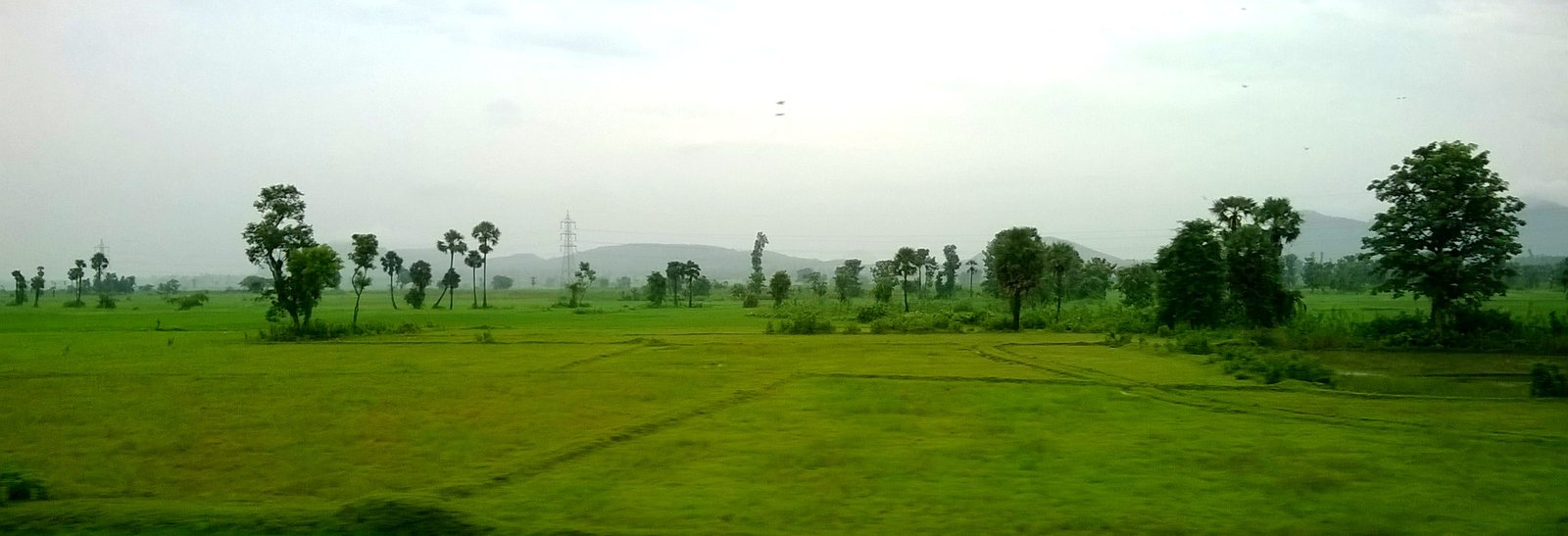
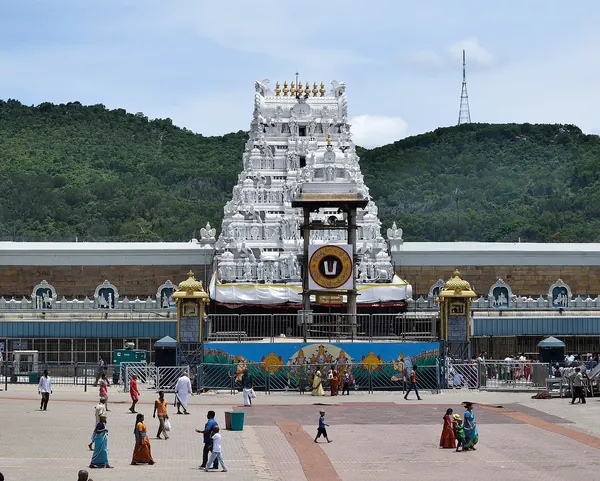
The surrounding Manyam territory holds deep antiquity shaped by the Gajapati kings of Odisha, the local zamindars of Belgam and Kurupam, the valiant tribal leaders who guarded the hill passes, and generations of cashew farmers. From the stone gopurams of Belgam to the cool misty heights of the Eastern Ghats ridges, you'll discover rewarding cultural landmarks across the district.
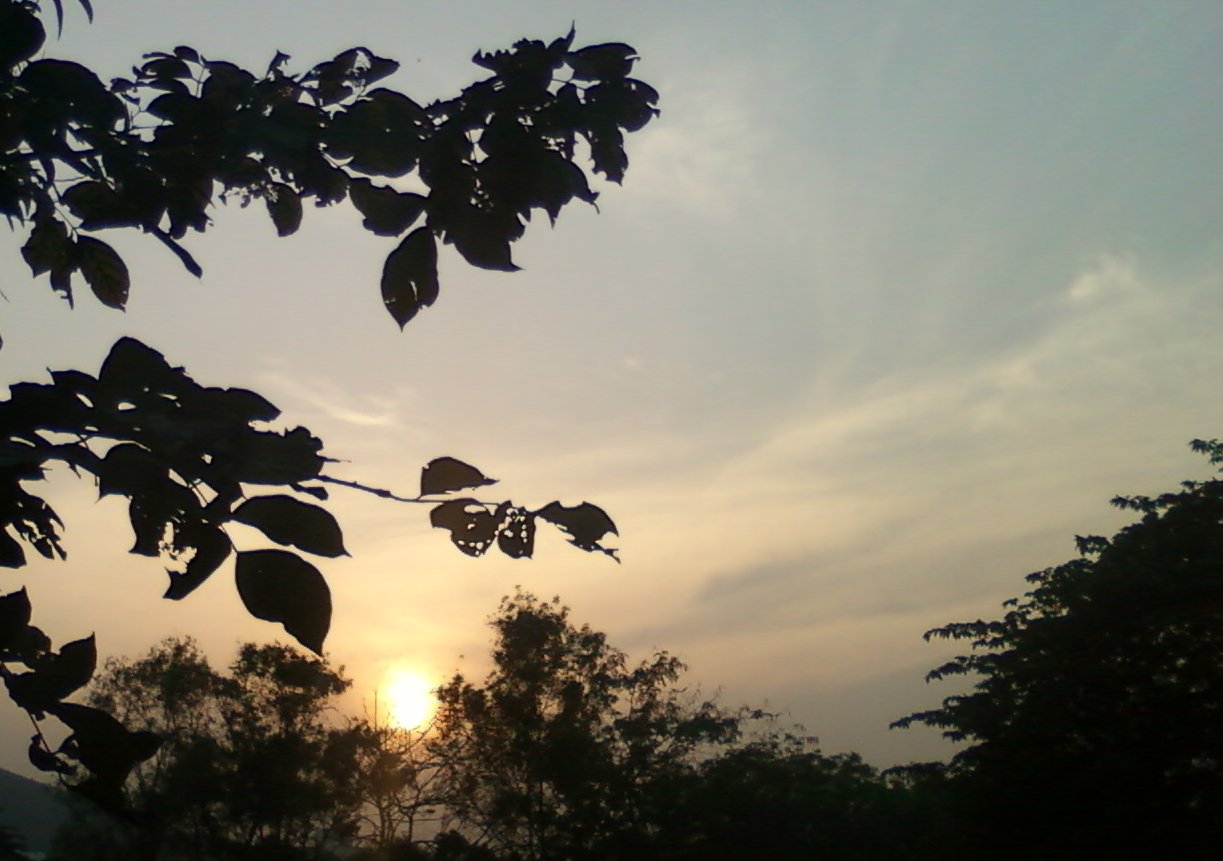
Local life centers around cashew nut farming, organic turmeric harvesting, tribal handicrafts, temple festivals, and warm North Andhra hospitality. You can view the sunrise over the Eastern Ghats hill crests at dawn, explore the rubber dam reservoir and ancient shrines by midday, and watch the sunset from the Thotapalli Barrage bridge by evening.
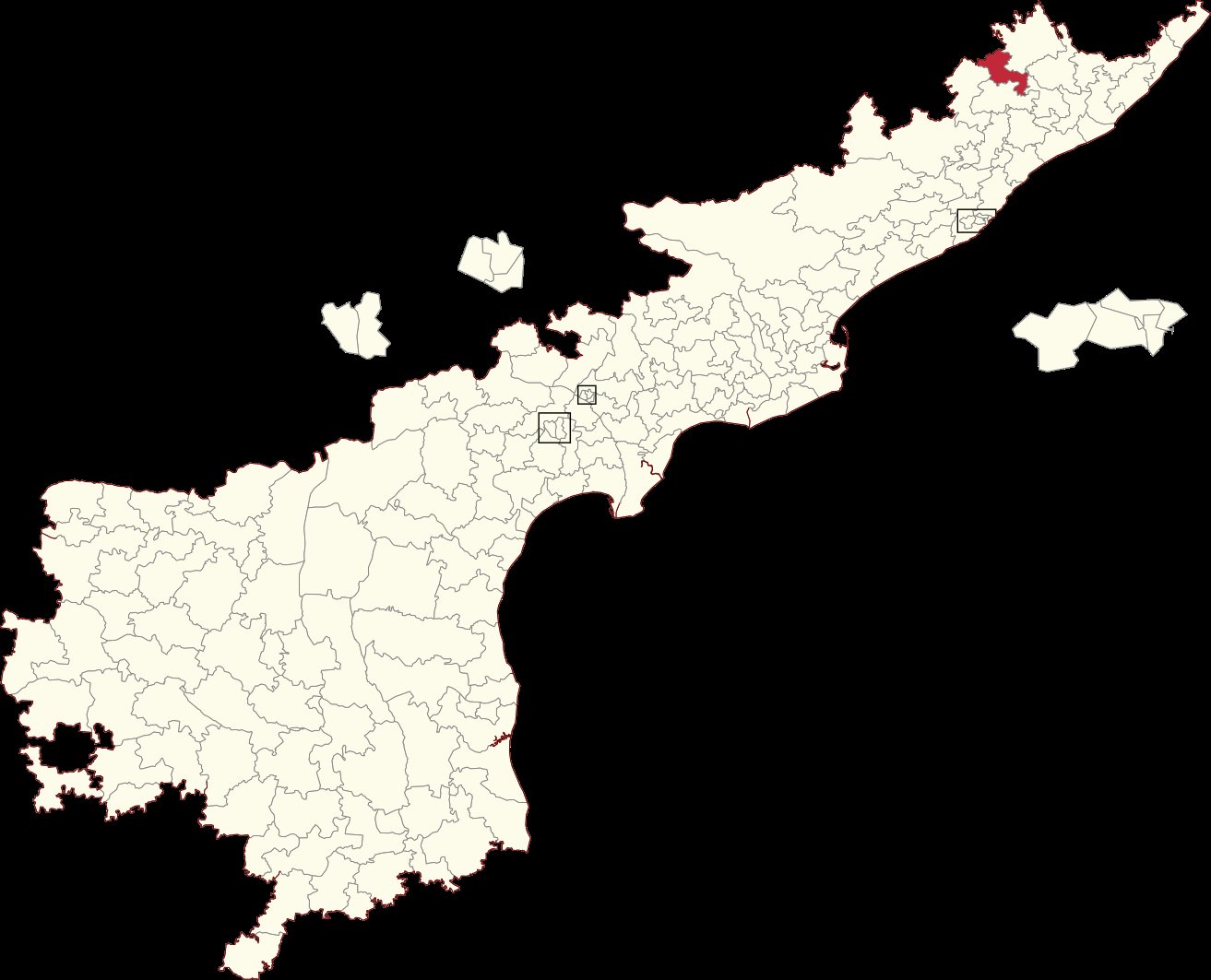
Neighboring destinations like Bobbili, Salur, and Vizianagaram offer historic Bobbili Fort, Veena making craft workshops, Ramanarayanam temple, and Vizianagaram Fort. Adding Parvathipuram to your travel plans works well for nature lovers, engineering enthusiasts, spiritual pilgrims, and road trippers exploring Andhra Pradesh.
You can view the glowing golden sunset reflecting off the wide waters of the Nagavali River and watch the evening lamps illuminate the temple sanctums by dusk. The journey is worth every rupee. Parvathipuram provides an authentic, peaceful, and culturally deep travel experience.
Planning your trip around the pleasant winter sightseeing season from October to March, the famous Sambara Polamamba Jatara in January, or the annual Sri Jagannath Rath Yatra will give you the best experience across Andhra Pradesh. Here is the seasonal breakdown:
Best Time to Visit by Season
• Winter Season (October to March): The premier travel window. Pleasant, breezy, and sunny with daytime temperatures between 15°C and 28°C, ideal for hill treks to waterfalls, visiting Jhanjhavati Rubber Dam, and attending tribal fairs.
• Monsoon Season (July to September): Heavy rainfall turns the Eastern Ghats into lush green wonderlands, with roaring waterfalls at Lodda and full reservoirs at Thotapalli.
• Summer Season (April to June): Warm and dry with daytime temperatures reaching 40°C. Early morning temple visits and evening riverfront strolls are recommended.
Major Annual Cultural & Spiritual Celebrations
• Sambara Polamamba Sirimanothsavam (January): Mega annual folk festival attracting millions of pilgrims from North Andhra and Odisha featuring the sacred Sirimanu tree procession.
• Sri Jagannath Rath Yatra (June July): Traditional chariot festival celebrated in Belgam with royal ceremonial pulling of the sacred Ratha by thousands of devotees.
• Maha Shivaratri at Addapuseela: Celebrated with night long Vedic abhishekams at the lunar changing Shivalinga shrine.
• Manyam Utsav & Tribal Dance Melas: Cultural festivals showcasing traditional Dhimsa dances, tribal hunting ballads, and folk music.
What Parvathipuram is Famous For
• Jhanjhavati Rubber Dam: Asia's first inflatable rubber dam on the Jhanjhavati River.
• Sambara Polamamba: Renowned folk goddess shrine and annual Sirimanu Jatara.
• Manyam Flavors: Manyam Natu Kodi Pulusu with Ragi Sankati, Dibba Rotti, and Bellam Pongali.
Reaching Parvathipuram in Andhra Pradesh is simple because State Highway 4 (Vizianagaram Parvathipuram-Rayagada Highway), Parvathipuram Railway Station on East Coast Railway mainline, and Visakhapatnam Airport provide reliable multi modal transit connectivity. Here is your complete transit guide:
By Air
• Visakhapatnam International Airport (VTZ): Located 135 km south of Parvathipuram (approx 3 hours drive via smooth 4 lane SH 4 with non stop flights across India and international connections to Dubai and Singapore).
• Swami Vivekananda Airport, Raipur (RPR): Located 340 km north via Rayagada and NH 30.
• Airport Transfers: Pre paid cabs, app taxis from Visakhapatnam Airport, and APSRTC express buses operate regular direct highway transfers to Parvathipuram.
By Train
• Parvathipuram Railway Station (Station Code: PVP) & Parvathipuram Town (PVPT): Located directly in town on East Coast Railway's Raipur Vizianagaram mainline with 40+ daily express halts.
• Bobbili Railway Junction (Station Code: VBL): Located 25 km south on the mainline.
• Vizianagaram Railway Junction (Station Code: VZM): Located 80 km south with superfast nationwide connections.
• Connecting Express Trains: Samta Express, Hirakhand Express, Visakhapatnam Korba Express, Dhanbad Express, and local passenger trains connect nearby stations smoothly across India.
By Road
• State Highway 4 (Vizianagaram Parvathipuram-Rayagada Highway): Smooth arterial highway connecting Vizianagaram, Bobbili, Parvathipuram, and Rayagada.
• State Highway 17: Connecting Parvathipuram with Palakonda, Salur, and Srikakulam.
• Bus Services: Andhra Pradesh State Road Transport Corporation (APSRTC) and OSRTC run frequent direct Super Luxury, Ultra Deluxe, and Palle Velugu buses between Visakhapatnam, Vizianagaram, Srikakulam, Rayagada, and Parvathipuram every 10 minutes.
Local Commuting & Dam Tour Access
• Auto Rickshaws & Town Cabs: Readily available at Parvathipuram Railway Station, RTC Bus Complex, and Belgam Chowk for quick local commuting.
• Rental Private Cabs: Hiring a private taxi is the most convenient way to explore the regional circuit covering Jhanjhavati Rubber Dam, Sri Jagannath Temple, Sambara Polamamba, and Thotapalli Barrage in a single day.
Exploring local agricultural wholesale markets for farm fresh organic cashews and wild forest honey, shopping for traditional tribal handloom fabrics, and tasting authentic Manyam, Uttarandhra, and North Coastal culinary specialties is an enjoyable part of visiting Andhra Pradesh. Here are the top items to buy and try:
What to Buy (Cashews, Forest Honey & Handlooms)
• Farm Fresh Raw & Roasted Cashew Nuts: Premium export grade roasted cashews and organic whole nuts sourced directly from Manyam hill orchards.
• Pure Wild Eastern Ghats Forest Honey: Unprocessed, multi floral raw honey collected by local tribal honey gatherers.
• Organic Manyam Turmeric & Spices: High curcumin natural mountain turmeric powder and stone ground spices.
• Handcrafted Tribal Bamboo & Wood Artifacts: Hand carved wooden sculptures, bamboo utility baskets, and traditional flute instruments.
• Traditional Handloom Cotton Sarees & Dhotis: Durable, soft cotton handloom sarees and dhotis woven by regional weaving societies.
Famous Local Food Specialties
• Authentic Manyam Natu Kodi Pulusu with Ragi Sankati: Spicy country chicken curry cooked with roasted shallots, garlic, and red chilies, served with steamed finger millet balls.
• Crispy Minapa Garelu with Allam Pachadi: Golden deep fried black gram lentil vadas served with tangy and spicy fresh ginger chutney.
• Savory Cast Iron Dibba Rotti: Thick, crusty lentil and rice bread slow roasted in heavy iron pans, served with spicy avakaya pickle.
• Traditional Organic Jaggery Bellam Pongali: Fragrant sweet rice and moong dal pudding cooked with pure desi ghee, organic sugarcane jaggery, and fried cashews.
• Steaming Tumbler South Indian Filter Coffee: Strong, aromatic chicory blended filter coffee served frothy in brass davarah sets.
Must-Visit Places in Parvathipuram
Parvathipuram and the surrounding Manyam Eastern Ghats corridor offer Asia's first rubber dam, 300 year-old Kalinga temples, folk goddess shrines, and scenic river barrages. Here are the top attractions to visit during your stay.
1. Jhanjhavati Rubber Dam & Reservoir (16 km)
First inflatable rubber dam in India and one of Asia's largest, built across the Jhanjhavati River amidst scenic Eastern Ghats hills and water reservoirs.
Timings: 8:00 AM to 6:00 PM daily
Fee: Free access
Route: Located 16 km northwest in Komarada.
2. Sri Venkateswara Swamy Temple & Sri Jagannath Temple
300 year-old historic temples in Belgam featuring Kalinga Dravidian architecture, grand stone sanctums, and the famous annual Jagannath Rath Yatra.
Timings: 6:00 AM to 12:30 PM & 4:30 PM to 8:30 PM daily
Fee: Free access
Route: Located in Belgam, central town.

3. Sambara Polamamba Temple & Annual Jatara (25 km)
Revered folk Shakti shrine in Makkuva mandal attracting lakhs of devotees across Andhra Pradesh and Odisha for the famous Sirimanu Jatara in January.
Timings: 5:30 AM to 8:30 PM daily
Fee: Free access
Route: Located 25 km west in Sambara.

4. Thotapalli Barrage & Nagavali River Reservoir (18 km)
Monumental irrigation barrage across the Nagavali River featuring scenic water reservoirs, boating, and ITDA Tribal Eco Parks.
Timings: 8:00 AM to 6:30 PM daily
Fee: Free access
Route: Located 18 km south in Garugubilli.

5. Lodda & Moganali Waterfalls Circuit (35 km)
Spectacular mountain waterfalls cascading through dense Eastern Ghats forests in the Manyam tribal belt, perfect for nature photography and trekking.
Timings: Daylight hours (Post monsoon is best)
Fee: Free access
Route: Located 35 km northeast in Kurupam.
6. Addapuseela Kaasi Visweswara Temple (15 km)
15th century ancient Shiva temple famous for its unique Shivalinga that mysteriously changes its color across the lunar cycle.
Timings: 6:00 AM to 12:00 PM & 4:30 PM to 8:00 PM daily
Fee: Free access
Route: Located 15 km east in Addapuseela.
7. Nagavali & Suvarnamukhi River Valley Promenades
Perennial river waterways nourishing cashew and turmeric farms, offering scenic walking banks and peaceful rural picnic spots.
Timings: Daylight hours
Fee: Free access
Route: Located along town outskirts.
8. Parvathipuram APMC Cashew & Honey Mandi
Major agricultural trading market handling raw cashew nuts, Banganapalli mangoes, organic turmeric, and wild forest honey.
Timings: 8:00 AM to 6:00 PM daily
Fee: Free access
Route: Located at Market Yard.
9. Manyam Traditional Tribal Handloom Guilds
Artisan weaving cooperatives crafting traditional tribal cotton shawls, sarees, and coarse handloom fabrics.
Timings: 9:30 AM to 7:00 PM daily
Fee: Free workshop visits
Route: Located in Weavers Colony.
10. Parvathipuram Traditional Pottery Guilds
Artisan pottery colonies handcrafting earthen water pots (Matkas), cooking handis, and festive terracotta lamps.
Timings: 9:00 AM to 6:30 PM daily
Fee: Free access
Route: Located in Kumhar Colony.
11. Parvathipuram Traditional Sweet Marts (Bellam Pongali)
Renowned local confectioneries serving authentic organic jaggery Bellam Pongali, sweet Madugula Halwa, and hot crispy Jalebis daily.
Timings: 7:00 AM to 9:30 PM daily
Fee: Free access
Route: Located along Main Road.
12. Traditional Manyam Food Messes
A delightful food street serving authentic Manyam Natu Kodi Pulusu with Ragi Sankati, Dibba Rotti with ginger chutney, and filter coffee.
Timings: 7:00 AM to 10:30 PM daily
Fee: Free access
Route: Located along SH 4 highway corridor.
Parvathipuram Photo Gallery & Attractions
Explore high-resolution photographs of iconic temples, historical monuments, and scenic landmarks in Parvathipuram.
Plan Your Parvathipuram Trip Now
Get the best verified hotel deals and customized tour packages. Book directly on EarthTrip and save up to 45%!