- .
- info@earthtrip.in
-
INR
-
USD
INR
USD
British chroniclers gave it a nickname that stuck: the Troy of the East. Gingee Fort sprawls across three separate hills, Rajagiri, Krishnagiri and Chandra...
British chroniclers gave it a nickname that stuck: the Troy of the East. Gingee Fort sprawls across three separate hills, Rajagiri, Krishnagiri and Chandrayandurg, about 28 km west of Tindivanam. No army ever took it by storm. Its walls simply changed hands through treaties and treachery across five centuries.
The story starts around 1190 AD with Ananda Kon, chief of a local shepherd community, who raised the first fortifications on the main hill. His successor Krishna Kon expanded them. Everything you see today grew from that small hilltop hold in coastal Tamil Nadu.
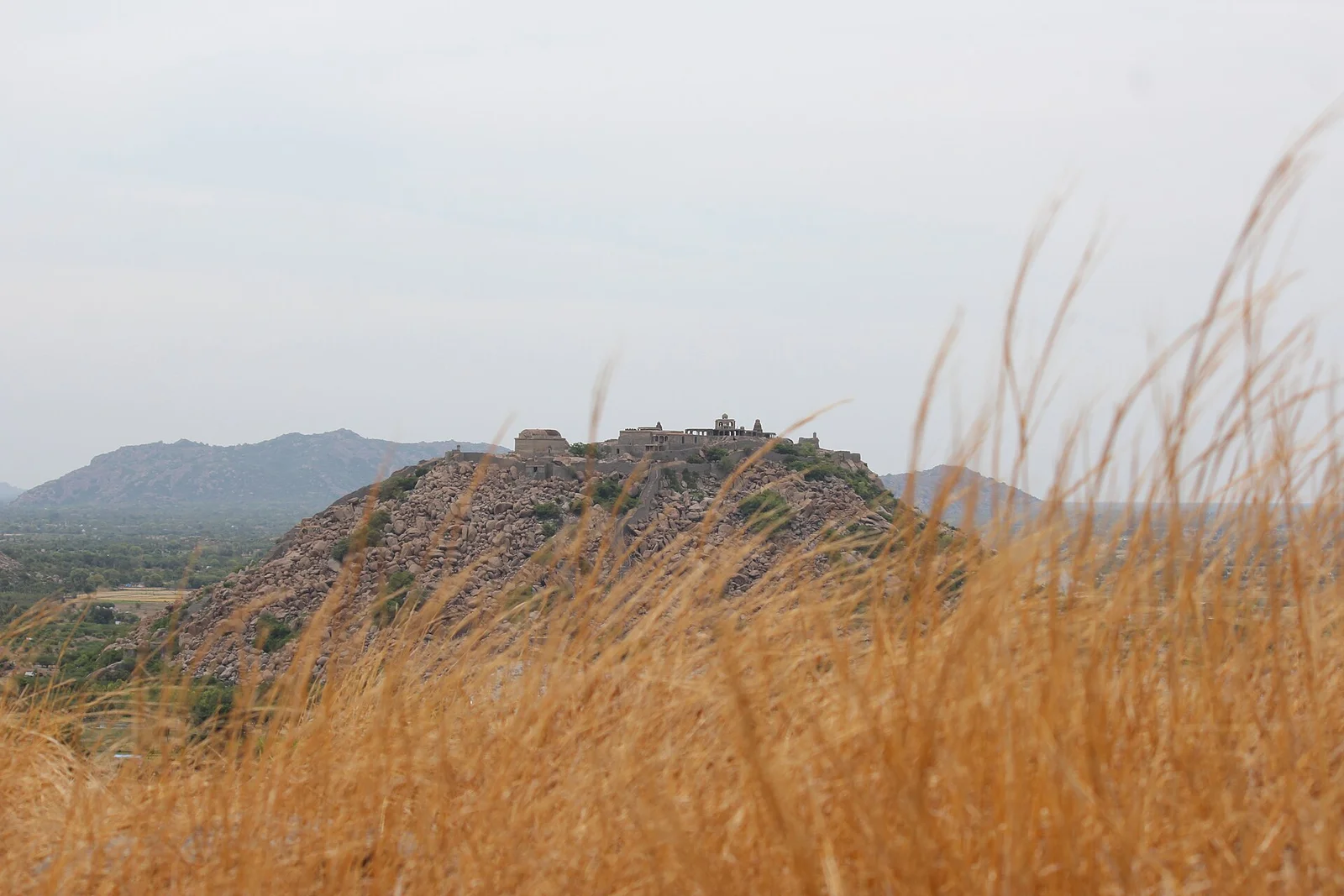
Successive powers kept upgrading the defenses. The Vijayanagara Nayaks added palaces and temples. The Bijapur Sultanate took over next, then the Marathas under Shivaji strengthened the works further. Mughal armies besieged it for years before the French marched in, and finally the British absorbed it. Each regime left its stamp on the stone.
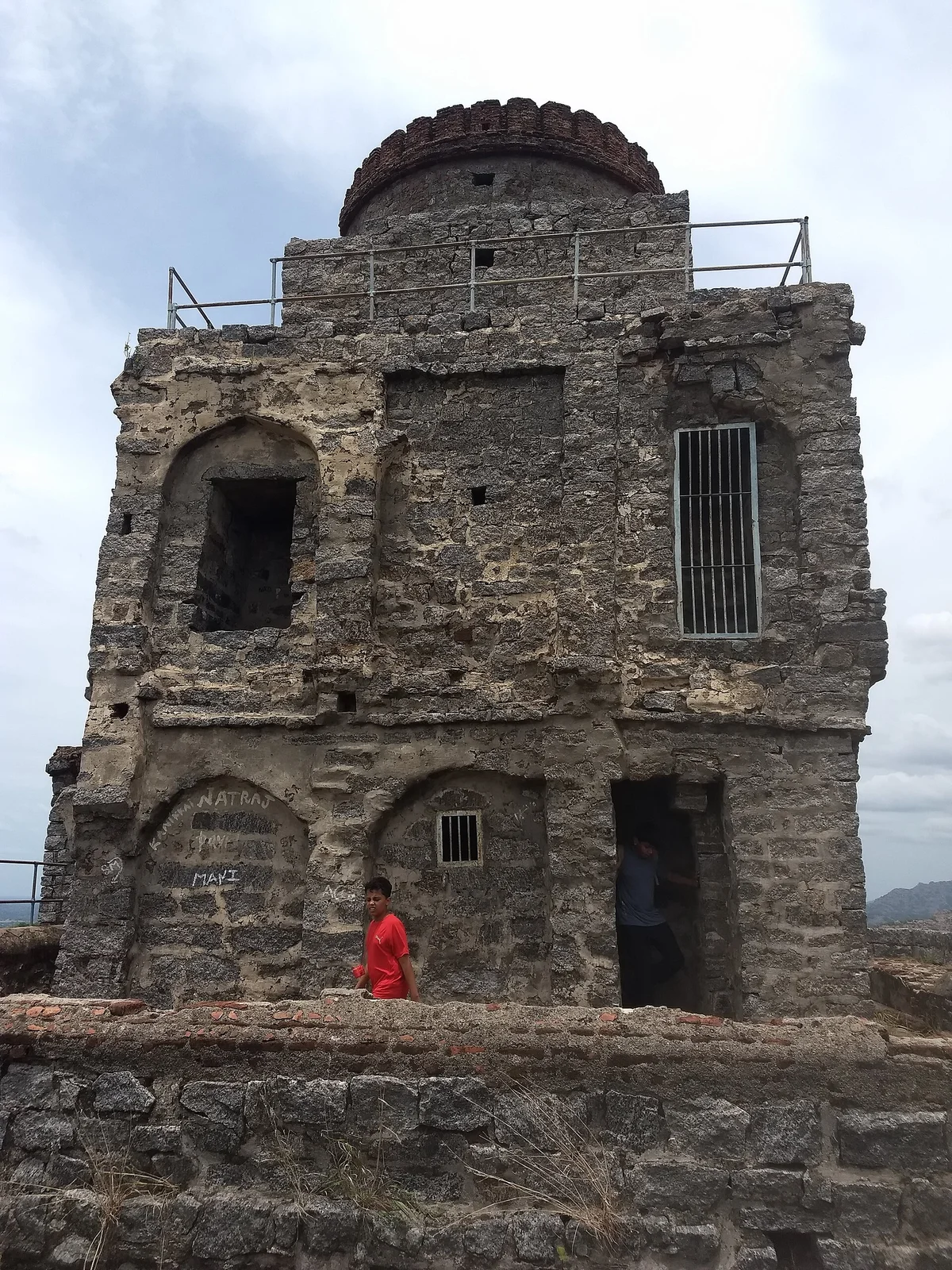
Inside the lower fort stands the Kalyana Mahal, an Indo Islamic styled tower rising through seven storeys with a dry moat circling its base. Nearby you'll find huge granaries, the Venkataramana temple complex, and the mosque of Sadat Ullah Khan. One compound, four architectural worlds.
Truth is, the summit trek is why trekkers keep coming back. Stone steps cut into the rock wind steeply upward, and near the top a small wooden bridge crosses an actual chasm. The views from Rajagiri's crown stretch clear to the horizon. Start early, carry water, wear proper shoes. Fair warning, there is no shade once you leave the gate.
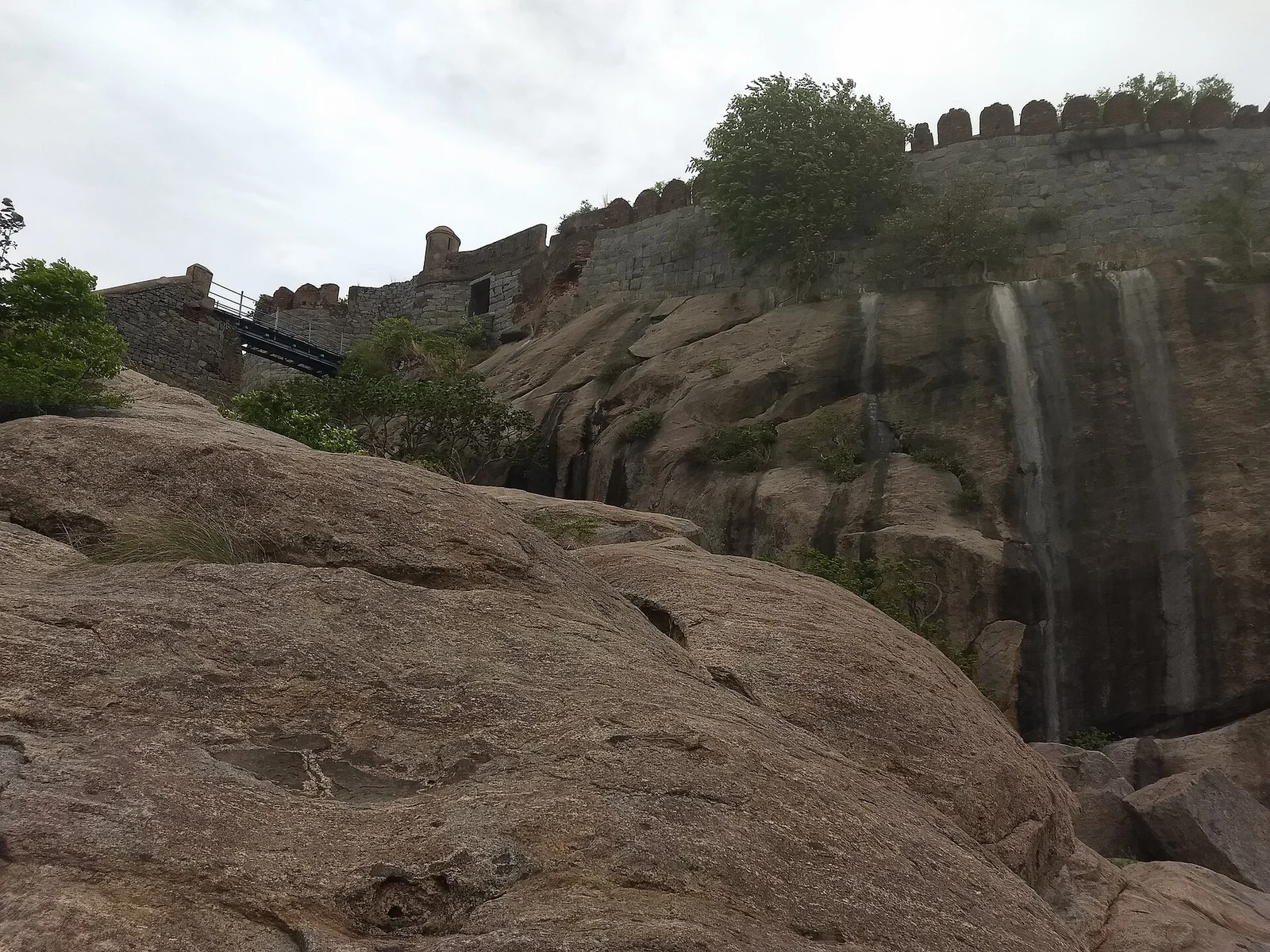
The Archaeological Survey of India protects the whole complex today. Pair it with Mailam Murugan Temple or the fossil beds at Tiruvakkarai for a full day loop out of Chennai or Puducherry.
Drivers touring northern Tamil Nadu often link Gingee with Tiruvannamalai, which lies further west on the same highway corridor.
October to March treats climbers right. Winter skies stay clear over the plains, and the exposed granite slopes stop radiating heat by mid morning.
Budget half a day for the full Rajagiri circuit. Krishnagiri offers a shorter second climb if your legs still agree.
 Pilgrimage
 Family
 Pilgrimage
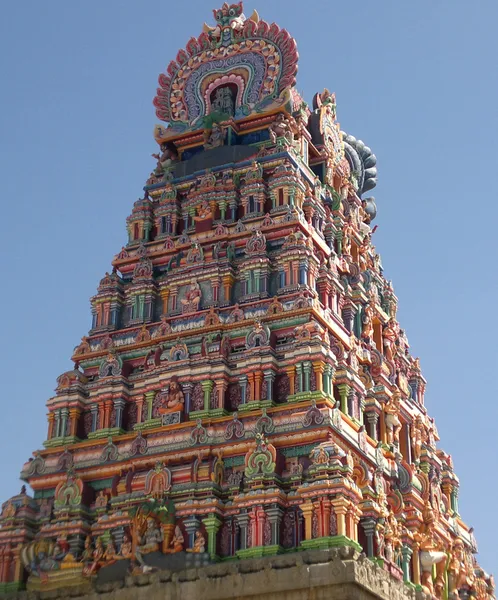
A hillock, a gopuram on top, and Lord Murugan ruling over the flat green fields below. The…
Explore Araku Valley Coffee PlantationsExplore high-resolution photographs of iconic landmarks, temples, and scenic spots in Araku Valley.
Essential visitor information regarding timings, entry tickets, location, nearby attractions, and travel guide in Araku Valley.
Gingee Fort stands as an iconic landmark in Tindivanam, celebrated for its rich regional heritage, classical architectural craftsmanship, and lasting spiritual importance across Tamil Nadu.
Gingee Fort remains open to travelers and pilgrims daily from 6:00 AM in the morning until 8:30 PM in the evening, with morning and evening aarti sessions being the most lively times to visit.
General entry to Gingee Fort is free for the public. Nominal fees may be applicable for designated parking facilities, special fast track darshan lines, or commercial photography permits.
Most travelers spend approximately 1.5 to 2 hours exploring the compound, viewing the intricate artwork, strolling across the open courtyards, and soaking in the tranquil surroundings.
Photography is generally allowed throughout the outer gardens, courtyards, and perimeter corridors. However, taking photos inside the innermost sanctum may be restricted to honour local customs.
Visitors can readily take local auto rickshaws, pre paid cabs, or municipal transport buses directly from Tindivanam railway station and central bus terminus to the entry gate.
Get a customized itinerary and the best deals on packages and hotels.
Enquire Now City Guide
 City Guide
 City Guide