- .
- info@earthtrip.in
-
INR
-
USD
INR
USD
Varanasi is one of the oldest living cities in the world. Many names have been given to Varanasi, though its recently revived official appellation is mentioned in the Mahabharata and in the Jataka tales of Buddhism. It probably derives from the two rivers that flank the city, the Varana to the north and the Asi to the south.. Many still use the anglicized forms of Banaras or Benares, while pilgrims refer to Kashi, first used three thousand years ago to describe the kingdom and the city outside which the Buddha preached his first sermon; the "City of Light" is also called Kashika, "the shining one", referring to the light of Shiva. Another epithet, Avimukta, meaning "Never Forsaken", refers to the city that Shiva never deserted, or that one should never leave. Further alternatives include Anandavana, the "forest of bliss", and Rudravasa, the place where Shiva (Rudra) resides.
Allahabad, also known as Prayag, or "place of offerings", comes from its position at the sacred union of the rivers: Ganges, Yamuna and Saraswati. It is the second-oldest city in India and plays a central role in the Hindu scriptures. The city contains many temples and palaces. Mathura is world famous Hindu religious tourism place and famous for Lord Krishna birthplace, temple and activates. Lord krishna Birthplace, Dwarkadhish Temple, Birla Temple, Mathura Museum, Yamuna Ghat's etc.
Day 1: Delhi
On Arrival At Delhi Airport/Railway station. The day is organized for local sightseeing; The ancient Mughal capital has many fortifications and mosques scattered around the city. Visit to Old Delhi will open up to the colorful markets of Chandni Chowk and right behind is one of the largest and popular mosques in the country. You also visit Raj Ghat, the burial spot of Gandhi. Other attractions of the city are the Red Fort, India Gate, Parliament House, Qutub Minar, Humayun’s tomb and more. In the evening you return to the hotel to relax and later go to bed.
Day 2: Delhi - Mathura
Soon after your breakfast is over, you prepare to leave for Mathura. It is fairly close to Delhi and takes around 3 hours to reach. Mathura is one of the main pilgrim destinations of the devotees of Lord Krishna, as it is the birthplace of the Lord. On arrival, you check in at the hotel and leave for the Mathura city tour. It has numerous temples with its own significance; among them some are popular like the Sri Krishna Janmabhoomi temple at the site where the Lord was born. The Vishram Ghat is where the Lord rested after defeating the tyrant; another important temple is the Dwaekadeesh temple where all the devotees assemble during any festival. In the evening you return to the hotel and stay overnight.
Day 3: Mathura - Agra- Allahabad
After breakfast you will be leaving for Agra which only takes around 1 and a half hour to reach. Once you are in Agra the sightseeing follows, the main attraction in Agra includes The Taj Mahal; one of the seven wonders of the world. Others are Agra Fort which is huge and breathtaking; the tomb of Itmad-Ud-Daulah is also made intricately. In the evening you get to the station to catch the Express Train for Allahabad, it is an overnight journey.
Day 4: Allahabad - Varanasi
In the morning, at Allahabad, you will be escorted to your hotel by the attendants. Breakfast will be served and after that you have Allahabad exploration to start with. You will visit the Sangam, it is a point where the River Ganges, River Yamuna and the mythological Saraswati merge. You then get to see the Allahabad Fort, the Ashoka pillar and some temples and Ghats. You head towards Varanasi after lunch; it takes 4 hours to reach there. On reaching Varanasi, you check in at the hotel and relax for the evening. You will stay over at the hotel.
Day 5: Varanasi
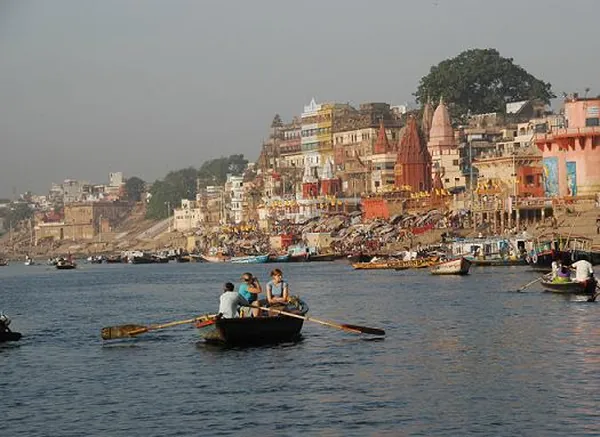
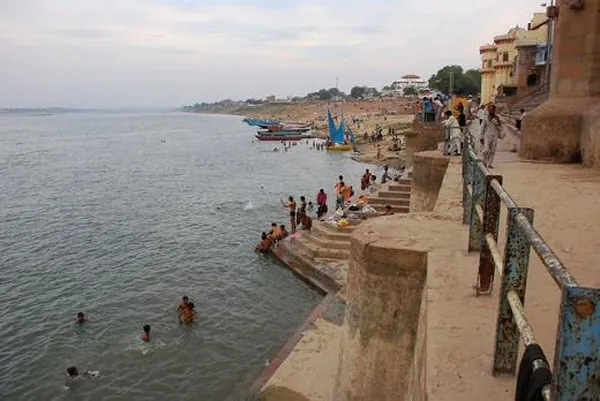
On waking up, you will go for a boat ride on the Ganges. This experience is very mystical and peaceful at the same time, it is exciting to see the people offering their prayers and taking a dip in the river. Later in the day you will be taken for a city trip to some important sites like the Bharat Mata Temple, Vishwanath temple, the University and more. You stay overnight at the hotel.
Day 6: Varanasi - Delhi
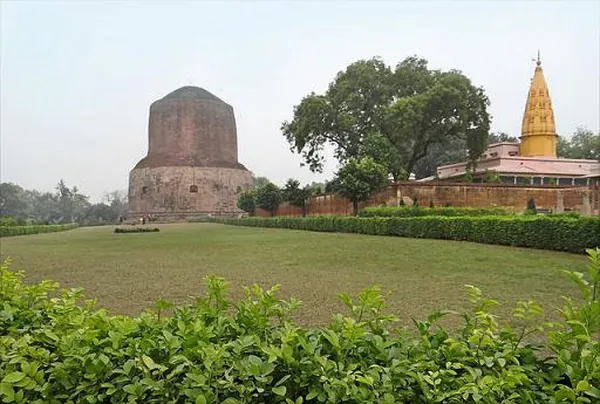
After breakfast you will leave for Sarnath, an important site for the Buddhists. It is here that the Lord Buddha delivered his sermons to his disciples. Later you are taken to your respective airports and stations, thus ending this long and magical journey along the Ganges.
Payments policy
Tour Cancilation policy
By Train:
Varanasi Junction (Station Code: BSB Varanasi Cantt): Major railway terminal connected directly to New Delhi via superfast Vande Bharat Express (just 8 hours). High speed express trains connect directly to Kolkata, Mumbai, Chennai, Bengaluru, Ahmedabad, Jaipur, and Patna. Banaras Railway Station (BSBS Manduadih) and Pt. Deen Dayal Upadhyaya Junction (DDU Mughalsarai - 18 km) provide nationwide rail connectivity.
By Air:
Lal Bahadur Shastri International Airport (Airport Code: VNS - 26 km northwest in Babatpur): Direct non stop flights connect New Delhi, Mumbai, Bengaluru, Hyderabad, Kolkata, Chennai, Ahmedabad, Sharjah, and Kathmandu.
By Road:
Local Transport:
Traditional hand rowed wooden boats, motorboats, e rickshaws, auto rickshaws, and cycle rickshaws operate through the historic river ghats and city lanes.
Varanasi features ancient Jyotirlinga temples, holy Ganga bathing ghats, Buddhist monastic ruins, and royal riverside forts:
The spiritual centerpiece of Varanasi and one of the 12 sacred Jyotirlingas of Lord Shiva. The temple's iconic gold plated spires were donated by Maharaja Ranjit Singh. The newly transformed 50,000 sq meter Kashi Vishwanath Corridor directly connects the temple sanctum to the sacred Ganges at Manikarnika and Lalita Ghats.
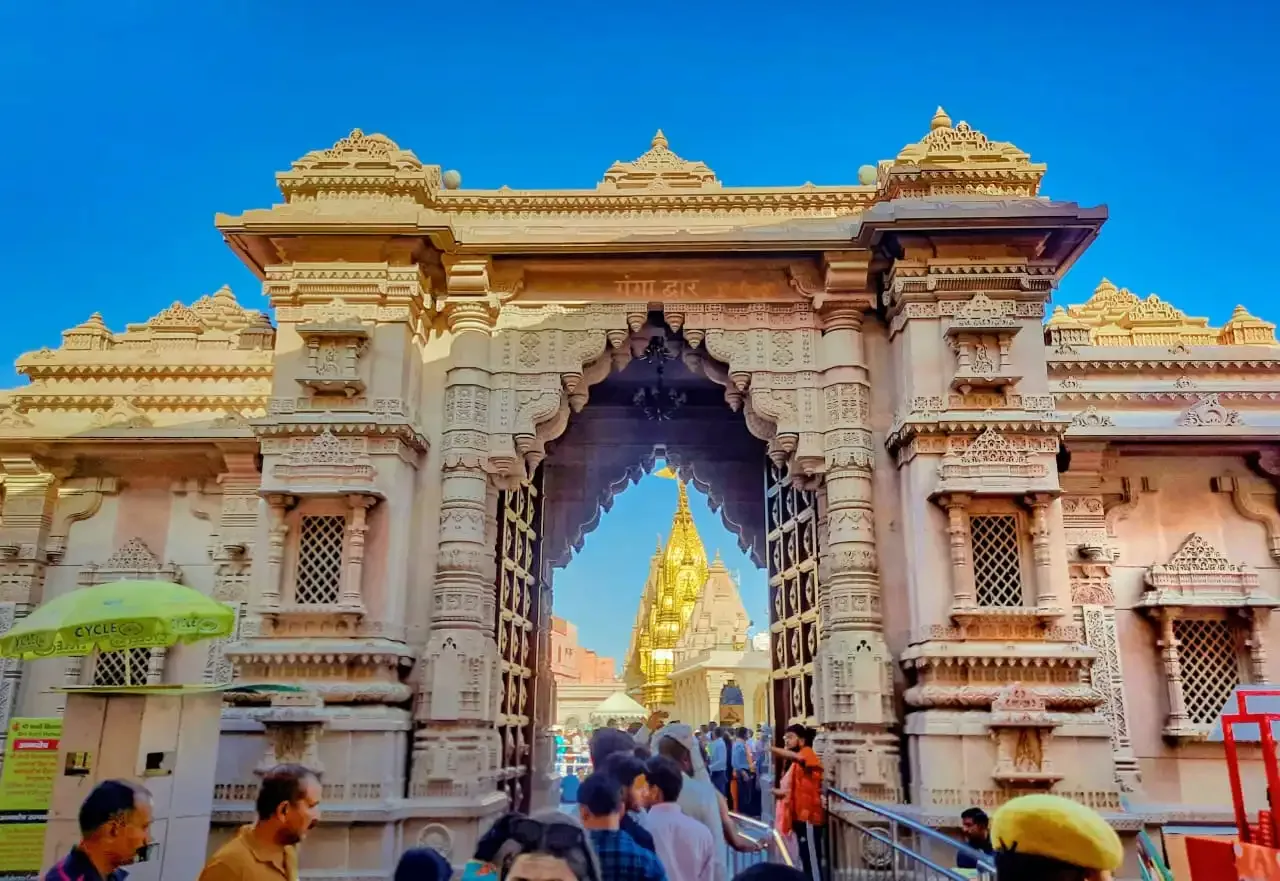 Kashi Vishwanath Temple — Golden Jyotirlinga Sanctuary and Historic Ganga Corridor
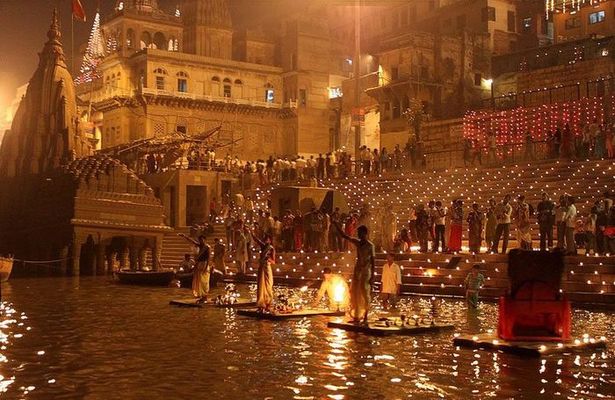
The oldest and most vibrant ghat in Varanasi, believed to be the spot where Lord Brahma performed the ten horse sacrifice. Every evening at dusk, young saffron clad priests perform the synchronized Ganga Maha Aarti with blazing multi tiered brass lamps, conch shells, and rhythmic cymbals.
 Dashashwamedh Ghat — Spectacular Evening Ganga Maha Aarti with Blazing Brass Lamps
The southernmost major ghat where the Assi River meets the Ganges. Famous for its serene morning atmosphere, hosting *Subah e Banaras* with sunrise Ganga Aarti, Vedic recitations, morning yoga, and classical Indian vocal and sitar concerts.
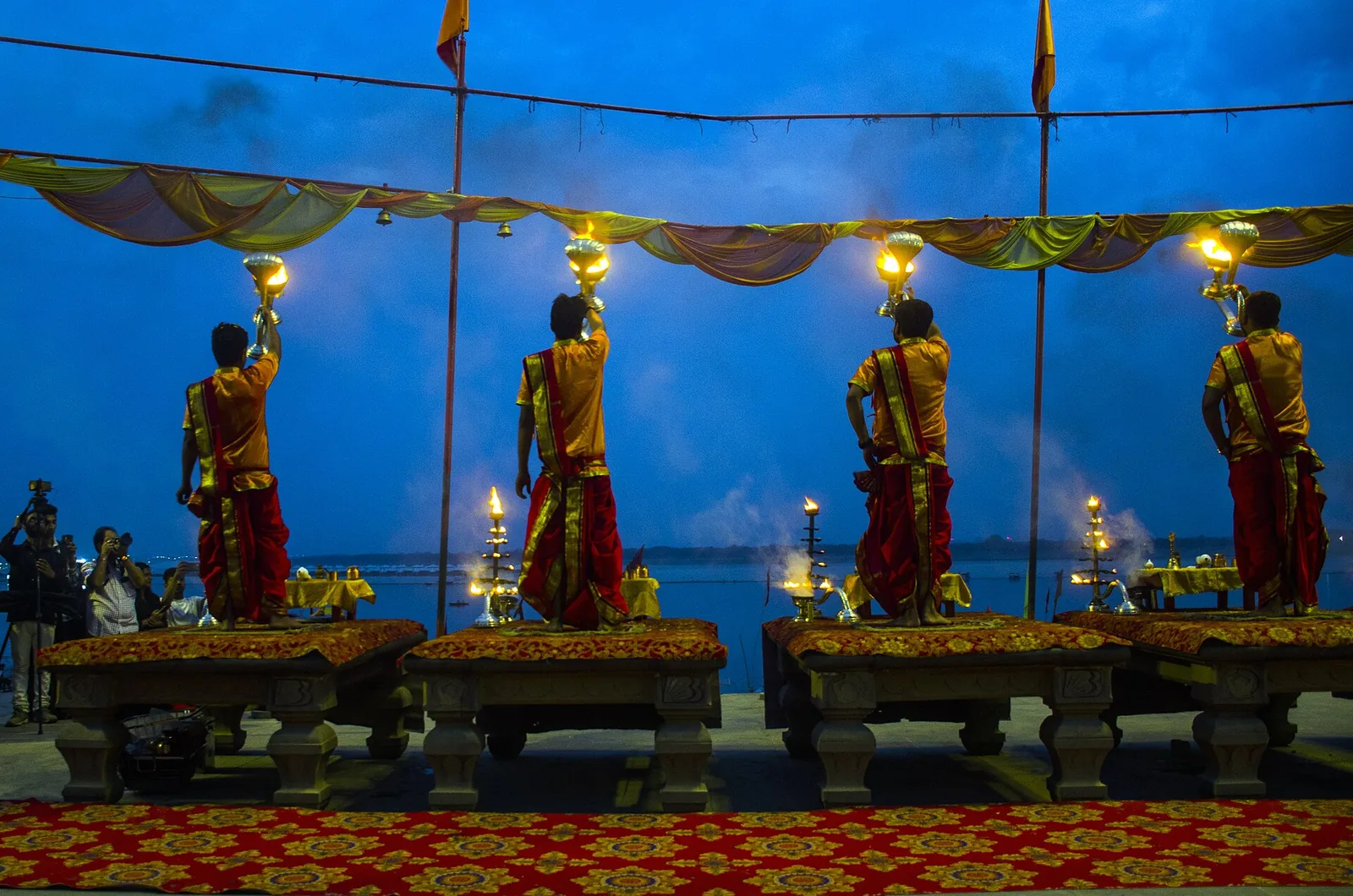 Assi Ghat — Sunrise Subah e Banaras with Vedic Chants, Classical Music, and River Boat Rides
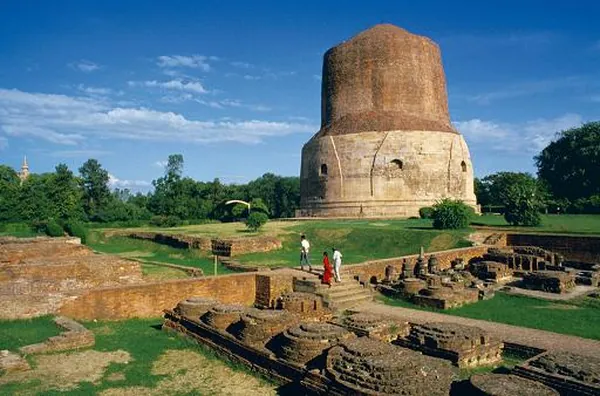
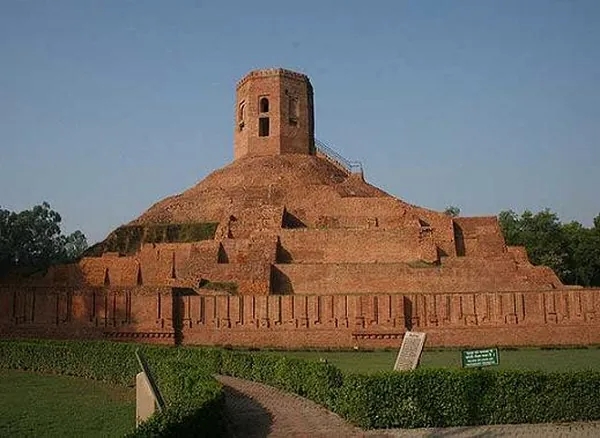
A sacred Buddhist pilgrimage site 10 km northeast of Varanasi, where Gautama Buddha taught the Four Noble Truths to his five disciples after attaining enlightenment. The site preserves the massive 43.6 meter cylindrical Dhamek Stupa, Dharmarajika Stupa, Ashokan Pillar, and Sarnath Archaeological Museum.
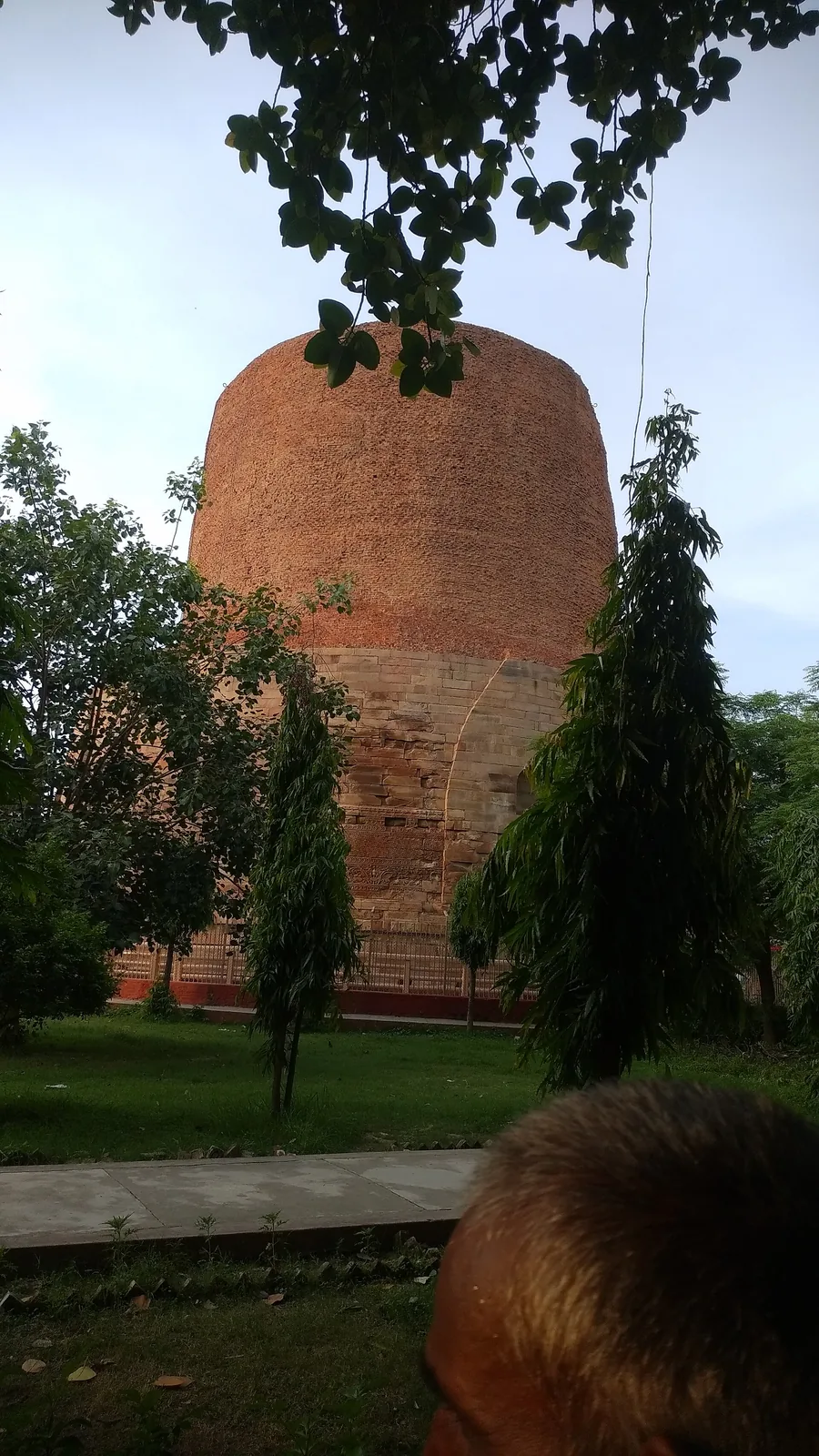 Dhamek Stupa Sarnath — Historic 5th Century Buddhist Monument Where Buddha Delivered His First Sermon
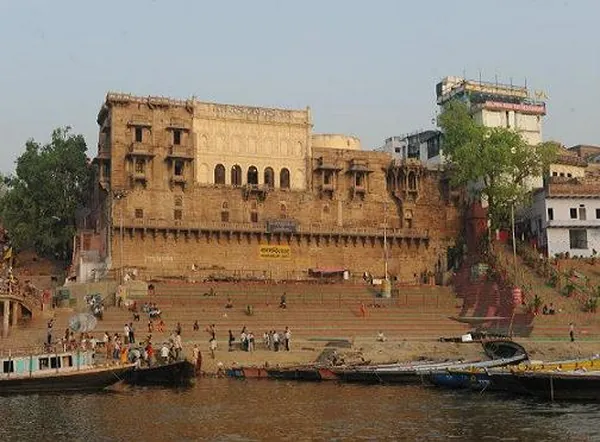
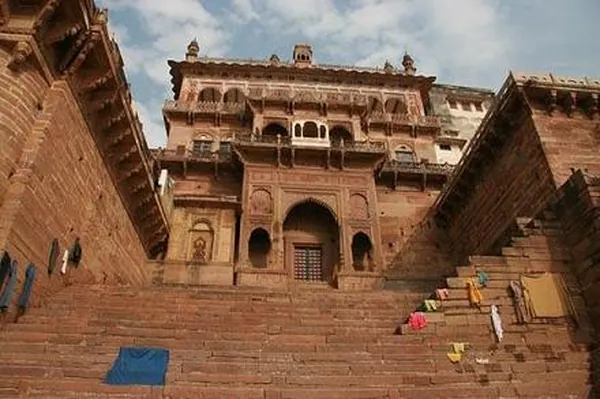
An imposing red sandstone fortress built in 1750 on the eastern bank of the Ganga by Kashi Naresh Raja Balwant Singh. Features an eclectic museum displaying royal vintage cars, antique weaponry, royal palanquins, and rare astronomical clocks.
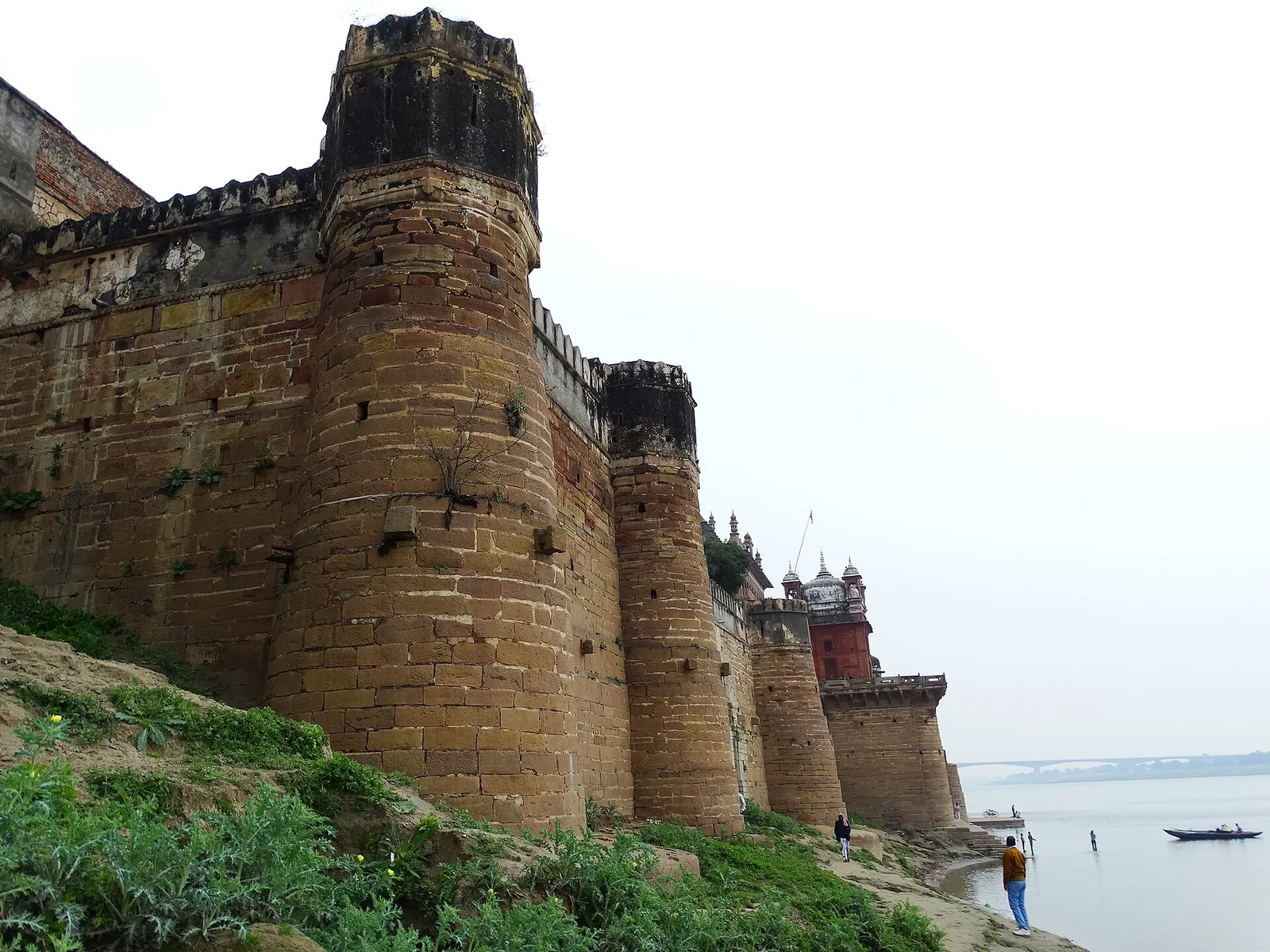 Ramnagar Fort — 18th Century Red Sandstone Royal Fort and Museum on the Banks of the Ganga
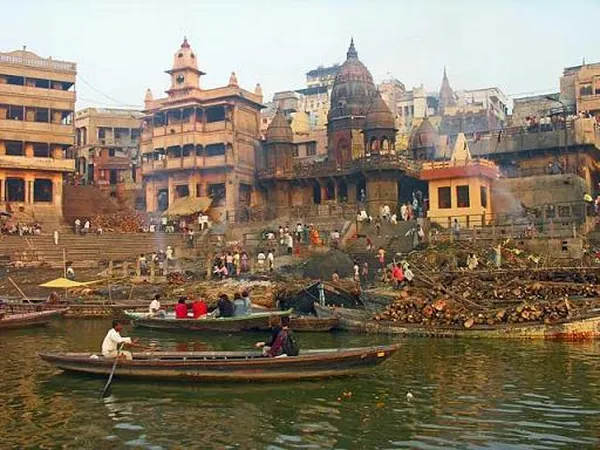
The primary and most sacred cremation ghat in Hinduism, where funeral pyres burn continuously 24 hours a day, believed to grant instant salvation (*Moksha*) to the departed soul.
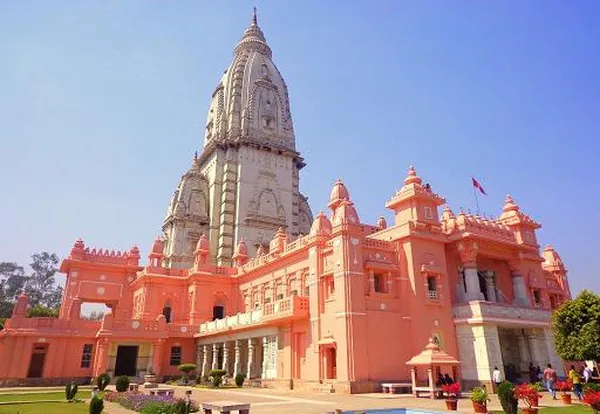
A premier 1,300 acre university campus founded in 1916 by Pandit Madan Mohan Malaviya, housing the marble New Vishwanath Temple with a 77 meter tall spire and the Bharat Kala Bhavan museum.
An ancient temple founded by saint poet Goswami Tulsidas on the banks of the Assi River, dedicated to Lord Hanuman who alleviates all sufferings.
A white marble temple built at the site where Goswami Tulsidas composed the epic Hindu scripture *Ramcharitmanas*, with all verses carved into its interior walls.
Duration: 5 Nights / 6 Days
 Best Flights
 Best Prices
 Unique Holidays