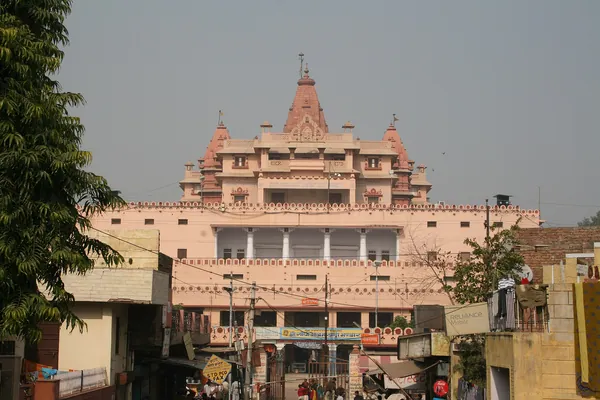
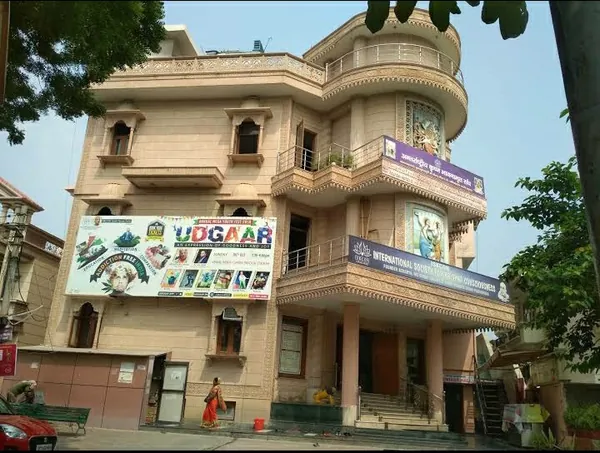
Tulsipur — Travel Guide
Truth is, Tulsipur is one of the most sacred pilgrimage centers in eastern Uttar Pradesh. Resting in the fertile Terai plains of Balrampur district along the forested border with Nepal, it sits right at the base of the lower Himalayan foothills. The fresh mountain air is invigorating.
Expansive paddy fields, tall Sal forests, and meandering Himalayan streams define this peaceful countryside. Tulsipur is world famous as the home of Maa Pateshwari Devi Patan Temple, one of the 51 celebrated Shakti Peethas in Hindu tradition. It's a wonderful stop if you appreciate ancient temple rituals, Nath sect traditions, and tranquil wildlife reserves.
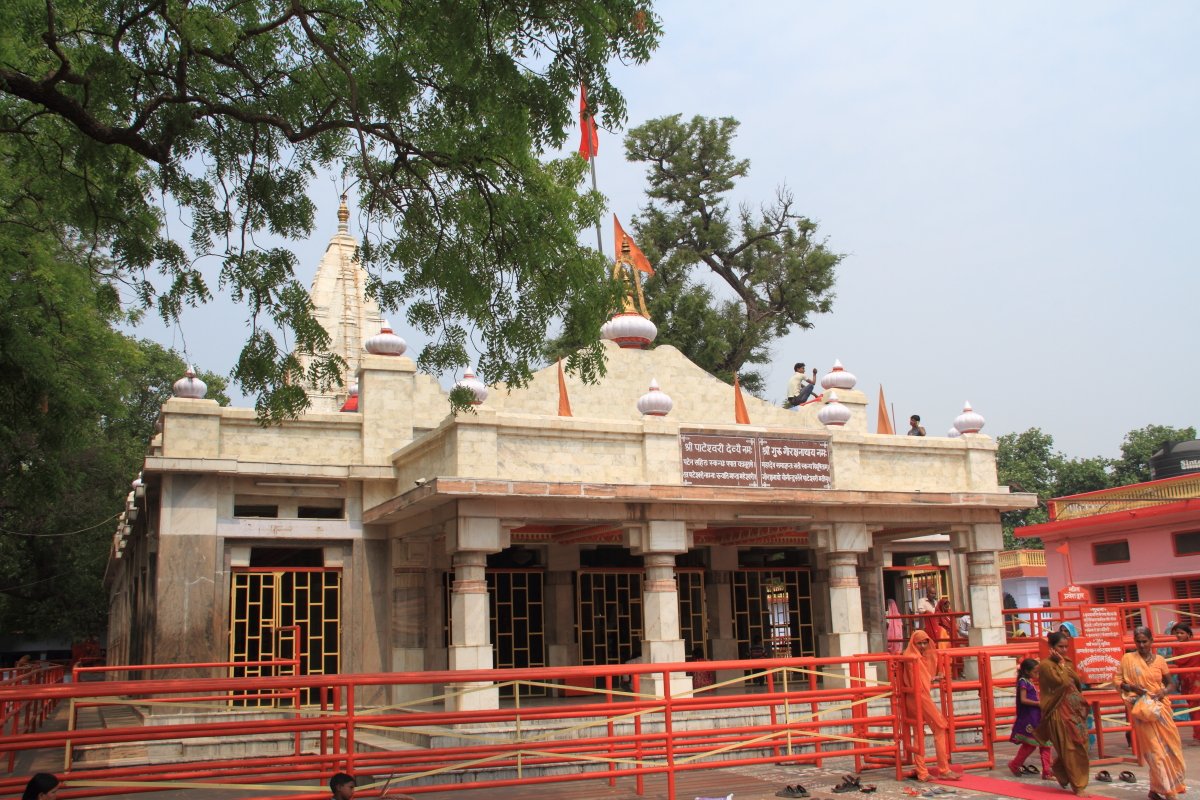
Look, the town holds immense historical prominence associated with Guru Gorakhnath and King Suheldeo. From the sacred waters of Surya Kund to the perpetual Akhand Dhuni flame, spiritual traditions have thrived here unbroken for over a thousand years.
Thing is, the local atmosphere is remarkably peaceful and rooted in genuine devotion. You can wander through colorful temple market lanes, sample freshly fried khasta kachoris with aloo sabzi, and enjoy warm Awadhi hospitality.
Mind you, neighboring travel destinations like Gonda, Barabanki, and Kannauj showcase the deep cultural roots of Uttar Pradesh. Adding Tulsipur to your Awadh and Buddhist circuit journey is worth every rupee for pilgrims and culture enthusiasts.
Whether you're offering prayers under the ancient wish fulfilling tamarind tree or exploring the dense Sal jungles of Suhelwa Sanctuary, Tulsipur leaves a lasting impression. It's a true spiritual jewel of the northern plains.
Planning your trip around cool weather and colorful religious fairs will make your visit to Uttar Pradesh memorable. Here is the seasonal and cultural breakdown:
Best Time to Visit by Season
• Winter Season (October to March): The ideal travel window. Daytime temperatures stay between 11°C and 25°C with cool breezes, perfect for temple darshans and wildlife safaris.
• Monsoon Season (July to September): Heavy rains refresh the Terai plains and turn the Sal forests lush green, though wildlife sanctuaries remain closed.
• Summer Season (April to June): Days get warm with highs around 39°C. Early morning temple visits and evening riverside strolls are recommended.
Major Annual Cultural & Religious Festivals
• Chaitra & Sharad Navratri Mela at Devi Patan: The biggest celebration of the year drawing over a million pilgrims from India and Nepal for a month long traditional fair.
• Guru Gorakhnath Jayanti: Celebrated by Nath sect sadhus with traditional bhajans, Akhand Dhuni rituals, and communal feasts.
• Maha Shivratri at Prithvinath: Grand night long prayers and abhishekams dedicated to Lord Shiva.
• Kartik Purnima Snan: Thousands of devotees take holy dips in Surya Kund and the holy Rapti River.
What Tulsipur is Famous For
• Maa Pateshwari Shakti Peetha: Celebrated across India and Nepal as a sacred seat of the Mother Goddess.
• Suhelwa Tiger Reserve: Home to Royal Bengal tigers in the Himalayan foothills.
• Indo Nepal Cultural Gateway: Prominent historical trade and transit point connecting India with Nepal.
Reaching Tulsipur in Uttar Pradesh is easy thanks to National Highway 730 and the broad gauge North Eastern Railway network. Here is your transit guide:
By Air
• Maharishi Valmiki International Airport (AYJ), Ayodhya: The nearest major airport, located 125 km south (approx 2.5 hours drive via Gonda and Balrampur).
• Chaudhary Charan Singh International Airport (LKO), Lucknow: Located 185 km southwest with flights to all major Indian and international hubs.
• Airport Transfers: Private rental cabs, app based taxis, and express state transport buses connect Ayodhya and Lucknow airports directly to Tulsipur.
By Train
• Town Railway Station: Tulsipur Railway Station (Station Code: TLP) sits directly on the Gonda to Gorakhpur loop line.
• Major Junctions: Gonda Junction (Code: GD) is 72 km away and Gorakhpur Junction (Code: GKP) is 150 km east, offering express trains nationwide.
• Direct Trains: Daily express trains like the Gwalior Barauni Mail and Champaran Humsafar Express connect Tulsipur to Delhi, Lucknow, Kanpur, and Patna.
By Road
• National Highway 730: Four lane National Highway NH 730 passes through Tulsipur, connecting it to Bahraich, Balrampur, Siddharthnagar, and Gorakhpur.
• State Corridors: State highways link Tulsipur smoothly to Gonda, Ayodhya, and the Nepal border at Koilabas.
• Bus Services: Uttar Pradesh State Road Transport (UPSRTC) operates regular ordinary and Janrath AC buses from Lucknow Kaiserbagh, Ayodhya, and Gorakhpur every 20 minutes.
Local Commuting
• Auto Rickshaws: Shared and private auto rickshaws are readily available at Tulsipur railway station and temple chowk.
• Rental Jeeps & Cabs: Local taxis are ideal for day trips to Suhelwa Wildlife Sanctuary and the Nepal border.
Exploring lively temple bazaars and tasting wholesome Awadhi and Terai cuisine is a delightful part of traveling in Uttar Pradesh. Here are the top items to buy and try:
What to Buy (Prasad & Regional Goods)
• Devi Patan Prasad & Peda: Pure milk mawa pedas, dry fruit laddoos, and consecrated chunaris from temple stalls.
• Pure Forest Honey: Organic wild honey sustainably collected by local tribes from Suhelwa Sal forests.
• Himalayan Herbal Remedies: Traditional Ayurvedic herbs and oils brought by merchants from neighboring Nepal.
• Handwoven Woolen Shawls: Soft Nepali woolen shawls, caps, and jackets sold at border bazaar shops.
• Kalanamak Scented Rice: The famous aromatic black husk Buddha rice cultivated in the fertile Terai plains.
Famous Local Food Specialties
• Khasta Kachori with Spicy Aloo: Crispy deep fried flaky pastry stuffed with spiced urad dal, served with tangy potato gravy.
• Awadhi Poori & Sabzi: Hot puffed wheat pooris served with pumpkin sweet sour curry and spicy chana masala.
• Makhan Malai (Winter Delicacy): Fluffy, cloud like whipped milk froth infused with saffron, cardamom, and chopped pistachios.
• Kele Ka Kofta: Tender raw banana dumplings cooked in rich onion and tomato Awadhi gravy.
• Gulab Jamun & Jalebi: Piping hot spiral sweets soaked in cardamom syrup alongside soft melt in mouth mawa gulab jamuns.
Must-Visit Places in Tulsipur
Tulsipur and the surrounding Balrampur region offer a wonderful mix of Shakti Peetha shrines, Terai wildlife reserves, Buddhist ruins, and Himalayan border towns. Here are the top attractions you'll want to explore during your stay.
1. Maa Pateshwari Devi Patan Temple
One of the 51 Shakti Peethas where the right shoulder of Goddess Sati fell. Features the sacred Surya Kund, the Akhand Dhuni flame, and Guru Gorakhnath's meditation seat.
Visiting Hours: 4:00 AM to 3:30 PM, 6:30 PM to 10:00 PM
Entry Fee: Free darshan
Route Note: Located 2 km north of Tulsipur railway station.
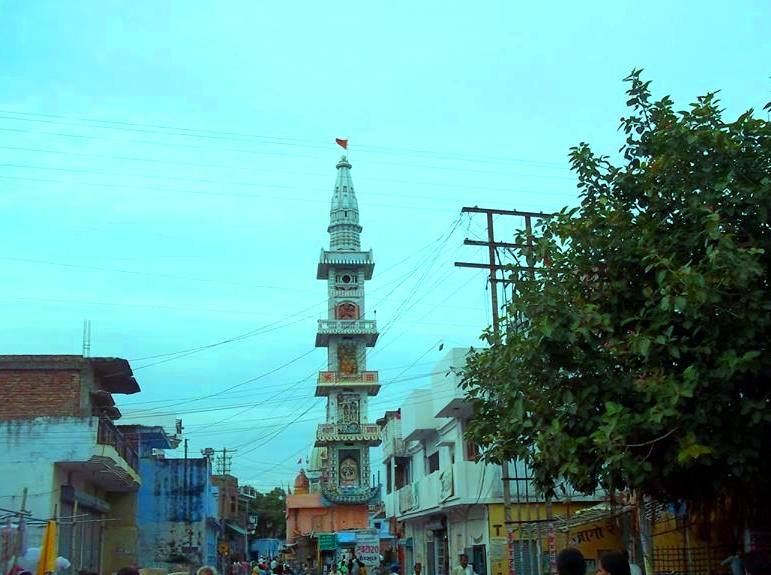
2. Hanuman Garhi Temple (Tulsipur)
A prominent temple dedicated to Lord Hanuman, situated on an elevated mound near the town center. Devotees gather for evening aarti and devotional chanting.
Visiting Hours: 5:00 AM to 9:00 PM daily
Entry Fee: Free entry
Route Note: Located within walking distance of the central market.
3. Suhelwa Wildlife Sanctuary
Spanning 452 square kilometers along the Indo Nepal border, this dense Terai reserve protects Royal Bengal tigers, leopards, sloth bears, and migratory birds.
Visiting Hours: 6:00 AM to 5:00 PM (Closed during monsoon)
Entry Fee: 100 rupees for Indians; safari vehicle extra
Route Note: Sanctuary entrance located 18 km north of Tulsipur.
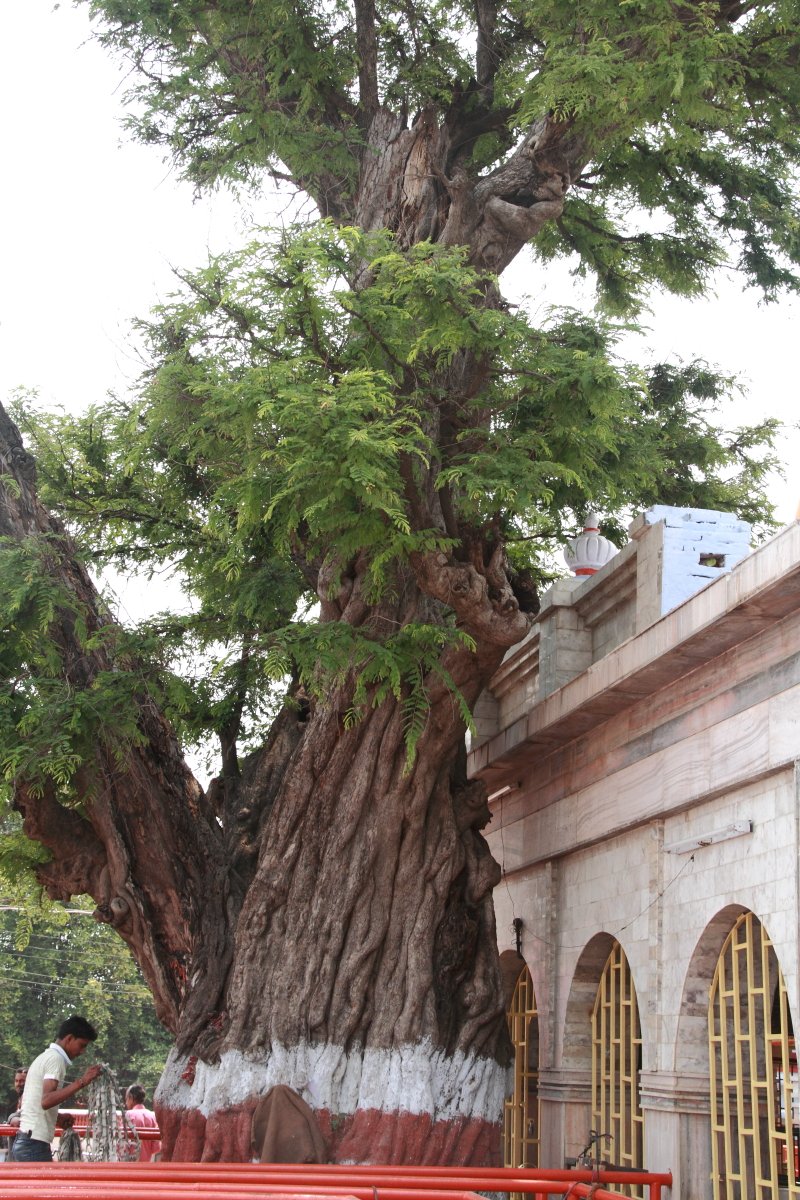
4. Ancient Wish Fulfilling Imli Tree (Devi Patan)
A centuries old tamarind tree standing in the temple courtyard. Pilgrims tie sacred red threads around its massive trunk to make vows and pray for family well being.
Visiting Hours: 5:00 AM to 9:00 PM
Entry Fee: Free entry
Route Note: Inside the Devi Patan Temple complex.
5. Surya Kund Holy Water Tank
A sacred stepwell water reservoir built by warrior hero Karna from the Mahabharata. Taking a holy dip here before temple darshan is considered auspicious.
Visiting Hours: 4:30 AM to 7:30 PM
Entry Fee: Free access
Route Note: Adjacent to the northern gate of Devi Patan temple.
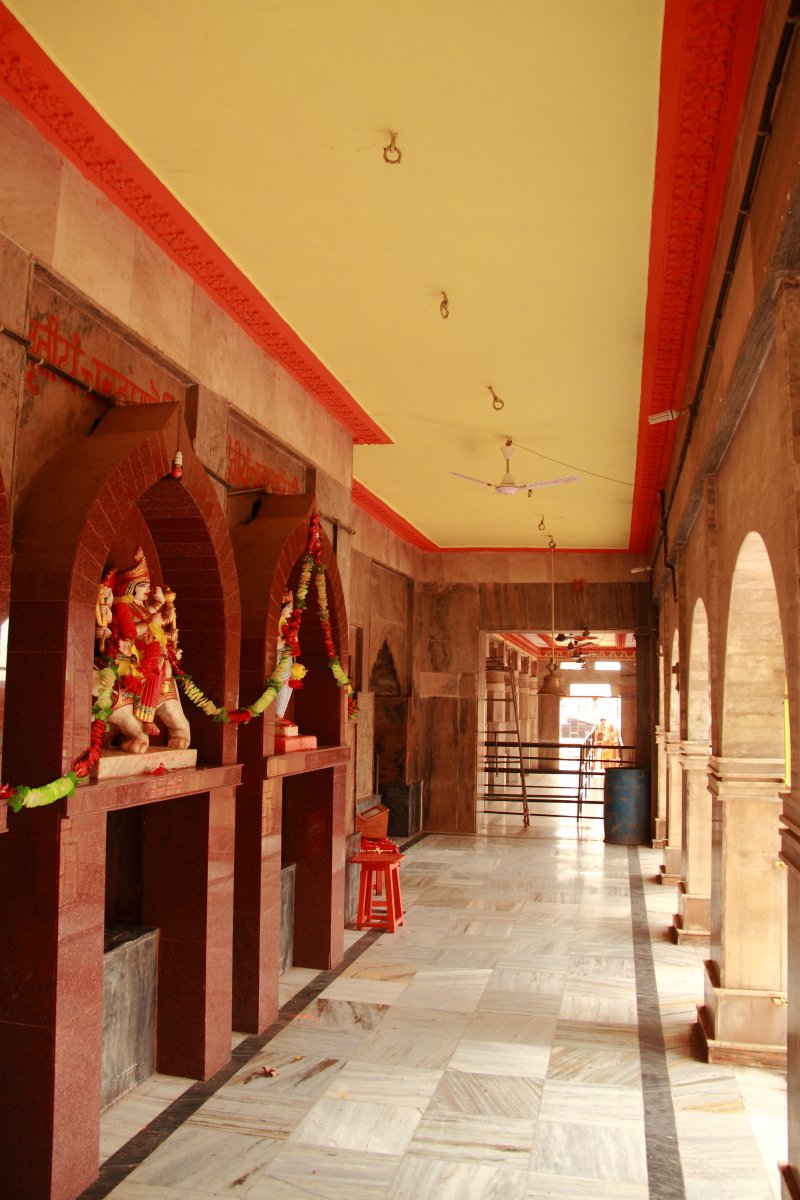
6. Koilabas Indo Nepal Foothill Border
A scenic border crossing into the Dang district of Nepal. Surrounded by forested Himalayan foothills, it's popular for cross border cultural walks and street shopping.
Visiting Hours: 7:00 AM to 6:00 PM
Entry Fee: Free border transit with valid Indian ID
Route Note: Located 24 km north on the border road.
7. Bijlipur Bijleshwari Devi Temple
A 19th century temple built by the Maharaja of Balrampur, known for its red sandstone arches and grand Navratri fairs.
Visiting Hours: 6:00 AM to 12:00 PM, 4:30 PM to 8:30 PM
Entry Fee: Free entry
Route Note: Located 22 km south near Balrampur city.
8. Balrampur City Palace & Raj Niwas
The historic royal palace complex of the Balrampur estate, featuring Indo Saracenic royal gates, landscaped courtyards, and clock towers.
Visiting Hours: 9:00 AM to 5:00 PM
Entry Fee: Free access from exterior; museum nominal fee
Route Note: Situated 26 km south in Balrampur town.
9. Sri Prithvinath Mahadev Temple
An ancient temple featuring one of Asia's tallest stone Shiva Lingams, discovered according to legend by the Pandava prince Bhima.
Visiting Hours: 5:00 AM to 8:00 PM
Entry Fee: Free darshan
Route Note: Located 38 km southwest near Gonda border.
10. Orajhar Buddhist Stupa & Monastic Mound
An excavated ancient Buddhist monastic site featuring brick stupa platforms dating back to the Kushan and Gupta empires.
Visiting Hours: Sunrise to sunset
Entry Fee: Free access
Route Note: Situated 42 km west on the Shravasti highway.
11. Rapti River Delta Ghats
The holy Rapti River flows past the district, nourishing green agricultural plains. Riverside walks at sunrise offer peaceful views over traditional wooden boats.
Visiting Hours: Daylight hours
Entry Fee: Free access
Route Note: Located 15 km south on the river road.
12. Tulsipur Navratri Mela Grounds
The expansive grounds surrounding Devi Patan temple where a massive month long cultural and commercial fair is held during Chaitra Navratri.
Visiting Hours: All day during fair seasons
Entry Fee: Free entry
Route Note: Surrounds the Devi Patan complex.
Tulsipur Photo Gallery & Attractions
Explore high-resolution photographs of iconic temples, historical monuments, and scenic landmarks in Tulsipur.
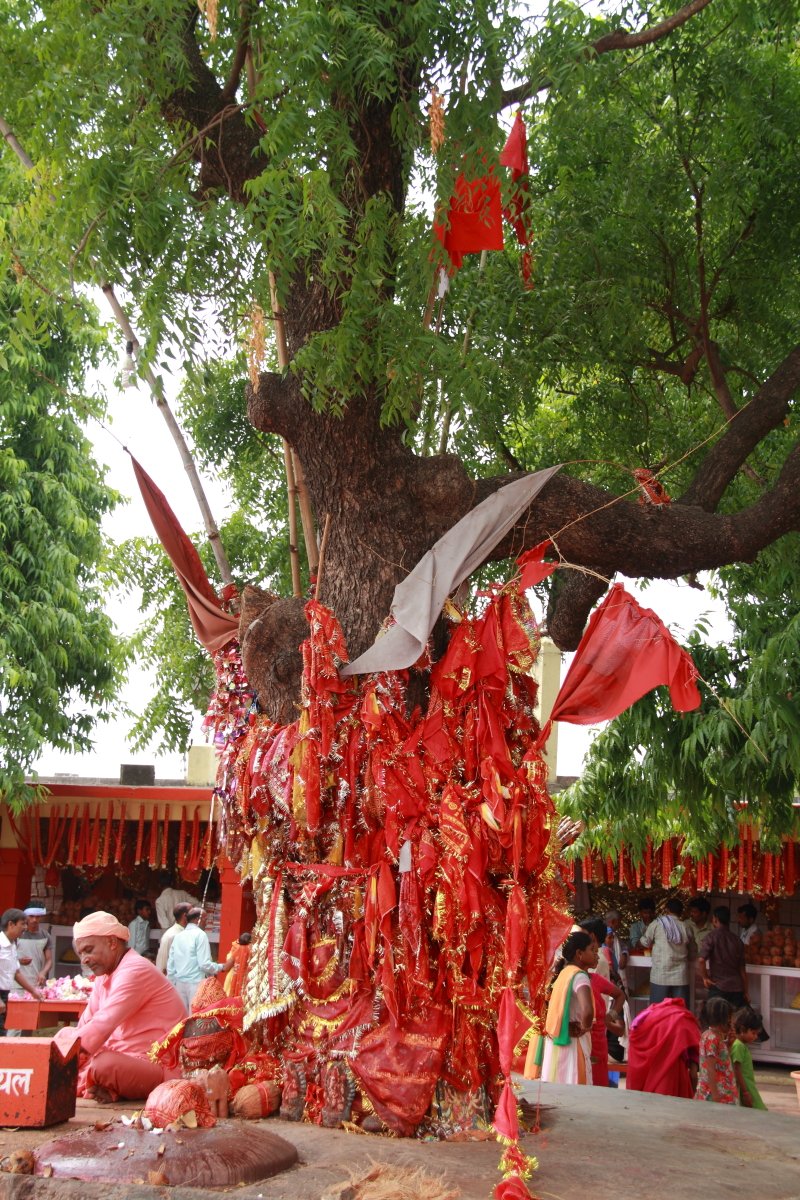
Plan Your Tulsipur Trip Now
Get the best verified hotel deals and customized tour packages. Book directly on EarthTrip and save up to 45%!