- .
- info@earthtrip.in
-
INR
-
USD
INR
USD
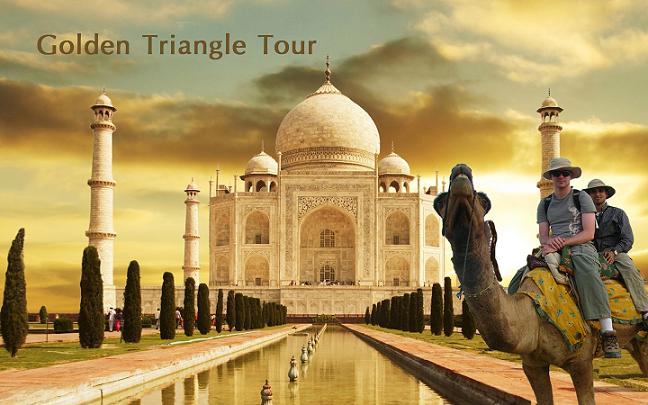
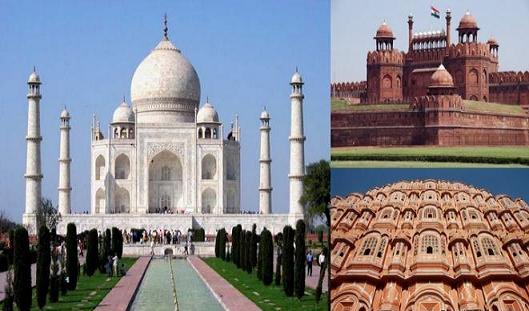
if you are planning to visit India for the first time, there is no better option than the Golden Triangle Tour - Covering Delhi, Agra and Jaipur. Golden Triangle Tour is the most popular tourist circuit in India. This incredible Golden Triangle Tour Itinerary comprising the three famous cities of India-Delhi, Agra and Jaipur having grandeur, glory & history. Delhi, The political capital of India, Delhi, makes up one of the cornerstones of the golden triangle in the country's north. Finding its genesis in the great Indian epic the Mahabharata, as Indraprastha, Capital of the Pandava princes, today the city has transformed itself into a new incarnation.
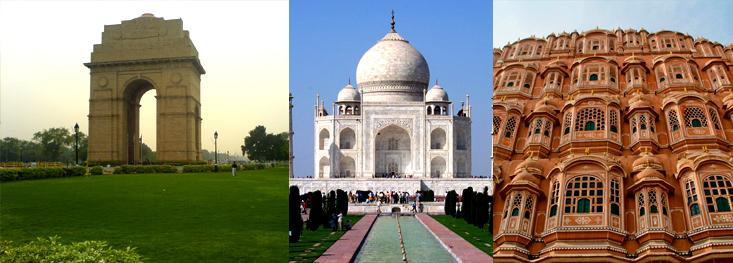
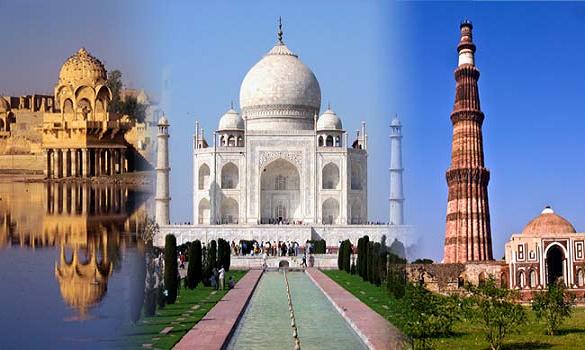
Reflecting the many colors and flavors of India's eclectic composition, contemporary Delhi is one where you will be inspired, amazed, fascinated and impressed at every corner. The India Gate, Red Fort, Jam Masjid, Chandni Chowk, Kutub Minar, Jantar-Mantar, Laxmi Narayan Temple, Akshardham Temple, Bahai Temple and many more are worth seeing in Delhi. The city is the perfect mix of the old and the new. From the colonial pillars of Connaught Place to the lanes of Chandni Chowk and the malls of South Extension, you will find discover a whole range of experiences here. Delhi is also a paradise for shopping, eating and sight-seeing. Agra is a medieval city on the banks of Yamuna River was founded by Sultan Sikandar Lodi in 1956. It achieved fame as the capital of the Mughal emperors from 1526 to 1658 and remains a major tourist destination because of its many splendid Mughal-era buildings, most notably the Thj Mahal, Agra Fort and Fatehpur Sikri.
Day 01: Delhi Railway Station / Airport – Hotel + Half day Sightseeing
Meet & Greet on arrival at Delhi Railway Station / Airport & transfer to Hotel. On arrival check-in to hotel. In afternoon visit Rajghat, Jantar Mantar, Parliament House*, Rashtrapati Bhawan*, & India Gate. Overnight stay at Delhi.
Day 02: Delhi – Agra Sightseeing (216 Km / 3 ½ hrs)
After Breakfast drive to another historical and romantic city - Agra. Enroute visit Sikandara - the mausoleum of Emperor Akbar. On arrival check-in to your hotel. Afternoon visit The world famous Taj Mahal - the most precious gift of love built by Emperor Shah Jahan for his loving wife Mumtaz and Also visit the Marble inlay making factories to see traditional workers making amazing marble crafts. Overnight stay at Agra.
Day 03: Agra – Jaipur via Fatehpur Sikri (245 Km / 4 hrs)
After breakfast visit Agra Fort & proceed to the Pink City of Jaipur. Enroute visit Fatehpur Sikri - once the capital of Mughal Emperor Akbar. Also visit the Buland Darwaza, the largest gateway in the world. On arrival at Jaipur, check into your hotel. Overnight stay at Jaipur.
Day 04: Jaipur Local Sightseeing
After breakfast start for full day local sightseeing in Jaipur. Visit Amber Fort & Palace, "Gaitore" Cenetophs (Front View), take a photo stop at Jal Mahal, City Palace & Museum, Jantar Mantar (Observatory) & take a photo stop at Hawa Mahal. Evening free for leisure. Overnight stay at Jaipur.
Day 05: Hotel – Jaipur Railway Station / Airport
After breakfast check out from hotel and transfer to Jaipur Railway Station / Airport for your onward journey.
Payments policy
Tour Cancilation policy
By Air:
The city is served by Jaipur International Airport (Airport Code: JAI), situated in Sanganer just 12 km south of the city center. Jaipur Airport offers daily non stop flights connecting New Delhi, Mumbai, Bengaluru, Chennai, Hyderabad, Kolkata, Pune, Ahmedabad, and Goa. Direct international flights operate regularly to Dubai, Sharjah, Abu Dhabi, and Muscat. Prepaid airport taxis, app cabs, and luxury car rentals operate around the clock from the arrival terminal.
By Train:
Jaipur Junction Railway Station (Station Code: JP) is the headquarters of the North Western Railway zone, connected by premier superfast and express trains:
By Road:
Jaipur is connected via modern expressways and national highways:
Jaipur features an extraordinary array of UNESCO hill forts, royal palaces, open air observatories, and lake pavilions:
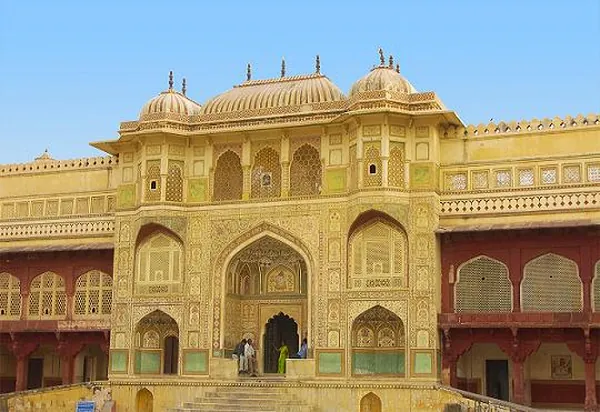
Perched high on a rocky hill in Amer town 11 km north of Jaipur, Amber Fort is a 16th century Rajput marvel built by Raja Man Singh I. Inside, travelers discover the world famous Sheesh Mahal (Mirror Palace), where walls and ceilings are covered with convex Belgian glass mirrors that reflect a single candle into thousands of sparkling stars.
 Amber Fort — 16th-Century Hilltop Sandstone Citadel and UNESCO World Heritage Monument
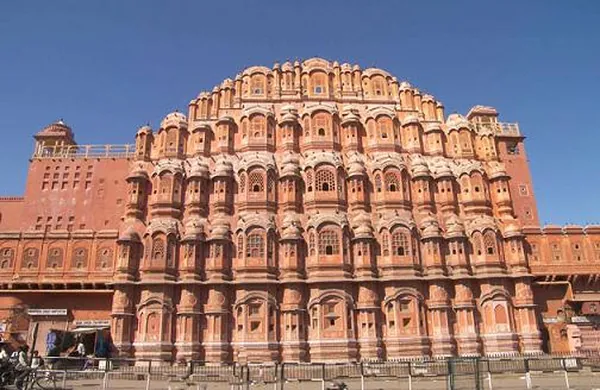
Built in 1799 by Maharaja Sawai Pratap Singh and designed by Lal Chand Ustad, Hawa Mahal (Palace of Winds) resembles the crown of Lord Krishna. Its five story pink sandstone facade features 953 intricately carved stone latticework windows (*jharokhas*) that allowed royal women to observe street festivals below without being seen.
 Hawa Mahal — Five-Story Terracotta Palace of Winds with 953 Intricate Stone Windows
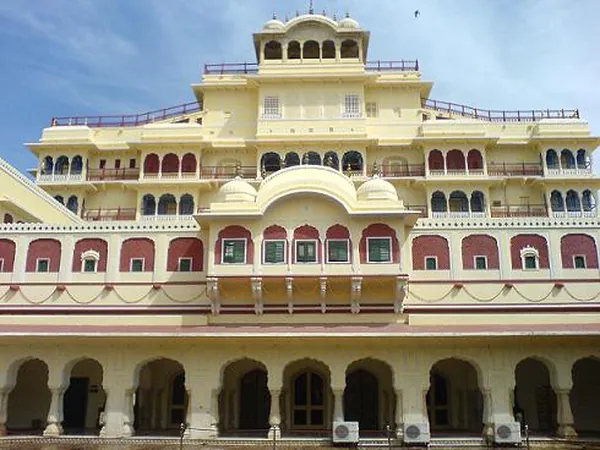
Located in the heart of the walled old city, the City Palace complex was established by Sawai Jai Singh II and remains the royal residence of the Jaipur royal family. The complex houses the seven story *Chandra Mahal*, the *Mubarak Mahal* textile museum, the *Diwan-i-Khas* with its Guinness record giant silver water urns (*Gangajalis*), and the stunning peacock painted *Pritam Niwas Chowk* courtyards.
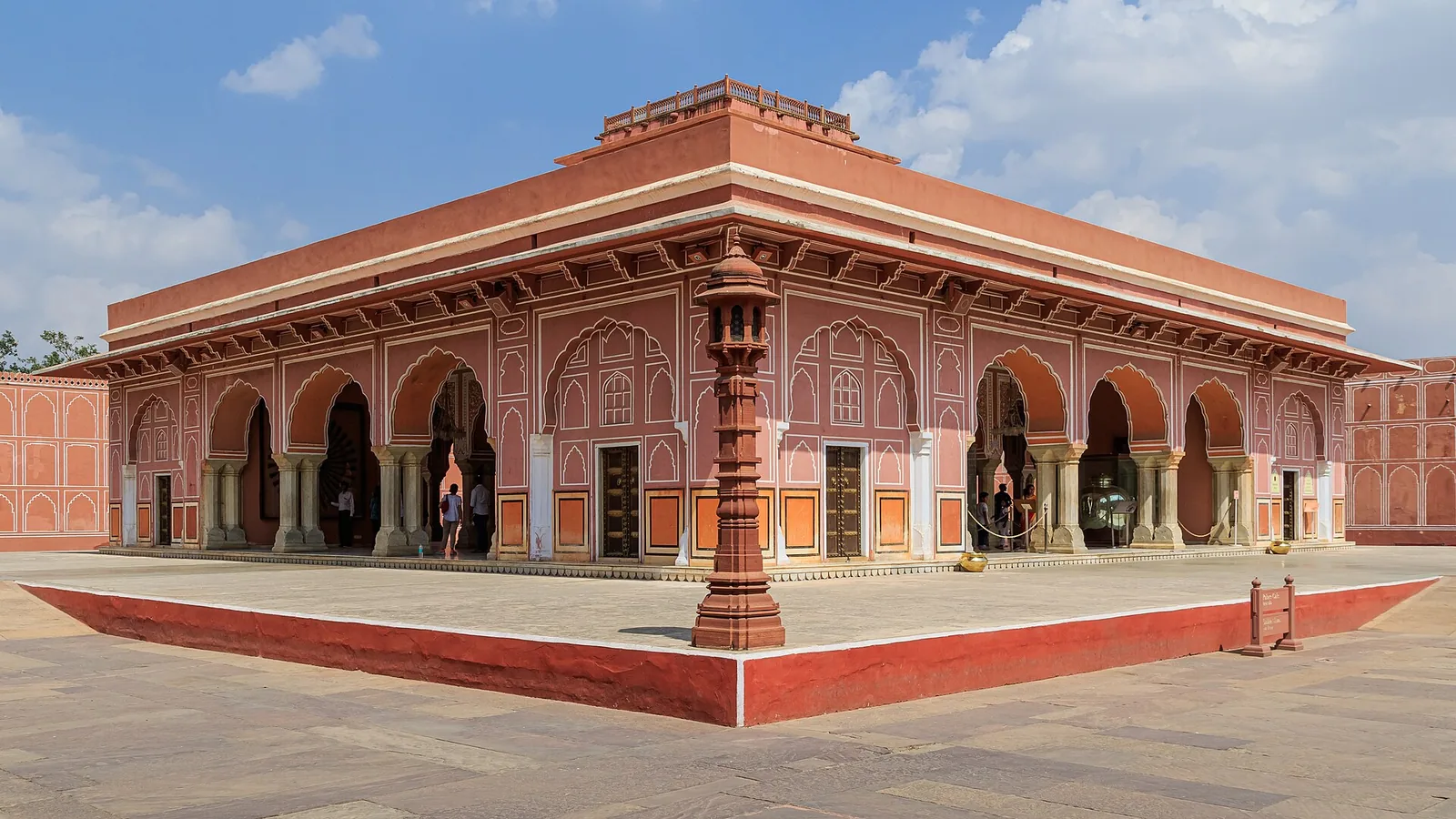 City Palace — Grand Royal Palace Complex and Living Royal Heritage Museum in Jaipur
Completed in 1734 by Maharaja Sawai Jai Singh II, Jantar Mantar is an open air astronomical observatory and a UNESCO World Heritage Site. It features 19 monumental stone and brass architectural astronomical instruments, including the world's largest stone sundial — the 27 meter high *Vrihat Samrat Yantra* — accurate to within two seconds.
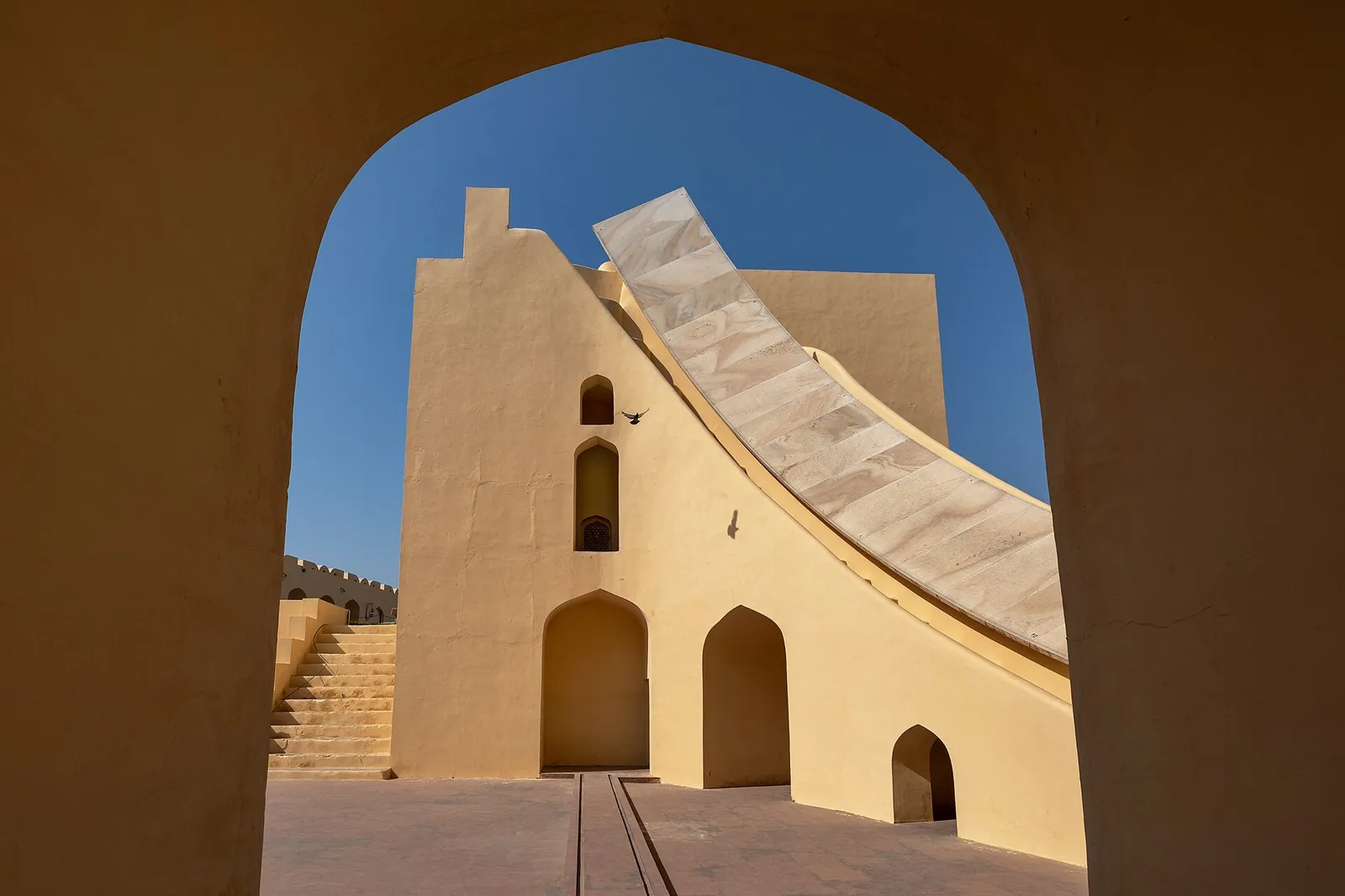 Jantar Mantar — 18th-Century UNESCO Stone Astronomical Observatory in Jaipur
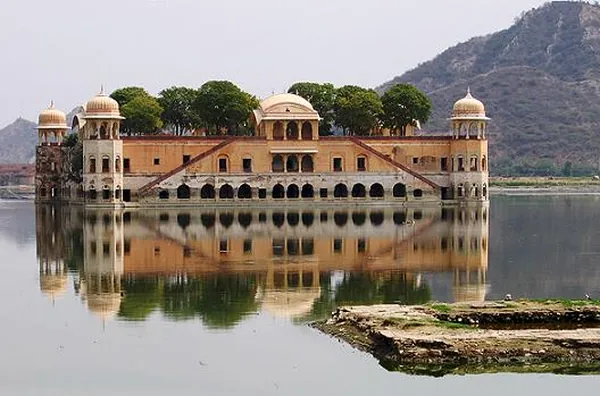
Appearing to float magically in the middle of Man Sagar Lake against the backdrop of the Nahargarh hills, Jal Mahal is an 18th century pleasure palace built in pink sandstone. While four of its five stories remain submerged underwater, the palace presents a stunning visual spectacle, especially when illuminated at night.
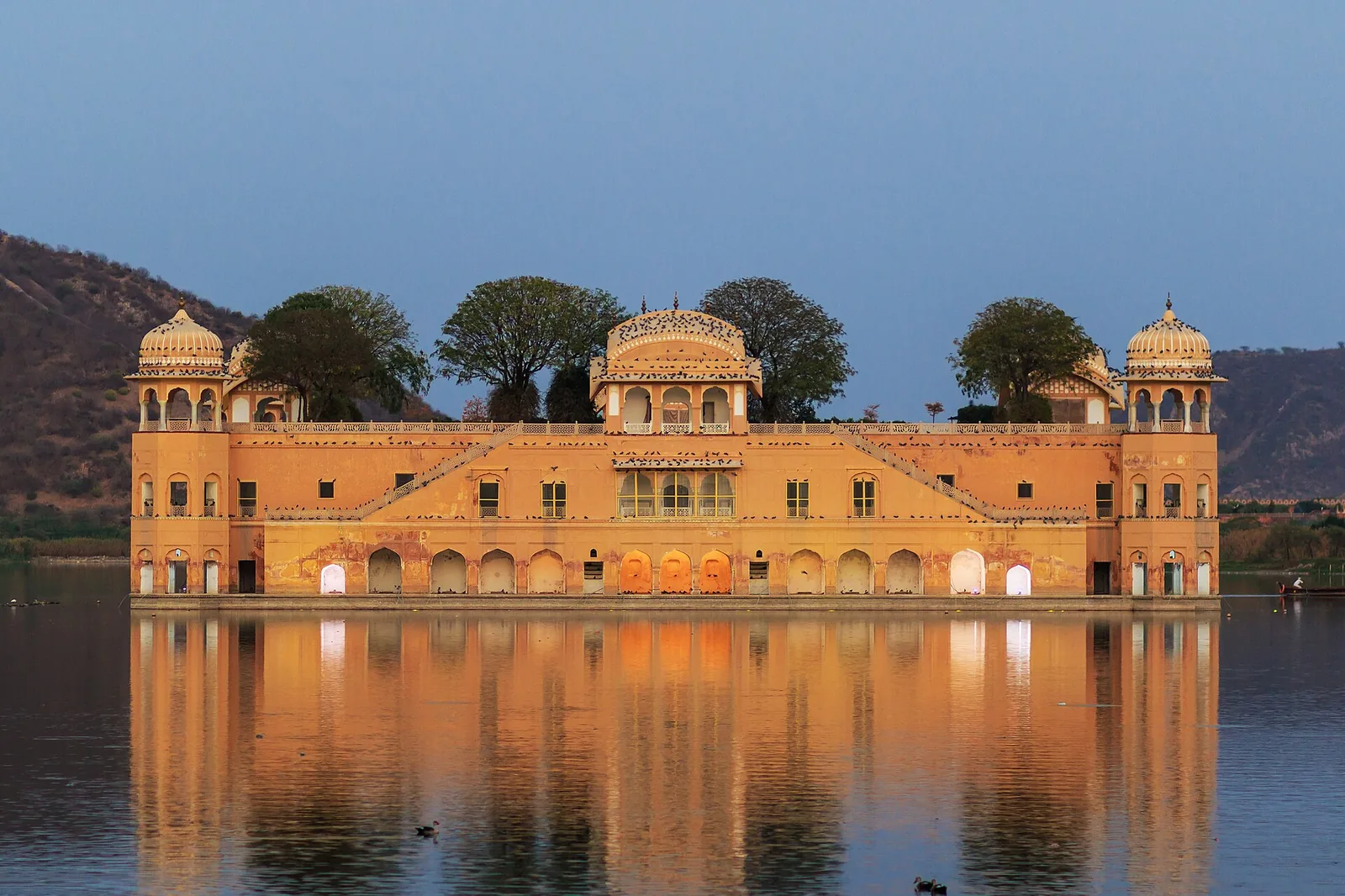 Jal Mahal — 18th-Century Pink Sandstone Water Palace on Man Sagar Lake
Standing on the edge of the Aravalli ridge, Nahargarh Fort (*Abode of Tigers*) was built in 1734 to fortify Jaipur. The fort features the elegant *Madhavendra Bhawan* with identical suites for nine royal queens, offering unmatched panoramic sunset views over the entire pink city.
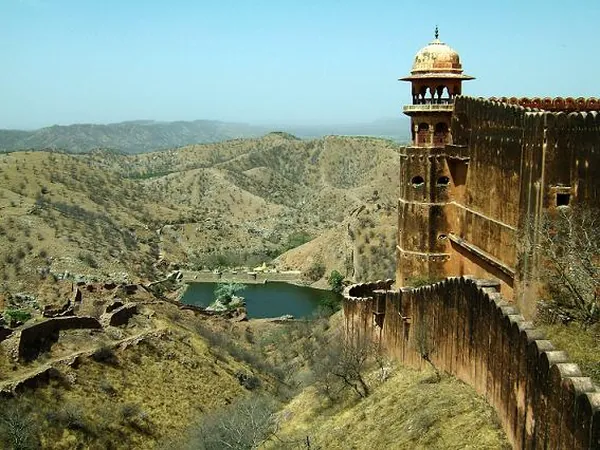
Built in 1726 by Sawai Jai Singh II to protect Amber Fort, Jaigarh Fort is connected to Amer by underground subterranean passageways. It houses the legendary *Jaivana Cannon*, the world's largest cannon on wheels cast during the medieval era.
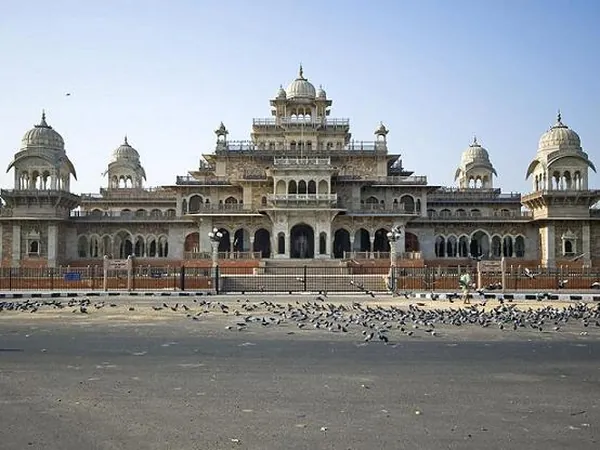
The oldest state museum in Rajasthan, the Albert Hall Museum is housed in an exquisite Indo Saracenic stone building opened in 1887. The museum displays rich collections of miniature paintings, Persian carpets, Egyptian mummies, metal sculptures, and traditional royal costumes.
Nestled in a narrow mountain pass 10 km east of Jaipur, Galta Ji is an ancient Hindu pilgrimage site featuring natural freshwater springs, carved pink pavilions, and sacred bathing kunds surrounded by hundreds of friendly rhesus macaques.
Duration: 4 Nights / 5 Days
 Best Flights
 Best Prices
 Unique Holidays