- .
- info@earthtrip.in
-
INR
-
USD
INR
USD
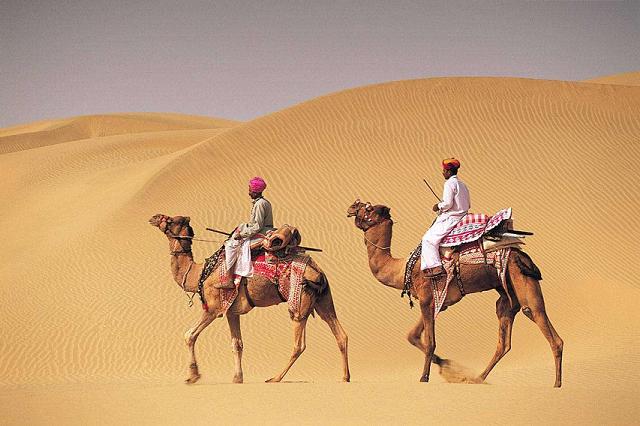
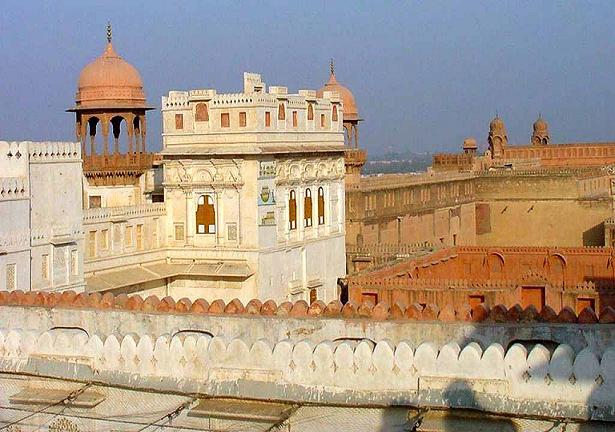
Lying in the north of the desert state, the city is dotted with scores of sand dunes. Bikaner retains the medieval grandeur that permeates the city's lifestyle. More readily called the camel country, the city is distinguished for the best riding camels in the world and hence boasts of having one of the largest Camel research and breeading farm in the world. The ship of the desert is an inseparable part of life here. A camel besides doing transportation duties, also works on wells.
These are built on high plinths with slender minarets on each of the four corners and can be noticed even from a distance. The history of Bikaner dates back to 1488 when a Rathore prince, Rao Bikaji founded his kingdom. Bikaji was one the five sons of Rao Jodhaji the illustrious founder of Jodhpur. But Rao Bikaji was the most adventurous of them. It is said that an insensitive remark from his father about his whispering in the Durbar provoked Bikaji to set up his own kingdom towards the north of Jodhpur.
Day 01: Jodhpur - Bikaner (260 kms)
Arrived at Jodhpur and transfer to Bikaner. On arrival meet & great by our representative and Check in at hotel. Bikaner is the second largest city of Rajasthan, Jodhpur was founded in 1459 by RaoJodha, a Rajput chief belonging to the Rathore clan. Jodhpur is also known as the "Sun City" for the bright, sunny weather it enjoys all year and the "Blue City" because most of its houses in the old city are painted indigo. Take a sightseeing tour and visit Lalgarh Palace in the evening. Overnight at hotel.
Day 02: Bikaner sightseeing
After breakfast, full day tour of this desert city. Bikaner is bolstered by imposing walls and has a 16th century fort housing old palaces, temples and a mosque. Founded by Raja Rai Singh, the fort is distinguished by its long range of 37 pavilions, a line of balconies and aerial windows of varying designs. An enormous arched doorway leads to the Joramal Temple. The royal chapel is Har Mandir where royal weddings and births were once celebrated and also junagarh Fort, Anup Mahal, Gaj Mandir, Sheesh Mahal, Deshnok Temple and Sadual Museum. Overnight at hotel.
Day 03: Bikaner Departure
After breakfast departure for your onward journey.
Payments policy
Tour Cancilation policy
By Air:
The city is served by Bikaner Domestic Airport (Nal Airport - Airport Code: BKB), located 13 km west of the city center. Nal Airport operates scheduled flights connecting New Delhi and Jaipur. Major alternate airport gateways include Jodhpur Airport (JDH - 250 km / 4.5 hours drive) and Jaipur International Airport (JAI - 330 km / 5.5 hours drive), which operate extensive domestic and international flight connections.
By Train:
Bikaner Junction Railway Station (Station Code: BKN) and Lalgarh Junction (Station Code: LGH) are major railway division headquarters in Rajasthan, connected by premier express trains:
By Road:
Bikaner is connected via modern national highways and the newly developed Amritsar-Jamnagar Economic Corridor (NH-754K), National Highway 11 (NH-11), and National Highway 62 (NH-62):
Bikaner offers a remarkable collection of unconquered desert forts, red sandstone merchant havelis, sacred shrines, and camel research sanctuaries:
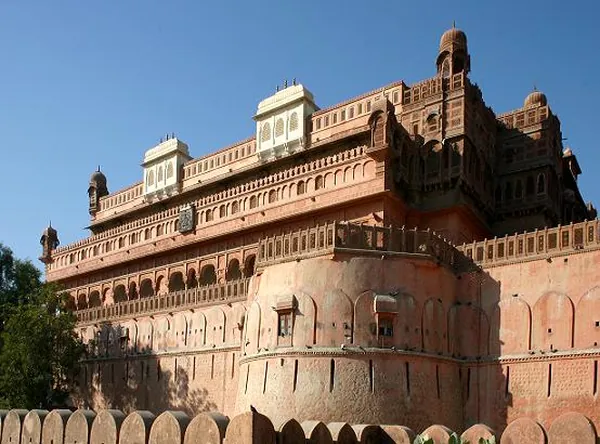
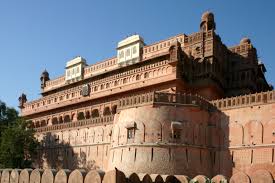
Commissioned in 1589 CE by Raja Rai Singh, Junagarh Fort is a formidable desert plain fortress constructed in red Dulmera sandstone and Italian marble. The fortress encloses opulent royal apartments including the gold embossed *Anup Mahal*, the mirrored *Chandra Mahal*, the cloud painted *Badal Mahal*, and the Prachina Heritage Museum displaying royal coronation robes and World War I biplanes.
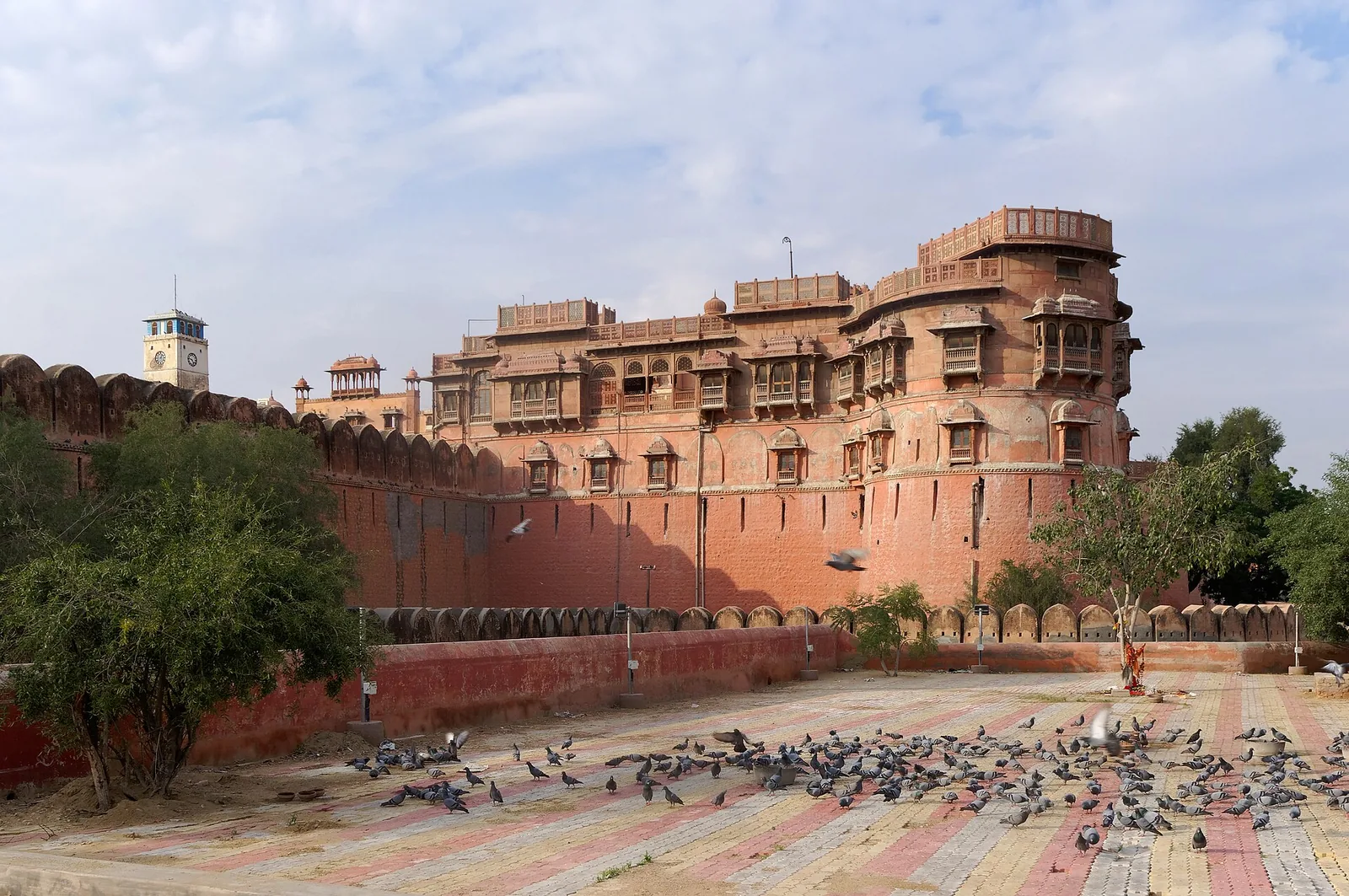 Junagarh Fort — 16th-Century Unconquered Red Sandstone Desert Citadel in Bikaner
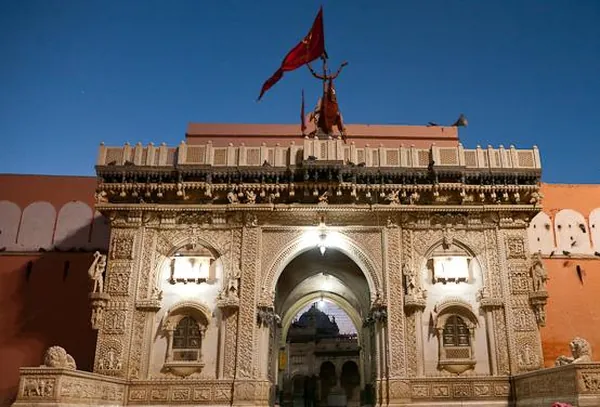
Located 30 km south of Bikaner in Deshnoke, the world famous Karni Mata Temple is dedicated to the 14th century female mystic and clan goddess Karni Mata. The temple is home to over 25,000 sacred black and rare white rats (*Kabas*), which roam freely across the marble floors and silver gateways, protected and fed with milk bowls by devotees who consider spotting a white rat an auspicious blessing.
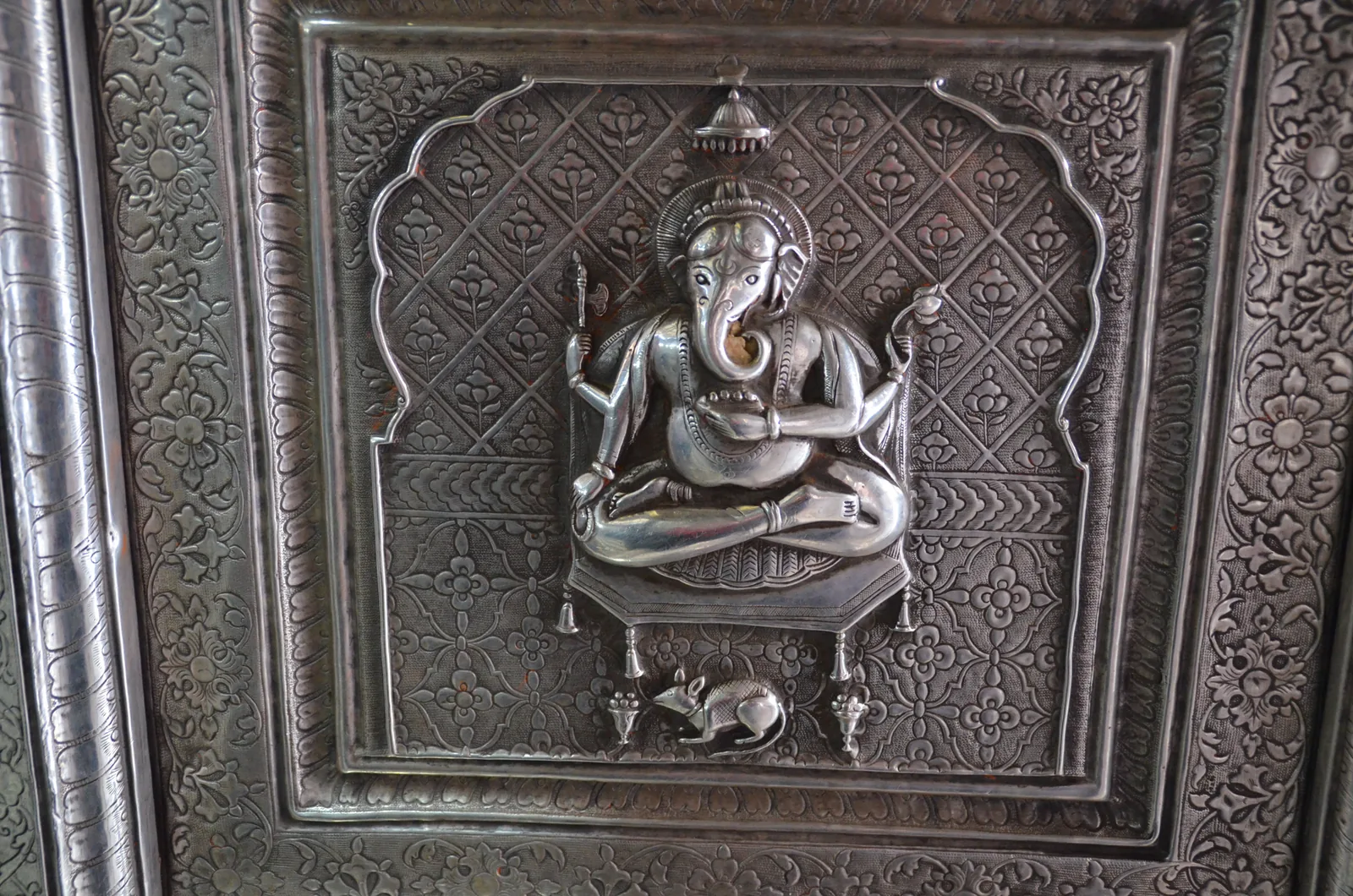 Karni Mata Temple — World-Famous 600-Year-Old Sacred Rat Shrine and Marble Temple at Deshnoke
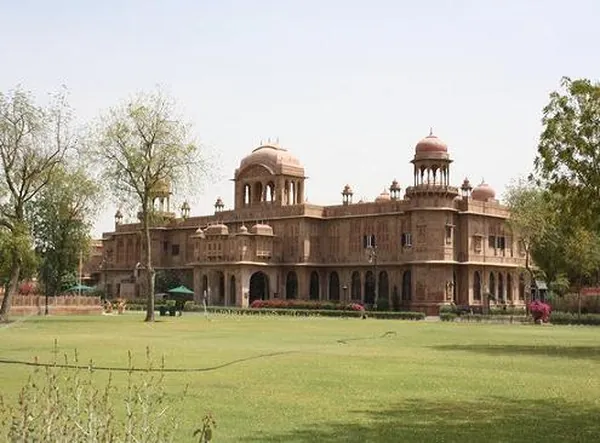
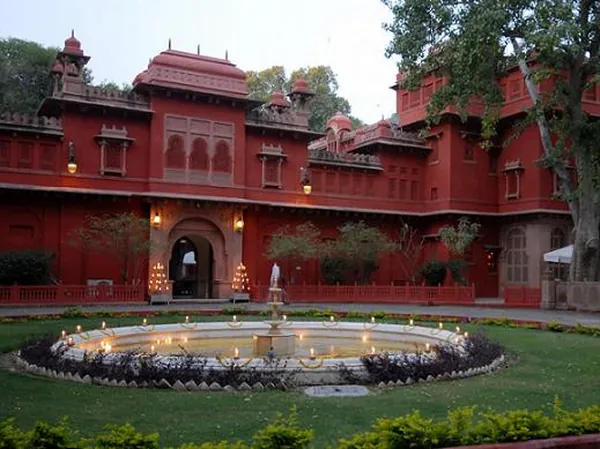
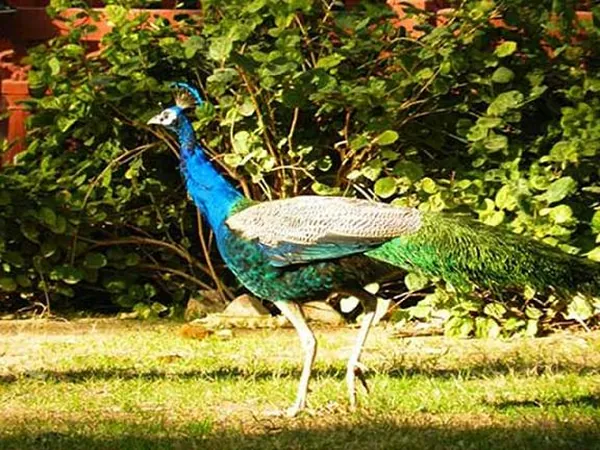
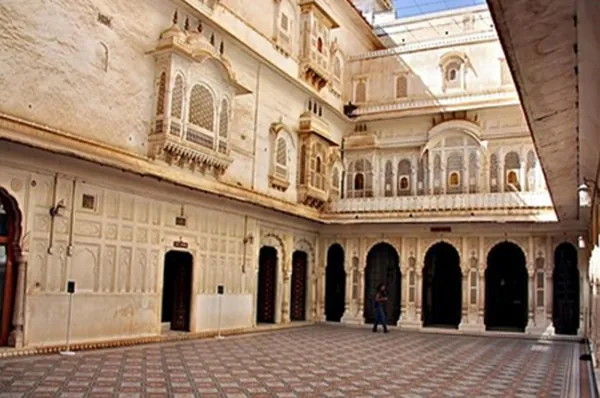
Commissioned in 1902 by Maharaja Ganga Singh in memory of his father Maharaja Lall Singh, Lalgarh Palace is an architectural marvel designed by British architect Sir Samuel Swinton Jacob. The estate features intricate filigree lattice stone jharokhas, terraced lawns with dancing peacocks, the royal *Sadul Museum*, and the world's fourth largest private palace library.
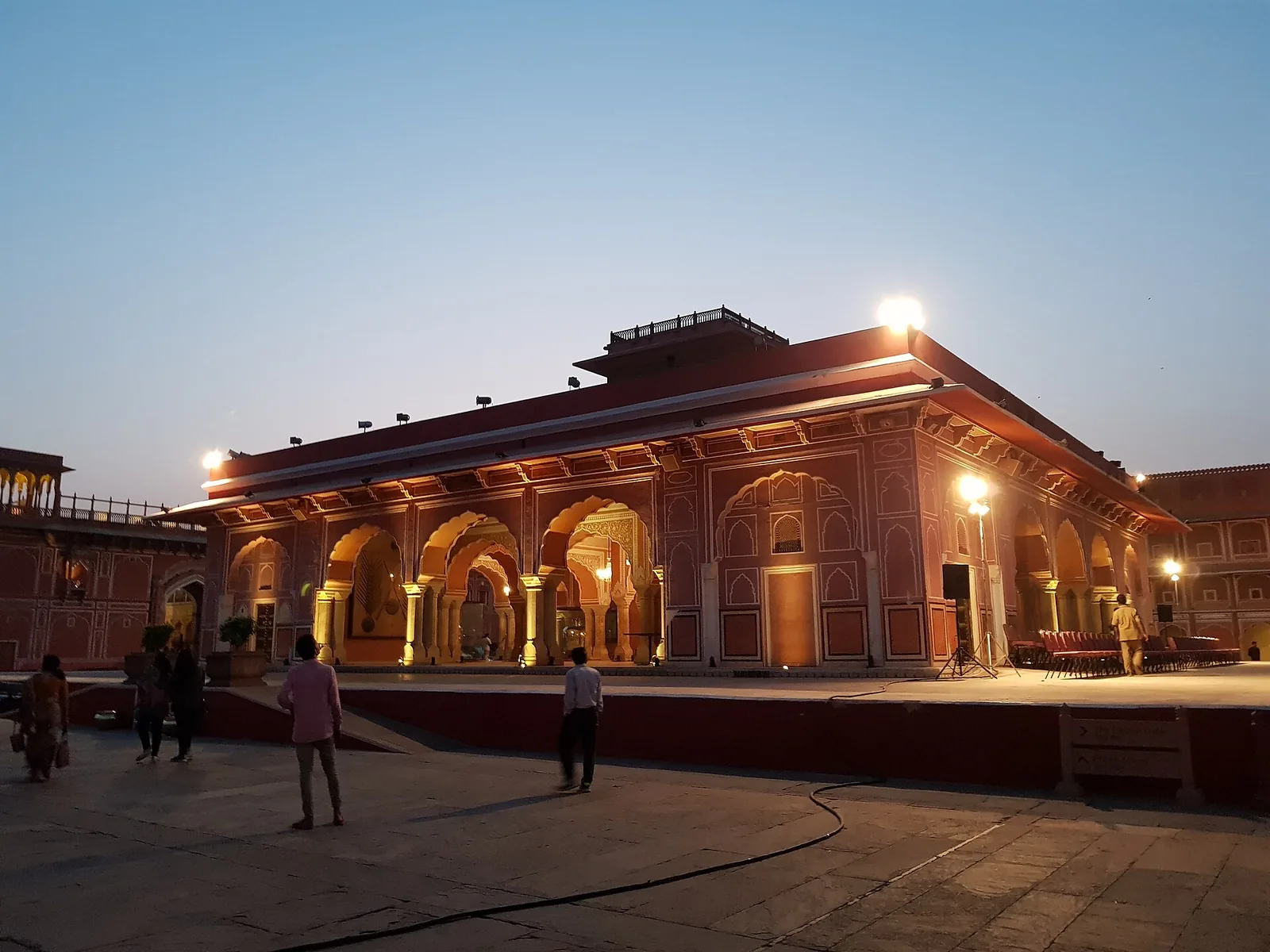 Lalgarh Palace — Grand Indo-Saracenic Red Sandstone Royal Residence and Heritage Museum in Bikaner
Situated 8 km outside the city in Jorbeer, the ICAR National Research Centre on Camel (NRCC) is the premier camel breeding, genetics, and dairy research institution in Asia. Visitors can observe four distinct camel breeds (Bikaneri, Jaisalmeri, Marwari, Mewari), enjoy camel riding across sand dunes, and sample fresh camel milk kulfi, ice cream, and tea at the dairy parlor.
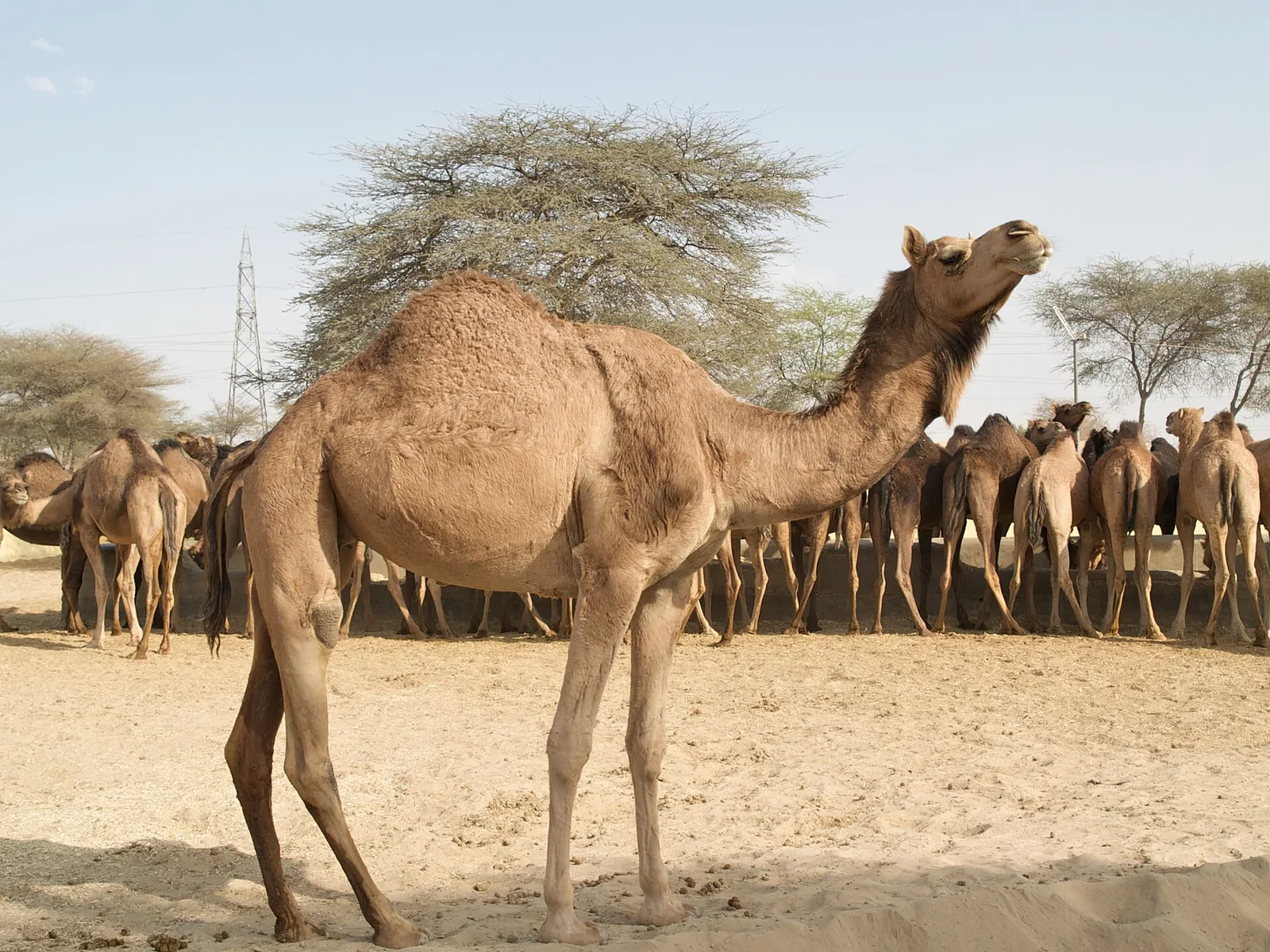 National Research Centre on Camel — Asia's Premier Camel Breeding Institution and Safari Center in Bikaner
Built by the wealthy Rampuria merchant family over three centuries in the old walled city, this cluster of seven interconnected palatial mansions is constructed in red Dulmera sandstone. The havelis showcase an opulent fusion of Victorian, Mughal, and Rajput stone carving, featuring curved bay windows, floral balconies, and ornamental woodwork.
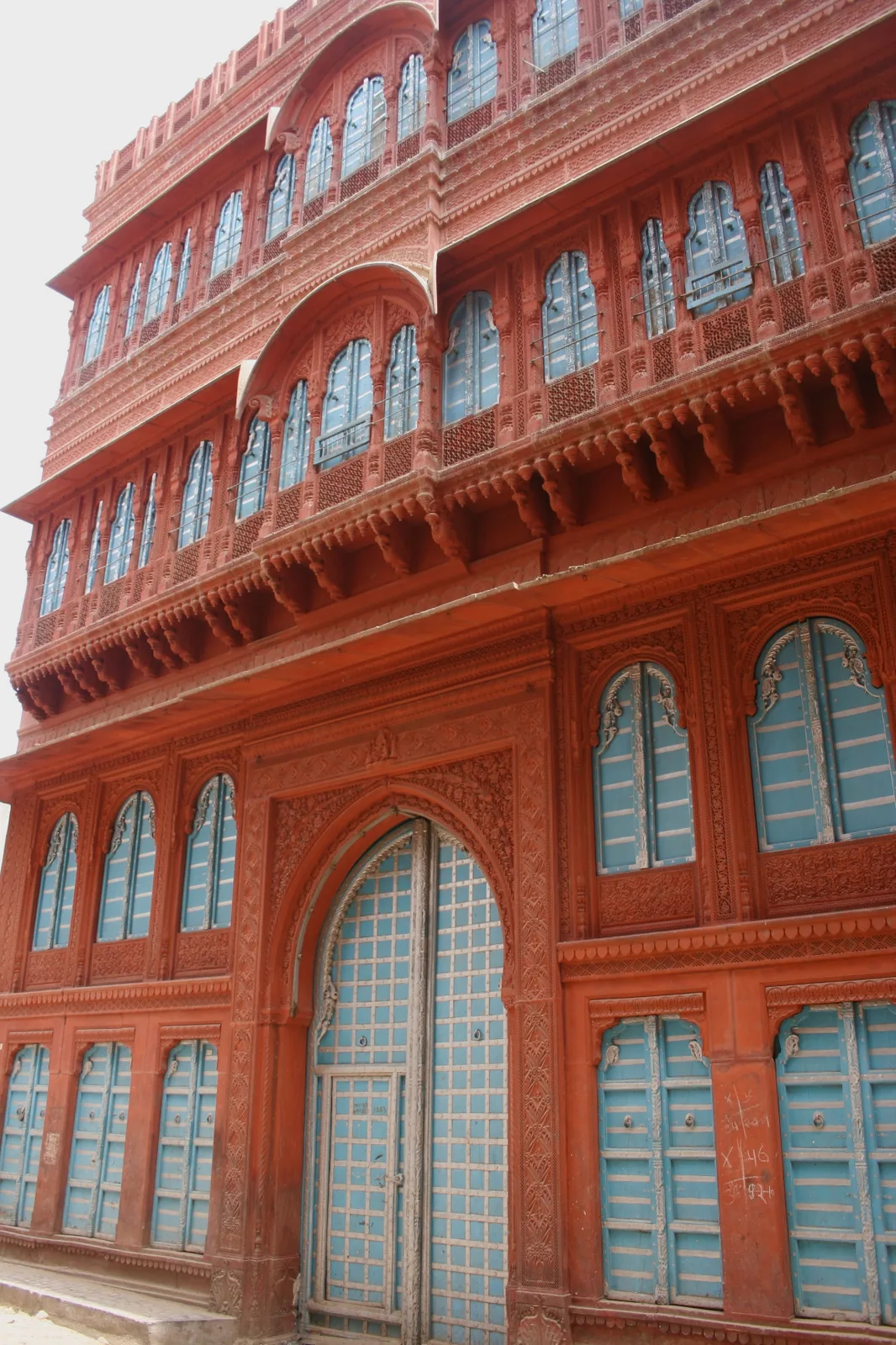 Rampuria Havelis — Ornate 400-Year-Old Red Sandstone Merchant Mansions in Bikaner Old City
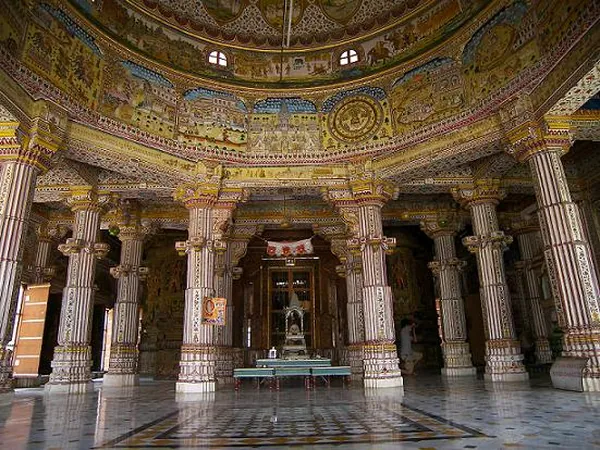
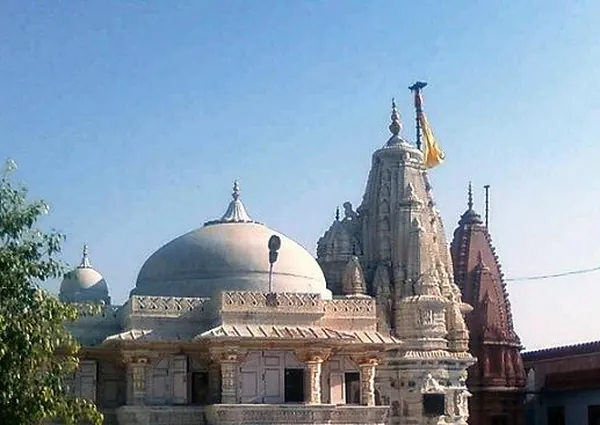
Dedicated to the 5th Tirthankara Lord Sumatinath, this three story 15th century Jain temple was constructed by merchant Bhandasa Oswal using 40,000 kilograms of pure clarified butter (ghee) mixed directly into the mortar foundation. The upper floors feature vibrant leaf gold paintings and mirror work.
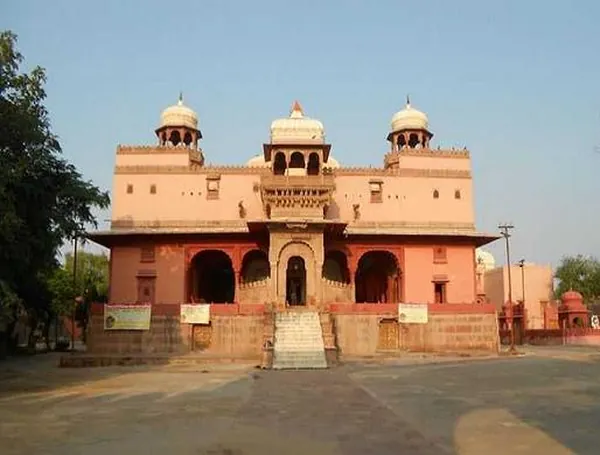
Set beside a peaceful lake 32 km from Bikaner, Gajner Palace was built in red sandstone as a royal hunting and summer lodge by Maharaja Ganga Singh. The adjoining forest sanctuary is home to blackbucks, nilgai, wild boars, and migratory Imperial sandgrouse.
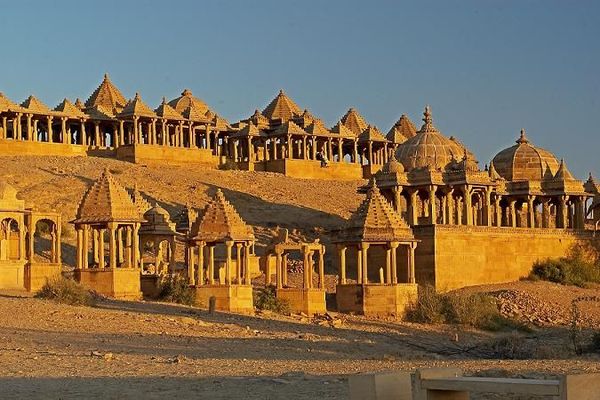
Located 8 km east of Bikaner, Devi Kund Sagar is the royal cremation ground of the Rathore rulers. The site features dozens of elaborately carved marble and red sandstone cenotaphs (*chhatris*) adorned with floral carvings, equestrian reliefs, and intricate ceiling murals.
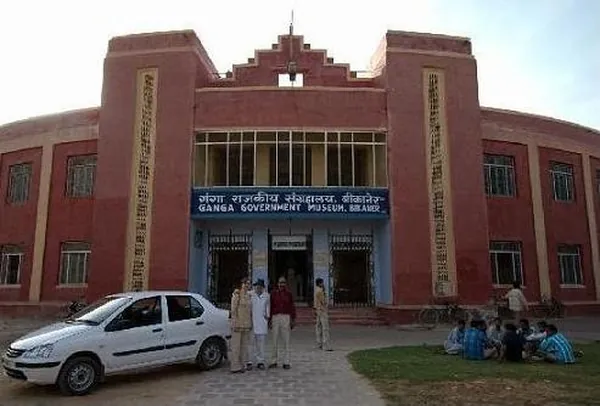
Established in 1937 during Maharaja Ganga Singh's Golden Jubilee, this museum houses extraordinary archaeological artifacts from the Indus Valley / Harappan civilization excavated at Kalibangan, along with medieval Rajput armor, camel hide paintings, and gold coin collections.
Duration: 2 Night/3 Days
 Best Flights
 Best Prices
 Unique Holidays