- .
- info@earthtrip.in
-
INR
-
USD
INR
USD
The Rajah Fort, better described as a fortified zamindar palace, sits quietly in the middle of East Godavari's delta country at Ramachandrapuram. Built by ...
The Rajah Fort, better described as a fortified zamindar palace, sits quietly in the middle of East Godavari's delta country at Ramachandrapuram. Built by the Kakarlapudi Zamindars who administered this belt for generations, it once controlled revenue collection, trade routes, and the daily rhythm of the surrounding villages.
Today the complex survives as a heritage landmark inside town, walking distance from the bus stand. Walls, gateways, and courtyard structures remain for visitors and photographers. Honestly, it isn't Golkonda. Its appeal lies in being genuine, unpolished, and completely untouristed.
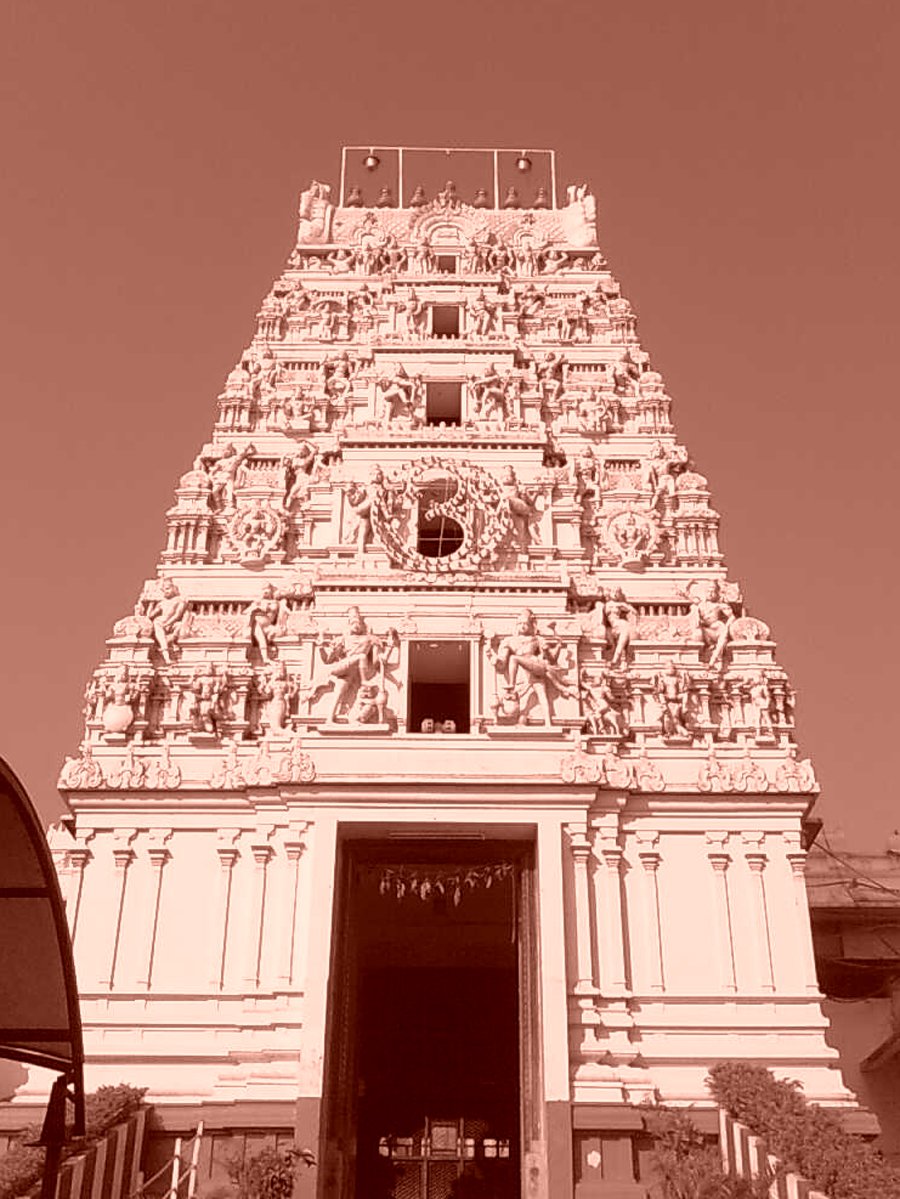
After the fall of the great kingdoms, East Godavari's countryside was parceled among zamindar families who collected taxes and kept order on behalf of successive powers. The Kakarlapudi family rose in this system around Ramachandrapuram, building residence complexes that doubled as administrative hubs.
These weren't military castles in the medieval sense. They were palisaded compounds with granaries, audience halls, stables, and quarters for retainers. The thick walls protected against local raids rather than invading armies. Think fortified farmhouse at scale.
The wider region carries older glory though. Rajahmundry, just across the district, was founded as Rajamahendravaram by the Eastern Chalukya king Rajaraja Narendra in the eleventh century. That royal shadow shaped every later power in the delta, including the zamindars of Ramachandrapuram.
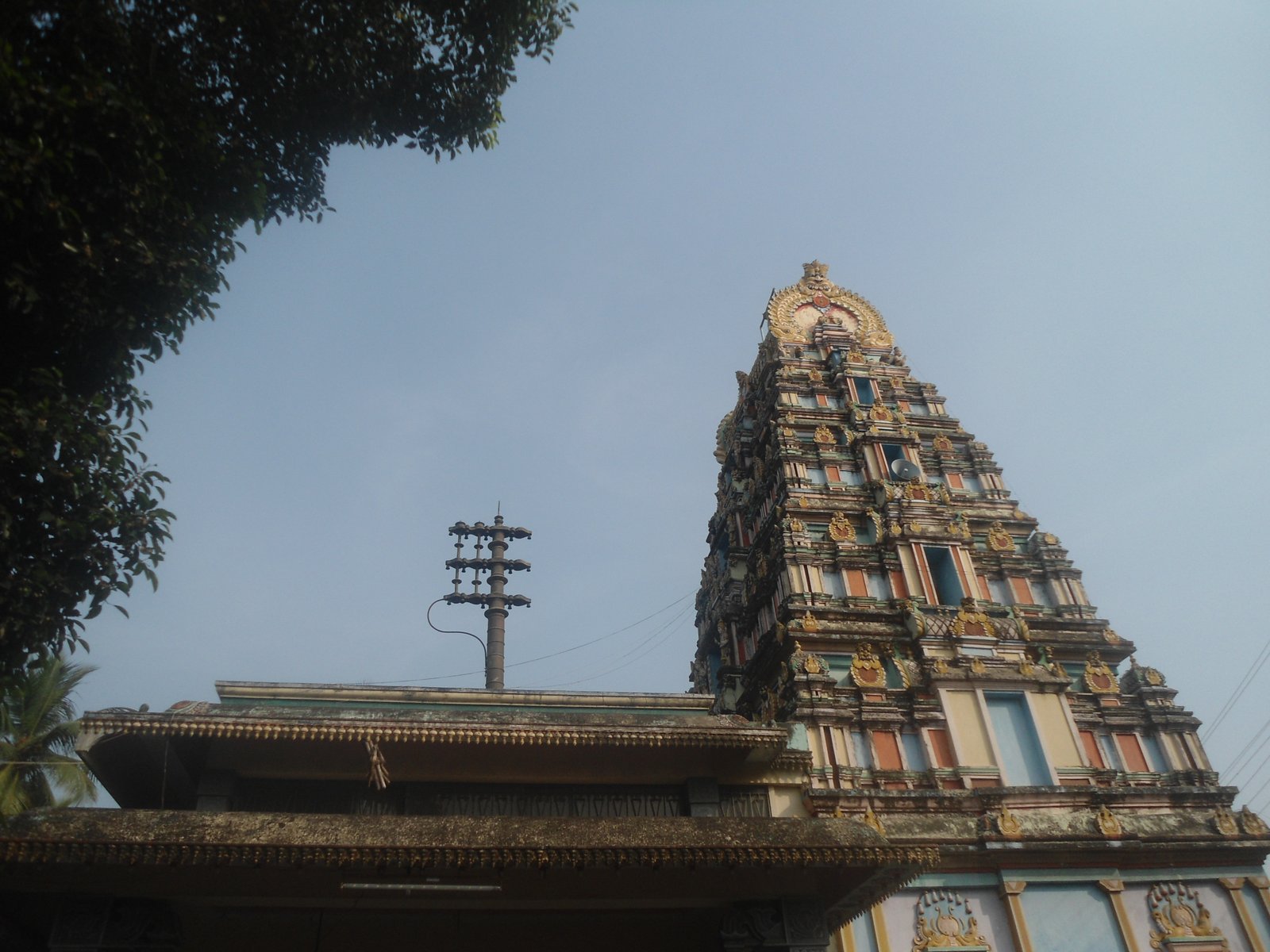
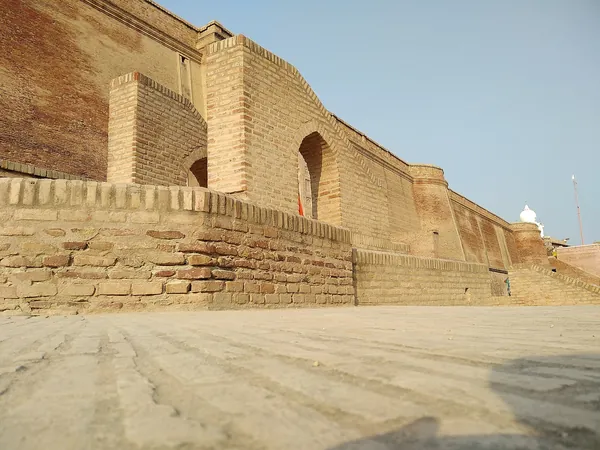
Parts of the compound walls and entrance structure survive, along with courtyard spaces where locals now pass through daily. Lime plaster, brick core, and timber beams show typical nineteenth century delta construction. Some sections have been absorbed into modern municipal use, which is both the reason it survived and the reason it looks lived in.
Photographers will find texture everywhere, weathered brick, old doorframes, and light slanting through narrow lanes around the complex. Heritage enthusiasts should manage expectations. There's no ticket counter, no museum hall, no guides. You're walking through history that people still live beside.
The fort area sits right in Ramachandrapuram town center, minutes from the main bus stand and market. Visit between 10 AM and 5 PM when lanes are active and safe. Morning light works best for exterior shots before traffic builds.
Walk the old market lanes. The bazaar grew up around the zamindar's compound and still trades in delta produce, textiles, and household brass. Morning hours buzz nicely.
Temple hop. Ramachandrapuram and its surrounds hold classic East Godavari temples with carved gopurams. Draksharamam's Bheemeswara Temple, one of the five Pancharama Kshetras, lies only about 12 km away and absolutely deserves priority.
River excursion to Rajahmundry. The Godavari's widest stretch, its rail bridge, and boat rides sit under an hour north. Sunset at Kotilingala Ghat pairs well with a fort morning.
Mangrove day trip. Coringa Wildlife Sanctuary connects easily for nature lovers combining heritage with ecology across two days in the district.
Ramachandrapuram's eateries serve honest coastal Andhra food. Order rice with fish pulusu, gongura pachadi, or a plate of piping hot punugulu from street carts. Filter coffee culture runs strong here too.
The town's weekly market day transforms several streets into a colorful sprawl of vegetables, flowers, and household goods. If your visit coincides with it, block an hour. Vendors are friendly and prices are local, not tourist.
Ramachandrapuram links by road with Kakinada, about 32 km southeast, Rajahmundry around 40 km north, and Amalapuram to the south. APSRTC buses run constantly on all three routes. The nearest railway options sit at Kakinada Town and Samarlakota stations, while Rajahmundry Airport handles flights roughly 50 km away.
Once in town, everything sits within walking distance. Autos wait near
The fort sits in central Ramachandrapuram, so getting there is simple:
Plan the wider circuit with our guides to Kakinada, Rajahmundry, and Amalapuram.
Best Time to Visit:
Festivals Nearby:
Open daily, 10 AM to 5 PM, no entry fee. More seasonal ideas across Andhra Pradesh.
 Pilgrimage
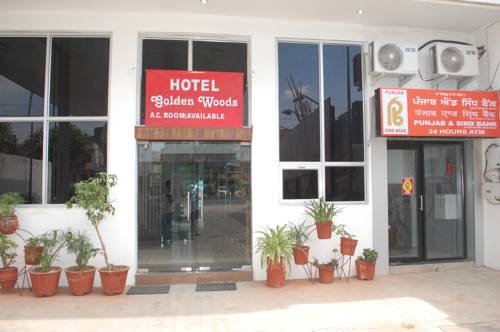 ★★ Hotel
The Hotel Golden Woods is located backside Indian Oil Pertol Pump, Near Railway Workshop, …
View Hotel Details ★★ Hotel
Hotel Singh International is an ideal spot from which to discover Amritsar. Only 1 km from…
View Hotel Details ★★★ Hotel
Hotel Sukhman international is located in the heart of the city it is newly construed ho…
View Hotel Details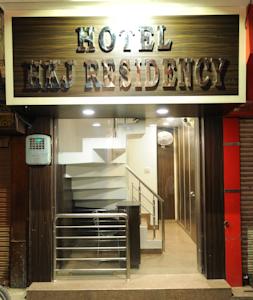 ★★★ Hotel
Well-positioned in Golden Temple, Hotel Hkj Residency is the ideal point of departure fo…
View Hotel Details ★★ Hotel
HOTEL VICTORIA in India is one of the best hotels in Amritsar(Punjab). All efforts are ded…
View Hotel Details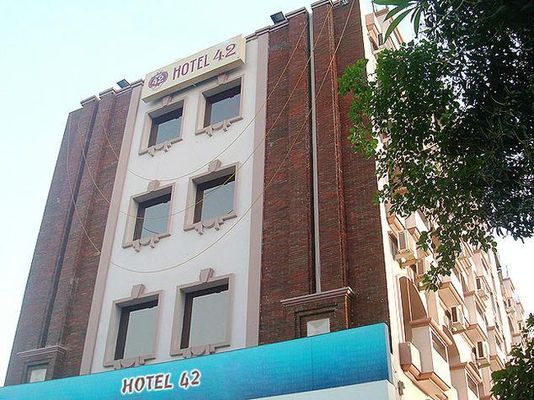 ★★★ Hotel
Hotel 42 is located in the Ranjit Avenue area of Amritsar. The hotel is not too far from…
View Hotel Details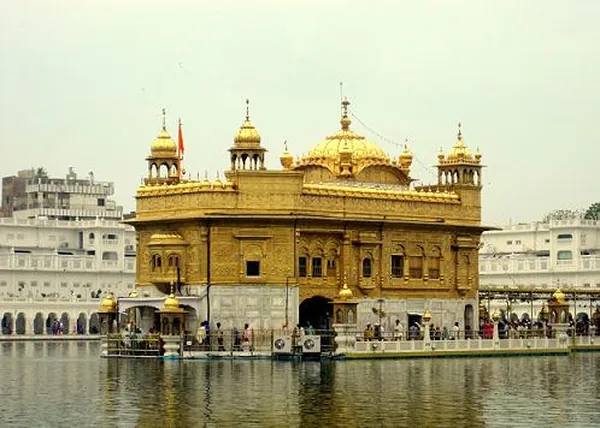 Attraction
Located in the historic destination of Amritsar, the remarkable Golden Temple stands as …
Explore Golden Temple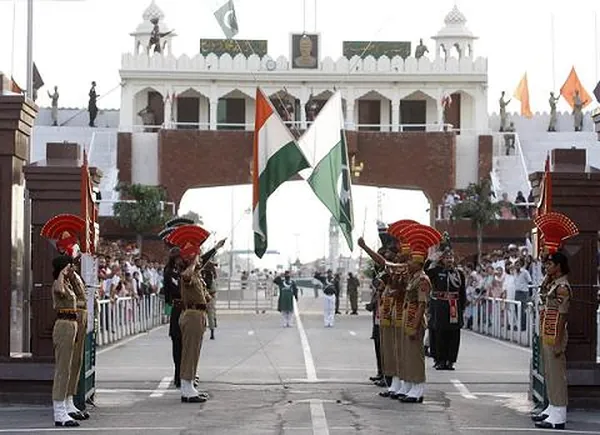 Attraction
Located in the historic destination of Amritsar, the remarkable Wagah Border stands as a…
Explore Wagah Border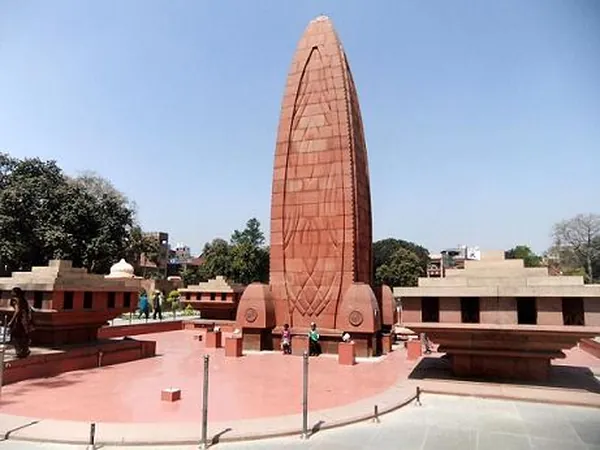 Attraction
Located in the historic destination of Amritsar, the remarkable Jallianwala Bagh stands …
Explore Jallianwala Bagh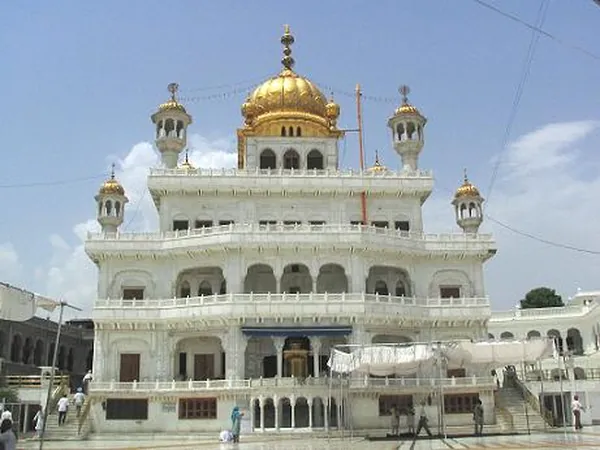 Attraction
Located in the historic destination of Amritsar, the remarkable Akal Takht stands as an …
Explore Akal Takht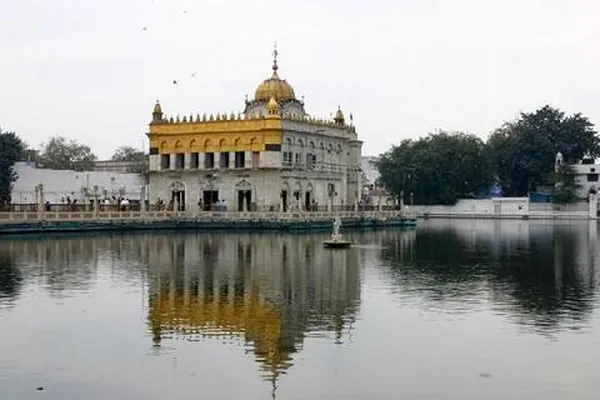 Attraction
Located in the historic destination of Amritsar, the remarkable Durgiana Temple stands a…
Explore Durgiana Temple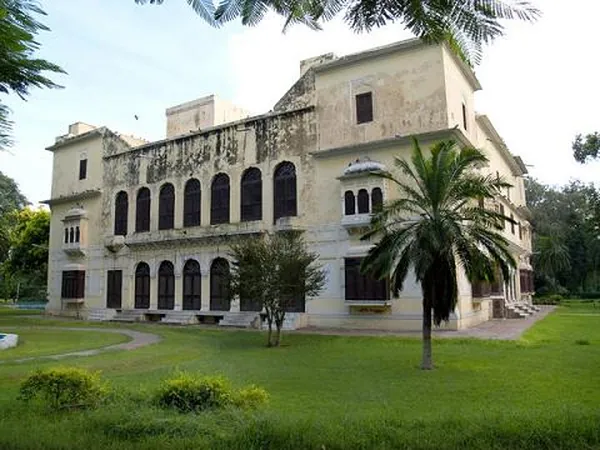 Attraction
Located in the historic destination of Amritsar, the remarkable Ram Bagh stands as an la…
Explore Ram Bagh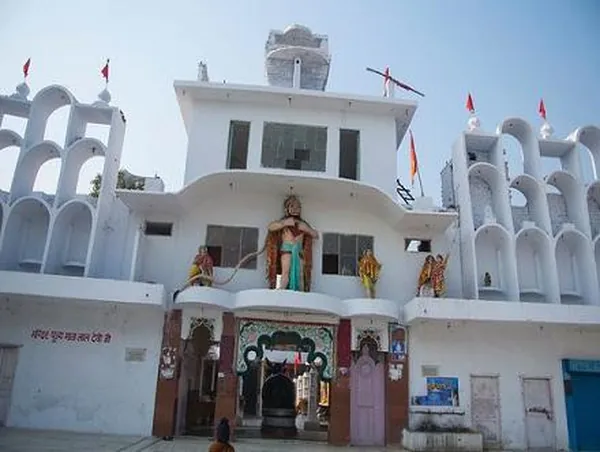 Attraction
Located in the historic destination of Amritsar, the remarkable Ram Tirath stands as an …
Explore Ram Tirath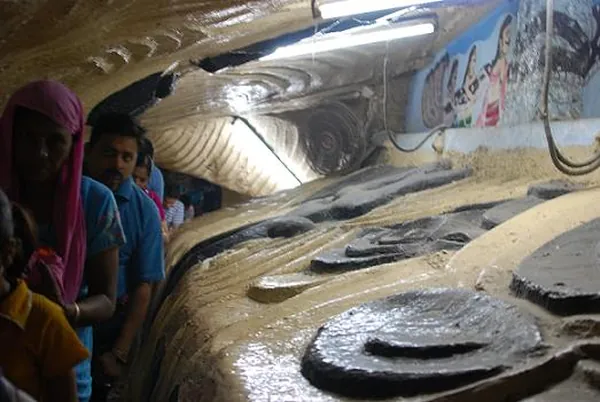 Attraction
Located in the historic destination of Amritsar, the remarkable Mata Temple stands as an…
Explore Mata Temple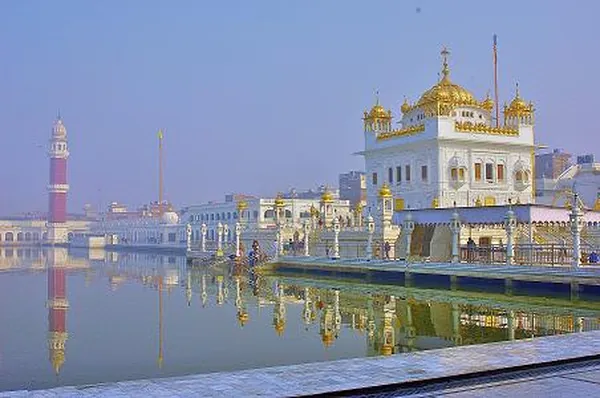 Attraction
Located in the historic destination of Amritsar, the remarkable Tarn Taran Sahib stands …
Explore Tarn Taran SahibExplore high-resolution photographs of iconic landmarks, temples, and scenic spots in Amritsar.
Essential visitor information regarding timings, entry tickets, location, nearby attractions, and travel guide in Amritsar.
Ramachandrapuram Rajah Fort stands as an iconic landmark in Ramachandrapuram, celebrated for its rich regional heritage, classical architectural craftsmanship, and lasting spiritual importance across Andhra Pradesh.
Ramachandrapuram Rajah Fort remains open to travelers and pilgrims daily from 6:00 AM in the morning until 8:30 PM in the evening, with morning and evening aarti sessions being the most lively times to visit.
General entry to Ramachandrapuram Rajah Fort is free for the public. Nominal fees may be applicable for designated parking facilities, special fast track darshan lines, or commercial photography permits.
Most travelers spend approximately 1.5 to 2 hours exploring the compound, viewing the intricate artwork, strolling across the open courtyards, and soaking in the tranquil surroundings.
Photography is generally allowed throughout the outer gardens, courtyards, and perimeter corridors. However, taking photos inside the innermost sanctum may be restricted to honour local customs.
Visitors can readily take local auto rickshaws, pre paid cabs, or municipal transport buses directly from Ramachandrapuram railway station and central bus terminus to the entry gate.
Get a customized itinerary and the best deals on packages and hotels.
Enquire Now