- .
- info@earthtrip.in
-
INR
-
USD
INR
USD
Kotipalli sits on the quiet bank of the Gautami Godavari, the northern branch of the Godavari that locals simply call the Gautami. The village carries a se...
Kotipalli sits on the quiet bank of the Gautami Godavari, the northern branch of the Godavari that locals simply call the Gautami. The village carries a second name too, Koti Theertham, and the meaning behind it explains everything about this place. One prayer offered here is said to earn the merit of one crore prayers said anywhere else. That single promise keeps pilgrims streaming in from every corner of Andhra Pradesh.
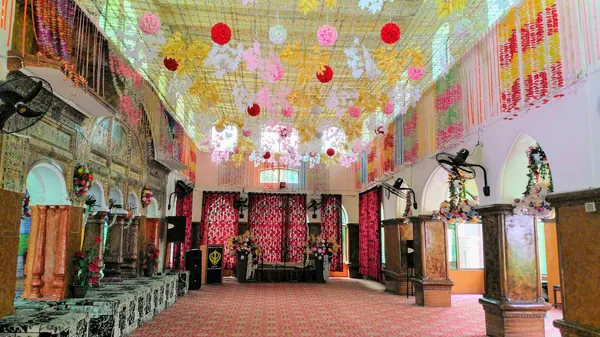
The presiding deity is Lord Someswara Swamy, a form of Shiva, worshipped alongside his consort Rajarajeswari Ammavaru. Mind you, this is not one shrine and nothing else. The compound holds layers of legend, some carved in stone and one part actually resting under river water.
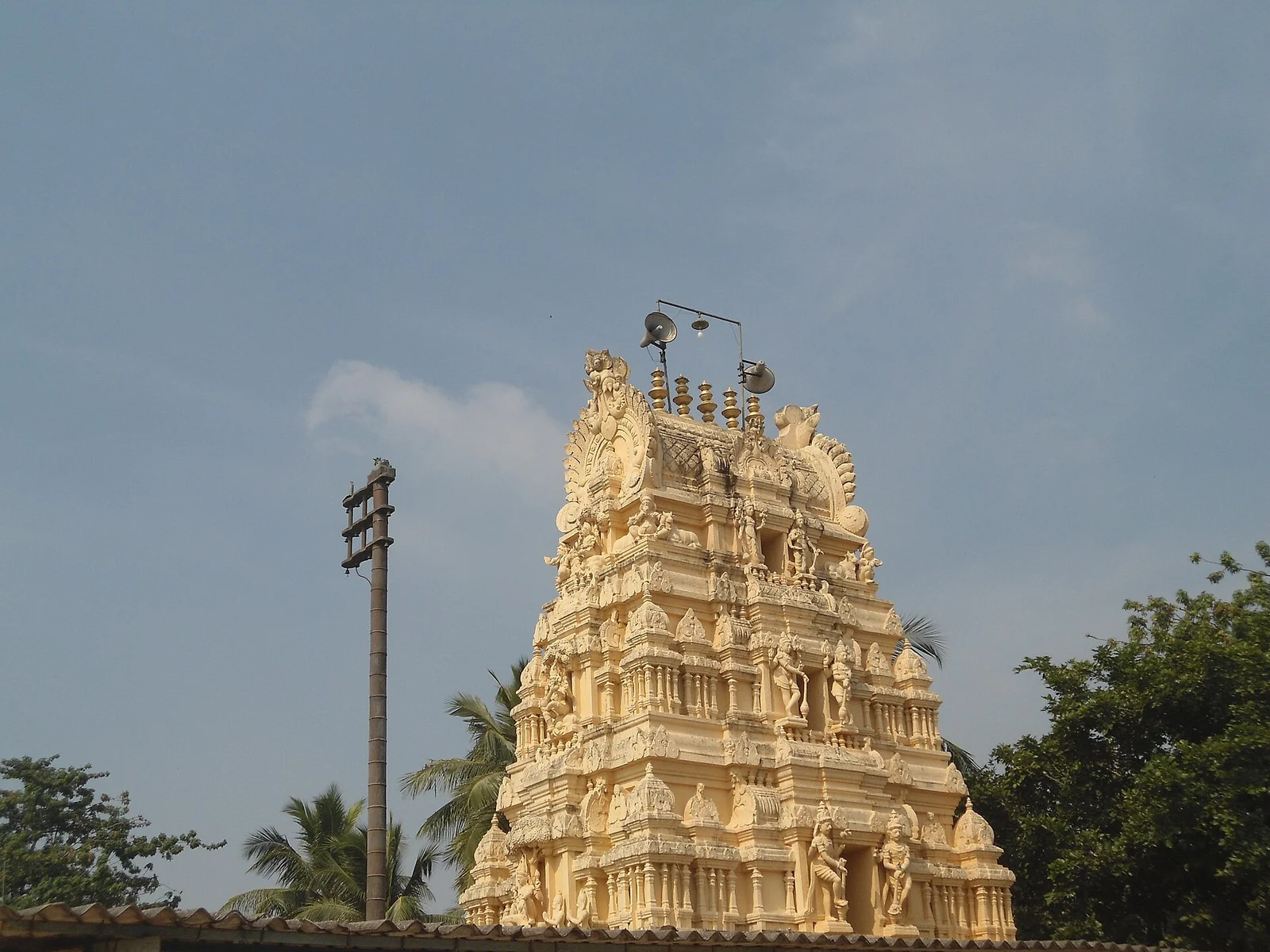
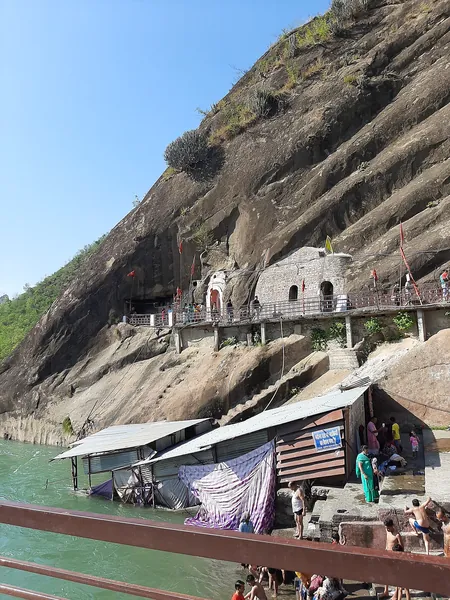
Truth is, the Jala Lingam stops most visitors mid step. On one side of the temple, Lord Koteswara rests fully submerged in river water. Lore says Lord Indra installed that lingam himself, performing penance here to escape the curse of Gautama Muni.
There's more to explain. Sage Kashyapa installed Sri Kesana Swamy at the exact spot where Lord Vishnu meditated after sending King Bali down to the netherworld. Right in front of the Dwaja Sthambha, an eight foot Nandi bull and a six foot Garuda face each other, cut from solid stone. Shiva and Vishnu sharing one courtyard like this is rare.
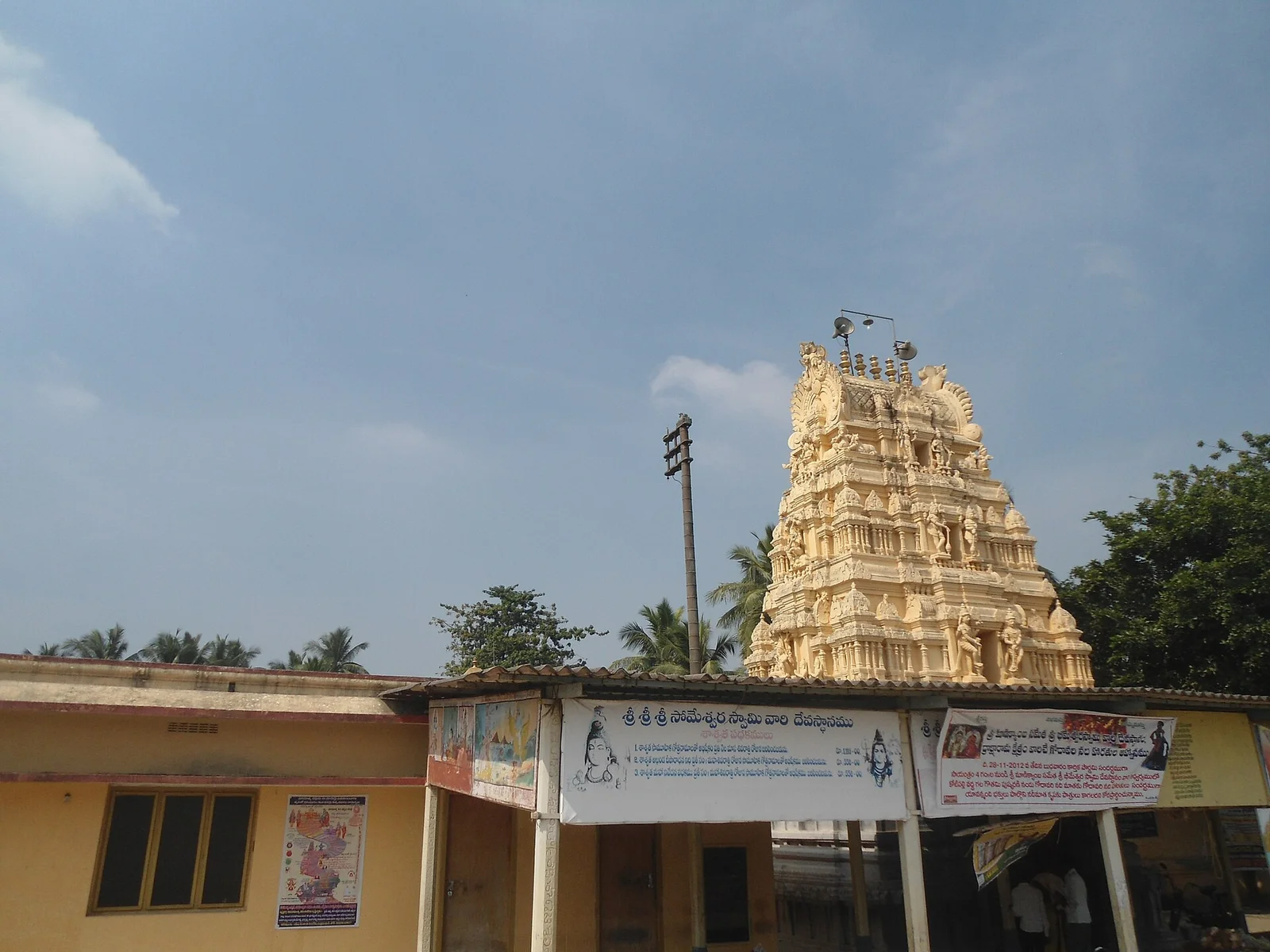
Walk deeper into the northern mandapa and the shrines keep coming. You'll pass Kalabhairava's sanctum, then a Navagraha temple sheltering Mrithyunjaya Lingam with Goddess Uma. Off to the side stands the Sankaracharya mandiram, enshrining Chandramouleeswara Lingam where Adi Shankaracharya is believed to have prayed during his travels.
Darshan aside, Kotipalli holds a serious literary claim. Back in the twelfth century it gave the world Kotipalli Viswaradhya, a towering teacher of the Srouta Saiva Siddhanta tradition. He authored Chaturvedasaram, Vrushabhadhipa Satakam and Basavarajeeyam, texts still studied by followers of Saiva dharma today.
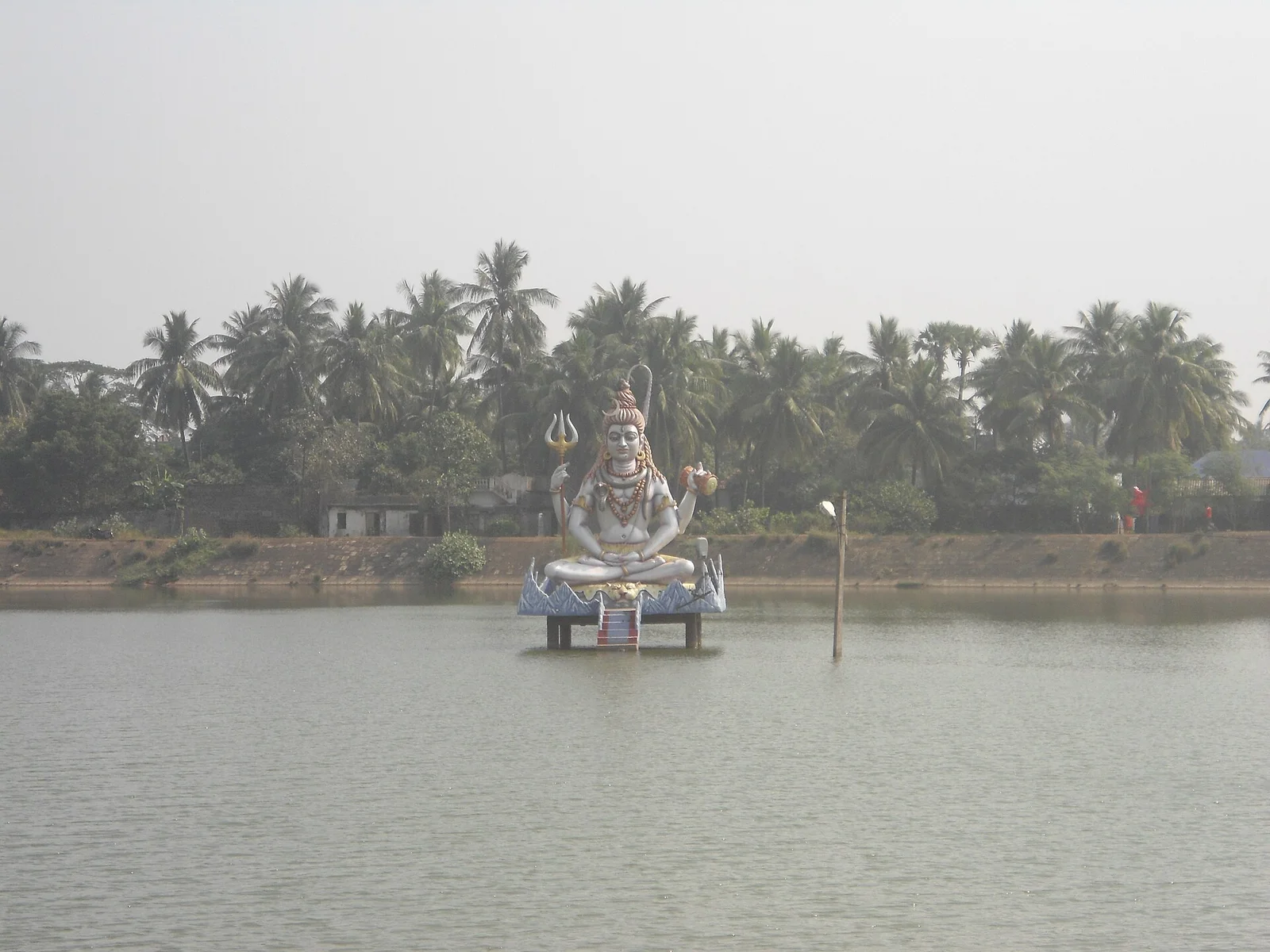
Most pilgrims bathe in the Koti Theertham waters before any darshan. The river runs wide and calm at this stretch, and the boat crossing to Mukteswaram on the far bank still works as one of Konaseema's three classic ferry points. Fair warning, the wet ghat stones turn slippery after the morning abhishekam, so mind your footing.
Pair the trip with nearby Amalapuram, the temple circuit of Rajahmundry, or the port city of Kakinada. For stay and food, the closest options sit in Ramachandrapuram, just a short bus ride north.
The temple opens twice a day, 6:00 AM to 1:00 PM and again from 4:00 PM to 8:00 PM. Entry costs nothing. Expect the heaviest crowds during Maha Shivaratri and Karthika Pournami. Arrive early on festival days because parking near the ghat fills up fast. Worth it, though. Few shrines give you this much story per square foot.
Road trippers can fold Kotipalli into a wider Konaseema backwater loop along the coastal belt of Andhra Pradesh.
October to February treats you best. Winter air stays cool over the Konaseema backwaters, the Godavari runs generous after the monsoon, and the temple courtyards don't bake under afternoon sun.
Planning a festival visit? Book rooms early in Kakinada or Ramachandrapuram, and check rail arrivals into Rajahmundry before locking dates.
 Pilgrimage
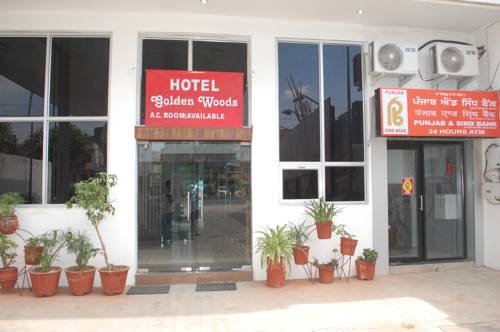 ★★ Hotel
The Hotel Golden Woods is located backside Indian Oil Pertol Pump, Near Railway Workshop, …
View Hotel Details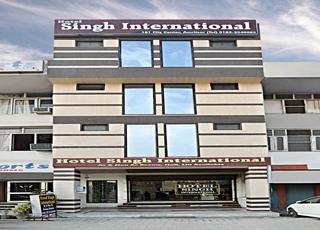 ★★ Hotel
Hotel Singh International is an ideal spot from which to discover Amritsar. Only 1 km from…
View Hotel Details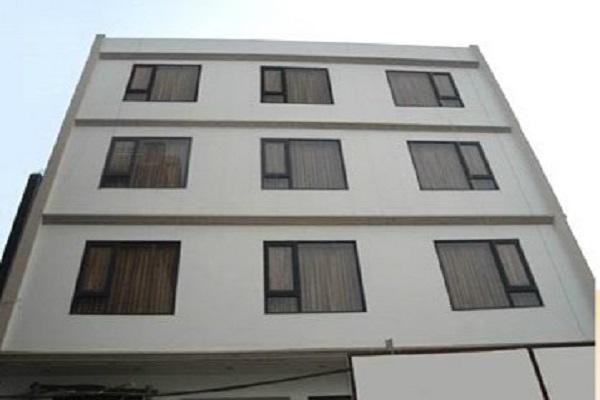 ★★★ Hotel
Hotel Sukhman international is located in the heart of the city it is newly construed ho…
View Hotel Details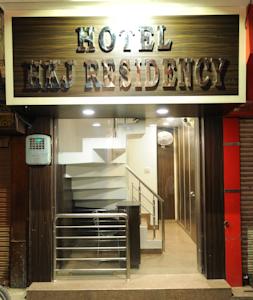 ★★★ Hotel
Well-positioned in Golden Temple, Hotel Hkj Residency is the ideal point of departure fo…
View Hotel Details ★★ Hotel
HOTEL VICTORIA in India is one of the best hotels in Amritsar(Punjab). All efforts are ded…
View Hotel Details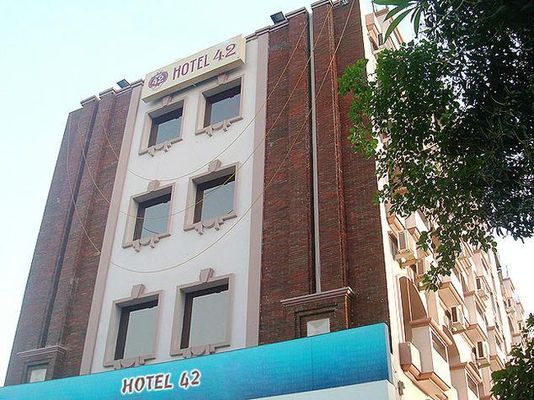 ★★★ Hotel
Hotel 42 is located in the Ranjit Avenue area of Amritsar. The hotel is not too far from…
View Hotel Details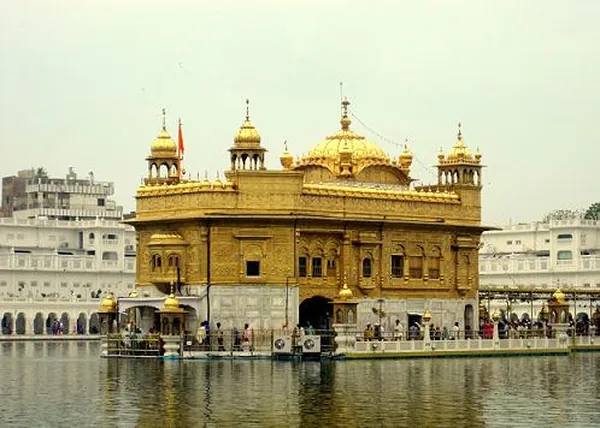 Attraction
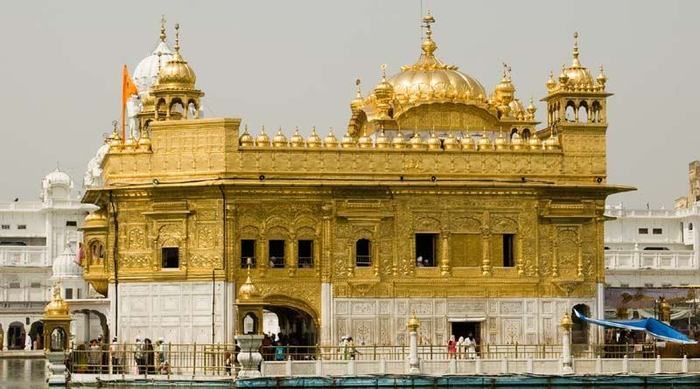
Located in the historic destination of Amritsar, the remarkable Golden Temple stands as …
Explore Golden Temple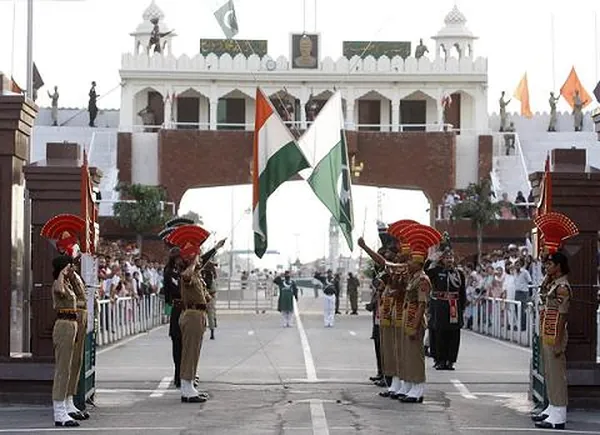 Attraction
Located in the historic destination of Amritsar, the remarkable Wagah Border stands as a…
Explore Wagah Border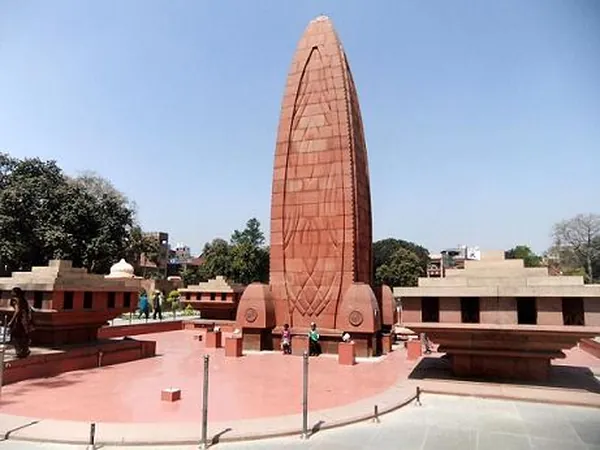 Attraction
Located in the historic destination of Amritsar, the remarkable Jallianwala Bagh stands …
Explore Jallianwala Bagh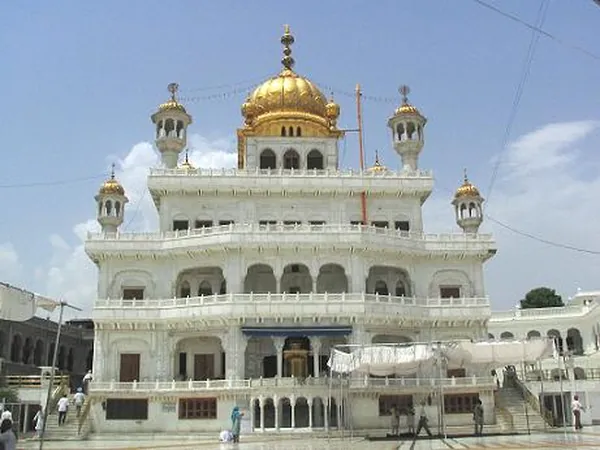 Attraction
Located in the historic destination of Amritsar, the remarkable Akal Takht stands as an …
Explore Akal Takht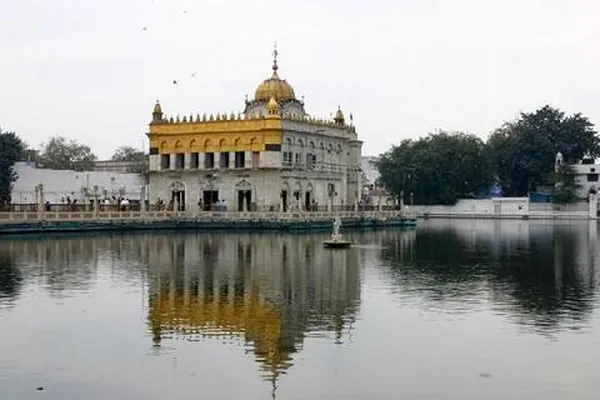 Attraction
Located in the historic destination of Amritsar, the remarkable Durgiana Temple stands a…
Explore Durgiana Temple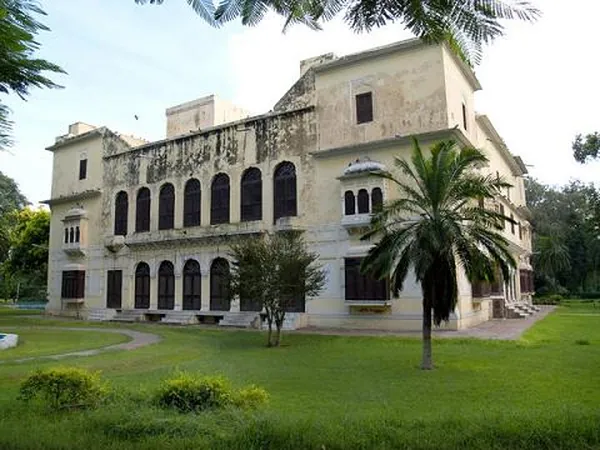 Attraction
Located in the historic destination of Amritsar, the remarkable Ram Bagh stands as an la…
Explore Ram Bagh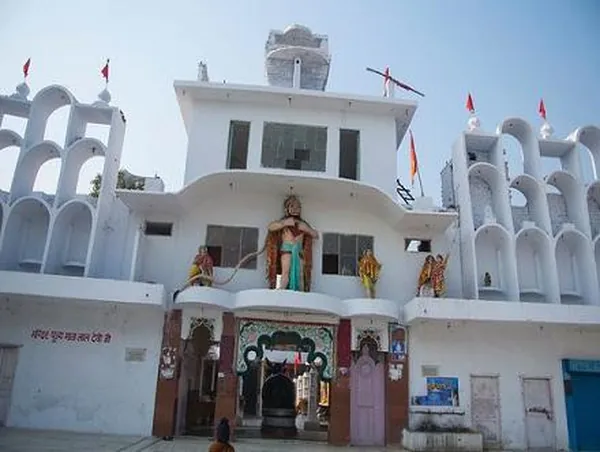 Attraction
Located in the historic destination of Amritsar, the remarkable Ram Tirath stands as an …
Explore Ram Tirath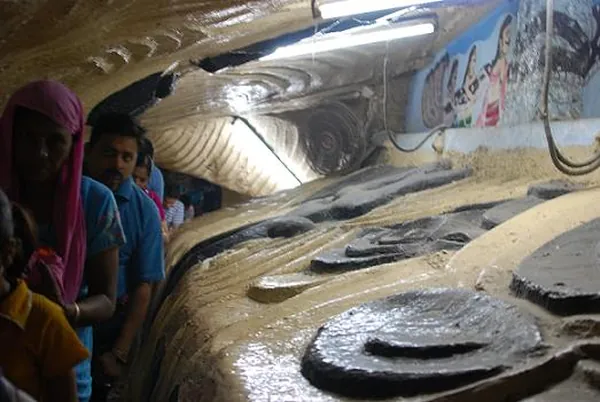 Attraction
Located in the historic destination of Amritsar, the remarkable Mata Temple stands as an…
Explore Mata Temple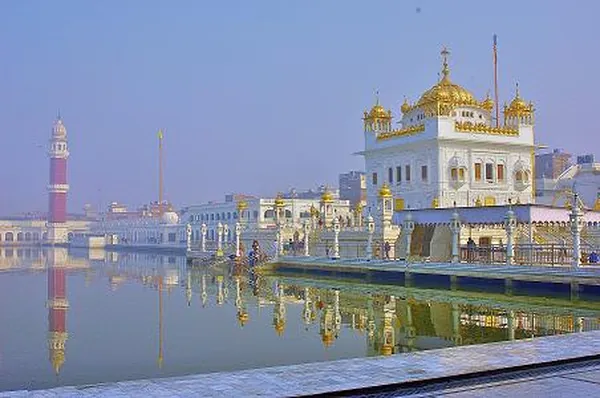 Attraction
Located in the historic destination of Amritsar, the remarkable Tarn Taran Sahib stands …
Explore Tarn Taran SahibExplore high-resolution photographs of iconic landmarks, temples, and scenic spots in Amritsar.
Essential visitor information regarding timings, entry tickets, location, nearby attractions, and travel guide in Amritsar.
Kotipalli Sri Someswara Swamy Temple stands as an iconic landmark in Ramachandrapuram, celebrated for its rich regional heritage, classical architectural craftsmanship, and lasting spiritual importance across Andhra Pradesh.
Kotipalli Sri Someswara Swamy Temple remains open to travelers and pilgrims daily from 6:00 AM in the morning until 8:30 PM in the evening, with morning and evening aarti sessions being the most lively times to visit.
General entry to Kotipalli Sri Someswara Swamy Temple is free for the public. Nominal fees may be applicable for designated parking facilities, special fast track darshan lines, or commercial photography permits.
Most travelers spend approximately 1.5 to 2 hours exploring the compound, viewing the intricate artwork, strolling across the open courtyards, and soaking in the tranquil surroundings.
Photography is generally allowed throughout the outer gardens, courtyards, and perimeter corridors. However, taking photos inside the innermost sanctum may be restricted to honour local customs.
Visitors can readily take local auto rickshaws, pre paid cabs, or municipal transport buses directly from Ramachandrapuram railway station and central bus terminus to the entry gate.
Get a customized itinerary and the best deals on packages and hotels.
Enquire Now