- .
- info@earthtrip.in
-
INR
-
USD
INR
USD
Badi Gufa (the monumental 10th century rock cut sandstone cave shelter situated inside the core Tala zone of the tiger reserve, celebrated for its nine mon...
Badi Gufa (the monumental 10th century rock cut sandstone cave shelter situated inside the core Tala zone of the tiger reserve, celebrated for its nine monolithic monastic cells, ancient Brahmi scripts, and secluded military shelters) in Bandhavgarh in Madhya Pradesh, stands as central India's supreme ancient rock hewn sanctuary and wilderness archaeology landmark.
Carved directly into the vertical sandstone precipice of the central plateau hill, this ancient cave complex is the largest among 39 documented artificial rock shelters scattered across the reserve's dramatic landscape.
It's the home of massive rock cut pillared entrances, broad central gathering chambers, nine small sleeping alcoves once utilized by traveling sadhus and royal guards, ancient inscriptions engraved into solid stone, and an intensely mysterious, deeply quiet forest setting where wild tiger pugmarks, cool underground drafts, and colonies of insectivorous bats inhabit historic stone vaults.
It represents a rich Madhya Pradesh wilderness heritage apex, rock architecture, and safari tourism where ancient caves, Shesh Shaiya Vishnu idol, Bandhavgarh Fort, and Bandhavgarh National Park unite in Badi Gufa.
Located inside the Tala tourism zone near the foot of the hill fortress, it sits 4 km from Tala safari gate, 34 km from Umaria Railway Station (UMR), 100 km from Katni Junction (KTE), and 165 km from Jabalpur Airport (JLR), reached by open 4x4 gypsy safari vehicles.
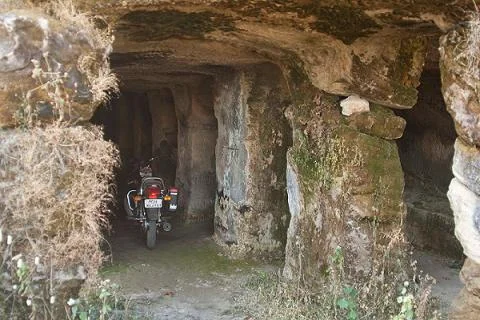
Historical surveys by archaeologists suggest that Badi Gufa dates between the 1st and 10th centuries CE, built during the rule of the Magha kings and later expanded under Kalachuri dynasties.
The cave's spacious central court opens into nine private cells, each designed with raised stone beds and narrow entrance doorways that provided defensive protection and thermal insulation from summer heatwaves.
Truth is, while these rock chambers originally sheltered meditating Buddhist hermits and Shaivite ascetics, later Baghel rulers utilized the cavernous shelter as an impenetrable garrison post and emergency arms cache.
Faint Brahmi scripts and etched animal symbols still line the interior walls, offering travelers rare glimpses into central India's trade routes and royal monastic patronage.
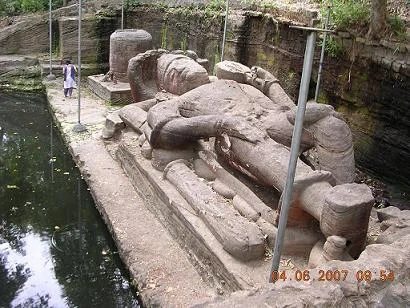
Shesh Shaiya: Located just up the hill path, behold the 35 foot 10th century monolithic reclining Vishnu idol resting on the coiled serpent Sheshanaga amidst natural spring pools.
Bandhavgarh Fort & Tiger Reserve: Explore 2,000 year-old fort ramparts and embark on thrilling open gypsy safaris across the park's dense sal forests to spot royal Bengal tigers.
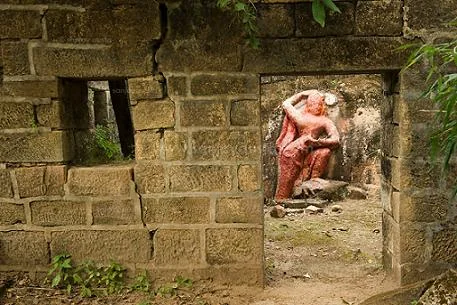
The Forest Heritage & Tiger Safari Circuit: Early morning wake up with warm tea at Tala eco resort (5:15 AM) -> enter Tala Gate for morning jungle safari in an authorized forest gypsy (5:45 AM to 10:00 AM: track Bengal tigers along Chakradhara meadows, climb toward the fortress base, and stop at Badi Gufa to examine ancient monastic stone cells and Brahmi carvings) -> hot buffet breakfast back at the jungle lodge (10:30 AM to 12:00 PM) -> midday rest and wildlife photography review (12:00 PM to 2:30 PM) -> afternoon safari drive or nature walk near Tala Village (3:00 PM to 6:00 PM) -> dinner under the stars by an open campfire (7:30 PM to 9:30 PM).
Visiting Code & Conduct: Badi Gufa is located inside the core zone and is accessible only on official forest department safari permits; visitors must remain inside their vehicles or follow strict guide directions; using loud audio, littering, or smoking is strictly illegal; carrying binocular optics and telephoto camera lenses is recommended.
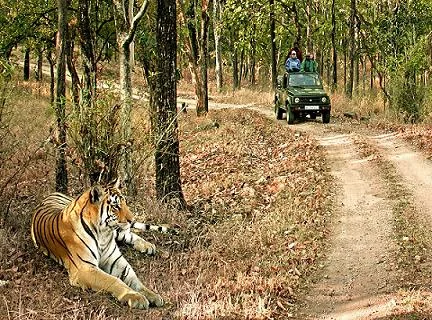
After exploring ancient monastic chambers at Badi Gufa, view the holy spring at Shesh Shaiya, examine the ramparts of Bandhavgarh Fort, or take a tiger safari in Bandhavgarh National Park.
Reaching Badi Gufa is straightforward from Bandhavgarh across Madhya Pradesh.
Best Time to Visit:
Explore more ancient rock caves, historical fort ruins, and tiger reserves across Madhya Pradesh.
 Adventure
 ★★★ Hotel
Bandhavgarh Meadows – Your home in the jungle" - The resort is an ideal refuge for those…
View Hotel Details ★★★ Hotel
At Wildflower Resorts in Bandhavgarh National Park India you will find a picture-perfect s…
View Hotel Details ★★★ Hotel
Tiger Den Resort in Bandhavgarh. This well maintained resort is run by experienced natural…
View Hotel Details ★★★ Hotel
Tiger Lagoon is a one-of-a-kind nature retreat where the beauty and serenity of the great …
View Hotel Details ★ Hotel
KOLKATA KUTIR is a budget hotel. It is located on the main highway at a distance of just o…
View Hotel Details ★★★ Hotel
Tigergarh is a resort nestled on the way to the quaint village of Ranchha near Bandhavgarh…
View Hotel Details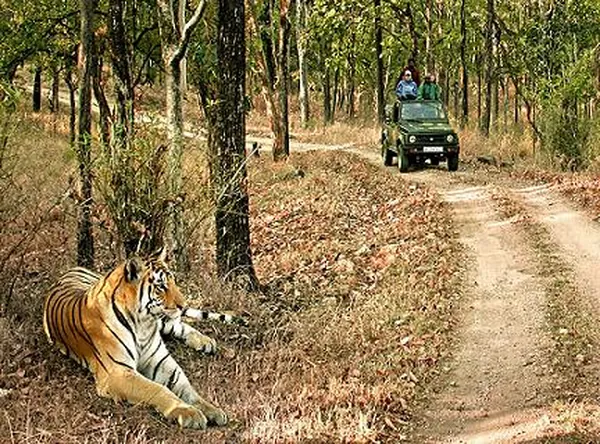 Attraction
Bandhavgarh National Park (the world famous 1,536 square-kilometer tiger reserve across th…
Explore Bandhavgarh National Park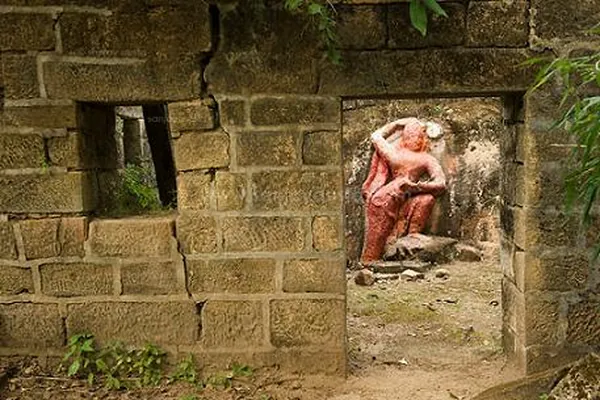 Attraction
Bandhavgarh Fort (the legendary 2,000 year-old hilltop sandstone citadel crowning the 811 …
Explore Bandhavgarh Fort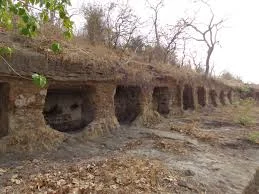 Attraction
Tala Village (the historic forest hamlet and premier safari gateway to Bandhavgarh Nationa…
Explore Tala Village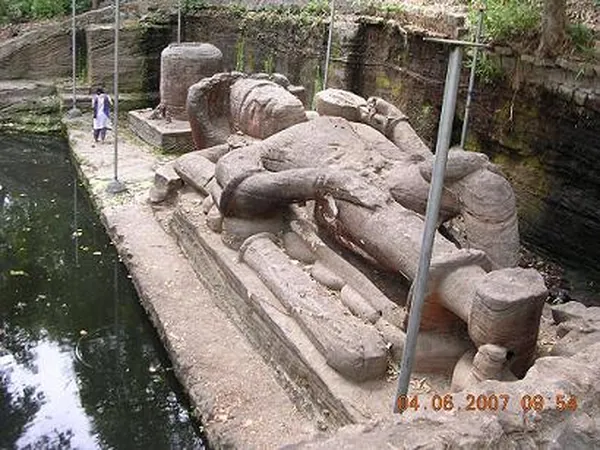 Attraction
Shesh Shaiya (the monumental 10th century 35 foot monolithic sandstone statue of Lord Vish…
Explore Shesh ShaiyaExplore high-resolution photographs of iconic landmarks, temples, and scenic spots in Bandhavgarh.
Essential visitor information regarding timings, entry tickets, location, nearby attractions, and travel guide in Bandhavgarh.
Badi Gufa (meaning Big Cave) is the largest of 39 man-made rock-cut sandstone caves dating from the 1st to 10th centuries CE inside Bandhavgarh National Park.
It is located in the core Tala zone on the slopes of Bandhavgarh Fort hill, accessible only during official open-gypsy jungle safaris.
It was carved by monks and rulers during the Magha and Kalachuri eras, serving as residential cells for hermits and later as military shelters.
The area is prime habitat for Bengal tigers, leopards, bats, langurs, and sambar deer seeking coolness inside the sandstone crevices.
It is open during the safari season from October 1 to June 30 during morning and afternoon safari shifts; closed during monsoon months (July to September).
Get a customized itinerary and the best deals on packages and hotels.
Enquire Now