Gumia — Travel Guide
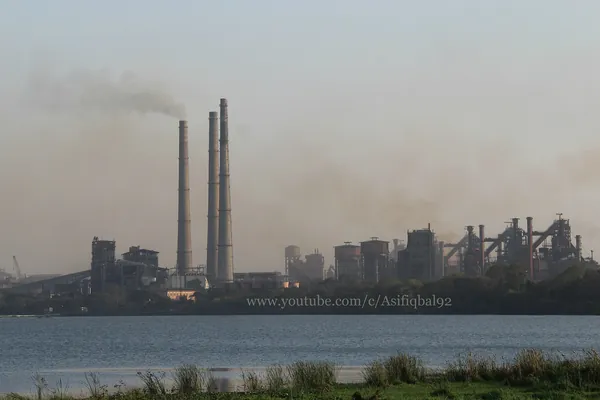
Gumia, celebrated across Jharkhand and eastern India as the historic manufacturing home of Indian Explosives Limited (IEL), the gateway to the sacred Santhal tribal pilgrimage at Luguburu Ghantabari Dharamgarh, the massive Tenughat Dam on the Damodar River, and the forested slopes of the Konar River valley, is an engaging destination in Jharkhand.
It's the home of the supreme spiritual seat where over a million Santhal pilgrims gather during Kartik Purnima, the pioneering 1955 mining explosives industrial colony, the scenic water expanses of Tenughat and Konar reservoirs, and the rich culinary heritage of the Chota Nagpur plateau.
It works as a primary industrial, mining supply, tribal cultural, and railway transit hub connecting Bokaro Steel City and Phusro with Ramgarh Cantonment, Hazaribagh, and Ranchi along State Highway 2 and State Highway 9.
It represents a rich cultural crossroads where indigenous Santhal nature worshipping traditions, post independence industrial engineering, and dense sal forest ecology unite harmoniously across the rocky plateau hills.
Located at an elevation of 238 meters in Bokaro district, it sits 18 km from Luguburu Ghantabari, 22 km from Tenughat Dam, 30 km from Konar Dam, 38 km northwest of Bokaro Steel City, and 85 km from Ranchi Airport.
Morning breezes drifting over the Konar riverbanks and local Chota Nagpur food stalls carry the appetizing aroma of authentic Litti Chokha (coal baked sattu stuffed whole wheat balls drenched in melted desi ghee and served with spicy roasted brinjal tomato mash).
You'll also enjoy crispy Dhuska served with spicy yellow chickpea Ghugni, tender Santhal Chilka Roti paired with spicy Desi Chicken Curry cooked in mustard oil, wild bamboo shoot (Karil) sabzi, sweet caramelized Chhena Poda, sweet Arsa Pitha, and steaming cups of clay kulhad masala tea, while temple bells and tribal drums sound at dawn.
Active industrial manufacturing plants, active forest produce mandis trading wild mahua flowers and sal seeds, artisan Dokra workshops, and passing East Central Railway freight trains define the daily rhythm of this energetic plateau town.
Gumia is famous for Luguburu Ghantabari Dharamgarh, IEL Explosives Township, Tenughat Dam, Konar Dam, and authentic Santhal cuisine.
It's a practical base if you want to experience sacred Santhal pilgrimage rituals, boat across massive lake reservoirs, tour historic industrial townships, and savor authentic Jharkhand tribal dishes.
The surrounding Chota Nagpur territory holds deep antiquity shaped by the ancient Santhal ancestral councils, the British mining geologists, the post independence engineers who established ICI India in 1955, and centuries of tribal forest culture. From the sacred caves of Luguburu hills to the tranquil embankments of Tenughat, you'll discover rewarding cultural landmarks across the district.
Local life centers around industrial manufacturing, coal mining logistics, forest produce gathering, weekly village haats, and warm Santhal hospitality. You can view the sunrise over the Lugu hills at dawn, explore the industrial township and dams by midday, and watch the sunset from the Tenughat reservoir embankment by evening.
Neighboring destinations like Bokaro, Ramgarh, and Ranchi offer Bokaro Steel Plant, Rajrappa Chhinnamasta Temple, Hundru Falls, and Jonha Falls. Adding Gumia to your travel plans works well for cultural anthropologists, spiritual pilgrims, nature lovers, and road trippers exploring Jharkhand.
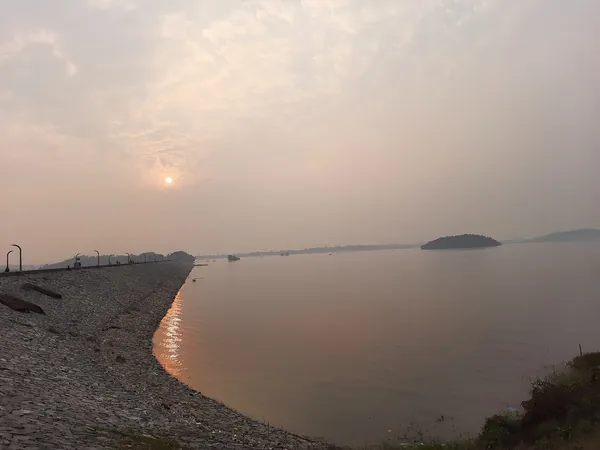
You can view the glowing golden sunset reflecting off the vast waters of Tenughat reservoir and watch the evening forest shadows lengthen across the Lugu peaks by dusk. The journey is worth every rupee. Gumia provides an authentic, peaceful, and culturally deep travel experience.
Planning your trip around the pleasant winter sightseeing season from October to March, the massive annual Santhal Mahasammelan at Luguburu, or the harvest festival of Sohrai will give you the best experience across Jharkhand. Here is the seasonal breakdown:
Best Time to Visit by Season
• Winter Season (October to March): The premier travel window. Pleasant, crisp, and sunny with daytime temperatures between 12°C and 25°C, ideal for visiting Luguburu shrine, dam boating, and forest walks.
• Monsoon Season (July to September): Heavy rainfall turns the Lugu hills emerald green, filling Tenughat reservoir and creating gushing forest streams.
• Summer Season (April to June): Warm and dry with daytime temperatures reaching 40°C. Early morning temple visits and evening dam strolls are recommended.
Major Annual Cultural & Spiritual Celebrations
• Luguburu Ghantabari Mahasammelan (Kartik Purnima / November): Massive 2 day tribal gathering where over a million Santhals from India, Nepal, and Bangladesh gather for sacred rituals and ancestral reverence.
• Santhal Sohrai Festival (January): Celebrated with cattle blessing, traditional tribal dances, and intricate clay wall murals.
• Sarhul Spring Festival (March April): Traditional spring festival celebrating blooming Sal blossoms with community rituals.
• Maha Shivaratri & Chhath Puja: Celebrated with deep devotion along the Konar and Damodar river ghats.
What Gumia is Famous For
• Luguburu Ghantabari: Supreme spiritual seat of the Santhal tribe.
• IEL Township: Historic 1955 industrial explosives manufacturing center.
• Chota Nagpur Flavors: Litti Chokha with Desi Ghee, Dhuska with Ghugni, Chilka Roti, and Chhena Poda.
Reaching Gumia in Jharkhand is simple because State Highway 2, Gomia Railway Station on East Central Railway loop line, and Ranchi International Airport provide reliable multi modal transit connectivity. Here is your complete transit guide:
By Air
• Birsa Munda International Airport, Ranchi (IXR): Located 85 km southwest of Gumia (approx 2 hours drive via smooth 4 lane NH 320 / SH 2 with direct flights to Delhi, Mumbai, Bengaluru, Kolkata, and Hyderabad).
• Kazi Nazrul Islam Airport, Durgapur (RDP): Located 140 km east via Bokaro / Dhanbad.
• Airport Transfers: Pre paid cabs, app taxis from Ranchi Airport, and state express buses operate regular direct highway transfers to Gumia.
By Train
• Gomia Railway Station (Station Code: GMIA): Located directly in town on East Central Railway's Gomoh Barkakana-Daltonganj loop line with daily express passenger halts.
• Bokaro Steel City Station (Station Code: BKSC): Located 38 km southeast with superfast connections across India.
• Phusro Railway Station (Station Code: PUS): Located 18 km east on the mainline.
• Connecting Express Trains: Shaktipunj Express, Barkakana Gomoh Passenger, Ranchi Chopan Express, and local MEMU trains connect nearby stations smoothly across India.
By Road
• State Highway 2 / State Highway 9: Smooth 2 lane to 4 lane arterial corridor connecting Ranchi, Ramgarh, Gumia, and Bokaro.
• National Highway 320: Connecting Gumia with Ramgarh Cantonment and Hazaribagh.
• Bus Services: Jharkhand State Road Transport and private operators run frequent direct Deluxe, Express, and Ordinary buses between Ranchi, Bokaro, Ramgarh, Dhanbad, and Gumia every 10 minutes.
Local Commuting & Pilgrimage Tour Access
• Auto Rickshaws & E Rickshaws: Readily available at Gomia Railway Station, IEL Chowk, and Main Market for quick local commuting.
• Rental Private Cabs: Hiring a private taxi is the most convenient way to explore the regional circuit covering Luguburu Ghantabari Dharamgarh, Tenughat Dam, Konar Dam, and Parasnath Shikharji in a single day.
Exploring local tribal haats, handicraft centers for Dokra artifacts, and tasting authentic Santhal, Chota Nagpur, and Jharkhand culinary specialties is an enjoyable part of visiting Jharkhand. Here are the top items to buy and try:
What to Buy (Forest Produce, Dokra & Handlooms)
• Pure Wild Forest Honey & Dried Mahua: Unprocessed multi floral honey and fragrant sun dried mahua blossoms gathered from Lugu hills.
• Handcrafted Dokra Metal Figurines: Lost wax cast brass tribal musicians, animal figurines, and traditional jewelry crafted by local smiths.
• Handwoven Santhal Cotton Shawls & Panchi: Traditional black, red, and white patterned cotton fabrics woven by tribal weavers.
• Sal Leaf Eco Plates & Bowls (Dona Pattal): Biodegradable dining plates pressed from fresh green sal leaves.
• Authentic Baked Chhena Poda & Belgrami: Caramelized cottage cheese cake and rich milk sweets from local confectioneries.
Famous Local Food Specialties
• Authentic Litti Chokha with Pure Desi Ghee: Charcoal baked whole wheat flour balls stuffed with spiced sattu, dipped in ghee, and served with smoky roasted brinjal tomato chokha.
• Crispy Dhuska with Spicy Ghugni: Deep fried rice and chana dal batter cakes served with spicy yellow pea curry and green coriander chutney.
• Santhal Chilka Roti with Country Chicken Curry: Thin rice dal crepes paired with a spicy country chicken gravy cooked in mustard oil.
• Fresh Bamboo Shoot (Karil) Sabzi: Tender forest bamboo shoots stir fried with mustard paste, garlic, and green chilies.
• Steaming Clay Kulhad Masala Chai: Strong, aromatic tea brewed with fresh ginger root, green cardamom, and rich cow milk.
Must-Visit Places in Gumia
Gumia and the surrounding Bokaro Chota Nagpur plateau corridor offer sacred Santhal spiritual seats, massive river dams, historic industrial complexes, and forested hill ranges. Here are the top attractions to visit during your stay.
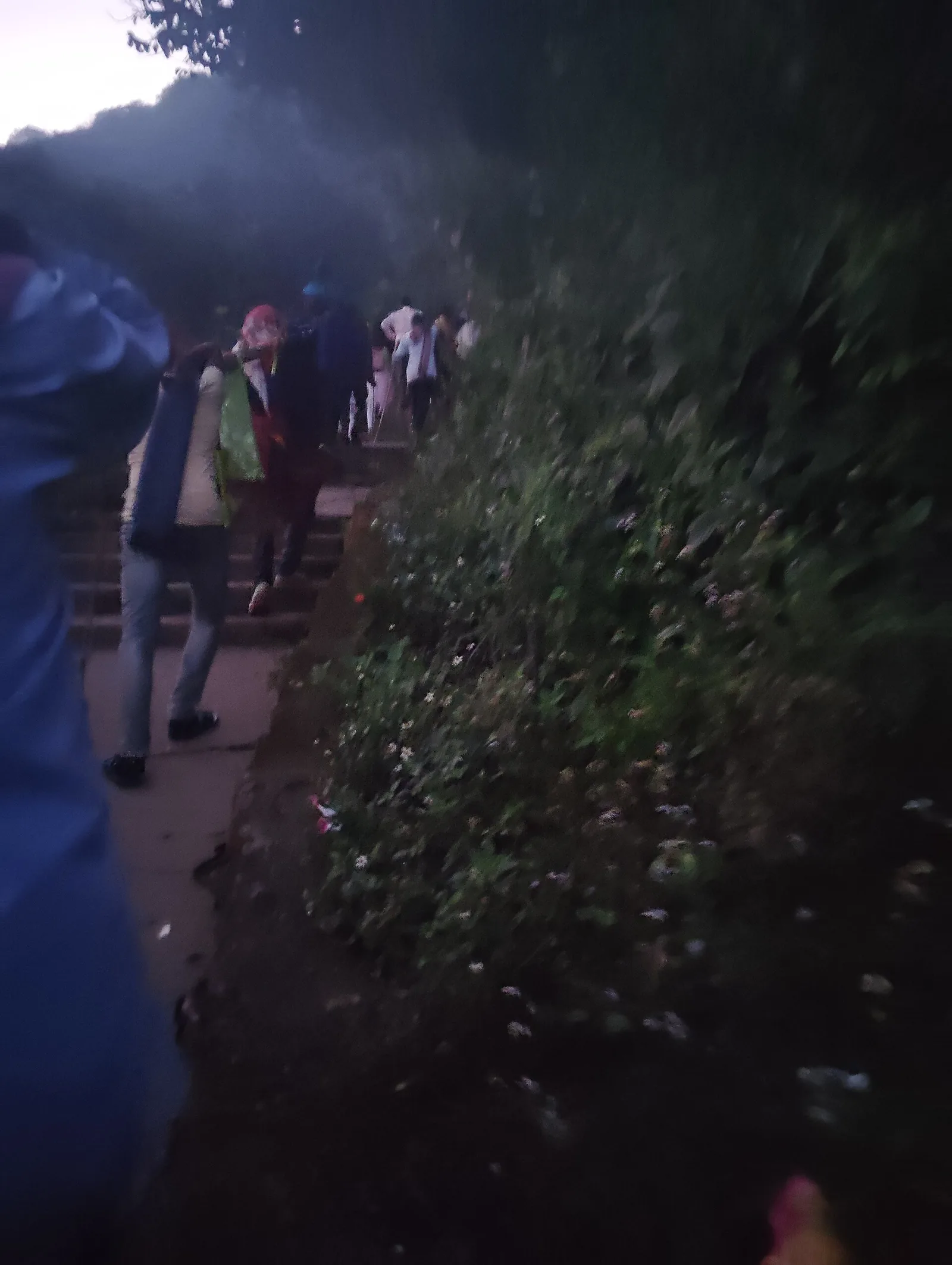
1. Luguburu Ghantabari Dharamgarh (18 km)
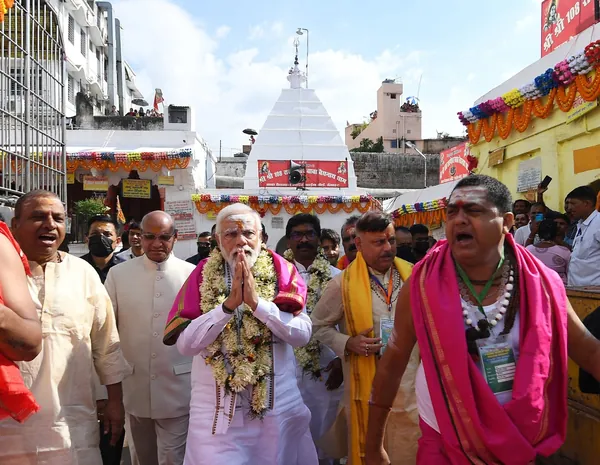
Supreme spiritual seat and global pilgrimage of the Santhal tribe tucked into the sacred Lugu hills, drawing over a million devotees during the annual Kartik Purnima Mahasammelan.
Timings: Daylight hours daily
Fee: Free access
Route: Located 18 km south in Lugu Hills.
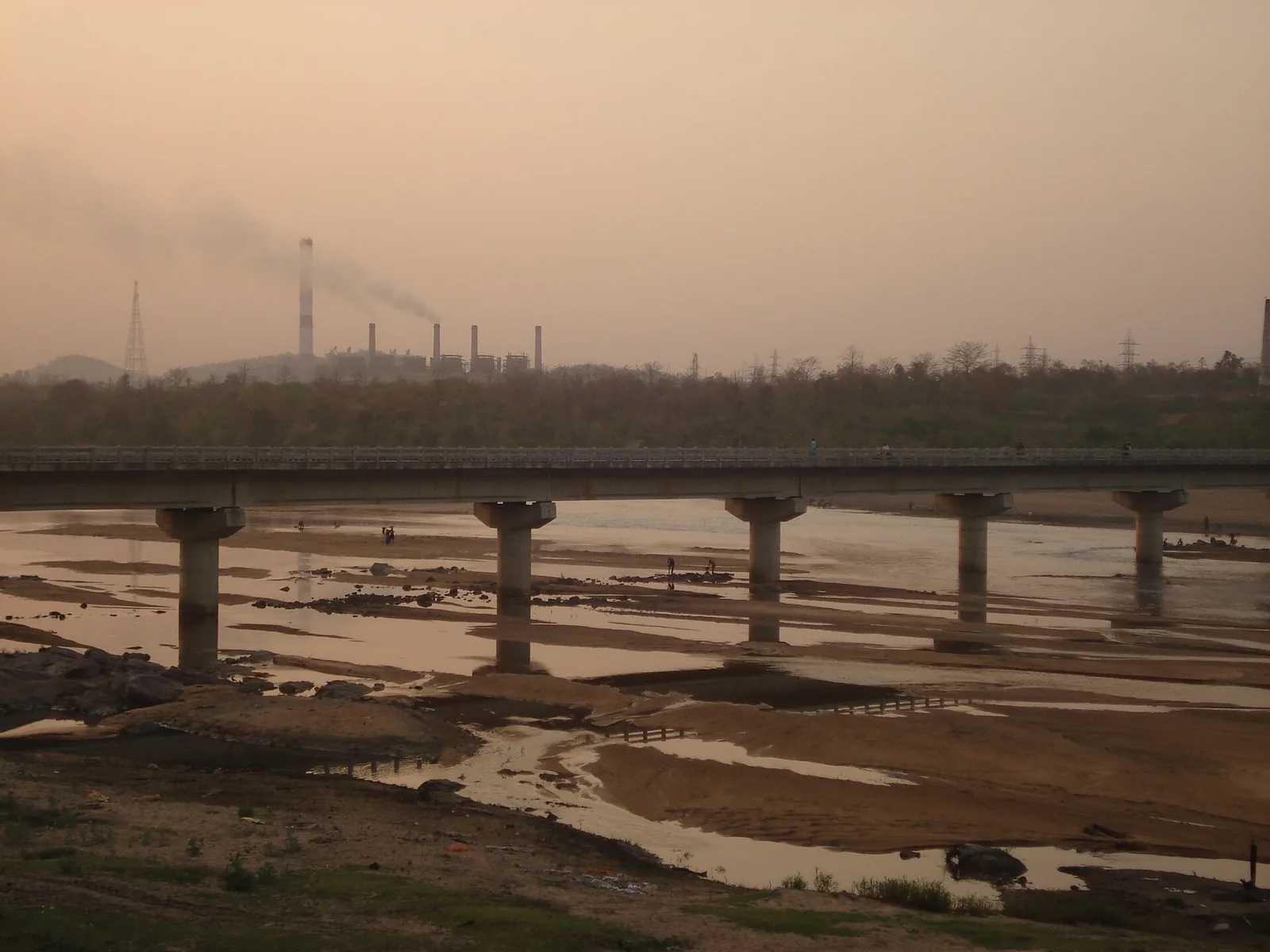
2. Indian Explosives Limited (IEL) Industrial Complex
Historic 1955 industrial manufacturing center established with Imperial Chemical Industries (ICI) as the pioneer of commercial blasting explosives for Indian mining.
Timings: 9:00 AM to 5:00 PM (Prior permission for industrial areas)
Fee: Free visitor entry on approval
Route: Located in IEL Township.
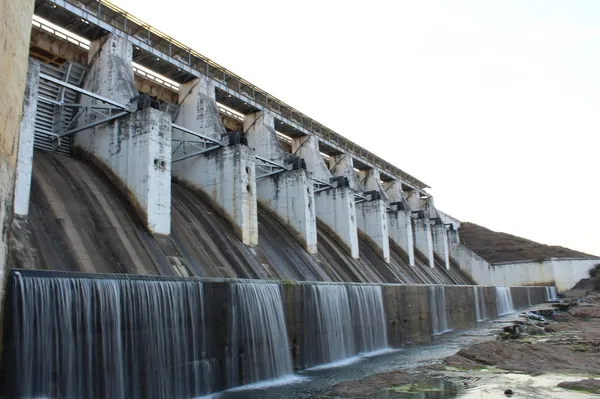
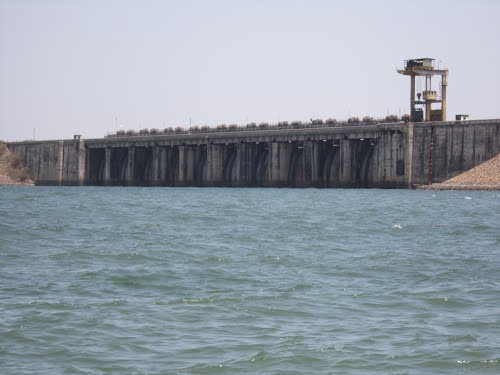
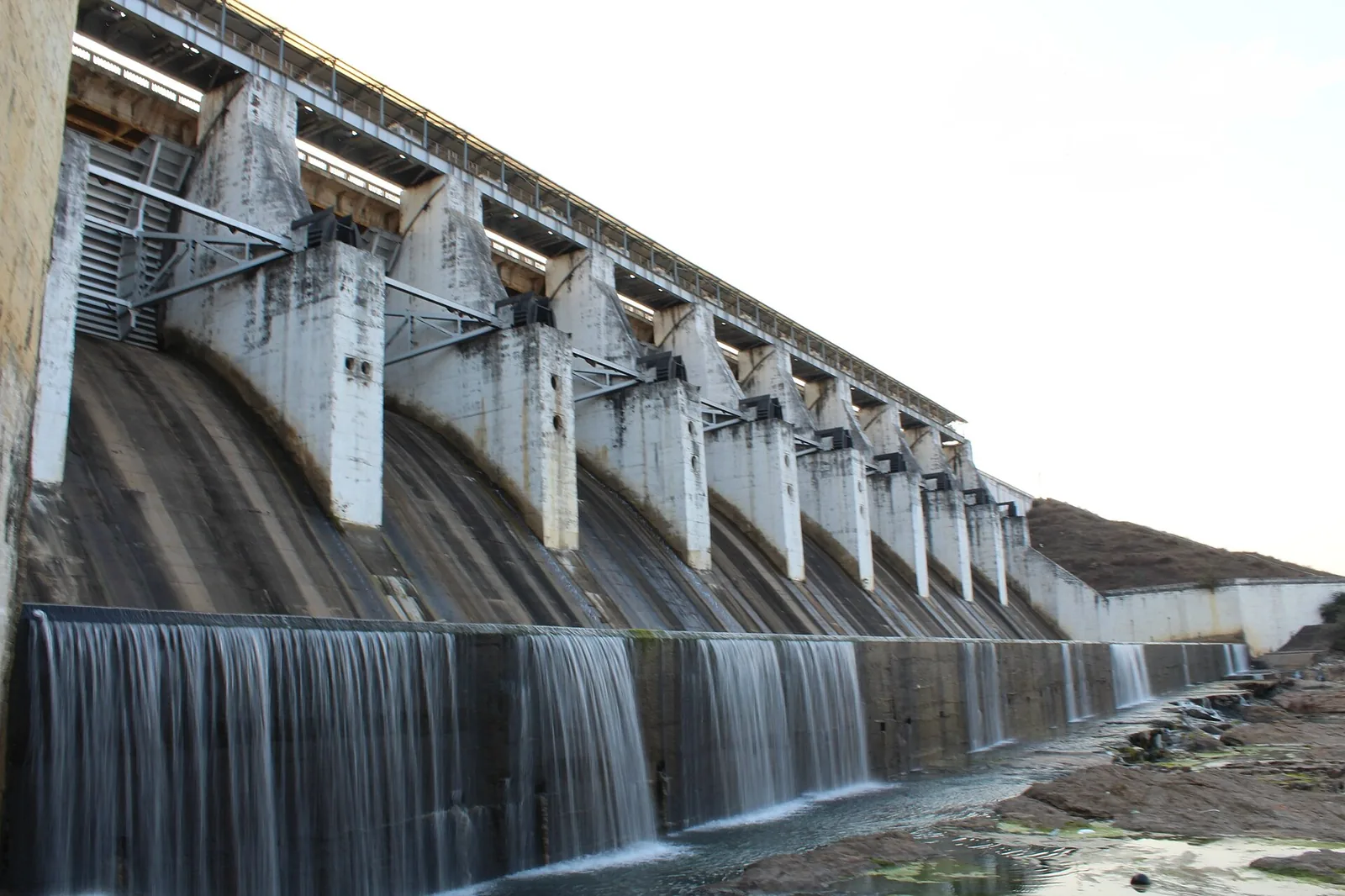
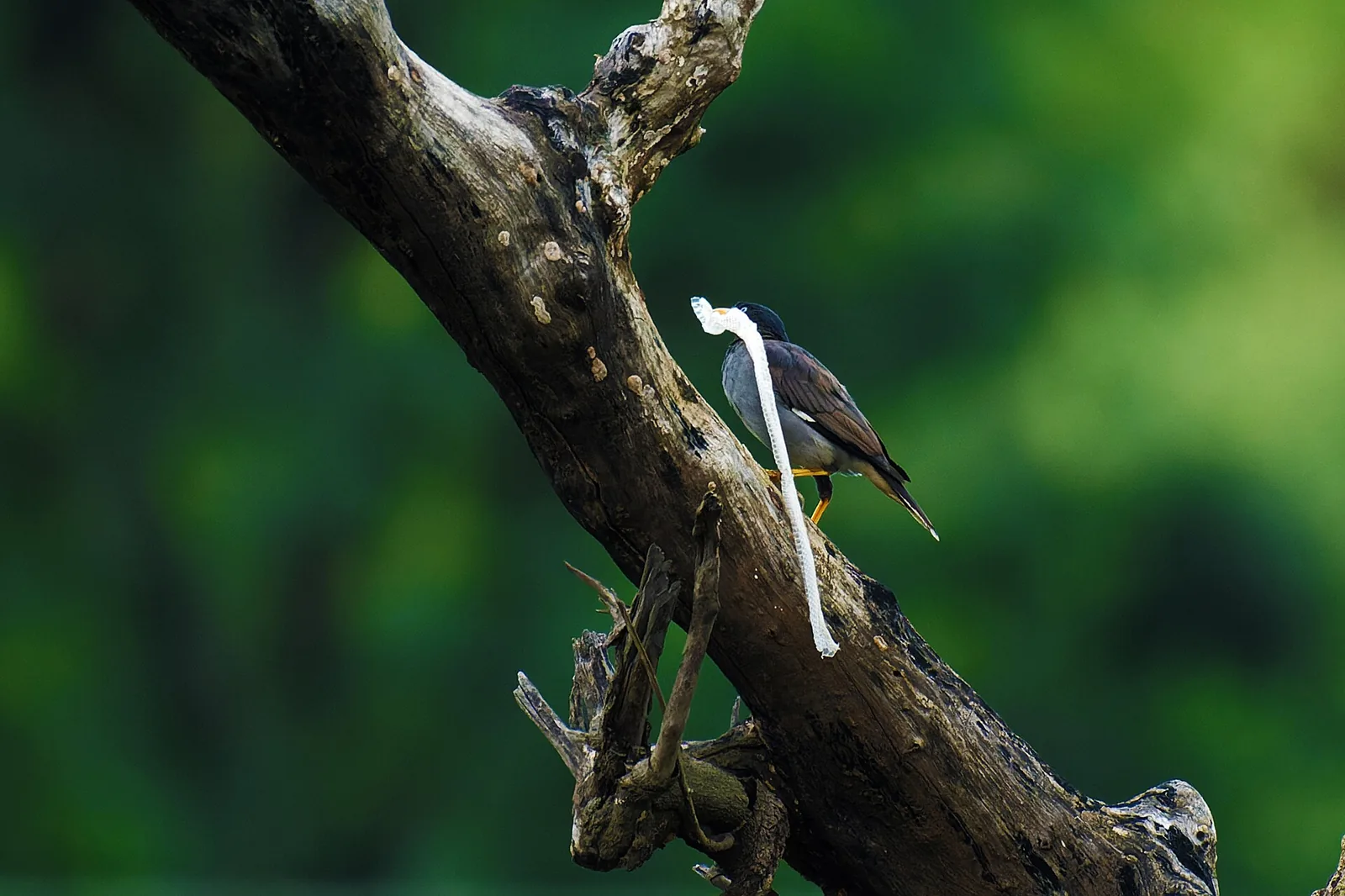
3. Tenughat Dam & Damodar Reservoir (22 km)
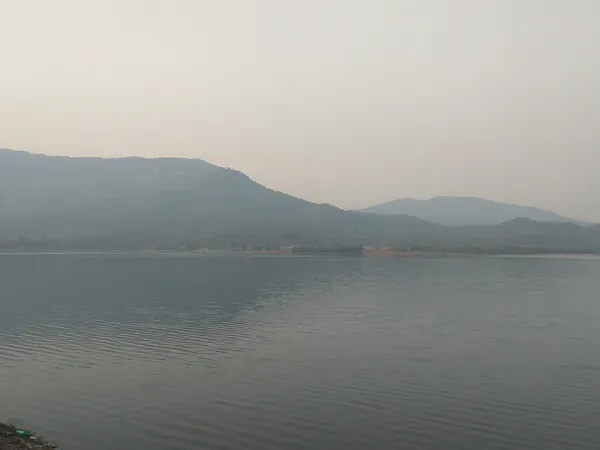
Massive earthen dam across the Damodar River offering quiet water expanses, boating excursions, and scenic picnic hillocks.
Timings: Daylight hours
Fee: Free access
Route: Located 22 km southeast near Petarwar.
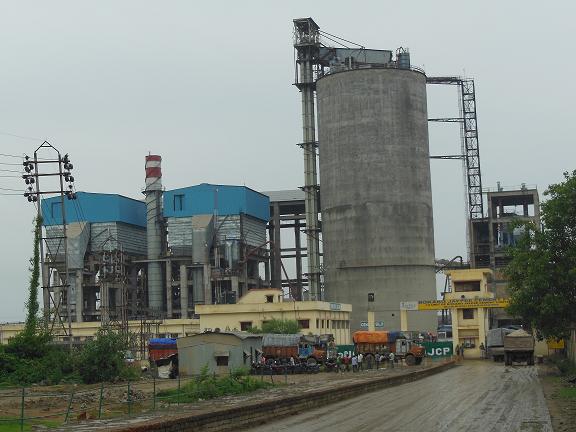
4. Konar Dam & DVC Hydroelectric Project (30 km)
Historic 1955 Damodar Valley Corporation dam built across the Konar River surrounded by dense sal and teak forests.
Timings: Daylight hours
Fee: Free access
Route: Located 30 km northwest in Hazaribagh border.
5. Konar River Valley & Forest Rapids
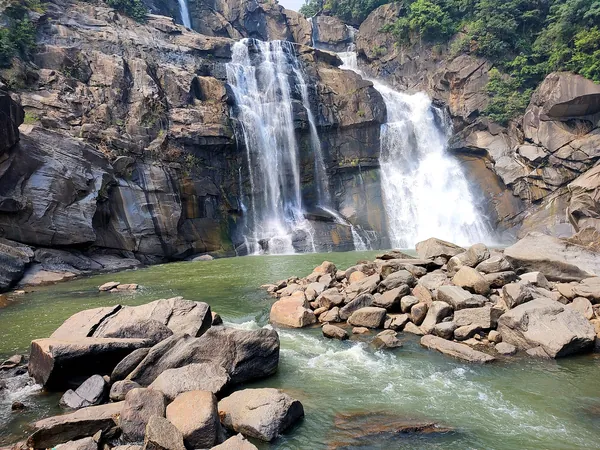
Scenic river valley featuring natural boulder formations, freshwater rapids, and tranquil spots for photography and nature walks.
Timings: Daylight hours
Fee: Free access
Route: Located along town riverfronts.
6. Parasnath Hill & Shikharji Jain Pilgrimage (45 km)
Highest mountain peak in Jharkhand (1,365 m) and supreme pilgrimage where 20 of the 24 Tirthankaras attained Nirvana.
Timings: 4:00 AM to 6:00 PM daily
Fee: Free access
Route: Located 45 km north in Madhuban.
7. Santhal Tribal Villages & Sacred Groves (Jaher Than)
Traditional Santhal hamlets preserving sacred Sal tree groves, hand painted mud house walls, and customary community councils.
Timings: Daylight hours
Fee: Free access
Route: Located in surrounding countryside.
8. Gumia APMC Forest Produce & Mahua Mandi
Active rural trading exchange dealing in wild forest honey, dried mahua flowers, sal seeds, and medicinal herbs.
Timings: 8:00 AM to 6:00 PM daily
Fee: Free access
Route: Located at Market Yard.
9. Gumia Traditional Santhal Handlooms & Silk Guilds
Artisan weaving cooperatives crafting traditional Panchi Parhan dhotis, cotton tribal shawls, and naturally golden Tussar silk fabrics.
Timings: 9:30 AM to 7:00 PM daily
Fee: Free workshop visits
Route: Located in Weavers Enclave.
10. Gumia Traditional Dokra & Clay Craft Guilds
Tribal artisan workshops casting lost wax Dokra brass animal statues, tribal jewelry, and hand thrown terracotta kitchen handis.
Timings: 9:00 AM to 6:30 PM daily
Fee: Free access
Route: Located in Artisan Colony.
11. Gumia Traditional Sweet Marts (Chhena Poda & Peda)
Renowned local confectioneries serving hot baked Chhena Poda, sweet Belgrami, Tilkut, and Arsa Pitha daily.
Timings: 7:00 AM to 9:30 PM daily
Fee: Free access
Route: Located along Main Road.
12. Traditional Chota Nagpur Food Stalls
A delightful food street serving authentic Litti Chokha with pure ghee, crispy Dhuska with spicy Ghugni, and clay kulhad tea.
Timings: 7:00 AM to 10:30 PM daily
Fee: Free access
Route: Located along SH 2 highway corridor.
Gumia Photo Gallery & Attractions
Explore high-resolution photographs of iconic temples, historical monuments, and scenic landmarks in Gumia.
Plan Your Gumia Trip Now
Get the best verified hotel deals and customized tour packages. Book directly on EarthTrip and save up to 45%!