Chaibasa — Travel Guide
Chaibasa, celebrated across Jharkhand and India as an important historic hub, cultural center, and scenic gateway, is an engaging destination in Jharkhand.
It's the home of ancient heritage monuments, sacred temples, lively traditional bazars, fertile agricultural valleys, and scenic regional rivers and mountain foothills.
It works as a primary administrative center, regional trade market, and transport gateway connecting major highways and rail corridors across Jharkhand.
It represents a rich cultural blend where centuries of royal history, traditional artisan crafts, religious harmony, and authentic regional culinary flavors unite.
Located in Jharkhand, it offers excellent highway and railway connections, welcoming thousands of travelers, pilgrims, and heritage enthusiasts every year.
Morning breezes drifting over the historic streets carry the appetizing aroma of authentic regional delicacies, hot crispy snacks, fresh bread, and steaming cups of clay kulhad masala chai.
You'll also enjoy traditional breakfast specialties, wholesome thalis prepared with pure ghee, local sweets, and fresh fruit juices, while temple bells and birdsong greet the dawn.
Active markets, handicraft workshops, agricultural yards, and passing transport define the daily rhythm of this energetic historic town.
Chaibasa is famous for ancient temples, historic forts, artisan markets, scenic viewpoints, and authentic traditional food.
It's a practical base if you want to explore ancient architecture, discover rich cultural traditions, shop for local handicrafts, and taste authentic food.

The surrounding territory holds deep antiquity shaped by ancient dynasties who ruled the region, built stone fortifications, patronized art and architecture, and protected sacred shrines.
From the historic citadel walls to the peaceful riverbanks, you'll discover rewarding cultural landmarks across the district.
Local life centers around agriculture, traditional craftsmanship, spiritual devotion, and warm local hospitality. You can view the sunrise over the valley at dawn, explore historic temples and bazars by midday, and watch the sunset from scenic viewpoints by evening.
Adding Chaibasa to your travel plans works well for spiritual pilgrims, heritage seekers, photographers, and road trippers exploring Jharkhand.
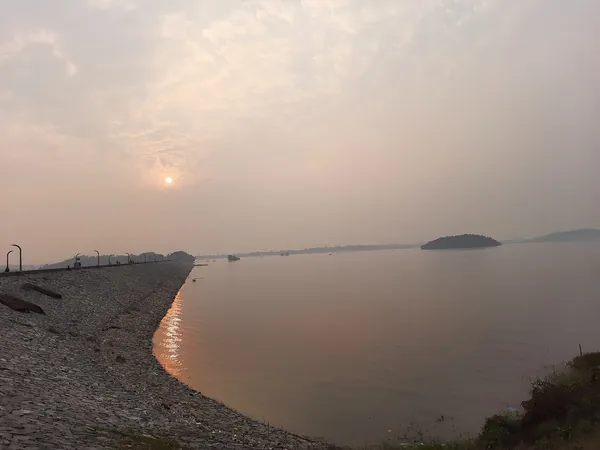
You can view the glowing golden sunset reflecting off historic monuments and watch the evening lamps illuminate the marketplace by dusk. The journey is worth every rupee. Chaibasa provides an authentic, peaceful, and culturally deep travel experience.
Planning your trip around the pleasant winter sightseeing season from October to March, annual temple festivals, or regional cultural celebrations will give you the best experience across Jharkhand. Here is the seasonal breakdown:
Best Time to Visit by Season
• Winter Season (October to March): The premier travel window. Pleasant, crisp, and sunny with comfortable daytime temperatures, ideal for fort exploration, temple darshans, and photography.
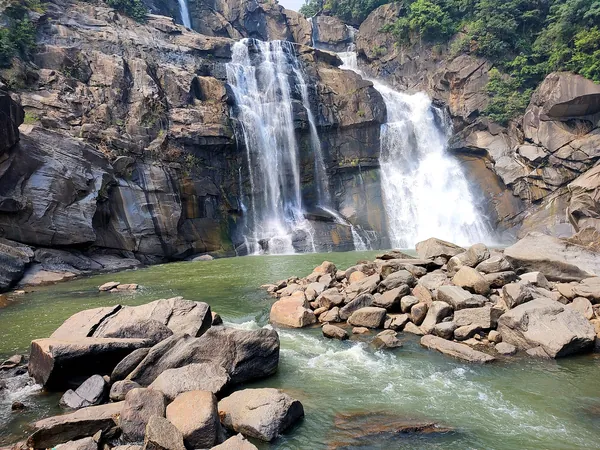
• Monsoon Season (July to September): Moderate rainfall turns the countryside lush green with gushing streams and cool breezes.
• Summer Season (April to June): Warm and dry with sunny afternoons. Early morning and evening visits are recommended.
Major Annual Cultural & Spiritual Celebrations
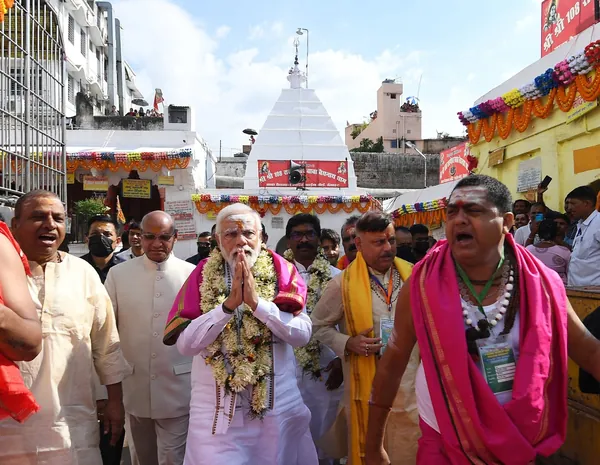
• Maha Shivaratri & Navaratri: Celebrated with great devotion across local temples with grand abhishekams, illuminated processions, and cultural shows.
• Annual Temple Rath Yatra: Grand annual chariot procession drawing thousands of devotees from neighboring towns.
• Diwali & Dussehra Fairs: Celebrated with traditional markets, cultural theatricals, and illuminated public spaces.
• Regional Folk Festivals: State level cultural fairs celebrating traditional music, folk dance, and rural handicrafts.
What Chaibasa is Famous For
• Historic Forts & Temples: Centuries old architectural heritage and sacred shrines.
• Handicrafts & Handlooms: Traditional artisan textiles, pottery, and brass crafts.
• Regional Cuisine: Authentic local thalis, crispy street food, sweets, and masala chai.
Reaching Chaibasa in Jharkhand is simple because national and state highways, regional railway connections, and nearby airports provide reliable multi modal transit connectivity. Here is your complete transit guide:
By Air
• Nearest Airport: Well connected regional airport located within comfortable driving distance offering regular flights to major metro cities.
• International Connections: Major international airports in the state connect the destination with worldwide flights.
• Airport Transfers: Pre paid cabs, rental taxis, and state transport express buses operate regular direct highway transfers to Chaibasa.
By Train
• Chaibasa Railway Station: Located directly in town with daily express, passenger, and superfast train halts connecting major commercial hubs.
• Mainline Rail Junction: Nearby major railway junctions offer round the-clock nationwide train connectivity.
• Connecting Express Trains: Superfast express trains connect the region smoothly across India.
By Road
• National & State Expressways: Smooth multi lane highways connect Chaibasa directly with neighboring district capitals.
• State Transport Bus Services: State road transport corporation runs frequent AC, Deluxe, and Ordinary buses between major cities every few minutes.
• Inter State Bus Connectivity: Private sleeper coaches and government luxury buses operate daily overnight services.
Local Commuting & Sightseeing Access
• Auto Rickshaws & E Rickshaws: Readily available at Chaibasa Bus Stand, Railway Station, and Main Market for quick local commuting.
• Rental Private Cabs: Hiring a private taxi is the most convenient way to explore the regional circuit covering forts, temples, nature sanctuaries, and markets in a single day.
Purchasing authentic handmade textiles directly from artisan cooperatives, buying locally produced agro commodities, and tasting traditional culinary specialties is an enjoyable part of visiting Jharkhand. Here are the top items to buy and try:
What to Buy (Handlooms, Crafts & Sweets)
• Traditional Handloom Textiles: Pure cotton and silk fabrics, shawls, and garments hand woven by local artisan weavers.
• Authentic Regional Sweets: Fresh pedas, milk based sweets, and syrup soaked delicacies packed fresh from local sweet shops.
• Handcrafted Terracotta Pottery: Decorative clay pots, planters, and traditional festival lamps.
• Hand Hammered Brass & Metal Crafts: Traditional brass pooja lamps, bells, and decorative cookware.
• Pure Cold Pressed Cooking Oils: Aromatic unrefined cooking oils pressed fresh from locally harvested seeds.
Famous Local Food Specialties
• Authentic Regional Thali: Wholesome meal featuring hot flatbreads, flavorful lentils, vegetable curries, rice, and crisp papad.
• Crispy Street Snacks: Hot deep fried fritters and stuffed pastries served with spicy mint and sweet tamarind chutneys.
• Traditional Vegetable Curries: Freshly harvested vegetables slow cooked with aromatic regional whole spices.
• Rich Milk Desserts: Slow reduced milk delicacies flavored with cardamom, saffron, and roasted nuts.
• Steaming Clay Kulhad Masala Chai: Strong ginger cardamom tea brewed fresh with whole milk in unglazed earthen cups.
Must-Visit Places in Chaibasa
Chaibasa and the surrounding regional corridor offer ancient temples, historic forts, scenic riverfronts, and traditional handicraft markets. Here are the top attractions to visit during your stay.
1. Historic Chaibasa Fort & Heritage Complex
Ancient fortification featuring stone bastions, royal courtyards, historic gateways, and sweeping panoramic views of the surrounding valley.
Timings: 8:00 AM to 6:00 PM daily
Fee: Free access
Route: Located in central Chaibasa.

2. Sacred Ancient Shiva & Devi Temple
Revered stone shrine dedicated to Lord Shiva and the Divine Mother, drawing thousands of devotees for daily morning prayers and annual festivals.
Timings: 5:30 AM to 8:30 PM daily
Fee: Free access
Route: Located near the town center.
3. Scenic Riverfront Ghats & Walking Promenade
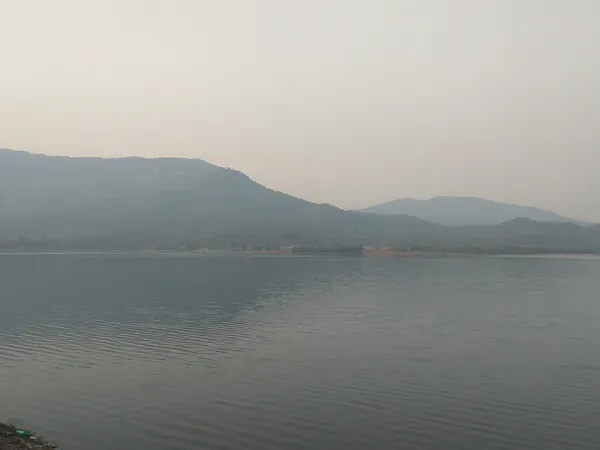
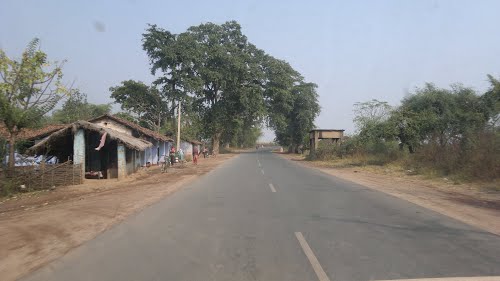
Peaceful riverbank promenade offering refreshing breezes, holy bathing steps, boating facilities, and scenic sunset views across the water.
Timings: Open all hours
Fee: Free access
Route: Located along the riverfront.

4. Regional Wildlife Sanctuary & Nature Reserve
Protected forest reserve home to spotted deer, peacocks, migratory birds, and native flora with guided nature walking trails.
Timings: 6:00 AM to 5:30 PM daily
Fee: Nominal entry permit fee applies
Route: Located 15 km from town.
5. Historic Royal Palace & Museum
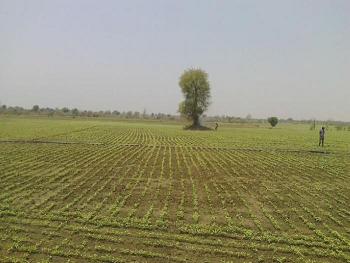
Centuries old royal residence showcasing antique weapons, royal paintings, ancient coins, and ornate architectural carvings.
Timings: 9:00 AM to 5:00 PM (Closed Mondays)
Fee: Nominal entry fee
Route: Located in the heritage quarter.
6. Sacred Sufi Dargah & Spiritual Shrine
Revered spiritual shrine set amidst peaceful courtyards, celebrated for communal harmony and annual Urs celebrations.
Timings: 6:00 AM to 9:00 PM daily
Fee: Free access
Route: Located near the old market.
7. Chaibasa APMC Agricultural & Grain Mandi
Major agricultural exchange handling thousands of tons of wheat, rice, mustard, and seasonal farm produce daily.
Timings: 8:00 AM to 6:00 PM daily
Fee: Free access
Route: Located at Market Yard.
8. Traditional Handloom & Textile Weaving Guilds
Artisan cooperatives weaving traditional fabrics, shawls, and cotton garments on traditional wooden handlooms.
Timings: 9:00 AM to 6:30 PM daily
Fee: Free workshop visits
Route: Located in Weavers Colony.
9. Traditional Terracotta & Pottery Guilds
Local potters shaping porous red clay water pots, clay cookware, and festive decorative oil lamps.
Timings: 9:00 AM to 6:30 PM daily
Fee: Free access
Route: Located in Kumhar Mohalla.
10. Traditional Brass & Metal Craft Guilds
Local metal smiths casting traditional brass pooja articles, temple bells, and decorative home artifacts.
Timings: 9:30 AM to 7:00 PM daily
Fee: Free access
Route: Located in Kasera Bazar.
11. Traditional Sweet Marts & Confectioneries
Renowned local sweet shops preparing authentic regional sweets, fresh pedas, and hot crispy jalebis daily.
Timings: 7:00 AM to 9:30 PM daily
Fee: Free access
Route: Located along Station Road.
12. Traditional Local Food Stalls & Dhabas
A delightful food street serving authentic local curries, crispy breads, wholesome thalis, and clay kulhad chai.
Timings: 6:00 AM to 11:00 PM daily
Fee: Free access
Route: Located along the main highway corridor.
Chaibasa Photo Gallery & Attractions
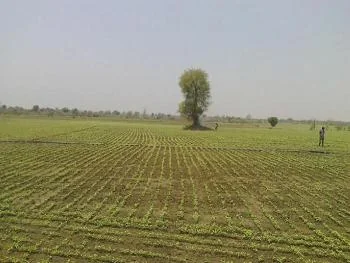
Explore high-resolution photographs of iconic temples, historical monuments, and scenic landmarks in Chaibasa.
Plan Your Chaibasa Trip Now
Get the best verified hotel deals and customized tour packages. Book directly on EarthTrip and save up to 45%!