- .
- info@earthtrip.in
-
INR
-
USD
INR
USD
The Sidi Saiyyed Mosque, located in the bustling Lal Darwaza quarter of old Ahmedabad in Gujarat, is one of the most celebrated examples of Indo Islamic st...
The Sidi Saiyyed Mosque, located in the bustling Lal Darwaza quarter of old Ahmedabad in Gujarat, is one of the most celebrated examples of Indo Islamic stone tracery on Earth, internationally famous for its delicate "Tree of Life" sandstone jali screens.
Constructed in 1572 73 AD (980 Hijri) during the closing reign of the Gujarat Sultanate under Sultan Muzaffar Shah III, this yellow sandstone mosque was commissioned by Sidi Saiyyed, an Abyssinian (Habshi) noble and military general who served in the royal army of Bilal Jhujar Khan.
It's the home of ten semicircular arched windows featuring pierced filigree stone screens, the iconic twin "Tree of Life" jalis carved with intertwining palm boughs and floral arabesques, an ornate marble prayer mihrab, and graceful square sandstone pillars upholding arched vaulted bays.
It represents a rich cultural symbol of Ahmedabad's UNESCO World Heritage city identity, where East African Habshi heritage, Gujarati stone carving guilds, and Islamic geometric symmetry unite along the eastern bank of the Sabarmati.
Situated near the historic Bhadra Fort, it sits 2.5 km west of Ahmedabad Junction Railway Station (Kalupur), 8 km from Sardar Vallabhbhai Patel International Airport, and just 500 meters from the Sabarmati Riverfront Promenade.

Sidi Saiyyed was an influential nobleman of African origin (Siddi / Habshi community) who rose through military merit in the royal court of the Gujarat Sultanate. Known for his public philanthropy and deep piety, he funded the construction of this mosque as his personal gift to the city.
The mosque was nearly complete in 1573 when Mughal Emperor Akbar conquered Gujarat and annexed Ahmedabad into the Mughal Empire. Because of this sudden political transition, the central rear wall archway remained uncarved and was filled with solid stone blocks instead of pierced latticework.
Truth is, despite this unfinished central arch, the completed side jalis are recognized by global art historians as the absolute high water mark of delicate stone relief carving in human history.
The mosque features ten semicircular arched window bays along its side and rear walls. While eight windows display geometric grid tracery with square and rectangular motifs, the two rear lateral windows showcase the legendary "Tree of Life" (Sidi Saiyyed Ni Jali).
Carved out of single massive slabs of yellow sandstone, these jalis depict intertwined palm trunks branching out into hundreds of curling tendrils, broad palm leaves, and blooming lotus blossoms that filter natural sunlight into soft, lacy patterns across the prayer floor.
The intricate design is so iconic that the Indian Institute of Management Ahmedabad (IIM A) chose the Tree of Life jali as its prestigious official emblem.

Visiting during the early morning hours allows you to see the rising sun cast long geometric shadows of the stone filigree across the polished prayer hall floor while avoiding heavy city traffic around Lal Darwaza.
The mosque remains an active place of daily worship. Visitors of all faiths are warmly welcomed to explore the open courtyard and admire the exterior stone screens free of charge, with modest dress required inside the sanctum.
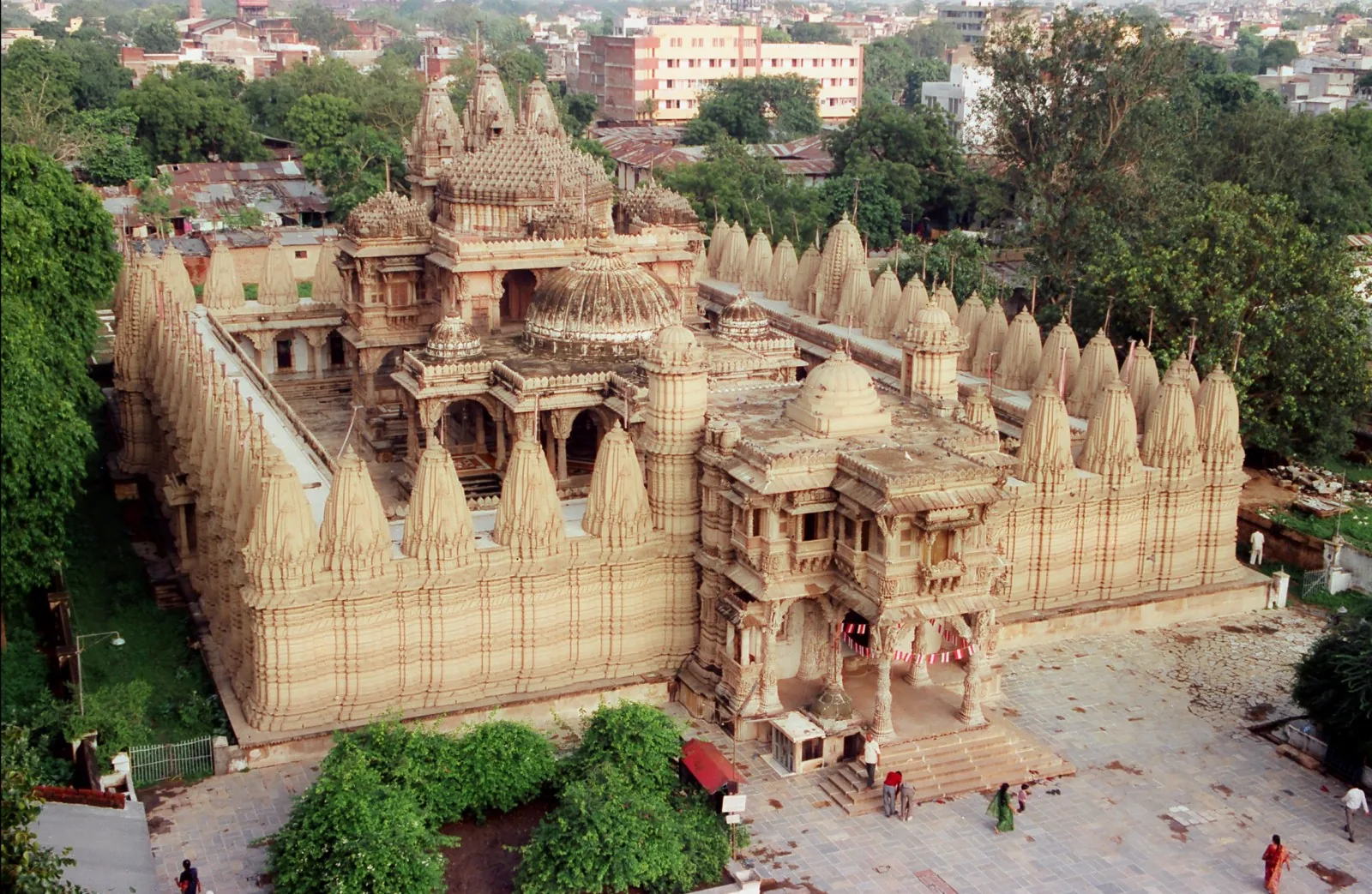
Combine your visit with nearby historic landmarks including the Bhadra Fort, Teen Darwaza, Jama Masjid, and the Manek Chowk heritage food bazaar for an enriching walking tour of old Ahmedabad.
Reaching the Sidi Saiyyed Mosque at Lal Darwaza is straightforward from anywhere across Ahmedabad in Gujarat.
Best Time to Visit:
Explore more architectural wonders across Gujarat.
 Honeymoon
 Honeymoon
 Honeymoon
 Honeymoon
 Honeymoon
 Honeymoon
 ★★★ Hotel
Hotel Shompen - named after a local Tribe of Andaman and Nicobar Islands is situated in th…
View Hotel Details ★★★ Hotel
Megapode Resort is located just 4 kilometers away from the airport amidst lush green hills…
View Hotel Details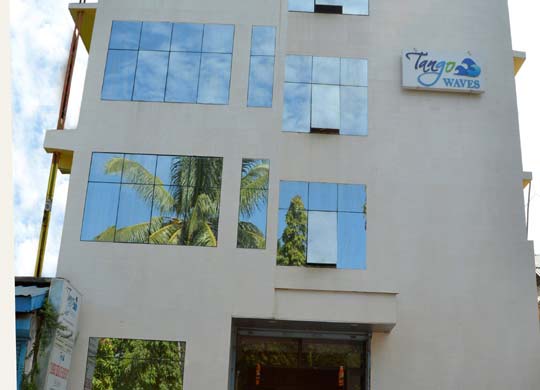 ★★ Hotel
TANGO WAVES is located Opp.Chinmoya Mission. It is one - way of advance trip of life. Alwa…
View Hotel Details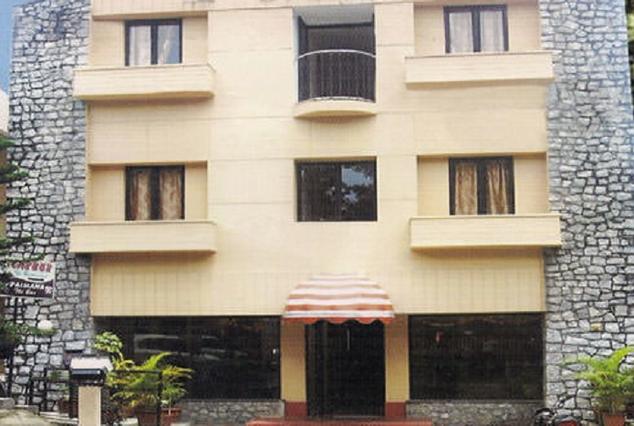 ★★ Hotel
Hotel Aparupa, Portblair, is a centrally located and tastefully furbished accommodation in…
View Hotel Details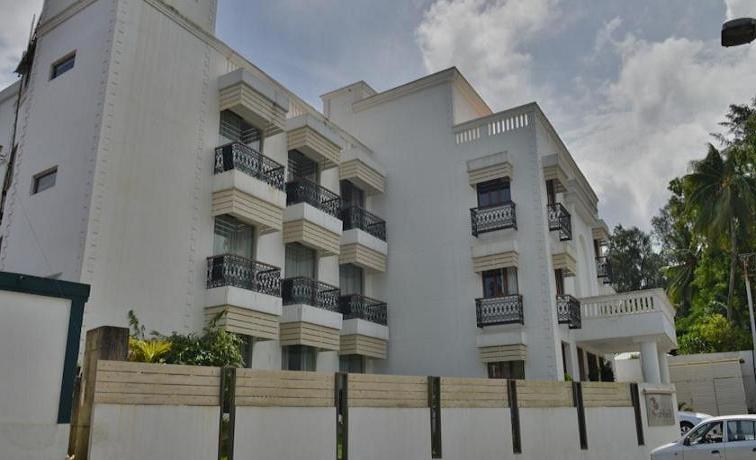 ★★★★ Hotel
Perched on top of Marine Hill, our property provides a panoramic view of the sea as well o…
View Hotel Details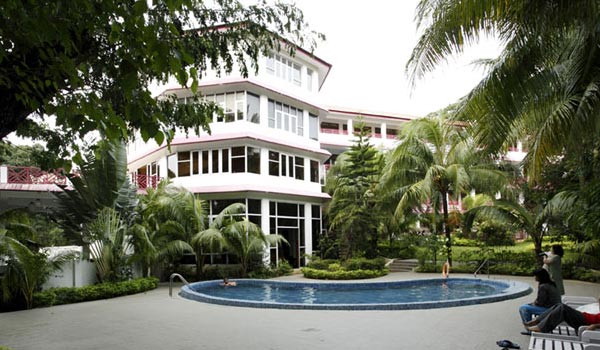 ★★★★ Hotel
Hotel Sentinel-named after a local tribe of Andaman & Nicobar Islands is located in the he…
View Hotel Details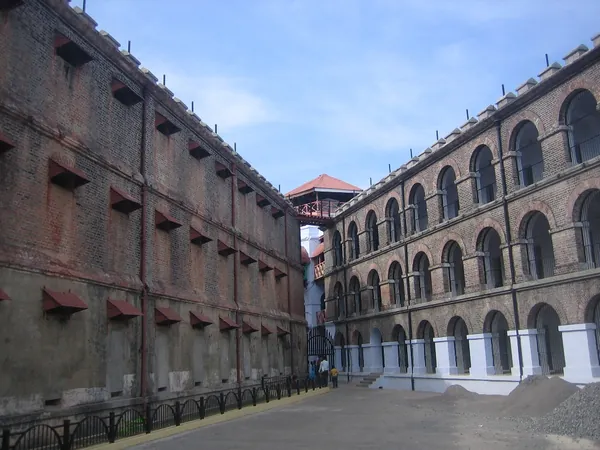 Attraction
Cellular Jail in Port Blair (revered across the Indian nation as 'Kala Pani' / Black Water…
Explore Cellular Jail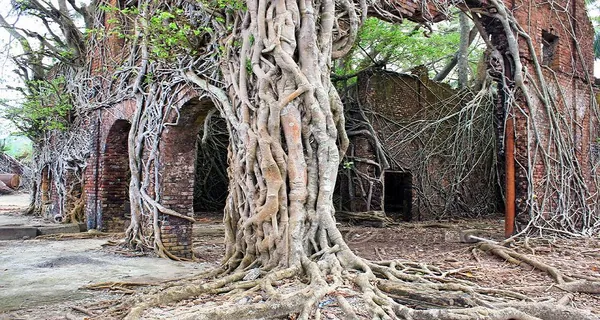 Attraction
Ross Island in Port Blair (officially renamed Netaji Subhash Chandra Bose Dweep and celebr…
Explore Ross Island Attraction
Viper Island in Port Blair (celebrated across Indian freedom struggle chronicles as the fo…
Explore Viper Island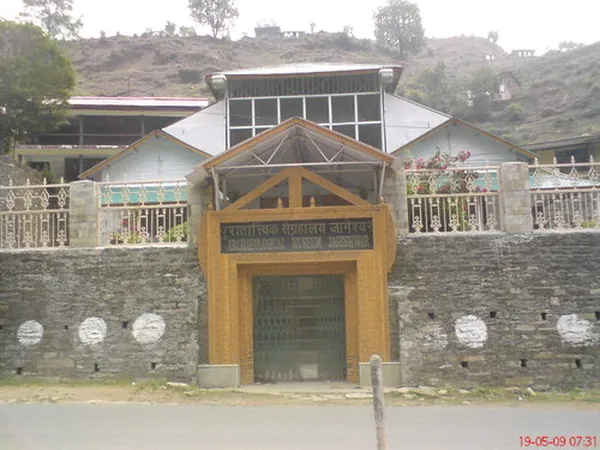 Attraction
Museums in Port Blair (celebrated across India as the supreme cultural, tribal, and marine…
Explore Museums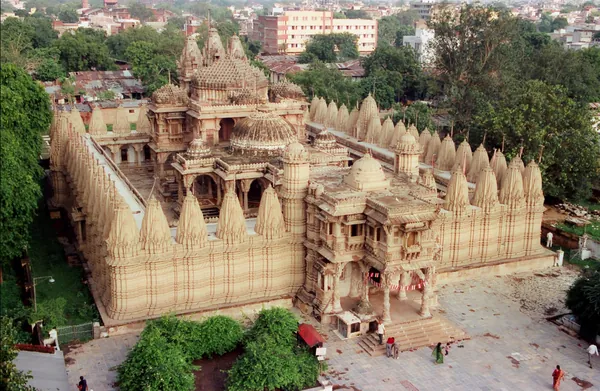 Heritage
The Calico Museum of Textiles, tucked within the peaceful tree shaded grounds of The Retre…
Explore Anthropological Museum Heritage
The White Rann, celebrated globally as the Great White Desert of Kutch, spans over 7,500 s…
Explore Samudrika Naval Marine MuseumExplore high-resolution photographs of iconic landmarks, temples, and scenic spots in Port Blair.
Essential visitor information regarding timings, entry tickets, location, nearby attractions, and travel guide in Portblair.
The mosque is renowned for its delicate 'Tree of Life' sandstone jali screens carved in 1572 AD. The pierced filigree stone tracery depicting intertwined palm branches is considered the finest in Indo-Islamic architecture and serves as the logo of IIM Ahmedabad.
The mosque is renowned for its delicate 'Tree of Life' sandstone jali screens carved in 1572 AD. The pierced filigree stone tracery depicting intertwined palm branches is considered the finest in Indo-Islamic architecture and serves as the logo of IIM Ahmedabad.
The mosque was built in 1572–73 AD by Sidi Saiyyed, an Abyssinian (Habshi) general in the royal army of Bilal Jhujar Khan during the final year of the Gujarat Sultanate.
The mosque was built in 1572–73 AD by Sidi Saiyyed, an Abyssinian (Habshi) general in the royal army of Bilal Jhujar Khan during the final year of the Gujarat Sultanate.
The mosque is open daily from 6:00 AM to 8:00 PM. Entry is completely free for all visitors. Tourists can explore the courtyard and view the jalis outside of active prayer (namaz) times.
The mosque is open daily from 6:00 AM to 8:00 PM. Entry is completely free for all visitors. Tourists can explore the courtyard and view the jalis outside of active prayer (namaz) times.
The mosque was nearing completion in 1573 when Mughal Emperor Akbar conquered Gujarat. The construction abruptly stopped during the regime change, leaving the central rear arch filled with plain stone blocks.
The mosque was nearing completion in 1573 when Mughal Emperor Akbar conquered Gujarat. The construction abruptly stopped during the regime change, leaving the central rear arch filled with plain stone blocks.
The mosque is located at Lal Darwaza on Relief Road, just 2.5 km west of Ahmedabad Junction Railway Station (Kalupur). It takes less than 10 minutes by auto rickshaw or city bus.
The mosque is located at Lal Darwaza on Relief Road, just 2.5 km west of Ahmedabad Junction Railway Station (Kalupur). It takes less than 10 minutes by auto rickshaw or city bus.
Get a customized itinerary and the best deals on packages and hotels.
Enquire Now
City Guide
 City Guide
 City Guide





