- .
- info@earthtrip.in
-
INR
-
USD
INR
USD
Dholavira, rising out of the shimmering white salt flats of Khadir Bet island in the Great Rann of Kutch, is one of the five largest and most sophisticated...
Dholavira, rising out of the shimmering white salt flats of Khadir Bet island in the Great Rann of Kutch, is one of the five largest and most sophisticated metropolises of the ancient Indus Valley Civilization, recognized globally as a UNESCO World Heritage Site in Gujarat.
Locally known as Kotada Timba (large fortress), this 5,000 year-old Bronze Age stone city was occupied continuously from circa 3000 BC to 1500 BC, demonstrating the ancient world's most advanced urban planning, hydraulic engineering, and maritime trade craftsmanship.
It's the home of massive dressed limestone citadel ramparts, sixteen gigantic rock cut water reservoirs engineered to capture seasonal river runoffs, a grand ceremonial stadium for public gatherings, and the famous 10 letter Harappan Signboard discovered at the northern gateway.
It represents a rich archaeological milestone where Bronze Age civic ingenuity, arid landscape adaptation, ancient overseas trade with Mesopotamia, and modern desert exploration unite across the Great Rann.
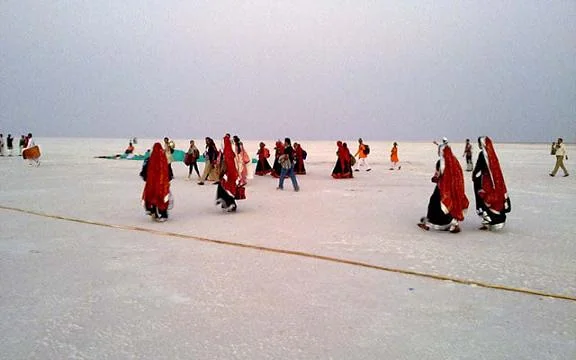
Located in Kutch district, it sits 215 km northeast of Bhuj, 130 km from Rapar, and is accessed via the world famous "Road to Heaven" highway slicing straight through the glowing white salt desert.
Unlike the sun dried mud brick cities of Mohenjo daro and Harappa, Dholavira was constructed almost entirely using finely dressed buff sandstone and polished limestone blocks quarried from nearby hills.
The city was planned in three distinct fortified tiers: the fortified Citadel (comprising the royal Castle and Bailey) atop an elevated terrace, the Middle Town where merchants and administrative officers lived, and the Lower Town inhabited by artisans and workers.
Truth is, between the Citadel and Middle Town lies a massive 283 meter long ceremonial ground or stadium. Complete with terraced stone seating stands for thousands of spectators, this stadium hosted civic festivals, games, and royal pageants five millennia ago.

To survive in the hyper arid climate of Kutch, Harappan engineers built a network of 16 massive interconnected stone and rock cut reservoirs that could store over 250,000 cubic meters of freshwater.
They constructed stone checkdams across two seasonal streams, the Mansar and the Manhar, diverting monsoon rainwater through series of settling tanks, stone silt filters, and covered underground conduits into deep step terraced water tanks.
The largest eastern reservoir measures a staggering 73 meters in length and 10 meters in depth, featuring a rock cut stone ramp where residents walked down to draw clean potable water during dry desert summers.
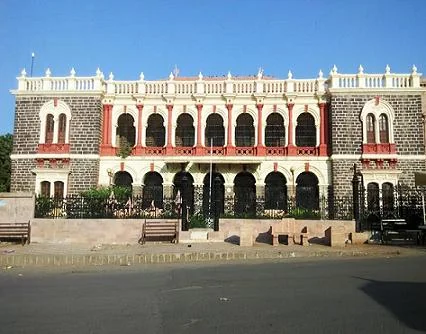
The Dholavira Signboard: At the Northern Gateway of the Castle, archaeologists unearthed ten large Indus script characters (each 37 cm high) made from white crystalline gypsum inlaid into a wooden board. It is widely regarded as the world's oldest known public billboard.
ASI Site Museum: The museum located at the entrance displays fascinating antiquities excavated from the ruins: iconic steatite unicorn seals, carnelian bead necklaces, copper axes, chert stone cubical weights, gold ornaments, and painted black on-red pottery.
Driving across the newly constructed "Road to Heaven" (NH 754K) offers an unforgettable experience as the black tarmac highway cuts directly through endless gleaming white salt flats. Combine your Dholavira trip with the Flamingo City wetlands and Fossil Park for an enriching holiday.
Reaching Dholavira on Khadir Bet in Kutch is straightforward thanks to the scenic new highway corridor across Gujarat.
Best Time to Visit:
Explore more archaeological wonders and coastal heritage across Gujarat.
 Honeymoon
 Honeymoon
 Honeymoon
 Honeymoon
 Honeymoon
 Honeymoon
 ★★★★ Hotel
Summer Sands Beach Resort, the resort through the natural environment with assortment of a…
View Hotel Details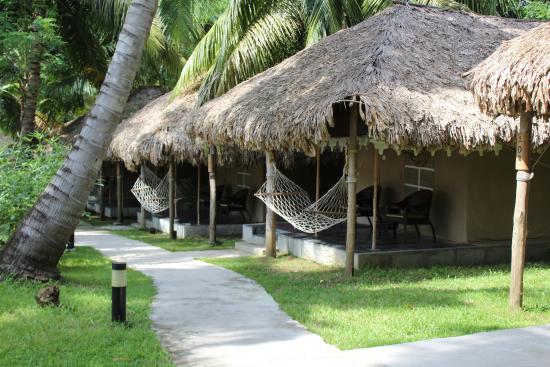 ★★★★ Hotel
Magnificent view from this beach resort provides you the combination of greenery and a bea…
View Hotel Details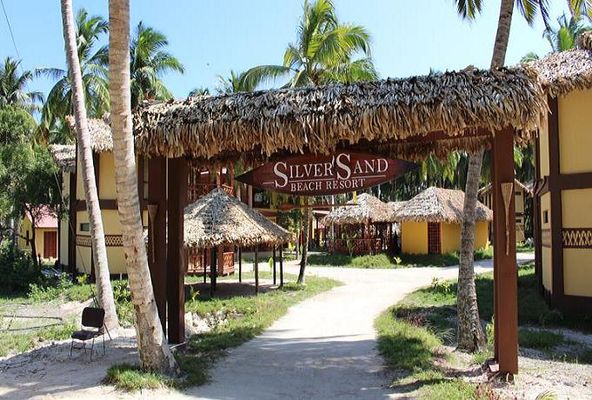 ★★★★★ Hotel
Silver Sand Beach Resort Neil is one of the best 5-star luxury resorts in Andaman nestled …
View Hotel Details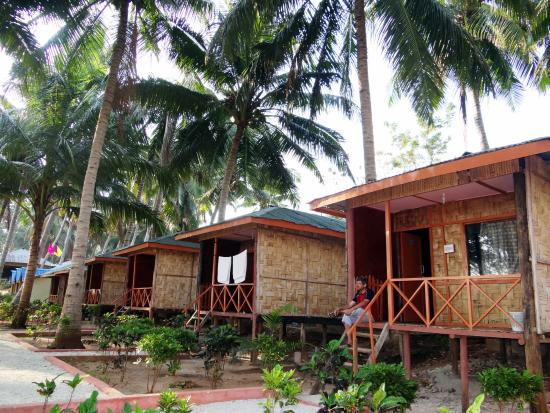 ★★★ Hotel
The Resort is located at the Natural forest garden and close to sea beach. It is one - way…
View Hotel Details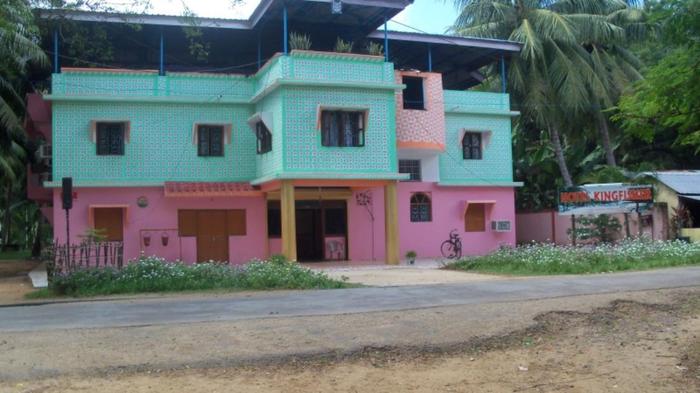 ★ Hotel
Hotel Kingfisher-Neil Island is the perfect choice. From here, guests can enjoy easy acces…
View Hotel Details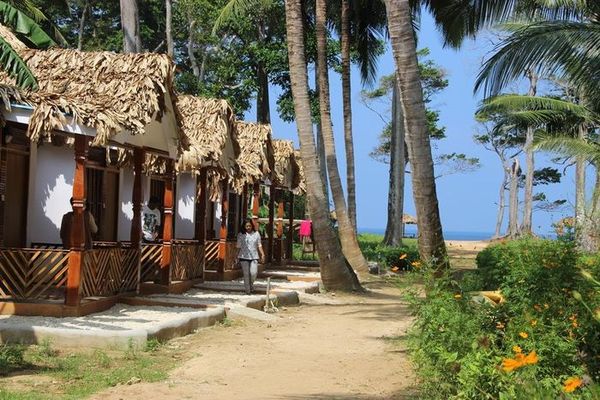 ★★★ Hotel
Pearl Park Beach Resort is located in Neil Island and it is approximately 03kms from the J…
View Hotel Details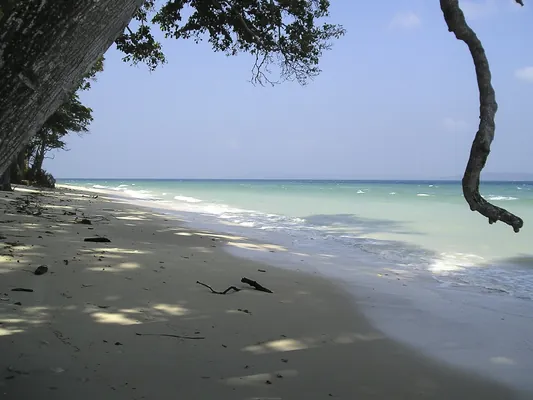 Attraction
Natural Bridge in Neil Island (celebrated across global geology circles as the 'Howrah Bri…
Explore Natural Bridge Attraction
Sitapur Beach in Neil Island (celebrated across the Andaman archipelago as 'Beach No. 5' a…
Explore Sitapur Beach Attraction
Bharatpur Beach in Neil Island (celebrated across the Bay of Bengal as the 'Coral Capital …
Explore Bharatpur BeachExplore high-resolution photographs of iconic landmarks, temples, and scenic spots in Neil Island.
Essential visitor information regarding timings, entry tickets, location, nearby attractions, and travel guide in Neil Island.
Dholavira is one of the five largest Harappan cities in South Asia, dating back to 3000 BC. It is famous for stone fortifications, a grand stadium, a 10-letter Harappan signboard, and the ancient world's most sophisticated water harvesting system.
Dholavira is one of the five largest Harappan cities in South Asia, dating back to 3000 BC. It is famous for stone fortifications, a grand stadium, a 10-letter Harappan signboard, and the ancient world's most sophisticated water harvesting system.
The archaeological site of Dholavira is open daily from Sunrise to Sunset (6:00 AM to 6:00 PM). Entry to the ruins is free. The ASI Site Museum is open 9:00 AM to 5:00 PM (closed Fridays) with a nominal ticket fee.
The archaeological site of Dholavira is open daily from Sunrise to Sunset (6:00 AM to 6:00 PM). Entry to the ruins is free. The ASI Site Museum is open 9:00 AM to 5:00 PM (closed Fridays) with a nominal ticket fee.
The 'Road to Heaven' is a 30-km stretch of National Highway 754K that cuts straight through the vast, shimmering white salt flats of the Great Rann of Kutch, connecting Khavda and Dholavira with breathtaking desert views.
The 'Road to Heaven' is a 30-km stretch of National Highway 754K that cuts straight through the vast, shimmering white salt flats of the Great Rann of Kutch, connecting Khavda and Dholavira with breathtaking desert views.
Unlike Mohenjo-daro and Harappa which were built largely of mud bricks, Dholavira was built almost entirely of dressed stone and limestone blocks. It also features unique rock-cut stepwells and monumental water reservoirs.
Unlike Mohenjo-daro and Harappa which were built largely of mud bricks, Dholavira was built almost entirely of dressed stone and limestone blocks. It also features unique rock-cut stepwells and monumental water reservoirs.
Dholavira is located 215 km northeast of Bhuj (approx 3.5 hours drive via NH-754K) and 310 km from Ahmedabad (approx 5.5 hours drive via Rapar). Taxis, self-drive cars, and state buses connect the site regularly.
Dholavira is located 215 km northeast of Bhuj (approx 3.5 hours drive via NH-754K) and 310 km from Ahmedabad (approx 5.5 hours drive via Rapar). Taxis, self-drive cars, and state buses connect the site regularly.
Get a customized itinerary and the best deals on packages and hotels.
Enquire Now
 City Guide
 City Guide
 City Guide





