Hazaribagh — Travel Guide
Situated on an elevated plateau in the Chota Nagpur highlands of northern Jharkhand, Hazaribagh literally translates to the City of a Thousand Gardens. At an elevation of 610 meters above sea level, the town enjoys crisp mountain breezes and dense canopy forests of sal and mahua trees.
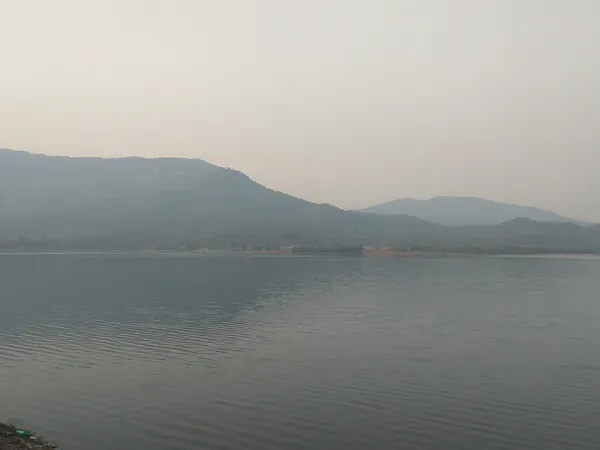
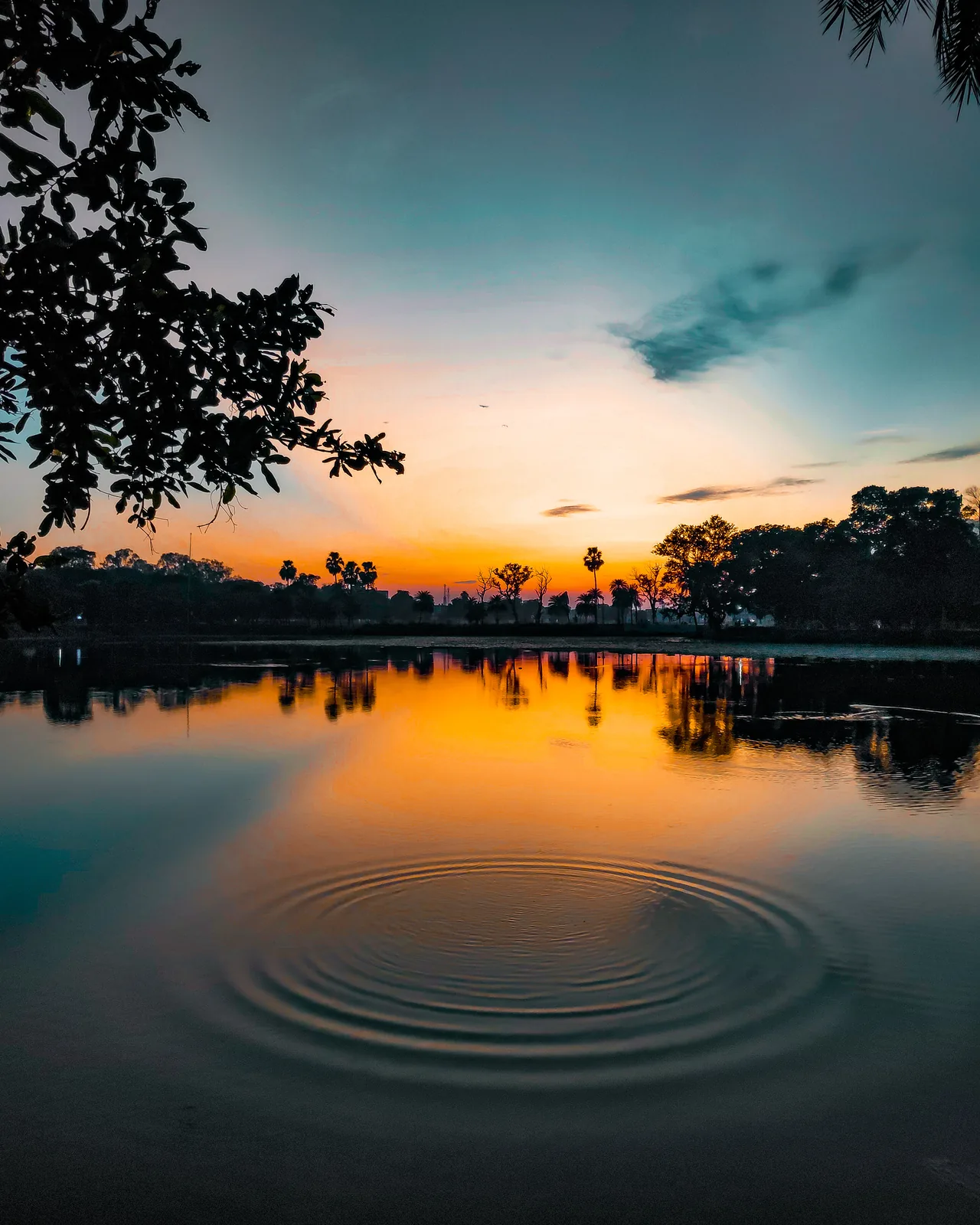 Hazaribagh Jheel, Scenic freshwater lake system and walking promenade in Hazaribagh
Wilderness and indigenous art define the landscape. The Hazaribagh Wildlife Sanctuary covers over 180 square kilometers of rugged hill terrain inhabited by leopards, sambars, and spotted deer. Indigenous tribal women in surrounding villages paint mud house walls with world renowned GI tagged Sohrai and Khovar mural art.
Natural thermal springs and hill summits offer great excursions. Canary Hill provides 360 degree views over rolling forests, while the Surajkund hot springs in Belkapi discharge natural mineral rich boiling water at 88°C. In town, the interconnected British era Hazaribagh Lake is a popular gathering spot for evening strolls.
Highways make regional travel fast and direct. Connected by the four lane NH 20 (Ranchi Patna corridor) and NH 522, Hazaribagh offers easy connectivity to state capital Ranchi, coal capital Dhanbad, pilgrimage center Gaya, and steel city Bokaro.
Best Time to Visit Hazaribagh:
- October to March (Winter / Best Season): Crisp, sunny, and delightful weather with temperatures between 8°C and 24°C. Perfect for safari drives in Hazaribagh National Park, Canary Hill trekking, and exploring Sohrai tribal art villages.
- July to September (Monsoon): Heavy monsoon rains that turn the plateau forests emerald green and fill the Damodar and Konar reservoirs.
- April to June (Summer): Warm plateau summer with daytime highs around 38°C (considerably cooler than the surrounding lowlands).
Famous Food & Tribal Delicacies in Hazaribagh:
- Coal Roasted Litti Chokha with Ghee: Whole wheat dough balls stuffed with spicy roasted gram flour (sattu), roasted over charcoal embers, dipped in pure desi ghee, and served with smoky roasted eggplant (baingan) and tomato chokha.
- Crispy Fried Dhuska with Aloo Chana Sabzi: Deep fried savory patties made from soaked rice and chana dal batter, served with spicy potato and black chickpea curry.
- Traditional Santhali Chilka Roti: Paper thin crepes made from unpolished rice flour, served with wild leafy greens (saag) and spicy tomato chutney.
- Authentic Dudhori Sweet: A traditional Chota Nagpur sweet made by cooking rice in milk, shaping it into diamond cakes, frying in ghee, and dipping in thick cardamom sugar syrup.
- Plateau Tilkut & Khaja: Crisp, sesame crusted jaggery brittle and multi layered flaky pastries.
By Road (Direct Highway Corridors on NH 20 & NH 19):
- From Ranchi (~90 km / 2 hours): Smooth four lane highway drive north on NH 20 via Ramgarh and Charhi.
- From Gaya / Bodh Gaya (~130 km / 2.5 hours): Southward highway drive on NH 20 via Chauparan and Barhi.
- From Dhanbad / Bokaro (~120 km / 2.5 hours): Westward highway drive on NH 522 via Gomia and Bagodar.
- From Kolkata (~390 km / 7 hours): Northwest highway drive along NH 19 (Grand Trunk Road) to Barhi, then south on NH 20.
- Jharkhand State Transport, Bihar SRTC, and private AC sleeper buses operate round the clock services connecting Hazaribagh Bus Stand with Ranchi, Patna, Gaya, Kolkata, and Dhanbad.
By Train (Hazaribagh Town Railway Station, Station Code: HZBN):
- Hazaribagh Town (HZBN): Located on the Koderma Barkakana broad gauge line. Direct express trains connect Hazaribagh to Ranchi, Koderma, Patna, and New Delhi. Koderma Junction (KQR, 60 km north) is a major Grand Chord mainline railway hub with Rajdhani Express halts.
By Air:
- Birsa Munda Airport (IXR / Ranchi, 95 km south): Nearest commercial airport with regular non stop flights to New Delhi, Mumbai, Kolkata, Bengaluru, and Hyderabad. Taxis reach Hazaribagh in 2 hours via NH 20.
Shopping in Hazaribagh focuses on authentic indigenous art, forest honey, and bamboo crafts:
- Sohrai & Khovar Tribal Art Centers: Direct artist cooperatives to purchase Authentic GI Tagged Hand Painted Canvas Murals, Terracotta Vases, and Tribal Paintings.
- Main Bazaar & Guru Govind Singh Road: Bustling local market for Organic Mahua Forest Honey, Unpolished Desi Rice, and Pure Mustard Oil.
- Tribal Craft Stalls: Specialty shops selling Handcrafted Bamboo Baskets, Dokra Metal Figurines, and Sal Wood Souvenirs.
Must-Visit Places in Hazaribagh
Here are the top wildlife sanctuaries, hill viewpoints, hot springs, and tribal art villages to explore in Hazaribagh:
1. Canary Hill & Forest Watchtower
Located on the northern edge of the town, Canary Hill features three forested peaks with a high observation tower and a heritage rest house. Climbing the stone steps rewards you with expansive views of sal forests and the entire Hazaribagh valley below.
- What to see: Panoramic valley views, sunset observation deck, forest rest house, and woodland nature walks.
- Best Time: 6:00 AM to 9:00 AM for sunrise or 4:30 PM for sunset.
 Sal and Teak Canopy Forests around Canary Hill in Hazaribagh
2. Hazaribagh Wildlife Sanctuary & National Park
Covering 186 square kilometers of undulating hills and sal forests, this historic sanctuary was established in 1955. Elevated wooden masonry watchtowers near natural salt licks allow visitors to spot sambars, barking deer, nilgai, wild boars, and diverse woodland bird species.
- What to see: Forest safari trails, wildlife watchtowers, masonry check dams, and scenic forest rest houses.
- Timings: 6:00 AM to 5:00 PM (October to May). Entry fee: INR 50 per person.
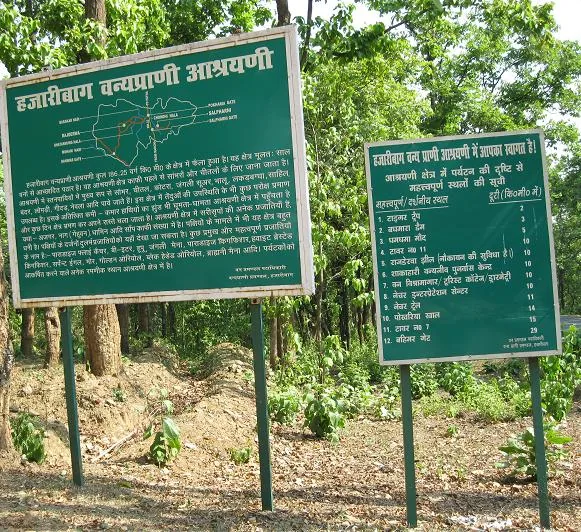 Hazaribagh National Park and Wildlife Sanctuary Entrance
3. Hazaribagh Jheel (Lake Promenade & Swarna Jayanti Park)
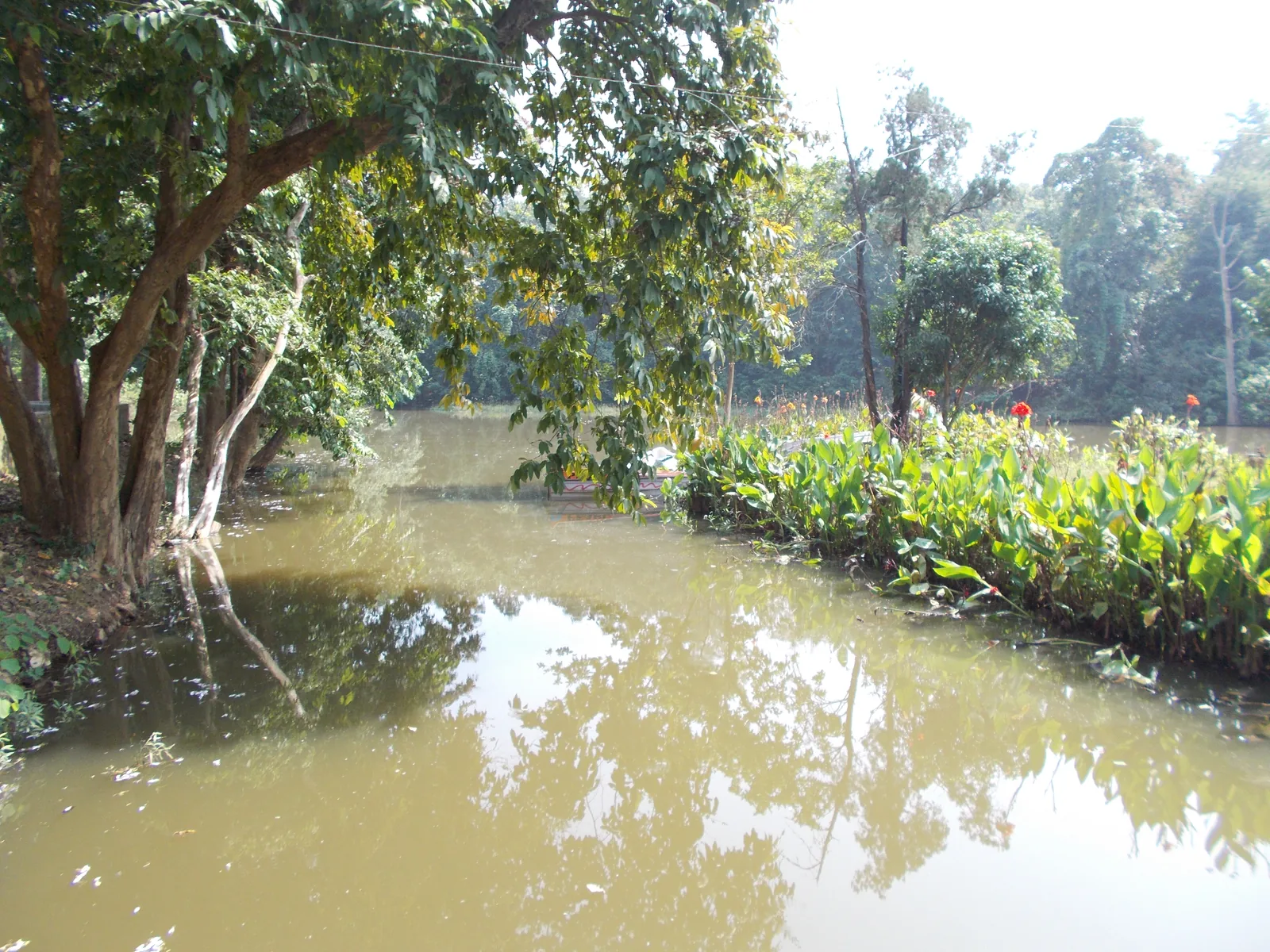
A chain of four British era freshwater reservoirs located in the town center. The lake features pedal boating facilities, tree shaded walking promenades, a water fountain, and open air cafes serving hot tea and snacks.
- What to see: Lakeside pedal boating, children's park, evening sunset reflections, and street food stalls.
Hazaribagh Jheel Freshwater Lake Promenade
4. Sohrai & Khovar Tribal Mural Art Villages
The indigenous Santhal, Munda, and Oraon communities around Hazaribagh practice ancient ritual wall painting using natural colored earth and broken combs. The art forms have received official Geographical Indication (GI) status and global recognition.
- What to see: Live wall painting workshops, traditional painted mud houses, and authentic canvas art purchases.
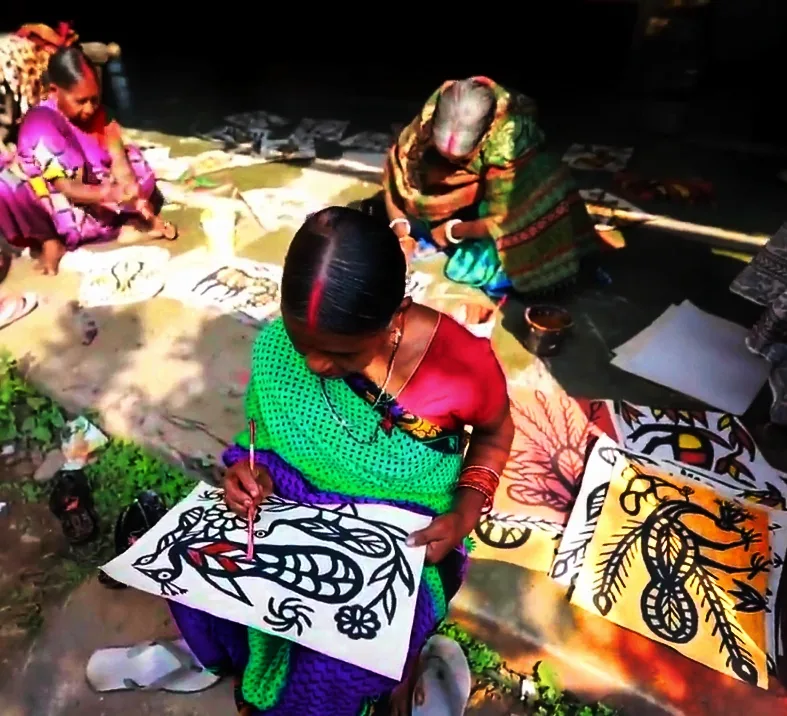 Traditional GI Tagged Sohrai and Khovar Tribal Wall Painting in Hazaribagh
5. Surajkund Natural Hot Springs (Belkapi, 65 km)
One of India's hottest geothermal natural sulfur springs, with surface water bubbling at 88°C. Five distinct sacred kunds (Suraj Kund, Brahma Kund, Ram Kund, Lakshman Kund, and Sita Kund) are used by pilgrims for ceremonial bathing.
- Location: Belkapi on Grand Trunk Road (NH 19).
6. Konar Dam & Reservoir (50 km southeast)
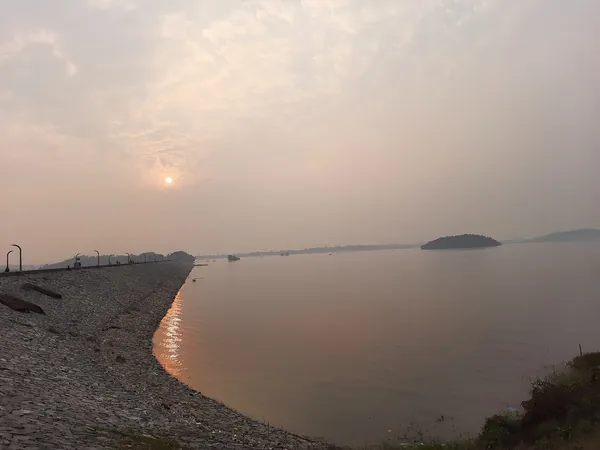
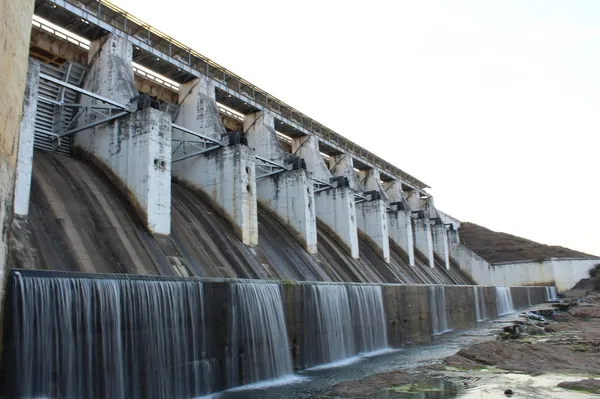
A scenic Damodar Valley Corporation dam built on the Konar River, featuring vast water reservoirs, lush forested shorelines, and family boating areas.
Hazaribagh Photo Gallery & Attractions
Explore high-resolution photographs of iconic temples, historical monuments, and scenic landmarks in Hazaribagh.
Plan Your Hazaribagh Trip Now
Get the best verified hotel deals and customized tour packages. Book directly on EarthTrip and save up to 45%!