Srikalahasti — Travel Guide
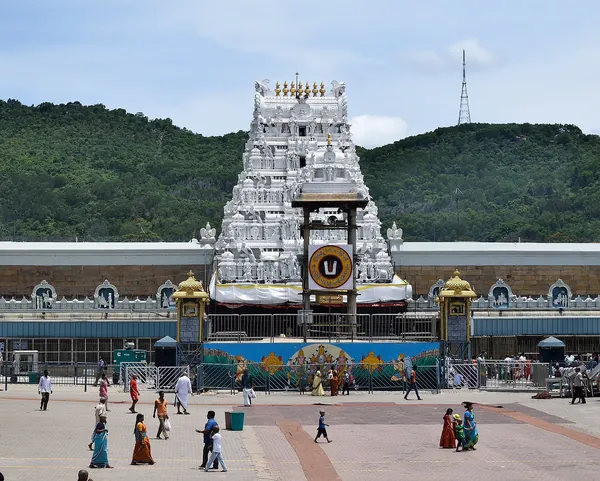
 Scenic view of Srikalahasti, Andhra Pradesh — Dakshina Kailasam of Lord Shiva, Pancha Bhoota Vayu Lingam & GI-Tagged Kalamkari Art
Sitting at an elevation of 68 meters (223 feet) across the Dakshina Kailasam of Lord Shiva and sacred Pancha Bhoota Vayu Lingam (Wind Element) shrine, 1,000-year-old Srikalahasteeswara Temple renowned for Rahu-Ketu Sarpa Dosha Nivarana pujas, sacred Goddess Gnana Prasunambika Devi (36th Shakti Peetham), Bhakta Kannappa hill shrine, holy Swarnamukhi riverfront, and world-renowned GI-tagged freehand Kalamkari textile painting of Tirupati,Srikalahastiis one of the most culturally significant and historically rich travel destinations inAndhra Pradesh. Widely celebrated as dakshina kailasam of lord shiva, pancha bhoota vayu lingam & gi-tagged kalamkari art, the town brings together centuries of ancient heritage, spiritual serenity, and vibrant everyday culture into an authentic Indian travel experience.
The regional character of Srikalahasti has been shaped by historic royal dynasties, legendary trade routes, and sacred spiritual pilgrimages. Travelers will encounter centuries-old monuments, sacred riverfront ghats, revered temple shrines, and lively traditional bazars that reflect the deep-rooted identity of Swarnamukhi River Basin, Tirupati District.
Beyond its monumental attractions, Srikalahasti provides an ideal strategic hub for discovering adjacent travel highlights across Andhra Pradesh, includingTirupati, Renigunta, Gudur, Nellore. Visitors can enjoy authentic regional dining, stroll through historic merchant alleys, and experience the warm hospitality that defines this timeless destination.
Plan your holiday smoothly with our tailoredSrikalahasti Tour Packages, or browse handpicked local stays, heritage lodges, and family hotels in our verifiedSrikalahasti Hotel Guide.
Aligning your travel plans with regional climate patterns and annual cultural festivals guarantees a comfortable and rewarding visit toSrikalahasti.
Best Time to Visit: Complete Seasonal Breakdown • Winter Season (October to February):Winter is universally regarded as the prime sightseeing season in Srikalahasti, with pleasant daytime temperatures from 9°C to 24°C. Cool weather makes exploring outdoor monuments, archaeological ruins, and heritage walks enjoyable. • Summer Season (March to June):Summer daytime temperatures range between 26°C and 42°C. Early mornings and sunset hours are the best times for outdoor sightseeing, visiting temples, and exploring local bazars. • Monsoon Season (July to September):The southwest monsoon brings welcome rainfall that cools the landscape and enriches local agriculture, with daytime temperatures averaging 25°C to 34°C. Major Annual Festivals & Cultural Melas: • Srikalahasti comes alive during traditional annual celebrations. Prominent regional festivals include 12-Day Maha Shivratri Brahmotsavam & Giri Pradakshina (February/March), Vaikunta Ekadasi, Navratri, and Karthika Deepam.. Visiting during these special occasions offers travelers a memorable opportunity to witness sacred folk rituals, vibrant traditional fairs, and genuine local hospitality.Reaching Srikalahastiin Andhra Pradesh is straightforward and supported by extensive multimodal connectivity, linking the destination with Delhi, regional transit junctions, and major cities across northern India.
• By Air (Aviation Hubs):The nearest primary airport isTirupati International Airport (Renigunta) / Chennai International Airport (IATA Code: TIR / MAA), situated roughly 28 km away (30 minutes to Tirupati Airport via 4-lane NH-71 drive) - regular domestic flights link the airport with Delhi, Mumbai, Kolkata, and major state capitals. Pre-paid airport taxi booths provide reliable direct transfers to central Srikalahasti for about ₹600–₹1,000. • By Train (Rail Connectivity):The closest major railway junction isSrikalahasti Railway Station (IRCTC Station Code: KHT), located 1 km away (5 minutes drive). The station is served by frequent high-speed express trains, includingPadmavati Express, Seshadri Express, Tirupati Puri Express, Krishna Express, Howrah Tirupati Express, Tirumala Express, Seven Hills Express, Bilaspur Tirupati Express. Pre-paid auto-rickshaws, shared taxis, and private app-based cabs operate round the clock outside station exits. • By Road (Highways & Expressways): Srikalahasti is connected via 4-lane NH-71 (Tirupati-Srikalahasti-Naidupeta Highway) & NH-16 (Chennai-Kolkata corridor). The driving distance from New Delhi is approximately 2100 km (33 to 35 hours), with smooth expressway and highway corridors. APSRTC (Sapthagiri Express, Super Luxury, and Ultra Deluxe) and TNSTC buses operate 24/7 non-stop frequent shuttles connecting Srikalahasti directly with Tirupati (Central Bus Stand & Railway Station), Renigunta, Nellore, Gudur, Venkatagiri, Vijayawada, and Chennai (KCBT Kilambakkam / Madhavaram). State transport corporations and private operators run daily sleeper, semi-sleeper, and AC Volvo buses connecting all nearby commercial hubs.Discovering lively local markets and indulging in authentic regional cuisine is one of the most delightful aspects of visitingSrikalahasti, Andhra Pradesh.
What to Buy & Authentic Local Handicrafts: • Local bazars and traditional craft emporiums in Srikalahasti feature handmade brassware, handloom cotton fabrics, traditional pottery, embroidered textiles, and regional metal crafts. Shoppers can find unique handmade souvenirs crafted by skilled local artisans at reasonable prices. Must-Try Culinary Specialties & Traditional Sweets: • Sannidhi Street, Car Street Bazaars, and Kalamkari Centres are celebrated for authentic GI-tagged freehand Srikalahasti Kalamkari wall hangings, silk sarees, dupattas, temple bronze idols, Rahu-Ketu temple prasadam, hot crispy Ghee Roast Dosa, spicy Rayalaseema Gongura Pachadi, and filter coffee. Be sure to sample freshly prepared regional street snacks, traditional thalis, and famous sweetmeats at historic sweetshops in the central market.Must-Visit Places in Srikalahasti
Historic Srikalahasteeswara Swamy Temple (Pancha Bhoota Vayu Sthalam) — 1,000-Year-Old Wind Lingam Shrine, Rahu-Ketu Nivarana & Flickering Sanctum FlameOne of the supreme Pancha Bhoota Sthalams representing the element of Air/Wind (Vayu Lingam). Constructed in the 11th century by Chola kings and significantly expanded by Vijayanagara Emperor Sri Krishnadevaraya, the temple is situated between two steep hills on the banks of Swarnamukhi river. In the innermost airless sanctum, the holy oil lamp flickers continuously, proving the living presence of the Vayu Lingam. Millions visit to perform Rahu-Ketu Sarpa Dosha Nivarana homams.
• Visiting Hours & Timings:6:00 AM to 9:00 PM daily (Rahu-Ketu pujas performed throughout the day) •Entry Fees & Tickets:Free general entry; Special Darshan ₹50–₹200; Rahu-Ketu Puja ₹500–₹2,500 •Recommended Visiting Advice:Perform the Rahu-Ketu Sarpa Dosha puja during Rahu Kaalam for spiritual protection and inner harmony. 2. Sacred Goddess Gnana Prasunambika Devi Temple (Shakti Peetham) (36th Holy Shakti Peetham, Bestower of Supreme Wisdom & Ornate Golden Mandapam) Sacred Goddess Gnana Prasunambika Devi Temple (Shakti Peetham) — 36th Holy Shakti Peetham, Bestower of Supreme Wisdom & Ornate Golden Mandapam
Located within the temple complex, the sanctum of Goddess Gnana Prasunambika is revered as the 36th Shakti Peetham where the skull/hair of Goddess Sati is believed to have fallen. Devotees pray here for supreme wisdom, education, and prosperity.
• Visiting Hours & Timings:6:00 AM to 8:30 PM daily •Entry Fees & Tickets: Free entry • Recommended Visiting Advice:Receive holy Kumkum prasadam and meditate inside the serene Goddess sanctum corridor. 3. Bhakta Kannappa Hill Shrine (Kannappa Nayanar Hillock) (Sacred Hilltop Shrine of Devotee Kannappa, 150 Steps & Temple Aerial Vista) Bhakta Kannappa Hill Shrine (Kannappa Nayanar Hillock) — Sacred Hilltop Shrine of Devotee Kannappa, 150 Steps & Temple Aerial Vista
Perched upon the adjoining rocky hillock, this sacred shrine honors hunter devotee Bhakta Kannappa (one of the 63 Saivite Nayanmars), who gouged out his own eyes to replace the bleeding eye of the Shiva Lingam. A climb of 150 stone steps offers panoramic views of the Srikalahasti temple gopurams and the winding Swarnamukhi river.
• Visiting Hours & Timings:6:00 AM to 6:30 PM daily •Entry Fees & Tickets: Free entry • Recommended Visiting Advice:Climb up in the early morning or evening to photograph the magnificent temple architecture framed against the river. 4. Historic Swarnamukhi Riverfront & Sacred Bathing Ghats (Sacred River Swarnamukhi, Stone Bathing Ghats & Pre-Puja Holy Ablutions)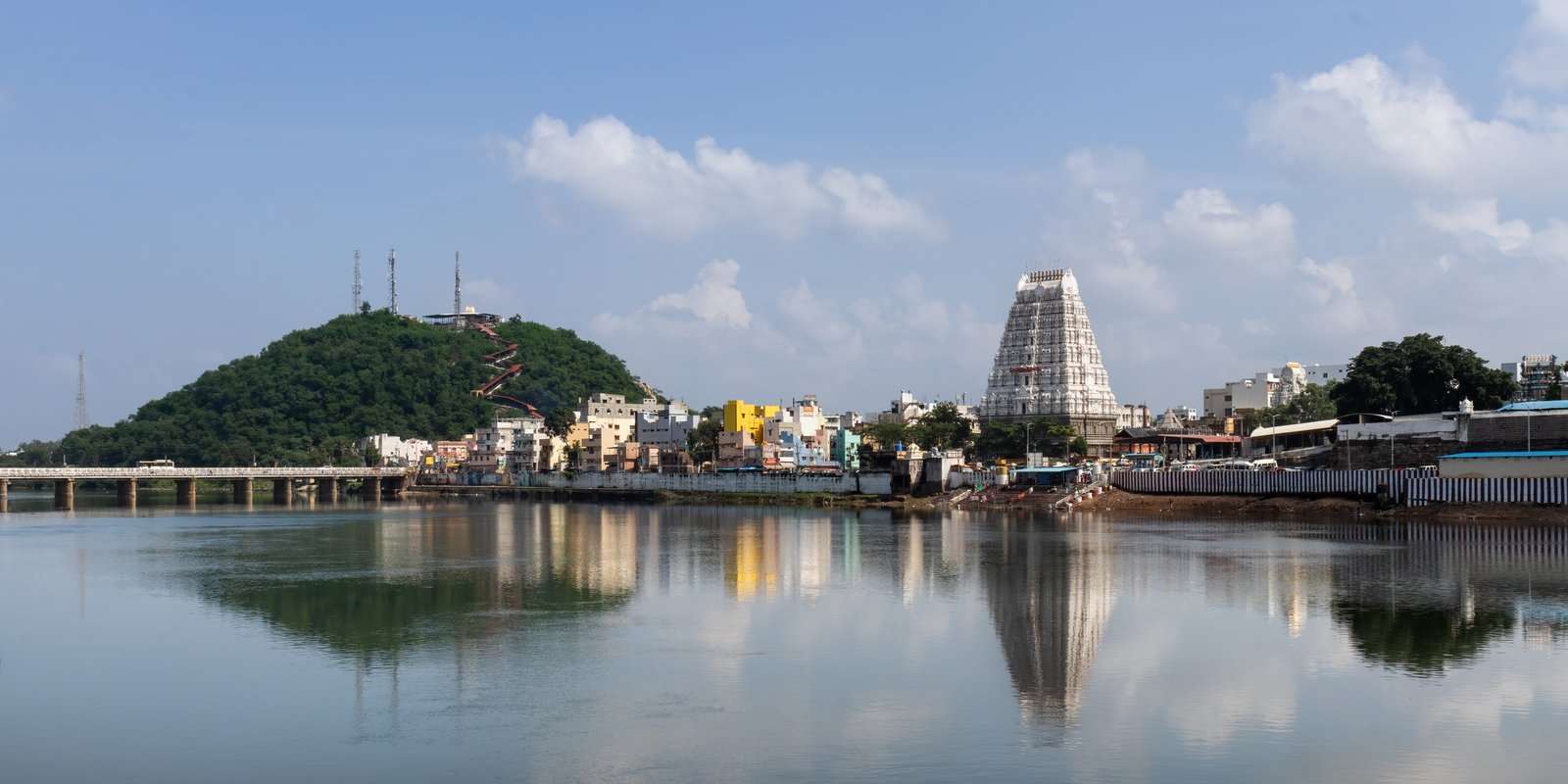 Historic Swarnamukhi Riverfront & Sacred Bathing Ghats — Sacred River Swarnamukhi, Stone Bathing Ghats & Pre-Puja Holy Ablutions
The holy Swarnamukhi river wraps gracefully around the temple walls. According to puranic legends, bathing in its holy waters washes away sins before pilgrims enter the temple for Rahu-Ketu rituals.
• Visiting Hours & Timings:Open 24 hours daily •Entry Fees & Tickets: Free access • Recommended Visiting Advice:Take a ritual holy dip or sprinkle holy river water before proceeding to the temple sanctum. 5. Srikalahasti GI-Tagged Kalamkari Hand-Painted Textile Art (World-Famous GI-Tagged Freehand Kalamkari Art, Bamboo Reed Pens & Natural Dyes) Srikalahasti GI-Tagged Kalamkari Hand-Painted Textile Art — World-Famous GI-Tagged Freehand Kalamkari Art, Bamboo Reed Pens & Natural Dyes
Srikalahasti is world-famous for its GI-tagged authentic freehand Kalamkari art. Master artists use handmade bamboo reed pens (kalam) and 100% natural vegetable dyes (extracted from roots, bark, and flowers) to meticulously paint intricate temple tapestries depicting episodes from the Ramayana, Mahabharata, and Shiva Puranas on unbleached cotton and silk fabrics.
• Visiting Hours & Timings:9:00 AM to 7:00 PM (Artisan Workshops) •Entry Fees & Tickets:Free visitor access to Kalamkari artisan studios •Recommended Visiting Advice:Visit the artisan cooperative workshops near Swarnamukhi riverbank to buy genuine hand-painted Kalamkari wall tapestries and silk dupattas. 6. Sacred Bharadwaja Theertham (Natural Forest Spring Hermitage) (Ancient Hermitage Spring of Sage Bharadwaja, Rock Sculptures & Leafy Groves)Situated in a peaceful leafy glen at the foot of the hill, this natural freshwater springs pool is where Sage Bharadwaja meditated and consecrated a Shiva Lingam. Surrounded by monolithic rock carvings and whispering trees, it offers a serene retreat.
• Visiting Hours & Timings:6:00 AM to 6:00 PM daily •Entry Fees & Tickets: Free access • Recommended Visiting Advice:Sit by the cool freshwater theertham to enjoy quiet contemplation away from the temple crowds. 7. Srikalahasti Bazaars & Authentic Rayalaseema / Andhra Culinary Trail (Crispy Ghee Roast Dosa, Rahu-Ketu Temple Laddu Prasadam, Mirchi Bajji & Filter Coffee)The lively bazaar streets around the temple gopurams and Sannidhi Street in Srikalahasti are celebrated for delicious Andhra tiffins, authentic temple prasadam, and traditional snacks.
• Visiting Hours & Timings:7:00 AM to 10:30 PM daily •Entry Fees & Tickets: Free access • Recommended Visiting Advice:Taste famous piping hot crispy Ghee Roast Dosa served with spicy peanut and tomato chutneys, spicy Mirchi Bajjis, and sacred temple Laddu prasadam on Sannidhi Street.Srikalahasti Photo Gallery & Attractions
Explore high-resolution photographs of iconic temples, historical monuments, and scenic landmarks in Srikalahasti.
Plan Your Srikalahasti Trip Now
Get the best verified hotel deals and customized tour packages. Book directly on EarthTrip and save up to 45%!